.webp&w=384&q=75)

Loading, please wait...
Loading, please wait...

The ongoing Hepatitis A outbreak in Desujodha highlights how vulnerable drinking water systems remain in developing regions. Municipal reports indicate that replacement work on aging underground pipelines caused unexpected structural damage. Consequently, sewage and untreated groundwater mixed into the municipal drinking water supply distributed to residential households. Over five days, health teams screened 540 residents and identified 216 suspected cases, admitting 45 individuals to regional tertiary hospitals. Notably, two pediatric patients under five years, 26 individuals up to eighteen years, and 17 older adults required inpatient care. Two critically ill young women developed severe acute liver dysfunction requiring invasive mechanical ventilation at AIIMS Bathinda and DMC Ludhiana. Epidemiologically, this distribution reflects changing susceptibility patterns in Indian communities. India historically maintained universal early childhood exposure, conferring lifetime natural immunity. However, improving socio-economic and hygiene conditions in several regions have paradoxically delayed initial virus exposure. Consequently, adolescents and young adults now remain immunologically naive, facing significantly elevated risks of severe, symptomatic acute hepatitis when exposed to viral outbreaks.
Hepatitis A virus is a non-enveloped, single-stranded RNA picornavirus transmitted primarily via the fecal-oral route. The pathogen exhibits high resistance to environmental degradation, surviving for months in fresh water and ambient soil. When water pipelines leak near drainage lines, negative pressure during non-pumping hours draws contaminated surrounding water directly into the distribution system. Residents subsequently consume untreated, contaminated municipal water or use it for food preparation. Because the incubation period ranges from 15 to 50 days, cases manifest gradually over several weeks. Therefore, initial exposure often goes unnoticed until multiple community members develop overt clinical symptoms. Furthermore, asymptomatic pediatric shedding exacerbates secondary transmission within households and educational facilities. Children under five frequently shed the virus in high concentrations without exhibiting prominent jaundice. Consequently, household members unknowingly ingest infectious viral particles through direct personal contact or shared utensils. Rapid identification of cross-contamination points remains crucial for public health officials. Replacing damaged pipelines, enforcing secondary chlorination, and providing temporary clean water tankers effectively halt new viral transmissions during acute municipal outbreaks.
Clinical presentation of Hepatitis A varies markedly with patient age. Young children often suffer mild, non-specific viral symptoms or remain entirely asymptomatic. Conversely, older adolescents and adults frequently manifest acute symptomatic hepatitis with marked clinical deterioration. The disease classically progresses through prodromal, icteric, and convalescent phases. Initially, patients experience constitutional symptoms including low-grade fever, malaise, fatigue, anorexia, nausea, abdominal discomfort in the right upper quadrant, and persistent vomiting. After a few days to a week, the icteric phase begins, marked by dark amber urine, pale clay-colored stools, scleral icterus, and generalized jaundice. Hepatomegaly and localized tender liver enlargement are commonly detected during physical examination. Although most immunocompetent individuals experience self-limiting disease lasting two to six weeks, vulnerable groups face severe illness. Adolescents, pregnant women, older individuals, and patients with pre-existing chronic liver disease face heightened risks of acute liver failure. Acute liver failure presents with rapid coagulopathy, progressive encephalopathy, hemodynamic instability, and multi-organ dysfunction, occasionally requiring mechanical ventilation and emergency liver transplantation.
Prompt diagnostic evaluation is essential to confirm Hepatitis A virus infection and differentiate it from other acute viral hepatitis etiologies. Standard laboratory assessment reveals marked elevations in serum aminotransferases, specifically alanine aminotransferase (ALT) and aspartate aminotransferase (AST), often exceeding several thousand units per liter. Serum total and direct bilirubin levels rise significantly, while alkaline phosphatase shows moderate elevation. Definitive diagnosis relies on detecting serum anti-HAV IgM antibodies, which emerge during acute illness and remain detectable for three to six months. Reverse transcriptase polymerase chain reaction (RT-PCR) testing can confirm viral RNA presence early in the clinical course. Clinicians must routinely monitor prothrombin time and international normalized ratio (INR) to evaluate hepatic synthetic function. Progressive prolongation of prothrombin time serves as an early harbinger of impending acute liver failure. Severe complications include fulminant hepatic failure, prolonged cholestatic jaundice, relapsing hepatitis, and secondary bacterial infections. Patients presenting with altered mental status, asterixis, or severe coagulopathy require immediate admission to intensive care units for advanced neurocritical and hemodynamic monitoring.
Management of acute Hepatitis A is fundamentally supportive, as no specific direct-acting antiviral therapy exists. Supportive care focuses on maintaining adequate hydration, providing balanced nutrition, and avoiding potential hepatotoxic substances. Clinicians should immediately discontinue all non-essential medications, including hepatotoxic analgesics like high-dose paracetamol. Outpatient management remains appropriate for mild cases without intractable vomiting, dehydration, or coagulopathy. However, patients displaying severe dehydration, persistent encephalopathy, or prolonged prothrombin time require urgent hospital admission. In intensive care settings, patients suffering from acute liver failure need aggressive supportive measures, mechanical ventilation, cerebral edema prevention, and urgent liver transplant evaluation. Public health containment requires immediate, coordinated community action. Health authorities must repair pipeline leakages, ensure adequate chlorination levels above 0.5 milligrams per liter, and distribute safe drinking water via emergency tankers. Furthermore, educating community members regarding water boiling protocols, strict hand hygiene, and food sanitation is essential. Targeted post-exposure prophylaxis using Hepatitis A vaccine or immunoglobulin should be administered to close contacts within fourteen days of exposure to curb secondary transmission effectively.
Q1: What are the primary modes of transmission during a waterborne Hepatitis A outbreak?
The primary mode of transmission is the fecal-oral route, occurring mainly through the ingestion of water or food contaminated with human feces containing the Hepatitis A virus. Municipal supply contamination from leaking underground pipes, improper sewage disposal, and inadequate water chlorination are major drivers. Close personal contact with an infected household member or consuming uncooked, contaminated produce also facilitates viral transmission across rural and urban communities.
Q2: How can clinicians differentiate severe Hepatitis A from typical self-limiting acute viral hepatitis?
Clinicians evaluate clinical severity through serial neurological assessments and synthetic liver function tests. Typical acute viral hepatitis presents with self-limiting fatigue, jaundice, and elevated aminotransferases that gradually resolve. In contrast, severe cases demonstrate progressive prothrombin time prolongation, uncorrectable coagulopathy, persistent hypoglycemia, and encephalopathy marked by confusion, lethargy, or asterixis. Rapid development of these clinical indicators signals acute liver failure, necessitating emergency intensive care admission.
Q3: What preventive measures should be implemented immediately in an affected village or community?
Immediate public health measures include supplying clean drinking water through safe tankers, testing and repairing leaking municipal pipelines, and enforcing strict chlorine concentration levels. Residents must boil all drinking water vigorously for at least one full minute before consumption. Furthermore, medical teams should conduct door-to-door screening camps, promote rigorous hand hygiene with soap, and administer post-exposure Hepatitis A vaccination to eligible close contacts within two weeks.
Disclaimer: This content is for informational and educational purposes only. It does not constitute medical advice or replace professional judgment. Refer to the latest local and national guidelines for clinical practice.
References

Read summarized clinical updates, watch expert medical content, and earn CME certifications right from your smartphone.
Open your smartphone camera to scan and install.





More than 100 residents in Desujodha, Sirsa, have developed acute Hepatitis A due to pipeline leakage and drinking water contamination. With pediatric patients and severe cases requiring ventilator support, clinical surveillance and public health interventions are critical.
last month

A metataxonomic study reveals distinct gut bacteriome biomarkers in type 2 diabetes, obesity, and cardiovascular complications, identifying specific bacterial shifts that pave the way for precision metabolic medicine.
Today
Researchers have engineered HER2-targeted AIE nanotheranostics to overcome SHR-A1811 resistance in breast cancer. By inducing immunogenic pyroptosis and reprogramming tumor-associated macrophages, this multimodal nanoplatform achieves near-complete tumor regression in refractory preclinical models.
Today

A global dose-response meta-analysis of 8.8 million adults reveals that consuming an extra 100 grams of processed food daily raises cardiovascular event risk by 14%. Explore how industrial additives, systemic inflammation, and metabolic disruption heighten long-term multimorbidity and cardiometabolic risks.
Today

A psychometric validation study confirms that the Turkish Copenhagen Hip and Groin Outcome Score (HAGOS-T) offers excellent reliability, construct validity, and interpretability for patients with hip osteoarthritis, providing clinicians with a robust tool for functional assessment.
Today
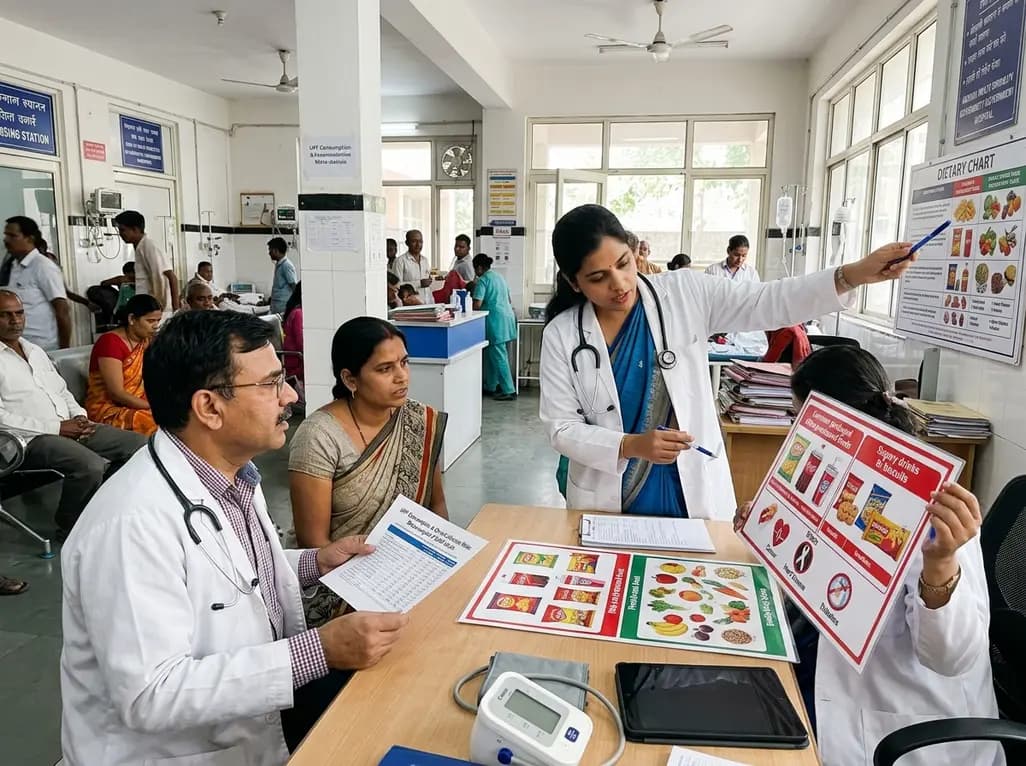
A landmark dose-response meta-analysis of 8.8 million adults reveals that high ultra-processed food intake significantly elevates risks for cardiovascular disease, cancer, diabetes, depression, and all-cause mortality, highlighting urgent needs for clinical lifestyle interventions.
Today
