.webp&w=384&q=75)

Loading, please wait...
Loading, please wait...
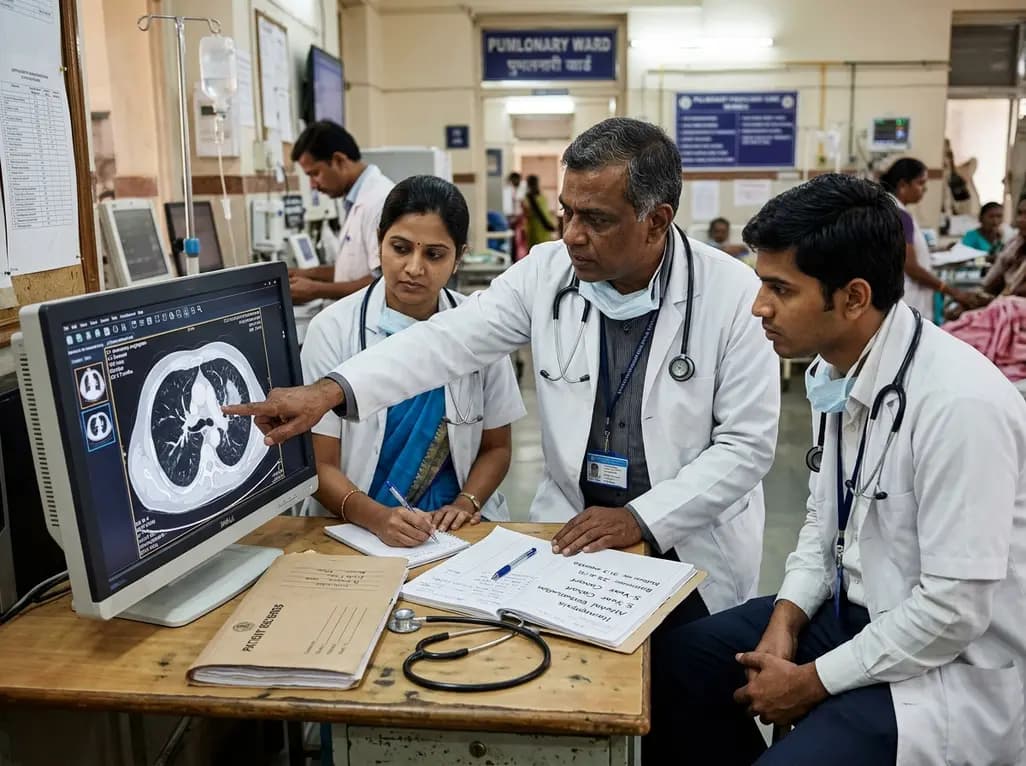
Hemoptysis represents one of the most alarming and life-threatening oncologic emergencies encountered in thoracic medicine. For patients presenting with acute respiratory compromise or bleeding from pulmonary malignancy, arterial embolization for hemoptysis provides vital minimally invasive stabilization. Interventional radiologists frequently deploy this transcatheter therapy to achieve prompt hemostatic control when emergency surgical resection is contraindicated. A recent five-year single-center retrospective cohort evaluated 126 consecutive patients with histologically confirmed lung cancer treated between January 2021 and December 2025. Technical success occurred in 124 of 126 procedures, representing an outstanding rate of 98.4%. Furthermore, clinical success, defined as freedom from hemoptysis recurrence within 30 days, reached 97.6% among technically successful cases. Consequently, endovascular intervention reliably halts active bleeding during the critical acute phase. These compelling findings reaffirm the primary role of transcatheter embolization as the standard frontline treatment for malignant airway hemorrhage. Nevertheless, long-term durability in thoracic malignancy remains fundamentally more complex than in benign conditions like bronchiectasis. Malignant neoangiogenesis and extensive tumor necrosis continually challenge durable vascular occlusion over time.
Although acute hemostasis remains remarkably dependable, secondary rebleeding presents a frequent and frustrating clinical obstacle in oncologic care. In this single-center cohort, investigators followed treated patients for a median duration of 31.3 months. Over this extended surveillance window, hemoptysis recurrence developed in 32 patients, yielding an overall recurrence proportion of 25.4%. Moreover, the median time to recurrent bleeding was 13.9 months, indicating that late vascular failure accounts for substantial disease morbidity. Clinicians must recognize that recurrence rates in thoracic malignancies substantially surpass those documented in non-malignant pulmonary disorders. While benign inflammatory etiologies often stabilize permanently after vascular occlusion, malignant neoplasms continue to drive progressive local tissue destruction. In addition, aggressive tumor expansion promotes sustained vascular endothelial growth factor release into the surrounding stroma. This persistent angiogenic signaling stimulates neovascularization and recruits extensive collateral feeding networks. Therefore, structured long-term surveillance remains paramount even after an apparently definitive endovascular procedure. Clinicians should thoroughly educate patients and caregivers regarding early warning signs of recurrent bleeding. Vigilant outpatient follow-up ensures rapid re-evaluation before severe pulmonary hemorrhage precipitates catastrophic asphyxiation.
Identifying baseline variables that predict recurrent hemorrhage would enable physicians to stratify post-procedure surveillance effectively and tailor follow-up visits. Accordingly, the investigators performed a multivariable Cox proportional hazards regression to evaluate five prespecified baseline covariates. These candidate factors included maximum tumor diameter, cancer stage, histological subtype, patient age, and patient sex. Surprisingly, none of the examined variables exhibited a statistically significant association with post-procedural recurrence. Specifically, tumor diameter showed a hazard ratio of 1.00, and overall cancer stage yielded a hazard ratio of 1.21. Similarly, comparing squamous cell carcinoma against non-squamous histology demonstrated an adjusted hazard ratio of 0.80. Patient age and male sex also failed to show predictive value, demonstrating hazard ratios of 0.98 and 1.12, respectively. Consequently, standard tumor burden descriptors alone cannot identify patients at high risk of rebleeding. These clinical findings highlight the biological complexity of malignant hemoptysis. Physicians cannot assume that smaller tumors or early-stage malignancies carry lower risks of late vessel breakdown. Instead, microscopic vascular invasion and local necrosis may drive recurrent bleeding independently of macroscopic dimensions.
The technical approach to endovascular occlusion incorporates diverse embolic agents tailored to patient vascular anatomy and operator preference. In the study cohort, interventionalists utilized metallic microcoils, polyvinyl alcohol particles sized between 300 and 700 micrometers, gelatin sponge, and multimodal combinations. However, recurrence proportions across embolic agent groups showed no statistically detectable difference, yielding a non-significant log-rank p-value of 0.45. Importantly, the choice of embolic agent was not standardized by protocol, precluding definitive comparative conclusions. Regarding procedural safety, major complications occurred in only 2.4% of patients, affecting 3 of the 126 treated individuals. Furthermore, the cohort experienced zero procedure-related deaths and no permanent neurological sequelae such as anterior spinal artery infarction. This low complication profile underscores the favorable safety index of catheter-directed embolization in fragile oncology populations. Nevertheless, operators must remain highly vigilant during superselective cannulation to prevent non-target embolization. Thorough angiographic mapping of spinal collateral branches protects vulnerable neural pathways during particle delivery. Thus, strict adherence to meticulous technique guarantees excellent procedural tolerance.
Because baseline anatomical tumor measurements failed to predict rebleeding, future risk models must incorporate advanced pathophysiological markers. Specifically, retrospective analyses emphasize that standard descriptors omit vital angiographic and therapeutic parameters. For example, pulmonary arterial involvement, systemic collateral feeding vessels, and extensive bronchial-pulmonary shunts heavily influence procedural durability. In addition, prior thoracic radiation therapy often induces severe vascular fragility and chronic ischemic necrosis within radiated tissue. Similarly, concurrent systemic oncologic regimens, particularly anti-angiogenic tyrosine kinase inhibitors, substantially modify vessel integrity and bleeding risks. Therefore, comprehensive risk stratification requires interventional radiologists to collaborate closely with medical oncologists, pulmonologists, and thoracic surgeons. Multidisciplinary tumor boards should review cross-sectional computed tomography angiography to detect arterial erosion early. Furthermore, planned prospective registries must systematically document post-embolization systemic therapies and collateral vessel formation. Through this integrated clinical perspective, care teams can anticipate treatment failure and individualize follow-up protocols. Ultimately, modern thoracic oncology demands nuanced hemodynamic assessments that transcend simple tumor sizing.
Malignant hemoptysis exhibits higher recurrence because aggressive neoplasms continually drive local tissue destruction and active neoangiogenesis. Although arterial embolization rapidly stops acute bleeding, it does not eradicate the underlying malignancy. Persistent hypoxia and tumor growth stimulate endothelial factors that foster fragile collateral vessels. Furthermore, ongoing tumor necrosis can erode adjacent pulmonary arteries or systemic vessels over time, leading to delayed vascular re-rupture despite initially successful embolization.
Recent cohort findings demonstrate that standard tumor diameter, disease stage, and histological subtype do not reliably predict recurrence. Multivariable analyses indicate that macroscopic tumor dimensions fail to capture microvascular invasion or vessel wall fragility. Instead, secondary rebleeding depends more heavily on unmeasured angiographic variables, such as pulmonary artery invasion and aberrant systemic collaterals. Consequently, clinicians must not rely on baseline tumor descriptors alone when assessing long-term bleeding risks.
Interventional radiologists prevent devastating neurological complications by carefully identifying the anterior spinal artery, also known as the artery of Adamkiewicz, before deploying embolic material. Operators employ high-resolution digital subtraction angiography and superselective microcatheterization to confirm safe positioning distal to spinal branches. In addition, using appropriately calibrated particulate agents rather than liquid adhesives near dangerous anastomoses significantly reduces the risk of accidental non-target spinal cord embolization and permanent paralysis.
Disclaimer: This content is for informational and educational purposes only and does not constitute medical advice, diagnosis, or treatment recommendations. Clinical decisions must always be guided by independent medical judgment, individualized patient assessments, and verified laboratory or procedural findings. Healthcare professionals should consider individual patient circumstances, institutional protocols, and multidisciplinary expertise before applying any clinical data or therapeutic strategy. The authors, editors, and publishers assume no liability for any injury, loss, or adverse outcomes resulting from the use or application of the information presented herein. Refer to the latest local and national guidelines for clinical practice.
References
Li H et al. Hemoptysis recurrence after arterial embolization in lung cancer: a 5-year retrospective cohort study. Diagn Interv Radiol. 2026 Sep 14. doi: 10.4274/dir.2026.264035. PMID: 42734046.
Huang XT, Lu GD, Zhang DZ, et al. Predictive factors for recurrent hemoptysis after bronchial artery embolization in patients with lung cancer. J Vasc Interv Radiol. 2024;35(9):1296-1303. doi:10.1016/j.jvir.2024.05.017.
Claudinot P, Raynaud M, Habert P, et al. Pulmonary artery embolization in the management of hemoptysis related to lung tumors: a retrospective study. Cardiovasc Intervent Radiol. 2023;46(12):1701-1710. doi:10.1007/s00270-023-03577-w.

Read summarized clinical updates, watch expert medical content, and earn CME certifications right from your smartphone.
Open your smartphone camera to scan and install.





A 5-year retrospective cohort study reveals that arterial embolization provides immediate hemostasis in 97.6% of lung cancer patients with hemoptysis. However, 25.4% experience recurrence over a median 31.3-month follow-up, independent of conventional tumor size, cancer stage, or histology.
Today

Pharmacogenomics and artificial intelligence are revolutionizing cardiology by tailoring therapies to individual genetic profiles and clinical data, reducing adverse drug events, and improving cardiovascular patient outcomes.
Today

A comprehensive meta-analysis of over 278,000 women demonstrates that maternal atopic dermatitis significantly increases risks of premature rupture of membranes and low birth weight. Discover essential clinical insights on disease mechanisms, serial antenatal growth monitoring, and safe therapeutic interventions.
Today

Over 60 international public health researchers have advised FSSAI to mandate front-of-pack warning labels for any packaged product high in even one critical nutrient: sugar, saturated fat, or sodium. This reform counters phased rollouts to accelerate consumer protection and address India's chronic disease burden.
Today
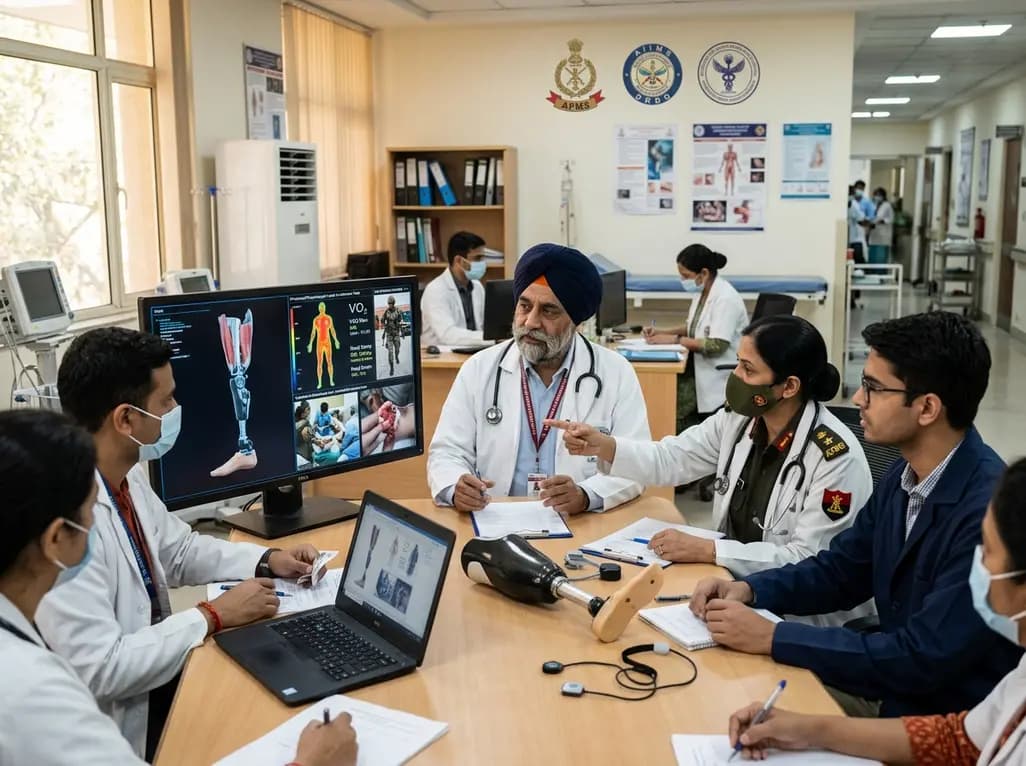
India's premier scientific bodies have joined the Armed Forces Medical Services to solve unique physiological and operational challenges faced by soldiers. The national collaboration covers combat casualty care, artificial intelligence diagnostics, bionic prosthetics, and extreme-environment physiological resilience.
Today

A cross-sectional study reveals that elevated METS-IR is independently associated with higher myopia odds in adolescents, showing biological synergy with obesity and highlighting the need for metabolic screening in pediatric eye care.
Yesterday
