.webp&w=384&q=75)

Loading, please wait...
Loading, please wait...

Left ventricular assist device (LVAD) therapy offers a life-saving solution for patients battling advanced heart failure with reduced ejection fraction. A recent single-center study at the University Medical Center Groningen specifically evaluated HeartMate 3 LVAD outcomes in a real-world setting. Researchers followed 176 patients between 2016 and 2025 to determine how current-generation centrifugal pumps perform over the long term. These findings provide vital insights for cardiologists managing end-stage heart failure.
The study results revealed robust survival metrics that reflect the reliability of modern mechanical circulatory support. Investigators reported overall survival rates of 87% at one year, 82% at two years, and 61% at five years. Notably, patients categorized as bridge to transplant (BTT) demonstrated better survival compared to those on destination therapy (DT). However, clinicians should note that transplantation often masks true device longevity in BTT cohorts. Furthermore, the mean age of the participants was 56 years, which is typical for this high-risk population.
While survival remains strong, managing complications is still a primary concern for clinical teams. For instance, device-related infections and heart failure hospitalizations occurred most frequently in this cohort. Specifically, infections appeared at a rate of 0.29 events per patient-year. Conversely, the incidence of catastrophic events like stroke and pump thrombosis was remarkably low. Most significantly, the research team recorded no pump thrombosis events during the entire follow-up period. Therefore, the improved hemocompatibility of centrifugal-flow devices continues to transform patient safety profiles.
HeartMate 3 therapy significantly prolongs life for patients who have exhausted other medical options. While infection risks persist, the absence of pump-related clotting issues marks a major victory in cardiac engineering. Consequently, these long-term results support the wider adoption of LVAD therapy as a durable alternative for advanced heart failure management.
Recent real-world data indicates that approximately 61% of patients survive at least five years on HeartMate 3 support, though this varies by the initial treatment strategy.
No, cerebrovascular events are rare with this device. Current research shows a low incidence rate of approximately 0.02 events per patient-year at risk.
Device-related infections remain the most common challenge, occurring at a rate of about 0.29 events per patient-year, followed by heart failure-related hospitalizations.
Disclaimer: This content is for informational and educational purposes only and does not constitute medical advice. It is not intended to be a substitute for professional medical advice, diagnosis, or treatment. Always seek the advice of your physician or other qualified health provider with any questions you may have regarding a medical condition. Refer to the latest local and national guidelines for clinical practice.
References
Legtenberg S et al. Long-term outcomes of patients implanted with a HeartMate 3 left ventricular assist device - a real-world, single center, observational study. ESC Heart Fail. 2026 Mar 11. doi: undefined. PMID: 41812231.
Mehra MR, et al. Five-Year Outcomes in Patients With Fully Magnetically Levitated vs Axial-Flow Left Ventricular Assist Devices in the MOMENTUM 3 Randomized Trial. JAMA. 2022;328(12):1233-1242.
Schmitto JD, et al. Fully Magnetically Centrifugal Left Ventricular Assist Device and Long-Term Outcomes: The ELEVATE Registry. Eur Heart J. 2024;45:613-625.

Read summarized clinical updates, watch expert medical content, and earn CME certifications right from your smartphone.
Open your smartphone camera to scan and install.





A long-term study of HeartMate 3 LVAD patients shows 61% survival at five years and near-zero pump thrombosis, though infection remains a challenge....
5 months ago

A new study reveals that lipid-related metabolic dysregulation, marked by elevated TG/HDL-C ratio and glymphatic changes, independently impacts survival in idiopathic normal pressure hydrocephalus.
Today
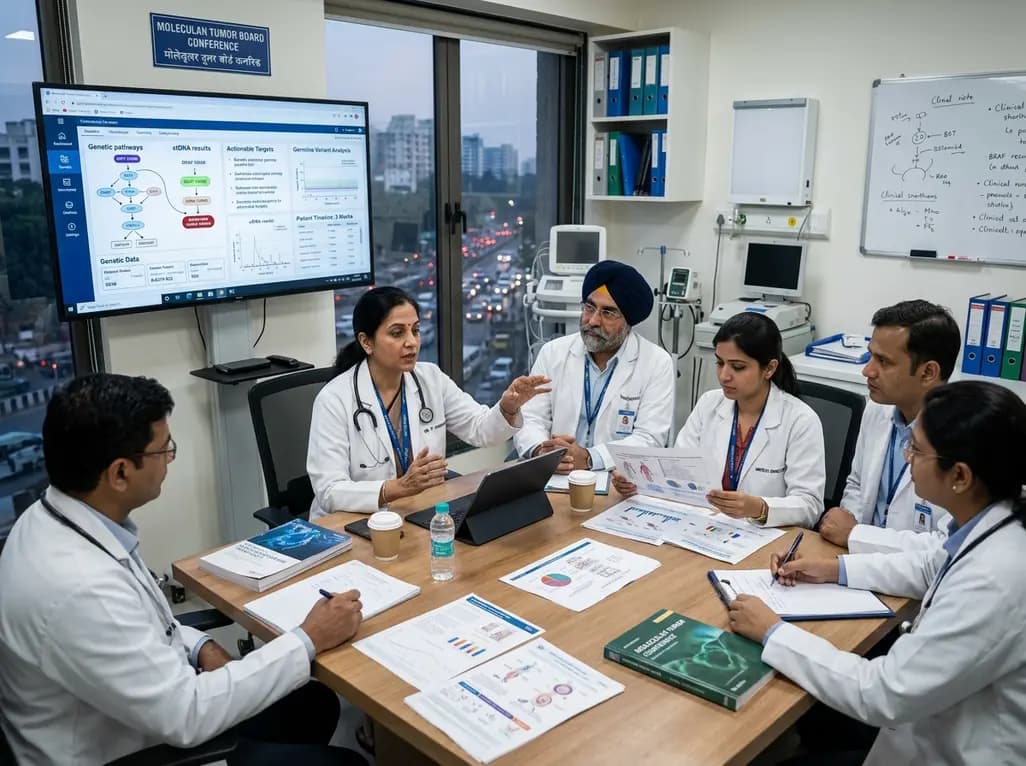
Explore real-world data showing how private oncogenetics and molecular tumor boards achieve 3-week consult turnaround, high ctDNA actionability, and vital germline variant detection, enhancing individualized cancer care and familial risk assessment.
Today
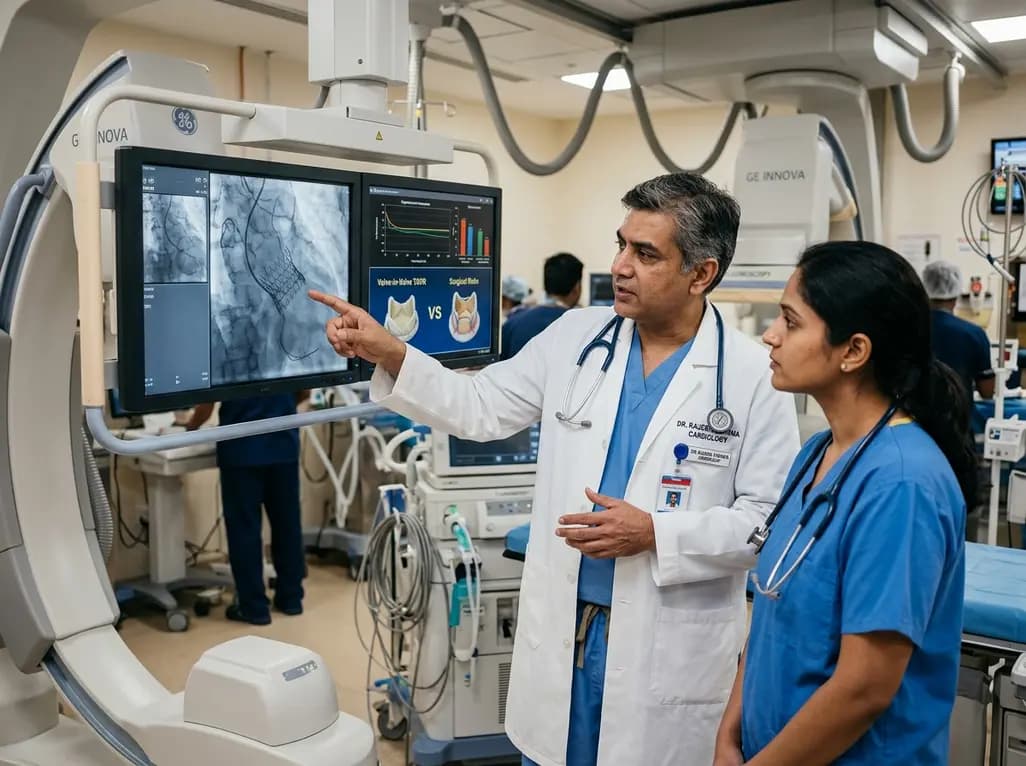
A meta-analysis of 13 propensity score-matched studies shows ViV-TAVR delivers lower early mortality and reduced bleeding compared to redo-SAVR for degenerated bioprosthetic aortic valves, though long-term hemodynamics warrant careful anatomical and patient-centered evaluation.
Today
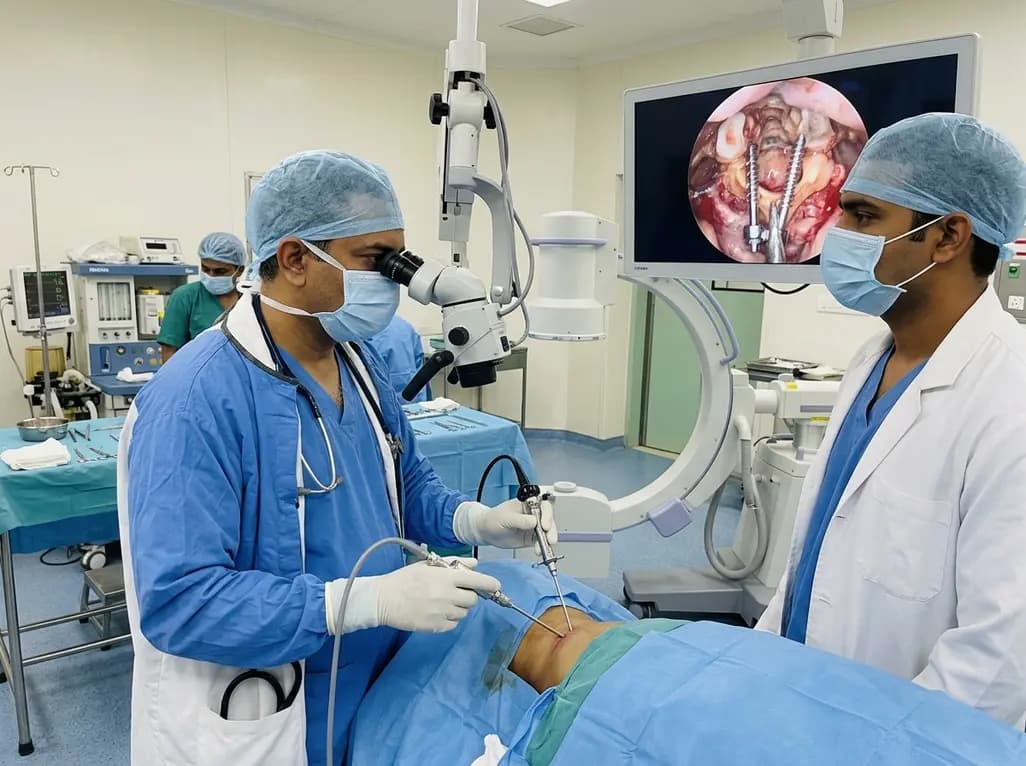
Endoscopic posterior cervical fusion combines minimally invasive decompression, joint preparation, and rigid screw-rod fixation for atlantoaxial pathologies. Early clinical findings demonstrate solid bony union, excellent symptom relief, and minimal soft-tissue morbidity without significant vascular compromise.
Yesterday
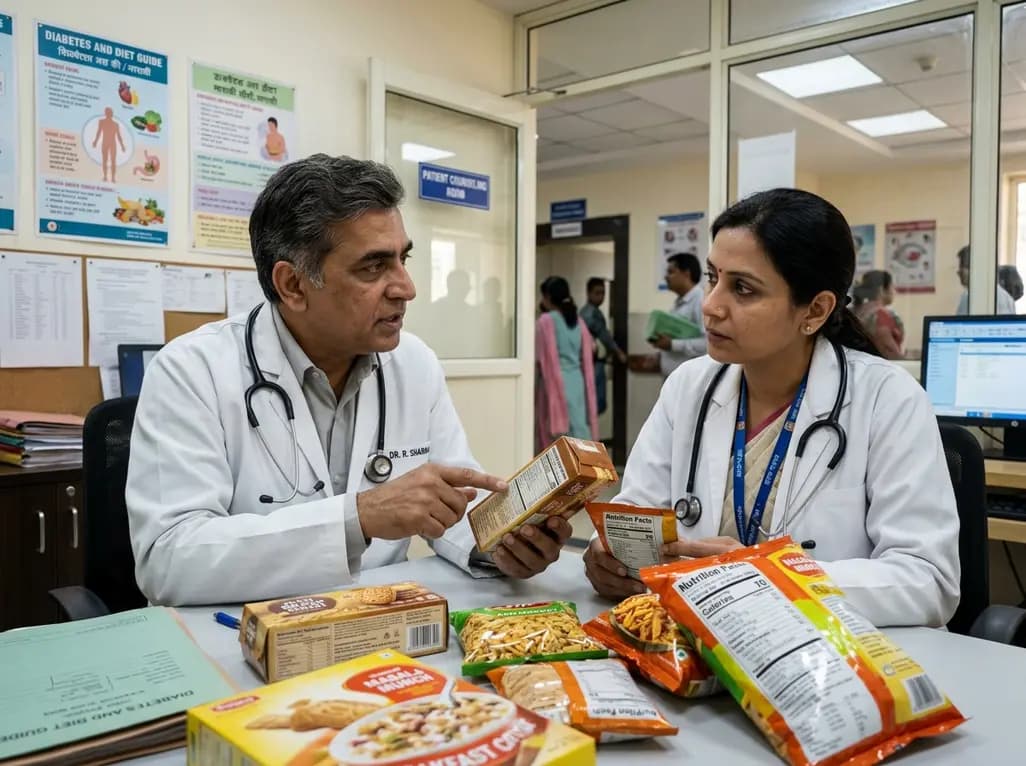
The All-India Food Processors' Association has approached the Supreme Court to oppose FSSAI's proposed per-100g benchmark for front-of-pack warning labels, advocating instead for a per-serving threshold. We explore the regulatory showdown, nutritional evidence, and implications for clinical lifestyle counseling.
Today
