.webp&w=384&q=75)

Loading, please wait...
Loading, please wait...
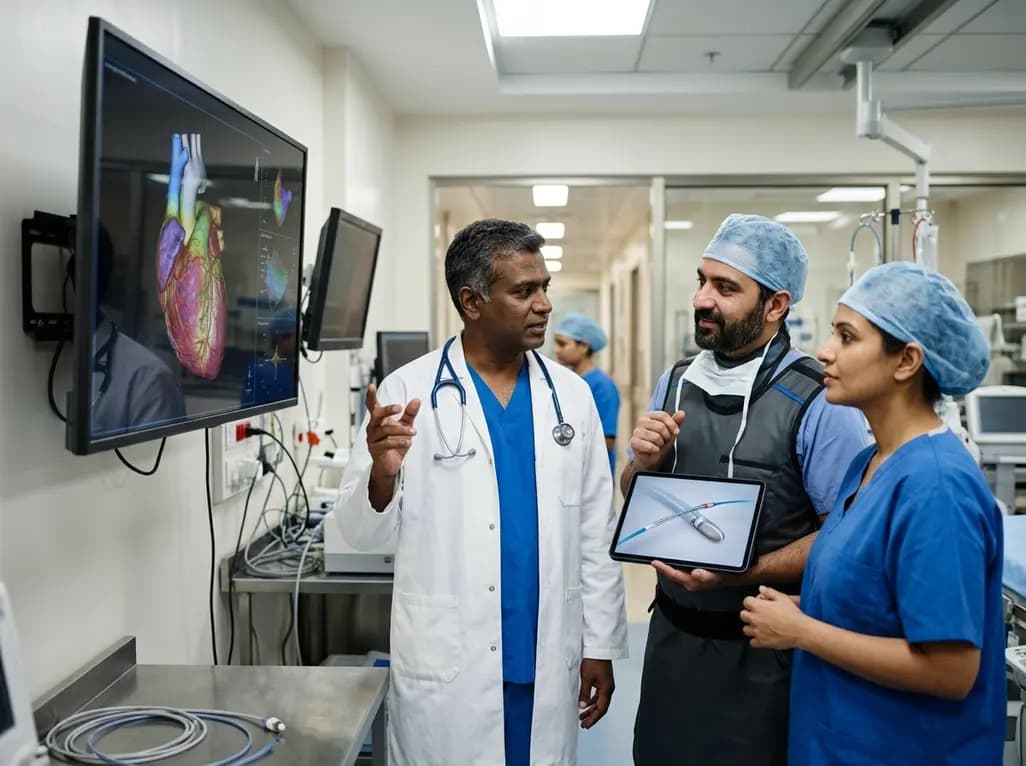
Cardiovascular disease remains the leading cause of morbidity and premature mortality worldwide. In India, clinicians confront an intensifying burden of complex coronary, structural, and electrical disorders. Consequently, modern heart health management requires a fundamental shift toward aggressive prevention, rapid primary diagnosis, and cutting-edge interventions. Furthermore, multidisciplinary frameworks and novel technologies improve survival and enhance long-term functional recovery across clinical settings.
Structural heart disease traditionally demanded invasive open-heart surgery with prolonged recovery times. However, rapid advancements in transcatheter technologies provide effective alternatives for high-risk patients. Frail and elderly patients who cannot tolerate extensive open surgery now benefit from catheter-based interventions. Cardiac surgeons and interventional cardiologists no longer work in separate clinical silos. Instead, modern institutions rely on collaborative heart teams to assess complex valve disorders. This multidisciplinary cooperation matches each patient with the most suitable treatment pathway. Furthermore, medical advances have dramatically expanded the population of adults surviving with congenital heart disease. These patients frequently present with complex anatomical repairs, residual hemodynamics, and progressive systemic comorbidities. Therefore, specialized clinical expertise bridging pediatric cardiology and adult cardiac surgery has become essential. Surgeons also utilize robotic-assisted systems to perform complex reconstructions through minimal incisions. In addition, refined aortic procedures allow surgeons to repair extensive thoracic lesions safely. Consequently, integrated heart health management ensures safe surgical and transcatheter outcomes while accelerating postoperative functional recovery. Moreover, hybrid operating rooms provide ideal environments for these combined procedures. Clinicians can immediately transition between interventional imaging and corrective surgery when unexpected complications emerge.
Timely diagnosis represents the cornerstone of effective acute coronary care. A simple twelve-lead electrocardiogram remains the most vital tool for detecting acute myocardial infarction. Thus, individuals experiencing sudden chest discomfort or unexplained breathlessness must receive prompt evaluation. However, rural regions across India continue to face geographic barriers and diagnostic delays. Patients frequently travel substantial distances to reach tertiary emergency centers. Therefore, expanding decentralized diagnostic infrastructure into primary healthcare centers remains an urgent priority. Early detection directly enables rapid reperfusion therapy to restore ischemic myocardial perfusion. In primary facilities lacking catheterization laboratories, clinicians must administer intravenous thrombolytics without delay. Rapid administration of clot-dissolving medications dramatically reduces myocardial necrosis and lowers in-hospital mortality. Furthermore, structured pre-hospital triage networks streamline transport directly to percutaneous coronary intervention centers. Besides acute intervention, primary prevention requires systematic screening for hypertension, dyslipidemia, and diabetes. Accordingly, routine community health screening programs detect high-risk individuals before acute cardiovascular events manifest. Ultimately, pairing community-level screening with rapid acute reperfusion transforms clinical outcomes across underserved populations. Consequently, healthcare administrators must equip peripheral clinics with tele-ECG networks. These digital systems allow remote cardiologists to interpret tracings and guide emergency stabilization within minutes.
Clinicians historically regarded advanced heart failure as an irreversible and terminal condition. Fortunately, therapeutic innovations have transformed the prognosis for patients with systolic dysfunction. Today, modern guideline-directed medical therapy combines neurohormonal antagonists, SGLT2 inhibitors, and targeted device therapies. However, successful management depends entirely on prompt clinical recognition and early intervention. When clinicians initiate aggressive treatment early, left ventricular ejection fraction recovery reaches thirty to sixty percent. In contrast, therapeutic inertia permits progressive adverse ventricular remodeling and irreversible myocardial damage. For patients who remain severely symptomatic despite optimal medical regimens, advanced mechanical therapies provide lifesaving support. Specialized centers now utilize durable ventricular assist devices as bridges to transplantation or destination therapy. Moreover, orthotopic heart transplantation offers durable functional rehabilitation for eligible end-stage candidates. Electrophysiological interventions, such as cardiac resynchronization therapy, also correct dyssynchrony and optimize mechanical efficiency. Consequently, heart failure no longer represents an automatic terminal prognosis. Instead, comprehensive heart failure programs enable complex patients to achieve renewed vitality and extended life expectancy. Practitioners must therefore monitor symptoms vigilantly and refer refractory patients promptly to dedicated heart failure specialists. Additionally, routine biomarkers like natriuretic peptides facilitate timely outpatient titration and preemptive hospital avoidance.
Patients and the public often confuse acute myocardial infarction with sudden cardiac arrest. However, these conditions represent two distinct clinical emergencies with different pathophysiology. A heart attack occurs when plaque rupture and thrombotic occlusion obstruct coronary arterial blood flow. In contrast, sudden cardiac arrest stems from an electrical malfunction causing ventricular fibrillation or severe asystole. Without immediate cardiopulmonary resuscitation and defibrillation, cardiac arrest results in biological death within minutes. In India, acute coronary events strike individuals nearly a decade earlier than in Western populations. Alarmingly, approximately twenty-five percent of heart attacks now occur in patients under forty-five years of age. Rapid urbanization, tobacco consumption, dyslipidemia, metabolic stress, and severe air pollution accelerate this premature atherogenic risk. Furthermore, silent genetic cardiomyopathies or channelopathies can trigger sudden catastrophic collapse during intense physical exertion. Therefore, young adults should undergo baseline cardiovascular evaluations, including electrocardiography and echocardiography, before starting strenuous exercise programs. Physicians must emphasize progressive moderate physical activity rather than unaccustomed exhaustive exertion. Ultimately, primary angioplasty restores arterial patency, minimizes myocardial scarring, and substantially reduces long-term susceptibility to lethal ventricular arrhythmias. Additionally, widespread community training in basic life support and automated external defibrillator usage empowers bystanders during out-of-hospital emergencies.
Cardiac arrhythmias produce disabling symptoms ranging from intermittent palpitations and lightheadedness to sudden syncope. To treat these disorders, the field of electrophysiology provides highly precise diagnostic and therapeutic interventions. Non-invasive tools like Holter monitoring capture transient rhythm abnormalities during daily activities. Subsequently, invasive electrophysiological studies utilize intracardiac catheters to map aberrant conduction pathways with exquisite accuracy. Clinicians frequently cure supraventricular tachycardias using targeted radiofrequency catheter ablation. For complex arrhythmias like ventricular tachycardia, advanced three-dimensional electroanatomical mapping pinpoints pathological substrates reliably. Furthermore, pulsed field ablation has emerged as a revolutionary breakthrough for atrial fibrillation. Unlike thermal energy, pulsed field ablation delivers ultra-short electrical pulses that selectively ablate cardiomyocytes without injuring adjacent structures. Consequently, this non-thermal modality significantly reduces procedural risks to the esophagus and phrenic nerve. Device therapy has also advanced with the introduction of miniaturized leadless pacemakers. Physicians implant these capsule-sized generators directly into the right ventricle through transfemoral access. Because they eliminate transvenous leads and surgical subcutaneous pockets, leadless pacemakers dramatically reduce device-related infections. Moreover, their prolonged battery longevity ensures safe, reliable rhythm maintenance for two decades. Thus, modern electrophysiology delivers superior therapeutic precision, rapid patient recovery, and enduring safety.
Q1: How does a heart attack differ from sudden cardiac arrest?
Although people frequently confuse the two events, a heart attack is primarily a circulatory blockage, whereas cardiac arrest is an electrical failure. During a heart attack, an occluded coronary artery starves myocardial tissue of oxygenated blood. Conversely, sudden cardiac arrest causes the ventricles to flutter or stop abruptly, terminating systemic circulation. While acute myocardial infarction requires immediate coronary reperfusion, cardiac arrest demands instant cardiopulmonary resuscitation and electrical defibrillation to restore hemodynamic rhythm and sustain life.
Q2: Why are heart attacks increasingly diagnosed in younger adults across India?
Nearly one in four heart attacks in India now occurs in adults under forty-five years of age. This premature onset stems from an interplay between genetic predispositions and modern lifestyle risk factors. High rates of smoking, physical inactivity, metabolic diabetes, chronic mental stress, and severe environmental air pollution accelerate early coronary plaque formation. Consequently, young adults should undergo baseline electrocardiograms and echocardiographic screenings before engaging in heavy gym regimens, ensuring early identification of asymptomatic cardiovascular disease.
Q3: What clinical advantages does pulsed field ablation provide over thermal ablation?
Pulsed field ablation utilizes short, high-intensity electrical pulses rather than extreme heat or freezing temperatures to ablate arrhythmogenic cardiac tissue. Because myocardial cells possess a lower electrical threshold than surrounding tissues, this technology exhibits high tissue selectivity. Consequently, pulsed field ablation destroys abnormal myocardial conduction pathways while sparing collateral structures, such as the phrenic nerve and esophagus. This selective mechanism significantly lowers major procedural complications and speeds recovery for patients undergoing catheter ablation for atrial fibrillation.
Disclaimer: This content is for informational and educational purposes only. It does not constitute medical advice or replace professional judgment. Refer to the latest local and national guidelines for clinical practice.
References

Read summarized clinical updates, watch expert medical content, and earn CME certifications right from your smartphone.
Open your smartphone camera to scan and install.





Cardiovascular disease remains a primary health threat in India, where heart attacks strike a decade earlier than in Western nations. Through multidisciplinary heart teams, expanded diagnostic access, and breakthrough interventions like pulse field ablation, modern cardiology offers renewed survival and clinical recovery.
Today
The FEBE study investigates the prevalence of post-traumatic stress disorder symptoms in women receiving high-dose-rate brachytherapy for cervical cancer, highlighting the critical role of procedural sedation and trauma-informed clinical care.
Today
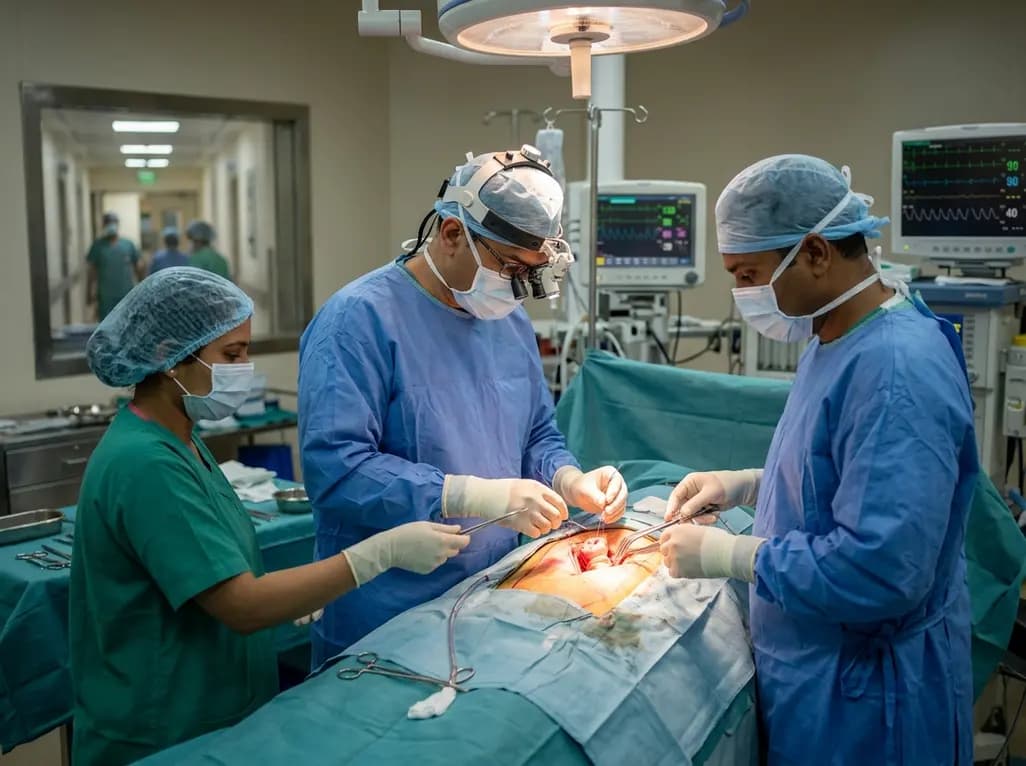
Aortic root aneurysms often develop silently, yet timely intervention provides a critical window to salvage the native aortic valve. Preserving the patient's own anatomy avoids lifelong anticoagulation, provided clinicians identify root dilatation before secondary leaflet distortion and ventricular failure occur.
Today
A Level I trauma center study shows a brief bedside mental health intervention boosts 30-day follow-up screening adherence by 84% in nonviolent injury patients. However, outcomes for violence survivors reveal critical care gaps, underscoring the urgent need for specialized community violence intervention programs.
Today
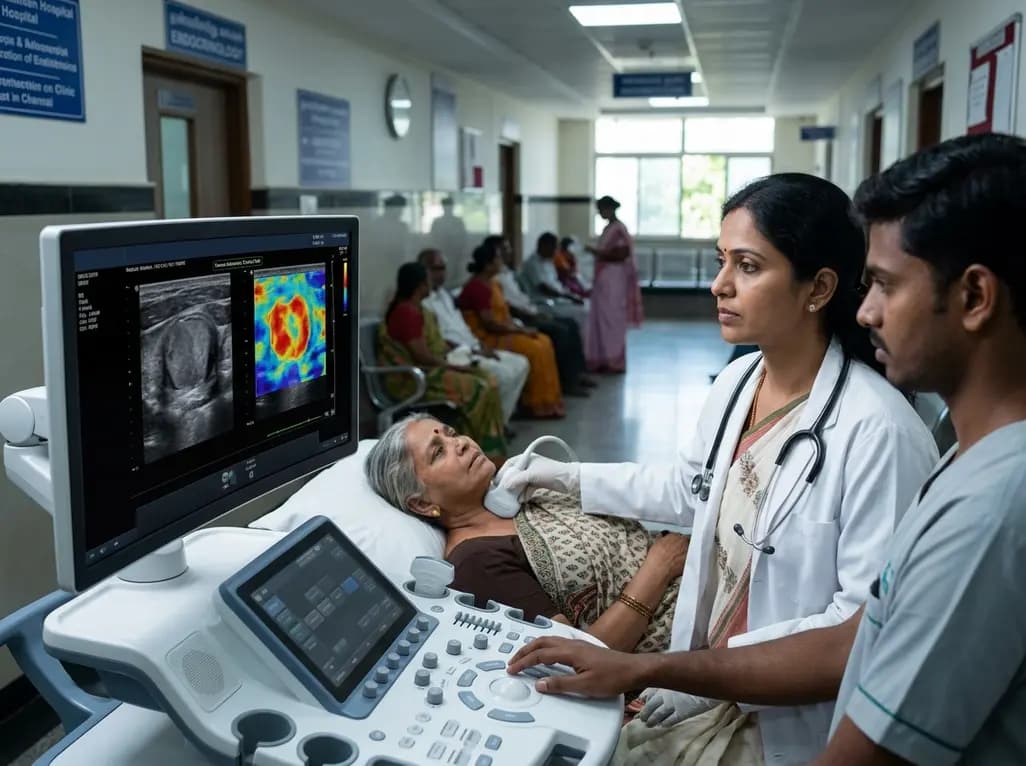
A study introduces a dual-discriminator generative adversarial network (DD-GAN) capable of generating virtual elastography ultrasound from standard B-mode images. The tool matches real elastography performance and improves thyroid nodule risk stratification when combined with TI-RADS.
Today
