.webp&w=384&q=75)

Loading, please wait...
Loading, please wait...

The results of the study were remarkable. Researchers compared 1,258 patients using a remote monitoring program (RMP) against 2,321 control patients. Consequently, they found that RMP was associated with a 46% lower risk of all-cause mortality. The hazard ratio stood at 0.54, which signifies a substantial survival benefit for these patients. Additionally, the intervention group saw a 19% reduction in heart failure-related rehospitalizations compared to the standard of care.
Furthermore, patients in the remote monitoring group spent significantly fewer cumulative days in the hospital. The study also highlighted important economic benefits for the healthcare system. Specifically, the program was associated with a healthcare cost reduction of approximately €1,500 per patient per year. Therefore, remote monitoring provides both clinical efficacy and long-term economic sustainability.
The study underscores the clinical importance of patient-centered strategies. By using non-invasive tools to track symptoms and weight, clinicians can detect early signs of congestion. This early detection allows for timely medication adjustments before a crisis occurs. Moreover, the scalable nature of these programs makes them ideal for vulnerable populations. Doctors should consider integrating these digital tools into standard post-discharge protocols to improve patient survival and quality of life.
Remote monitoring allows for the early detection of clinical deterioration, such as sudden fluid retention. Consequently, clinicians can adjust diuretics or other medications promptly, which prevents acute decompensation and reduces fatal events.
Yes, evidence from the TELESAT PRIOR-HF study shows a notable reduction in hospital days and rehospitalization rates. These outcomes lead to an average healthcare cost saving of €1,500 per patient annually.
Disclaimer: This content is for informational and educational purposes only. It does not constitute medical advice. Always seek the advice of your physician or other qualified health provider with any questions you may have regarding a medical condition. Refer to the latest local and national guidelines for clinical practice.
References

Read summarized clinical updates, watch expert medical content, and earn CME certifications right from your smartphone.
Open your smartphone camera to scan and install.





New data from the TELESAT PRIOR-HF study shows that remote monitoring reduces heart failure mortality and rehospitalization while saving healthcare costs....
5 months ago
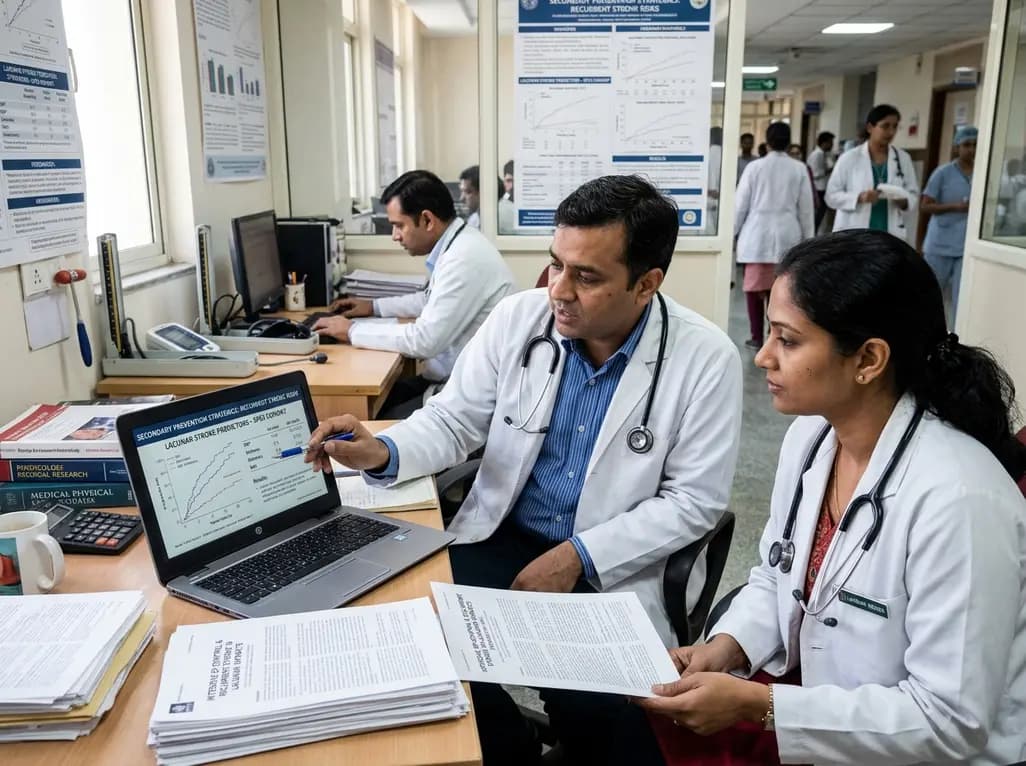
Explore vital recurrent stroke predictors in lacunar stroke patients managed with intensive blood pressure lowering. This analysis examines trial findings from SPS3 to uncover residual vascular risks, metabolic factors, and targeted secondary prevention strategies for high-risk neurological patients.
Today
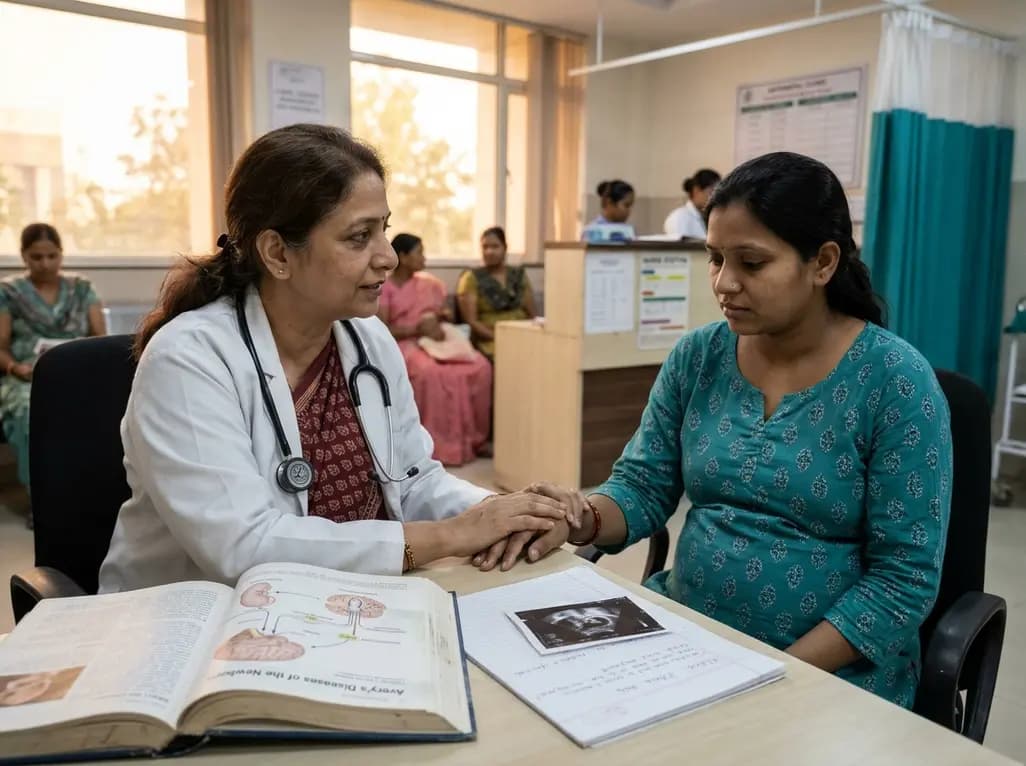
A comprehensive scoping review synthesises evidence linking prenatal maternal mental health to long-term offspring neurodevelopment, evaluating neuroendocrine, inflammatory, and epigenetic pathways while highlighting clinical screening and future research priorities.
Today

The Directorate General of Health Services directs Indian states to halt the hazardous reuse and reprocessing of single-use medical devices. Discover regulatory implications under the Drugs and Cosmetics Act, critical infection risks, legal liabilities, and operational changes required across clinical specialties.
Today
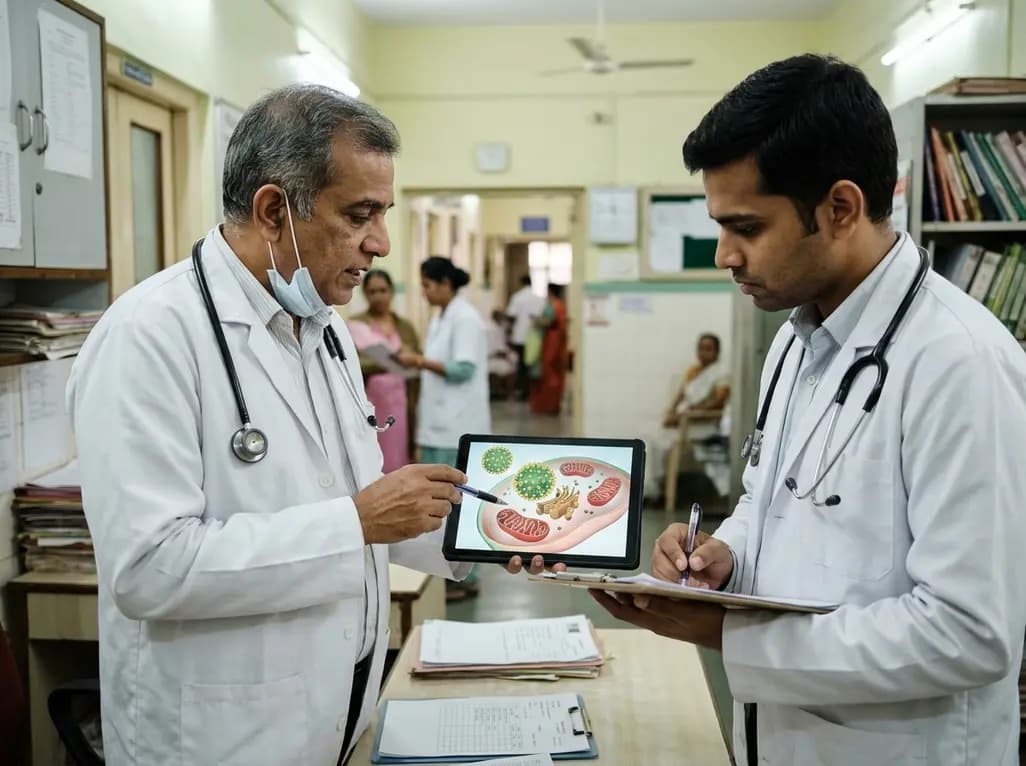
Mitochondria-targeted nanoparticles self-assembled from EGCG and L-glutamic acid effectively restore mitochondrial homeostasis, suppress synovial inflammation, and attenuate chondrocyte senescence in osteoarthritis, offering a promising disease-modifying nanotherapy.
Today

India is advancing preventive healthcare by integrating genomics, artificial intelligence, and quantum technologies. With the SANGAM programme sequencing one million Indian genomes, clinicians can unlock personalized therapies, detect cardiometabolic risks early, and curb the burden of diabetes and heart disease.
Today
