

Loading, please wait...
Loading, please wait...

Recent scientific inquiries demonstrate a profound relationship between auditory deficits and psychosocial well-being. A comprehensive understanding of hearing impairment and loneliness has become essential for contemporary medical practitioners. Sensory deprivation restricts spontaneous human communication, which subsequently undermines interpersonal connectedness. A landmark random-effects multilevel meta-analysis by Pinquart and colleagues systematically investigated this critical junction. The investigators aggregated quantitative data across multiple major electronic databases, including Medline, Google Scholar, PsycInfo, and Web of Science. In total, the study evaluated 120 rigorous investigations encompassing 109,707 individuals who are deaf or hard-of-hearing. Consequently, this expansive synthesis provides definitive evidence regarding subjective emotional isolation among auditory-impaired populations. When compared against normative test cohorts and individuals with unimpaired hearing, affected participants demonstrated markedly higher loneliness scores. The researchers calculated a significant pooled effect size of 0.389 standard deviation units, with a 95% confidence interval ranging from 0.296 to 0.483. This finding establishes that auditory deficits actively exacerbate perceived emotional isolation rather than merely representing passive sensory changes. Therefore, clinicians must recognize that sensory impairment frequently precipitates substantial psychological morbidity across diverse demographics.
The meta-analytic findings emphasize that auditory loss does not affect perceived social disconnectedness in a uniform manner. Specifically, moderator analysis revealed notable differences when categorizing participants by the severity and nature of their condition. Individuals who are profoundly deaf reported drastically higher loneliness elevations than peers classified as hard-of-hearing. The investigators documented a striking effect size of 0.971 standard deviation units among deaf individuals. In contrast, individuals categorized as hard-of-hearing exhibited an elevation of 0.291 standard deviation units. This pronounced disparity highlights distinct communicative and cultural hurdles encountered by profoundly deaf persons. Hard-of-hearing patients frequently maintain residual spoken language comprehension through acoustic amplification, acoustic cues, or assistive environmental modifications. Conversely, profoundly deaf individuals often navigate substantial societal language barriers, particularly within predominantly hearing environments that lack sign language fluency. Furthermore, subtle nuances in interpersonal exchanges become inaccessible, which fosters deep subjective feelings of alienation. As a result, profound deafness generates persistent impediments to casual daily socialization. Clinicians must therefore differentiate between moderate hearing degradation and severe or profound sensory deprivation during diagnostic workups. Tailoring psychosocial support according to functional impairment severity remains essential for effective patient management.
Interestingly, demographic factors significantly influence how sensory dysfunction translates into subjective social deficits. The meta-analysis revealed that loneliness elevations were markedly stronger among younger cohorts than among older adults. Although general medical practice often associates presbycusis predominantly with geriatric distress, younger patients experience distinct psychosocial pressures. Younger deaf or hard-of-hearing individuals frequently encounter academic hurdles, vocational friction, and peer pressure during active social network development. Consequently, communication breakdowns in youth provoke acute emotional distress and profound social alienation. In addition, marital and relationship status emerged as powerful moderators within the analyzed dataset. Participants who were unpartnered or unmarried displayed significantly larger elevations in loneliness compared to their married or partnered counterparts. A supportive life partner often serves as an essential communicative conduit, buffering against daily conversational isolation. Without this domestic buffer, unpartnered individuals must navigate communicative barriers entirely on their own. Moreover, societal stigma surrounding auditory devices often magnifies interpersonal hesitation among unattached young adults. Primary care doctors and otolaryngologists must consequently evaluate relationship status and age when profiling patient vulnerability. Early identification of these high-risk subgroups enables targeted preventative counseling before chronic loneliness causes enduring depressive illness.
The meta-analysis also illuminated meaningful variations linked to study design characteristics and geographic contexts. Notably, researchers observed smaller loneliness elevations in community-based probability samples compared to convenience samples. Convenience cohorts often recruit participants from clinical centers or specialized advocacy organizations, where individuals may present with heightened baseline distress or specific communicative grievances. In contrast, representative probability samples capture broader demographic spectrums, including well-adapted individuals who have developed resilient communicative compensation strategies. Furthermore, study location revealed surprising geographic patterns across international literature. Loneliness elevations were consistently smaller in studies conducted within high-income nations than in investigations originating from other regions. High-income countries typically offer superior access to early audiological screening, state-of-the-art amplification technology, and comprehensive infrastructural accommodations. Conversely, developing countries frequently struggle with limited audiological infrastructure, delayed interventions, and pervasive social marginalization. Additionally, public education regarding hearing loss remains fragmented in low- and middle-income territories. These resource disparities exacerbate communicative barriers, intensifying subjective feelings of separation among affected citizens. Recognizing these global disparities helps contextualize epidemiological data and emphasizes the urgent necessity of equitable healthcare resource distribution worldwide.
In the Indian clinical context, these meta-analytic insights hold profound relevance for healthcare practitioners across diverse clinical disciplines. India harbors millions of individuals living with untreated sensorineural hearing loss and congenital deafness. However, routine medical consultations in outpatient clinics rarely prioritize subjective psychosocial well-being or loneliness screening. Most family physicians and otolaryngologists focus exclusively on audiometric thresholds and surgical or acoustic rehabilitative possibilities. Nevertheless, unaddressed loneliness drives adverse cardiovascular outcomes, cognitive decline, accelerated dementia, and profound depressive states. Furthermore, joint family structures in India are transitioning toward nuclear urban households, leaving vulnerable individuals socially unbuffered. Young deaf individuals in India frequently face intense academic discrimination and severe employment barriers, compounding their psychological distress. Meanwhile, the exorbitant cost of modern digital hearing aids and cochlear implant processors creates catastrophic barriers to care. Clinicians should therefore integrate brief validated loneliness screening tools, such as the UCLA Loneliness Scale, into everyday audiology and ENT consultations. Additionally, clinicians must educate families regarding empathetic communication techniques to minimize conversational isolation within home environments. Establishing community peer support groups can further mitigate pervasive loneliness among young hearing-impaired Indians.
Successfully resolving loneliness among deaf and hard-of-hearing individuals necessitates a coordinated multidisciplinary approach. Otolaryngologists, audiologists, psychiatrists, and primary care physicians must collaborate seamlessly to ensure comprehensive patient care. First, acoustic rehabilitation via hearing aids or cochlear implants provides the foundational bedrock for restored environmental engagement. Clinical evidence indicates that auditory amplification significantly enhances social engagement and alleviates depressive symptom burdens. However, technology alone cannot resolve entrenched feelings of isolation. Clinicians must actively combine technological devices with specialized auditory training, speech therapy, and psychological counseling. Cognitive behavioral therapy tailored for sensory loss helps patients reframe maladaptive social withdrawal tendencies. Moreover, physicians must advocate for inclusive institutional environments, such as closed-captioned digital systems and accessible public spaces. Encouraging patients to join supportive deaf culture communities or hearing-loss peer groups provides mutual validation and profound emotional relief. Ultimately, comprehensive aural rehabilitation must look beyond pure tone averages to embrace emotional and social restoration. By implementing holistic treatment paradigms, modern medicine can effectively shield hearing-impaired patients from the detrimental physical and mental health consequences of chronic loneliness.
Profound deafness produces significantly greater elevations in loneliness than milder forms of hearing loss. Individuals with profound deafness encounter persistent communicative barriers that limit conversational access in predominantly hearing environments. In contrast, individuals with mild or moderate impairment can often utilize residual hearing and conventional hearing aids to sustain interpersonal relationships. Consequently, profound sensory deprivation requires comprehensive community support, sign language access, and specialized psychosocial interventions to mitigate subjective emotional isolation.
Younger hearing-impaired individuals experience heightened loneliness because they navigate pivotal life milestones involving peer group integration, educational pursuits, and vocational development. Hearing difficulties create distinct social friction and communication fatigue, making peer acceptance challenging. In contrast, older adults often possess established family networks, mature coping mechanisms, and normative expectations regarding age-related sensory changes. Therefore, sensory deficits disrupt social identity formation and personal autonomy more acutely in younger cohorts, necessitating focused psychological support.
Clinicians should routinely administer brief validated loneliness screening questionnaires alongside conventional audiometric testing in outpatient clinics. Furthermore, healthcare teams must encourage early acoustic rehabilitation using fitted hearing aids or cochlear implants. Beyond device dispensing, physicians should actively connect patients with local support networks, deaf community organizations, and specialized psychological counseling. Educating family members on clear communicative strategies also reduces domestic conversational barriers, fostering meaningful interpersonal connectedness and improved long-term mental health.
Disclaimer: This content is for informational and educational purposes only... Refer to the latest local and national guidelines for clinical practice.
References

Read summarized clinical updates, watch expert medical content, and earn CME certifications right from your smartphone.
Open your smartphone camera to scan and install.





A systematic meta-analysis of 120 studies reveals that individuals with hearing impairment experience significant elevations in loneliness. Profoundly deaf, younger, and unpartnered individuals face the greatest risk, underscoring the urgent need for targeted psychosocial and audiological interventions in clinical practice.
Today

The latest surveillance report from the Indian Council of Medical Research exposes a steep nationwide decline in bacterial susceptibility. Common pathogens like E. coli and Klebsiella pneumoniae demonstrate critical resistance to cephalosporins and carbapenems, urging clinicians to rethink empirical antimicrobial therapy.
Today

Under India's nationwide immunization drive, healthcare teams have vaccinated more than one crore 14-year-old girls within nine months. This comprehensive analysis evaluates state achievements, digital tracking via the U-WIN platform, clinical safety monitoring, and practical counselling strategies for practitioners.
Today

A large network analysis of middle-aged and older adults reveals distinct sex-specific dependency pathways between lifestyle factors and cardiometabolic diseases. Physical activity, smoking, and alcohol exhibit divergent bridging roles in men and women, underscoring the need for tailored clinical prevention.
Today
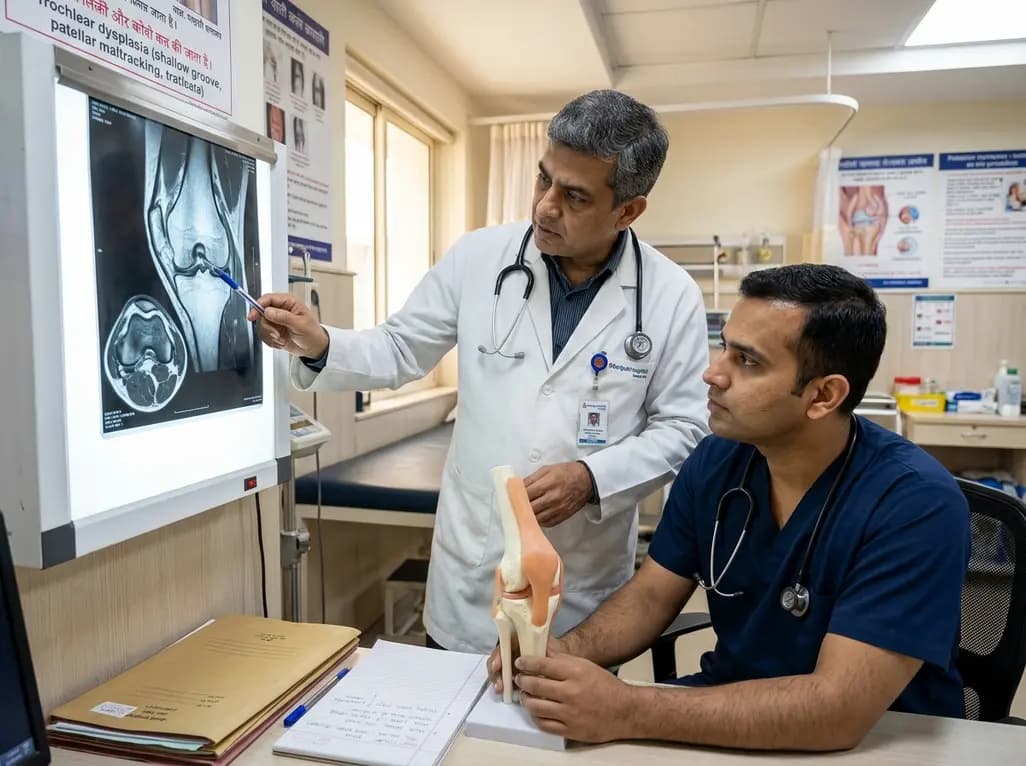
A landmark study reveals that patellofemoral cartilage defects in patients with trochlear dysplasia are primarily driven by patellar maltracking and spur height rather than dislocation frequency or shape mismatch, offering crucial insights for preoperative imaging and surgical stabilization.
Today
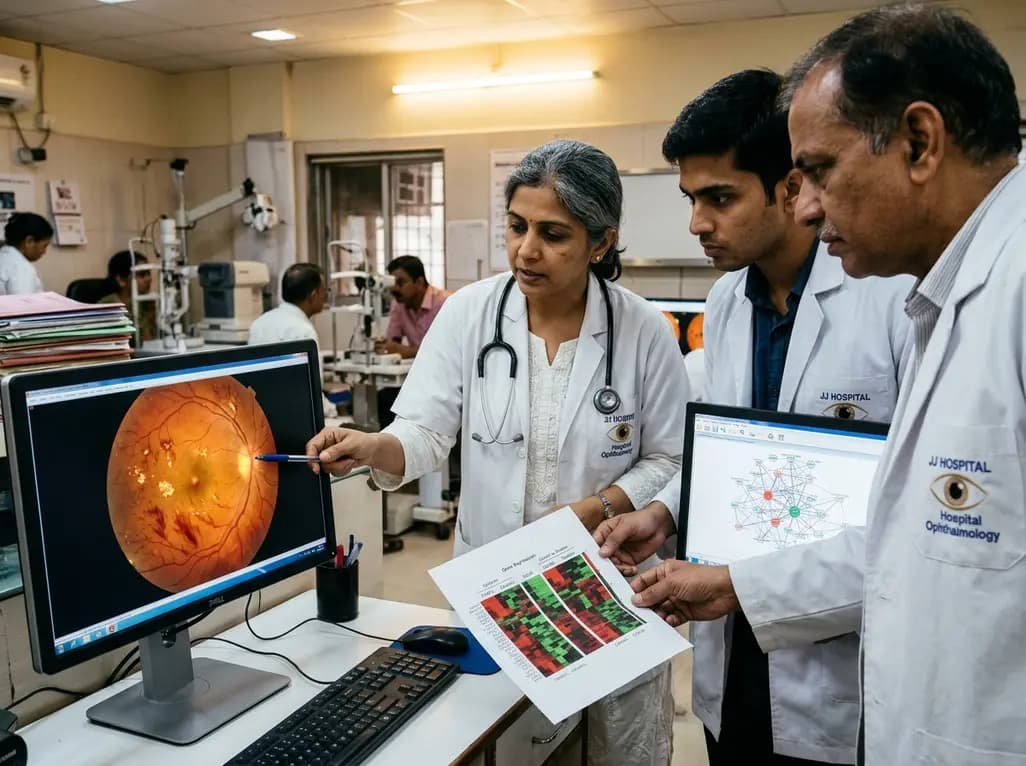
Single-cell transcriptomics reveals that STAP2 promotes retinal endothelial dysfunction in diabetic retinopathy through CXCR4 signaling. In vivo and in vitro studies show STAP2 knockdown reduces capillary drop-out and vascular leakage, uncovering a novel therapeutic target beyond anti-VEGF therapies.
Today
