.webp&w=384&q=75)

Loading, please wait...
Loading, please wait...
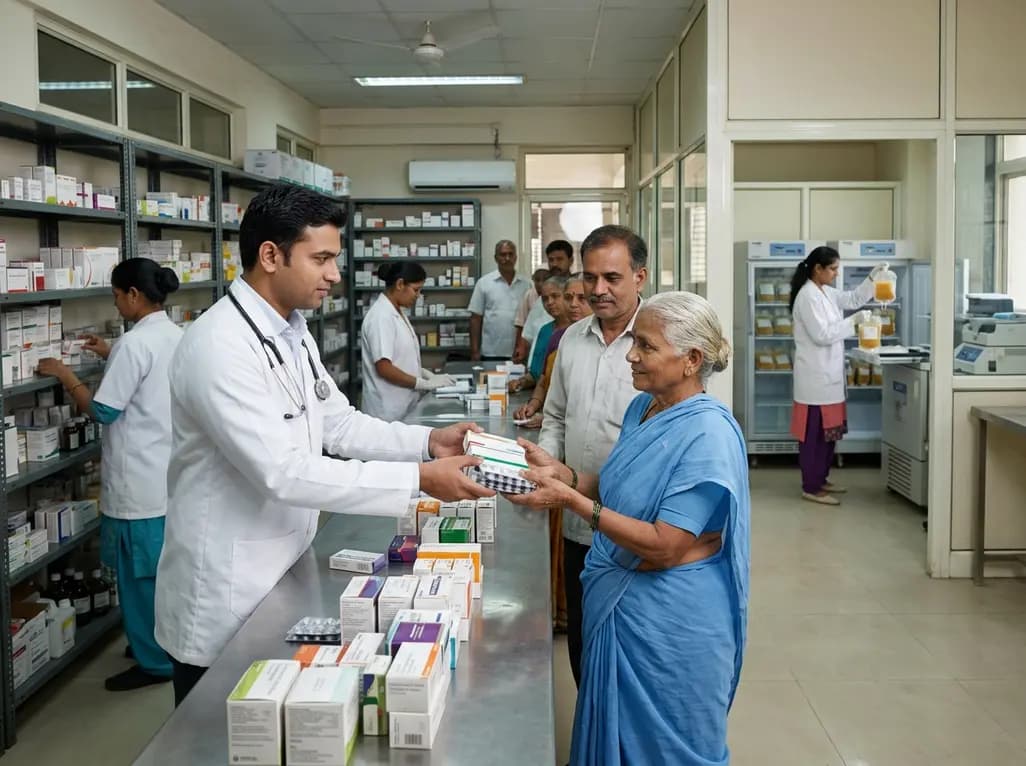
In a decisive move, Maharashtra Medical Education Minister Hasan Mushrif announced a major public health reform. Specifically, patients in all state-run medical colleges will now receive essential medicines entirely free of charge. This directive aims to eliminate out-of-pocket expenses for families. Consequently, this initiative marks a massive shift in how the state manages healthcare services Maharashtra. This ensures that financial barriers do not prevent vulnerable populations from obtaining life-saving treatment. Furthermore, the government will streamline procurement processes and hold administrative heads accountable for any lapses. This policy also aligns with broader efforts to optimize biological resources. The state plans to utilize surplus blood plasma for manufacturing affordable therapeutic products. Medical professionals and administrators must adapt quickly to these new compliance standards. This ensures high-quality and uninterrupted patient care.
The new policy introduced by Hasan Mushrif establishes a rigid framework of administrative accountability. Specifically, the minister declared that hospital superintendents will face direct action if patients buy medicines externally. To prevent stockouts, the government empowered local hospital administrations to independently procure drugs. They can use up to a specified percentage of their allocated budgets for local purchases. This decentralized power allows institutions to bypass bureaucratic delays and address shortages immediately. Moreover, the state has introduced a \"medicine box\" initiative. Under this scheme, admitted patients receive essential clinical supplies upon admission. This box contains oral medications, syringes, IV sets, gloves, and bandages. These items historically contributed to high out-of-pocket spending for poor families. Consequently, hospital administrations are now legally obligated to maintain a continuous inventory of these materials. Ultimately, this structural reform shifts the logistical burden from the patient’s family to the state. This ensures that healthcare remains accessible to everyone.
The state government is exploring collaborative models to ensure the long-term sustainability of these reforms. Minister Mushrif highlighted plans to seek NGO assistance to enhance healthcare services Maharashtra. Specifically, these partnerships will focus on improving patient navigation and upgrading hospital sanitation. They will also help manage specialized patient support desks. By involving reputable NGOs, the Medical Education Department aims to introduce professional management practices. Furthermore, this collaborative approach will bridge the gap between clinical demand and administrative capacity. This is particularly crucial in rural districts where resources are historically strained. NGOs can also assist in monitoring the distribution of the newly introduced medicine boxes. This ensures that no patient is denied their rightful supplies. Consequently, this multi-sectoral strategy creates an additional layer of transparency and accountability. Hospital superintendents must coordinate closely with these organizations to design custom support systems. This collaborative effort will significantly elevate the overall quality of public clinical care.
Beyond immediate pharmaceutical distribution, the department is executing a major blood banking policy shift. Officials revealed that Maharashtra holds a staggering volume of surplus blood plasma. While government-run blood banks hold 25,000 liters, the private sector holds over 3,00,000 liters. Historically, much of this valuable resource remained underutilized or was sold unethically for profit. To combat this, Minister Hasan Mushrif directed officials to draft a comprehensive utilization proposal. The primary objective is to channel these resources into fractionators. This will produce essential, life-saving immunoglobulins and clotting factors locally. This initiative will significantly lower the cost of specialized therapies for average citizens. By converting local surplus into domestic therapeutic products, Maharashtra aims to achieve absolute self-reliance. Consequently, this policy represents a major step forward in clinical resource management. It sets a brilliant precedent for other states to optimize their biological assets.
The push to utilize surplus plasma comes amid intense regulatory scrutiny of blood banks. The State Blood Transfusion Council recently cracked down on commercial profiteering and illegal bulk transfers. Indeed, investigations revealed that several private blood banks were selling excess plasma at inflated rates. To curb these unethical practices, the council introduced a strict 50-point inspection checklist. Non-compliant centers face severe penalties, including immediate license cancellation. Furthermore, a high-powered committee will establish a robust regulatory framework for plasma movement. This committee includes representatives from the Food and Drug Administration and the central government. They will focus on improving documentation, traceability, and stock reconciliation. This ensures complete transparency from donor to recipient. Consequently, clinicians must ensure that all blood banking processes adhere strictly to these updated guidelines. Regulatory compliance is now mandatory to protect public safety and maintain systemic integrity.
The decision to process surplus plasma locally holds profound clinical implications for chronic hematological disorders. Specifically, the manufactured plasma-derived therapies will target conditions such as haemophilia and thalassaemia. These patients require life-long infusions of clotting factors and immunoglobulins. Currently, the high cost of imported plasma products places an immense financial burden on families. This frequently leads to inadequate treatment compliance and worse clinical outcomes. By utilizing local surplus plasma, the state government can provide these expensive therapies free of charge. Consequently, hematologists in public hospitals will have uninterrupted access to specific clotting factors during emergencies. This policy improves the clinical prognosis for thousands of patients across the state. Furthermore, it reduces the long-term strain on emergency medical services. Clinicians are highly optimistic that this initiative will revolutionize component-based therapy. It effectively transforms a logistical challenge into a powerful clinical asset.
Q1: What penalties do government hospital superintendents face if patients are asked to purchase medicines externally?
Under the new state directive, hospital superintendents face direct disciplinary action if any patient is forced to purchase prescribed drugs externally. The Medical Education Department will initiate formal inquiries and strict administrative penalties against non-compliant officials. Consequently, this policy ensures that hospital leadership takes full ownership of maintaining an uninterrupted supply of all essential medicines for every patient.
Q2: How does the Maharashtra government plan to utilize the massive surplus of blood plasma?
The state government is drafting a detailed proposal to transfer surplus plasma from blood banks to specialized fractionation units. This plasma will be used to manufacture life-saving medications, such as clotting factors and immunoglobulins. Consequently, these products are crucial for treating serious chronic conditions, making specialized healthcare services Maharashtra far more affordable and widely accessible for patients.
Q3: What items are included in the newly introduced hospital medicine boxes for admitted patients?
The newly launched medicine boxes contain a comprehensive range of clinical essentials required for a patient's treatment. Specifically, this includes all prescribed oral medications, injectable drugs, and intravenous sets. It also contains syringes, gloves, and cotton bandages. Consequently, providing these materials directly to patients upon admission eliminates sudden out-of-pocket expenses and greatly streamlines bedside nursing care.
Disclaimer: This content is for informational and educational purposes only. It does not constitute medical advice or replace professional judgment. Refer to the latest local and national guidelines for clinical practice.
References

Read summarized clinical updates, watch expert medical content, and earn CME certifications right from your smartphone.
Open your smartphone camera to scan and install.





Maharashtra Medical Education Minister Hasan Mushrif announced that all state-run hospitals will provide free medicines to patients, with strict penalties for non-compliance. Additionally, the state plans to utilize over 3 lakh liters of surplus plasma to manufacture critical therapies for hematological disorders.
3 months ago
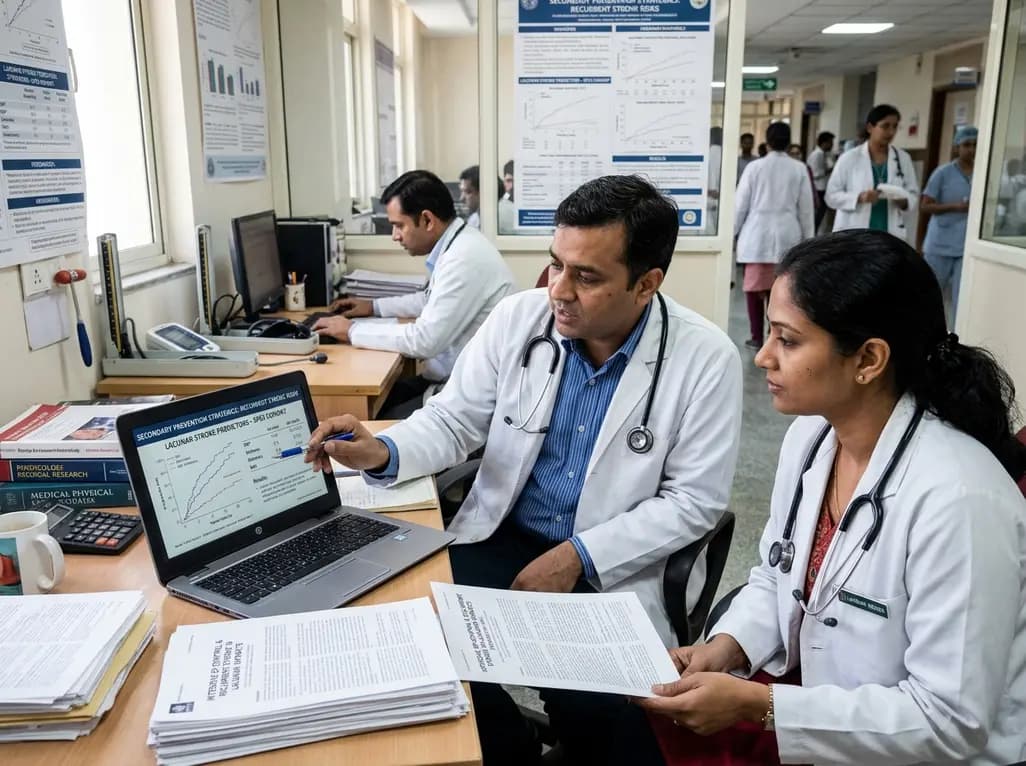
Explore vital recurrent stroke predictors in lacunar stroke patients managed with intensive blood pressure lowering. This analysis examines trial findings from SPS3 to uncover residual vascular risks, metabolic factors, and targeted secondary prevention strategies for high-risk neurological patients.
Today

A comprehensive scoping review synthesises evidence linking prenatal maternal mental health to long-term offspring neurodevelopment, evaluating neuroendocrine, inflammatory, and epigenetic pathways while highlighting clinical screening and future research priorities.
Today

The Directorate General of Health Services directs Indian states to halt the hazardous reuse and reprocessing of single-use medical devices. Discover regulatory implications under the Drugs and Cosmetics Act, critical infection risks, legal liabilities, and operational changes required across clinical specialties.
Today
Mitochondria-targeted nanoparticles self-assembled from EGCG and L-glutamic acid effectively restore mitochondrial homeostasis, suppress synovial inflammation, and attenuate chondrocyte senescence in osteoarthritis, offering a promising disease-modifying nanotherapy.
Today

India is advancing preventive healthcare by integrating genomics, artificial intelligence, and quantum technologies. With the SANGAM programme sequencing one million Indian genomes, clinicians can unlock personalized therapies, detect cardiometabolic risks early, and curb the burden of diabetes and heart disease.
Today
