

Loading, please wait...
Loading, please wait...
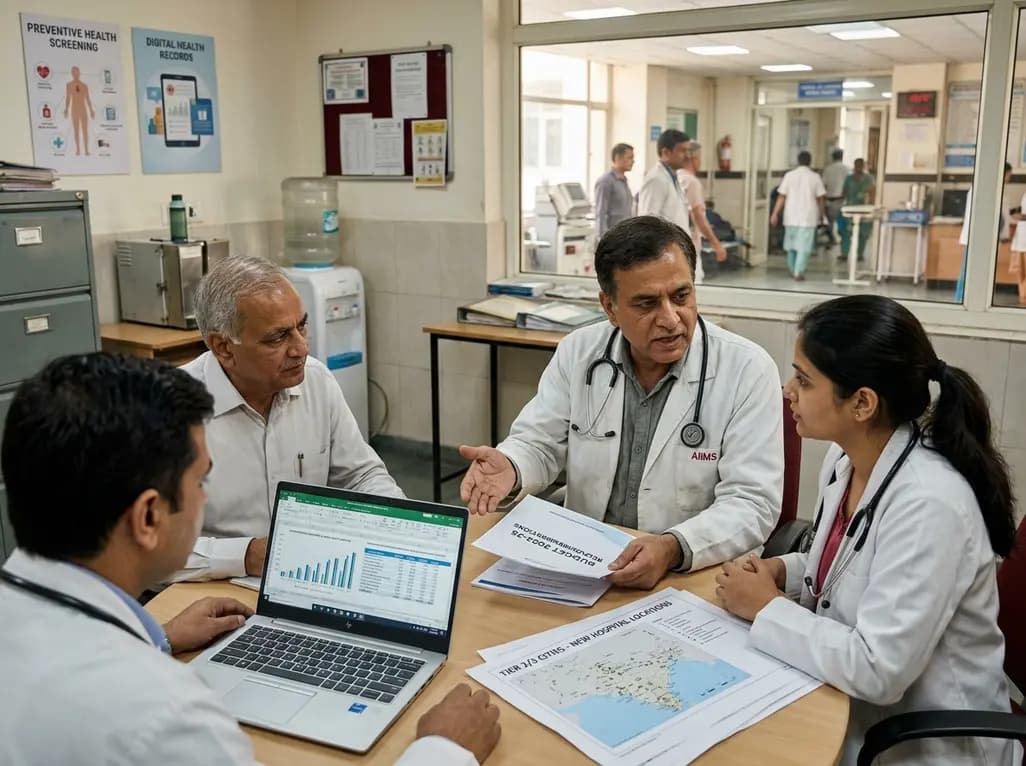
The healthcare ecosystem in India stands at a critical juncture where capacity expansion must align with equitable accessibility. Recently, the apex healthcare federation, NATHEALTH, submitted a comprehensive 12-point charter ahead of the Union Budget. This ambitious agenda proposes a transformative compact between the public sector and private healthcare providers. Specifically, the federation has called for ₹1 lakh crore in dedicated healthcare infrastructure funding to eliminate capital bottlenecks. Therefore, industry leaders advocate for blended finance mechanisms to bridge urban and rural delivery divides. Furthermore, this initiative modernizes healthcare delivery nationwide. It also ensures that high-quality clinical interventions remain affordable for every citizen across the country.
Healthcare delivery in India remains heavily concentrated within metropolitan regions. Consequently, peripheral communities frequently face inadequate infrastructure, severe specialist shortages, and protracted referral journeys. NATHEALTH emphasizes that genuine resilience requires expanding secondary and tertiary treatment hubs into underserved districts. Therefore, the proposed budget roadmap introduces strategic viability-gap funding and long-tenor debt structures. These mechanisms will empower hospital networks to establish well-equipped operational branches in semi-urban belts.
Moreover, the industry body links fiscal support directly to demonstrable delivery benchmarks in remote areas. Private healthcare facilities must commit to rigorous clinical quality, explicit price transparency, and verified patient safety protocols. In addition, institutions must report audited health outcomes to qualify for public financial incentives. Consequently, this balanced approach protects public resources while expanding modern clinical capacity. Healthcare professionals in rural centres will gain access to modern diagnostic suites and emergency stabilization equipment. Furthermore, regional communities will no longer need to travel hundreds of kilometres for routine cancer care. Ultimately, this structural expansion builds a resilient healthcare network that protects vulnerable demographics across neglected geographic zones.
Developing modern hospital infrastructure requires substantial upfront expenditure and involves extended financial gestation periods. Currently, commercial borrowing rates place an immense strain on hospital capital expenditure. To address this barrier, NATHEALTH recommends establishing a dedicated resilience window backed by ₹1 lakh crore in healthcare infrastructure funding. This proposed window combines long-term public loans, credit enhancement, and targeted subsidies to de-risk essential clinical investments.
Consequently, easing the high cost of capital directly influences bedside clinical economics. When facility financing becomes sustainable, providers can reduce patient tariff structures for specialized therapies. Furthermore, this fiscal window encourages private providers to build advanced intensive care units in tier-3 cities. In addition, transparent operational conditions ensure that subsidized facilities adhere to stringent national accreditation standards. As a result, healthcare enterprises will operate with greater financial stability and operational clarity. Therefore, public finance serves as a catalyst rather than a mere subsidy. It draws responsible private capital into areas of urgent national necessity. Ultimately, this funding blueprint ensures that capital savings translate into lower out-of-pocket expenses for everyday patients.
India currently experiences an escalating epidemiologic shift toward non-communicable diseases. In fact, chronic conditions like diabetes, hypertension, and cardiovascular ailments cause nearly sixty-five percent of national mortalities. Nevertheless, diagnostic screening uptake remains strikingly low across both urban and rural demographics. To reverse this concerning trajectory, NATHEALTH proposes raising the annual personal tax deduction for preventive screenings to ₹10,000.
Consequently, this fiscal incentive encourages individuals to pursue routine wellness check-ups before asymptomatic conditions deteriorate. Early diagnosis substantially reduces long-term therapeutic expenditures and avoids severe complications like end-stage renal failure. Furthermore, the federation advocates for a dedicated government-industry mission focused specifically on measurable non-communicable disease outcomes. Under this initiative, funding formulas will reward tangible health improvements rather than raw screening headcounts. In addition, the pre-budget charter recommends designing standardized insurance policies for the missing middle population. Currently, millions of middle-income citizens lack coverage because they exceed state welfare thresholds. Therefore, expanding basic insurance to encompass outpatient consultations and chronic disease pharmacy expenses will curb catastrophic spending.
Modernizing medical workflows requires aggressive adoption of interoperable technological platforms across all provider tiers. Therefore, NATHEALTH urges the Union government to launch time-bound financial incentives for smaller nursing homes. These fiscal measures will accelerate integration into the Ayushman Bharat Digital Mission framework. Consequently, standardized electronic medical records will enable frictionless data sharing and improve cross-specialty clinical consultations.
Simultaneously, addressing severe human resource deficits remains vital for clinical sustainability. The federation proposes designating eligible private hospitals and diagnostic centres as accredited postgraduate medical training facilities. Furthermore, targeted financial incentives must encourage specialists and allied health personnel to practice in emerging secondary cities. When clinicians receive adequate professional backing and modern diagnostic resources in regional centres, retention rates rise noticeably. In addition, expanding national caregiver and paramedic training pipelines strengthens overall institutional resilience. Consequently, primary care physicians can collaborate seamlessly with regional specialty consultants through integrated digital networks. Ultimately, bridging technological and workforce gaps elevates the standard of care across regional diagnostic and surgical facilities.
Strengthening national healthcare self-reliance demands a dynamic ecosystem for indigenous medical technology development. Therefore, NATHEALTH has recommended creating a dedicated ₹5,000 crore HealthTech and MedTech Translational Platform. This substantial fund will support clinical trials, prototype validation, and commercialization of advanced therapeutic hardware. Consequently, domestic medtech manufacturers will gain global regulatory compliance capabilities and reduce reliance on costly imported devices.
Moreover, the proposal earmarks an annual fund of ₹750 crore to promote medical value travel. India already provides exceptional tertiary clinical expertise at a fraction of international healthcare costs. However, maintaining global competitiveness requires unified international patient pathways and institutional quality accreditations. In addition, operationalizing specialized medical travel hubs will streamline medical visas, insurance clearances, and cross-border teleconsultations. As a result, increased foreign patient inflows will generate vital foreign exchange. Furthermore, domestic clinical research will flourish as medtech innovations achieve seamless clinical integration. Ultimately, fostering an innovative medtech framework ensures that high-precision technologies remain accessible and affordable for domestic patients.
Q1: Why is the ₹1 lakh crore healthcare infrastructure funding window essential for India?
India requires rapid clinical capacity expansion beyond metropolitan clusters. However, hospital projects involve extended gestation periods and excessive capital borrowing costs. The ₹1 lakh crore funding window combines long-term debt, credit enhancement, and viability-gap funding to de-risk private healthcare investments. Consequently, this initiative eases provider capital costs, promotes new hospitals in underserved districts, and directly lowers treatment expenses for patients across the country.
Q2: How does NATHEALTH propose to address non-communicable diseases in the budget?
Non-communicable diseases account for approximately sixty-five percent of deaths in India. Therefore, NATHEALTH proposes raising the annual personal tax deduction for preventive health screenings to ₹10,000. In addition, the federation recommends establishing a collaborative prevention mission that ties financial allocations to measurable health outcomes rather than screening volumes. Furthermore, introducing outpatient and chronic-care coverage under standard health insurance will prevent disease progression and reduce catastrophic out-of-pocket spending.
Q3: How will the recommendations strengthen the healthcare workforce in smaller cities?
Healthcare professionals remain heavily concentrated in tier-1 cities, creating acute regional shortages. To resolve this imbalance, NATHEALTH proposes recognizing accredited private hospitals and diagnostic centres as formal medical training facilities. Moreover, the recommendations advocate for targeted financial incentives to attract and retain doctors, nurses, and allied specialists in secondary cities. Consequently, these measures will expand postgraduate clinical training capacity and ensure reliable expert care delivery across emerging semi-urban healthcare centers.
Disclaimer: This content is for informational and educational purposes only. It does not constitute medical advice or replace professional judgment. Refer to the latest local and national guidelines for clinical practice.
References

Read summarized clinical updates, watch expert medical content, and earn CME certifications right from your smartphone.
Open your smartphone camera to scan and install.





NATHEALTH has submitted a 12-point recommendations paper ahead of the Union Budget. The proposal establishes a dedicated financing window to lower capital costs, expand hospital capacity into smaller cities, advance digital health adoption, bolster preventive screening, and expand insurance for the missing middle.
Today
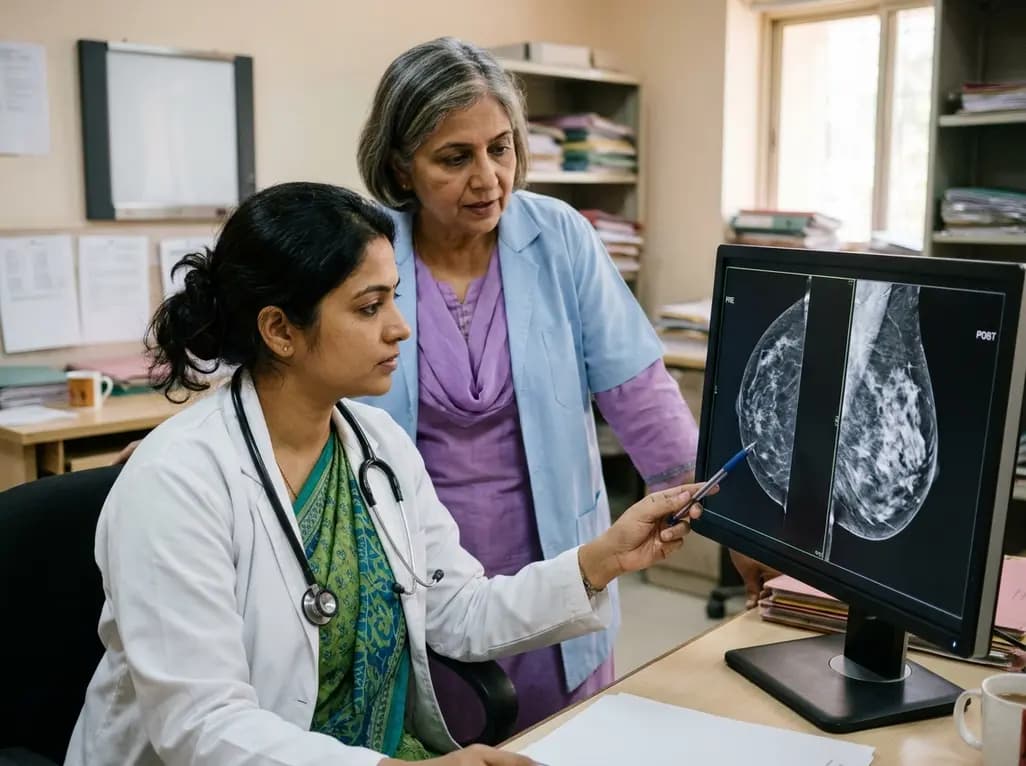
A new study reveals that substantial weight loss from GLP-1 receptor agonists increases mammographic breast density, more than doubling screening recall rates. Learn why relative fibroglandular prominence occurs, the clinical significance for radiologists, and how to guide patients during breast cancer screening.
Today
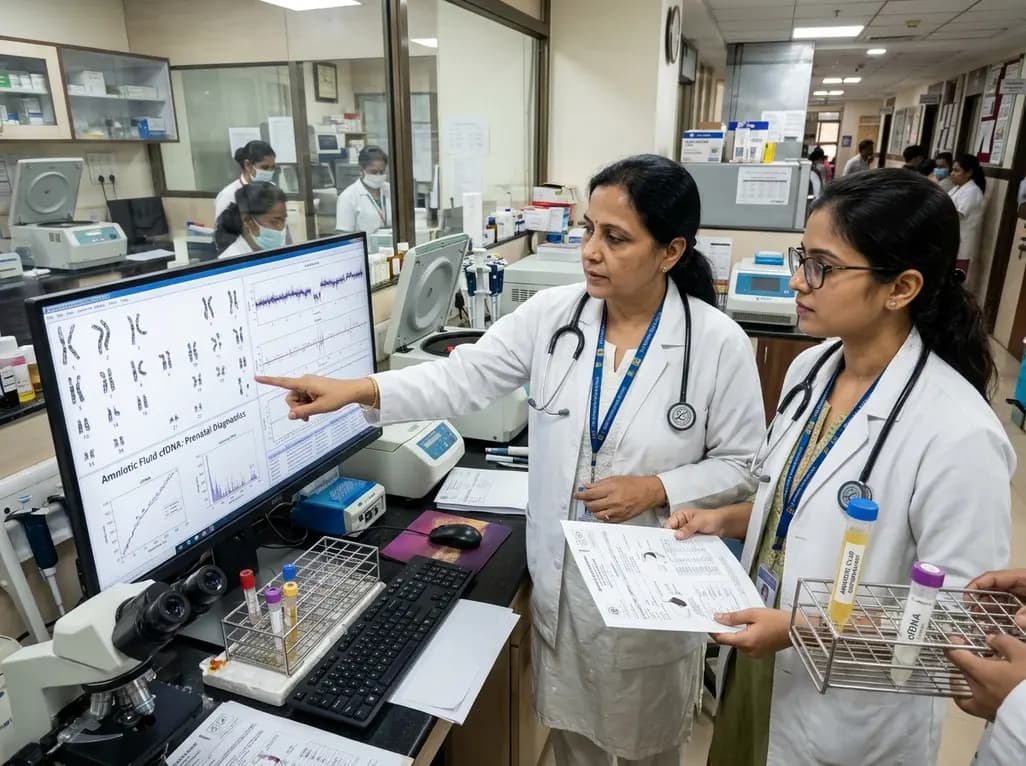
Amniotic fluid cell-free DNA offers a rapid alternative to cultured amniocytes in prenatal testing. With high yield, lack of maternal contamination, and full concordance across microarrays and exome sequencing, it dramatically cuts diagnostic turnaround time.
Today
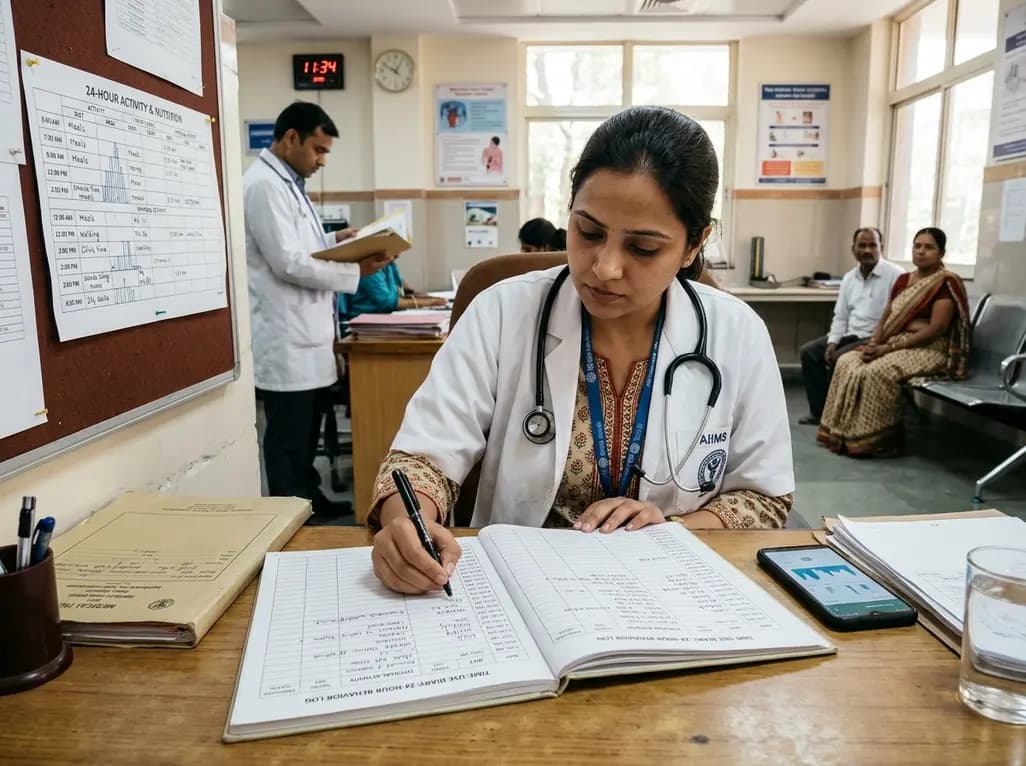
Time-use diary research maps 24-hour physical activity and dietary habits, providing clinicians with vital insights into temporal patterns, time poverty, and lifestyle modifications essential for noncommunicable disease prevention.
Today
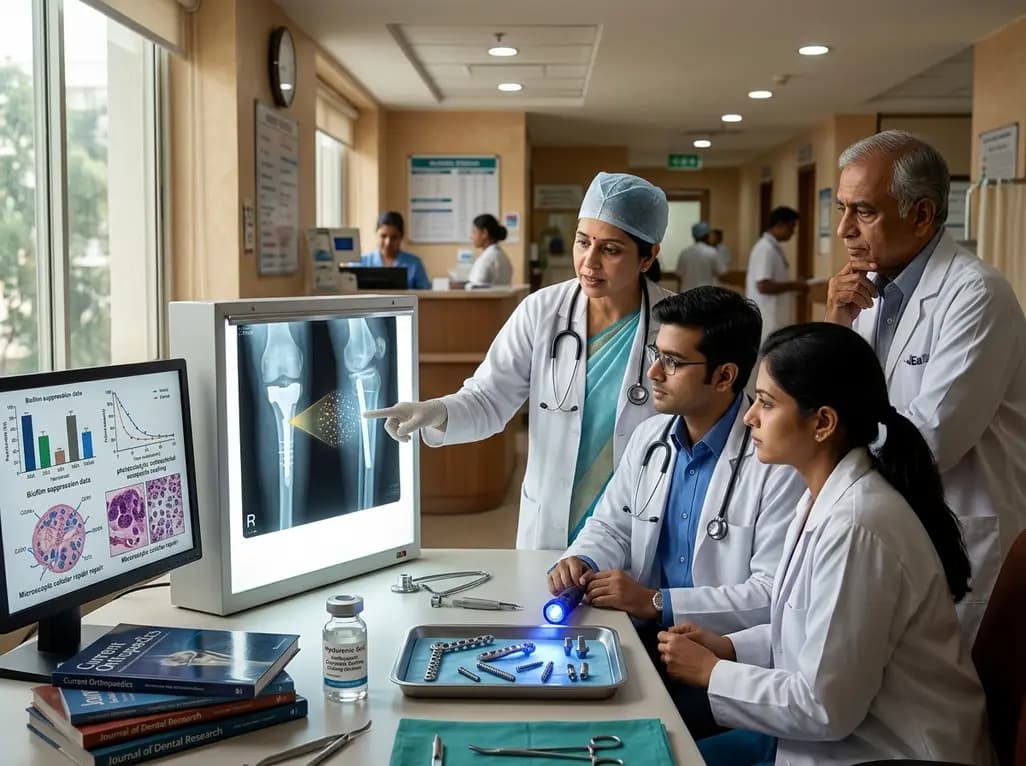
Implant-associated infections present severe challenges in orthopedic and dental surgery. A newly engineered photocatalytic antibacterial composite coating on medical titanium combines passive hyaluronic acid defense with active visible-light reactive oxygen species generation to suppress biofilms and enhance repair.
Today

Investigating the patterns, barriers, and facilitators of sedentary behaviour, physical activity, and nutrition among hybrid employees working from home, with practical recommendations for clinicians managing cardiometabolic and musculoskeletal health.
Today
