.webp&w=384&q=75)

Loading, please wait...
Loading, please wait...

Health insurance lapsation is becoming a critical challenge for the Indian healthcare and insurance sectors. A recent survey by Niva Bupa Health Insurance highlights that 55% of policyholders aged 24 to 34 discontinue their coverage within three years. This trend reveals a significant gap in long-term commitment among early adopters. Consequently, many young adults remain exposed to financial risks despite initial interest in medical protection.
Specifically, 46% of young Indians cite financial constraints as the main reason for letting their coverage expire. Many individuals in this cohort manage multiple financial obligations simultaneously. For instance, 66% of those who lapsed held active loans, including personal and home debts. Therefore, when household budgets tighten, insurance premiums often become the first expense to be cut. Unlike life insurance, health plans require annual renewals with increasing costs as one ages. For insurers, retaining young people is crucial to spread risk and maintain business viability.
Another major factor contributing to policy churn is the perceived value of the product. Approximately 34% of young policyholders discontinued their plans because they felt they and their families were healthy. They often view insurance as a sunk cost rather than an essential safety net. Furthermore, 31% of lapsers expressed a preference for return-generating investment instruments. This mindset suggests that many consumers do not see the utility of a policy without immediate claims. To address this, insurers are exploring ways to make health insurance more \"experienced\" through wellness benefits.
Interestingly, interest in health coverage remains high in tier-3 markets, reaching up to 70%. However, weak distribution networks and a lack of network effects often hinder actual ownership. While digital platforms build initial awareness, most young consumers still prefer talking to a human representative before finalizing a purchase. Moreover, improving last-mile distribution will be essential for better retention in non-metro cities. Addressing dissatisfaction regarding limited disease coverage is also vital, as 17% of lapsers cited this as a reason for exiting.
Q1: Why do most young Indians let their health insurance lapse?
Most young Indians drop their policies due to affordability issues and a perceived lack of value when they do not make active claims.
Q2: What role do loans play in health insurance retention?
Nearly 66% of policyholders who let their plans lapse have active loans, which often forces them to prioritize debt repayment over insurance premiums.
Q3: How does the perception of health impact policy renewal?
Around 34% of young adults discontinue coverage because they believe they are healthy, treating insurance as unnecessary in the absence of immediate medical needs.
Disclaimer: This content is for informational and educational purposes only. It does not constitute medical advice or replace professional judgment. Refer to the latest local and national guidelines for clinical practice.
References

Read summarized clinical updates, watch expert medical content, and earn CME certifications right from your smartphone.
Open your smartphone camera to scan and install.





A Niva Bupa survey reveals that 55% of young Indians let health insurance lapse within three years, primarily due to affordability and a perceived lack of v...
6 months ago

Explore vital recurrent stroke predictors in lacunar stroke patients managed with intensive blood pressure lowering. This analysis examines trial findings from SPS3 to uncover residual vascular risks, metabolic factors, and targeted secondary prevention strategies for high-risk neurological patients.
Today
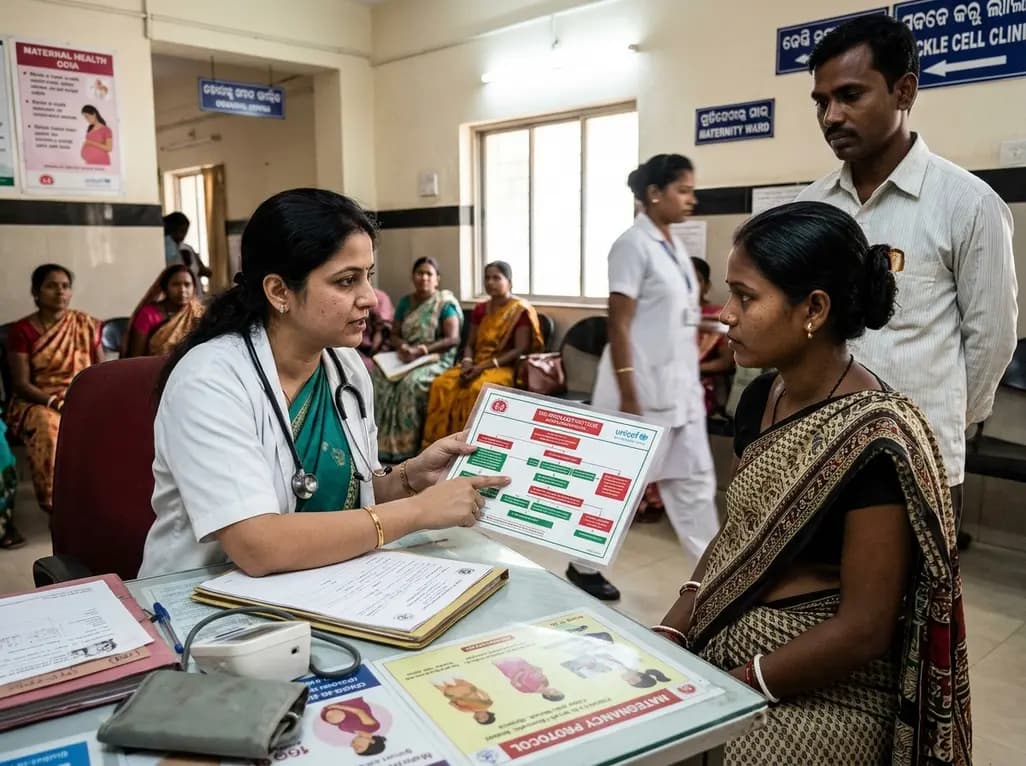
Odisha has established India's first state-level clinical protocol specifically tailored for pregnant women with sickle cell disease. Developed with NHM and UNICEF, the framework provides structured antenatal screening, crisis mitigation, standardized referral pathways, and specialized interdisciplinary care.
Today

India is advancing preventive healthcare by integrating genomics, artificial intelligence, and quantum technologies. With the SANGAM programme sequencing one million Indian genomes, clinicians can unlock personalized therapies, detect cardiometabolic risks early, and curb the burden of diabetes and heart disease.
Today
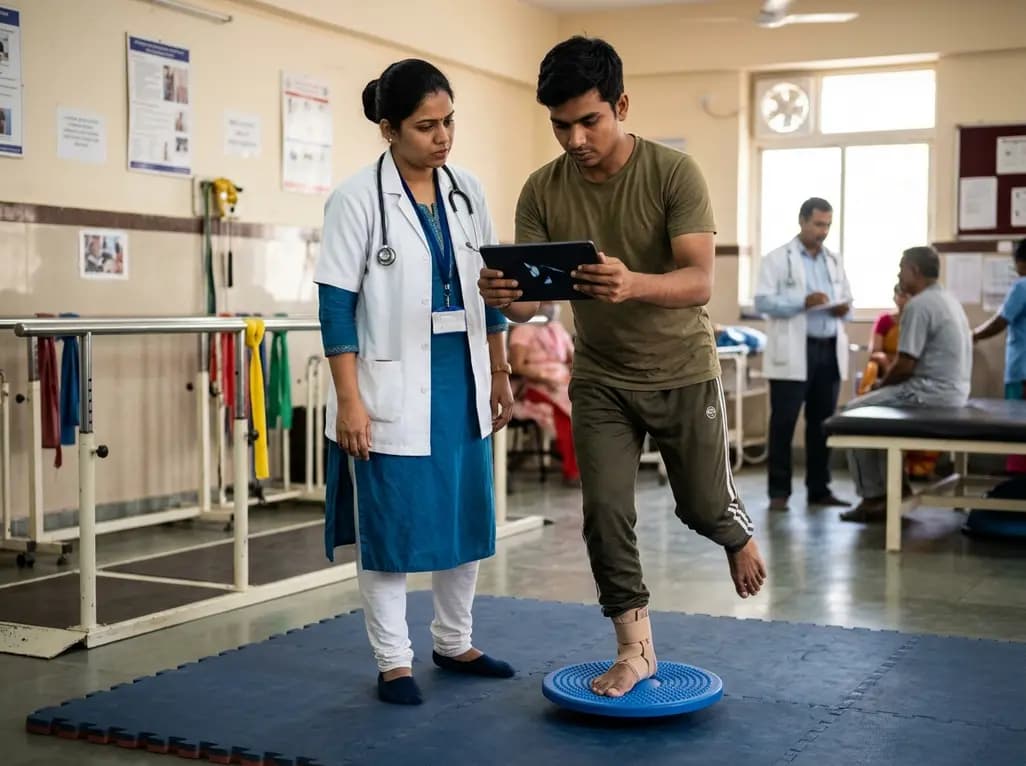
A randomized controlled trial demonstrates that an eight-week dual-task training intervention significantly improves static and dynamic postural control over standard balance exercises in individuals with chronic ankle instability, addressing critical neurocognitive deficits during athletic and daily activities.
Today

A retrospective cohort study of 7,716 ICU patients from the MIMIC-IV database demonstrates that Gradient Boosting Decision Trees significantly outperform traditional SOFA scores in predicting in-hospital mortality among patients with sepsis and diabetes, with SHAP analysis providing clinical interpretability.
Today
