.webp&w=384&q=75)

Loading, please wait...
Loading, please wait...
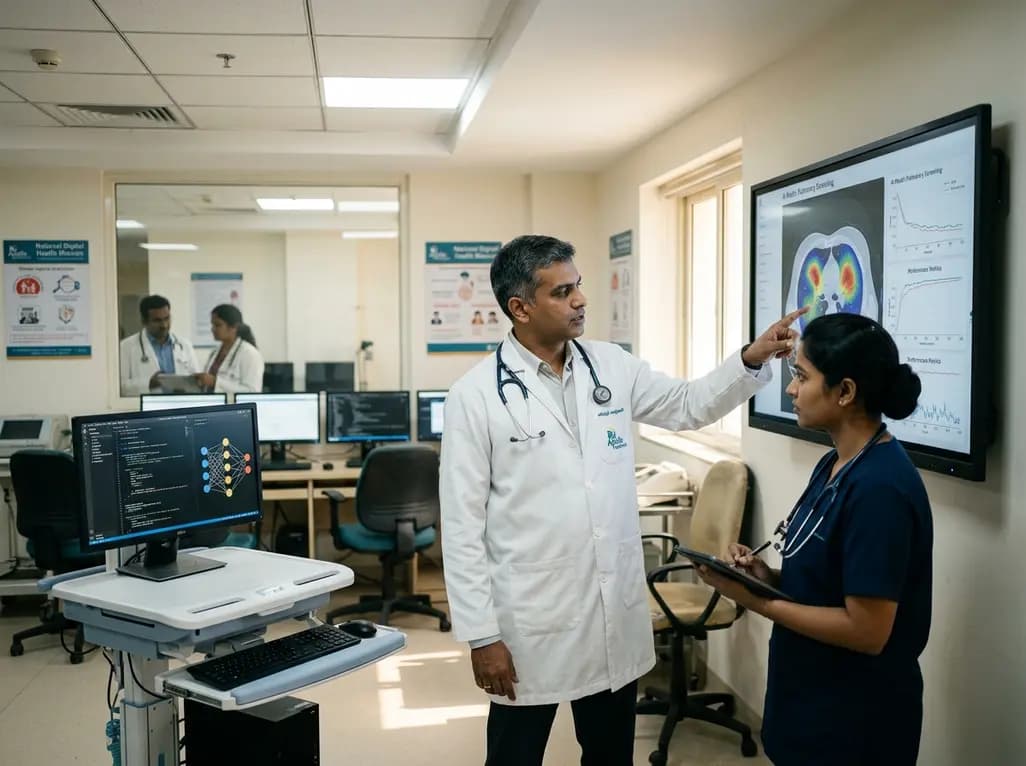
The rapid evolution of health AI in India marks a decisive turning point for modern medicine. Historically, India earned global respect as the pharmacy of the world by supplying affordable generic medicines. Today, however, the country faces an urgent need to tackle rising chronic illnesses and diagnostic disparities. Consequently, healthcare leaders are shifting their strategic focus toward digital intelligence and population-scale clinical tools. By uniting medical expertise with national digital platforms, India can pioneer scalable solutions for global health challenges.
India built its international pharmaceutical standing on chemical process optimization, cost reduction, and manufacturing scale. For example, Indian enterprises successfully provided life-saving antiretroviral therapies to millions of patients globally. In the same way, artificial intelligence presents an identical opportunity for practical medical delivery. Building frontier foundation models from scratch requires immense computational capital and specialized infrastructure. Therefore, clinical developers should focus on adapting high-performing open-weight models to local medical realities. A targeted screening algorithm for pulmonary tuberculosis often creates more clinical value than an uncalibrated general chatbot. Furthermore, localized models address regional disease burdens, diverse demographic profiles, and distinct primary care constraints. As a result, healthcare workers in district hospitals gain reliable decision-support tools that function within existing workflows. This pragmatic strategy allows India to secure true technological sovereignty in clinical artificial intelligence. Ultimately, domestic healthcare institutions can inspect, validate, and adjust these algorithmic systems without external dependence. Consequently, such self-reliance guarantees uninterrupted patient care and data safety across both urban tertiary centers and underserved rural facilities.
Modern healthcare systems frequently falter because interventions occur only after severe symptoms manifest. At this late stage, treatments become substantially more expensive and clinical outcomes deteriorate significantly. Fortunately, intelligent computational algorithms can change this dynamic by anticipating disease trajectories before irreversible damage occurs. For instance, algorithmic evaluation of retinal photographs enables early identification of diabetic retinopathy in community clinics. Similarly, predictive analytics can evaluate longitudinal cardiovascular indicators to stratify patient risk accurately. Thus, clinicians can initiate dietary interventions, lifestyle counseling, or targeted pharmacotherapy long before acute clinical crises develop. Moreover, effective preventive healthcare does not require a single miraculous algorithm to revolutionize clinical practice. Instead, sustainable success relies on thousands of dependable, micro-level diagnostic decisions embedded directly into routine care. Primary care practitioners can easily leverage these assisted assessments during standard outpatient consultations. Additionally, early triage reduces the burden on overcrowded tertiary hospitals and preserves critical intensive care capacity. By realigning clinical workflows around prevention, health systems can enhance patient longevity while curbing avoidable financial expenses.
Digital innovations achieve meaningful public health impact only when developers connect them to functional delivery systems. Fortunately, the deployment of health AI in India benefits directly from extensive digital public infrastructure. The Ayushman Bharat Digital Mission establishes an interconnected framework incorporating digital identities, registry systems, and consent managers. In practice, a diagnostic screening tool offers little clinical value if an at-risk individual cannot obtain follow-up care. Therefore, integrating diagnostic algorithms into national networks guarantees that abnormal findings trigger immediate electronic referrals. Furthermore, teleconsultation platforms bridge geographic divides only when digital prescriptions and medications reach the patient reliably. India's unified architecture unites these disconnected clinical components into an accessible and continuous patient journey. Consequently, health authorities can monitor population-level disease trends while clinicians manage individualized care plans seamlessly. In addition, standardized data protocols allow diverse diagnostic applications to communicate without proprietary software barriers. This technical interoperability eliminates redundant laboratory testing and accelerates critical clinical interventions across different administrative tiers. Ultimately, robust public digital infrastructure transforms isolated software prototypes into impactful, population-level health solutions.
Medical institutions do not need to construct massive foundational language models from the ground up. Instead, researchers can customize increasingly powerful open-weight architectures that already approach frontier diagnostic performance. Just as Indian pharmaceutical manufacturers triumphed by refining drug synthesis processes, medical technologists can optimize open algorithmic baselines. Specifically, engineering teams must adapt these models to comprehend regional languages, local colloquialisms, and diverse patient accents. In addition, developers must align automated outputs with official Indian Council of Medical Research diagnostic algorithms. However, deploying intelligent tools across varied peripheral health facilities requires algorithms that operate smoothly over inconsistent internet connectivity. Lightweight, quantized neural models can execute inference locally on affordable district hardware without latency. Moreover, local execution protects sensitive clinical records by maintaining complete patient confidentiality at the facility level. Clinicians retain full transparency because their technical teams can inspect underlying model parameters and fine-tuning datasets directly. As a result, healthcare administrators avoid expensive commercial vendor lock-in while preserving medical governance standards. This adaptable paradigm accelerates the democratization of specialized clinical expertise across historically underserved healthcare jurisdictions.
Translating digital health concepts into everyday clinical realities demands coordinated multi-stakeholder collaboration across public and private sectors. Academic institutions, medical centers, software developers, and regulatory agencies must form structured alliances to ensure patient safety. First, regulatory bodies should establish secure health-data sandboxes governed by standardized, transparent ethical access rules. Consequently, approved medical innovators can test and validate clinical algorithms without encountering months of bureaucratic delays. Second, public health procurement policies must evolve beyond funding brief exploratory academic pilots. Health ministries should integrate clinically verified tools into regular budgetary allocations linked to the Ayushman Bharat ecosystem. Furthermore, regulatory agencies must enforce rigorous clinical standards evaluating algorithmic accuracy, diagnostic equity, algorithmic drift, and data privacy. For instance, evaluation protocols must ensure screening software performs equally well across varied socioeconomic demographics and skin tones. In this manner, health systems can ensure that only high-quality, reproducible digital applications reach active clinical practice. Ultimately, these structural reforms bridge the historical gap between published conference papers and genuine bedside medical impact. By establishing rigorous governance, India sets a benchmark for inclusive digital health across the Global South.
Q1: Why should India prioritize open-weight models over building frontier foundation models for healthcare?
Developing frontier models requires immense financial capital and computational power that few domestic institutions possess. Conversely, open-weight architectures provide an accessible technical base that Indian developers can inspect and refine. Clinicians can adapt these open models using regional clinical guidelines, local languages, and relevant disease phenotypes. Consequently, this approach delivers cost-effective, sovereign, and contextually accurate diagnostic solutions without relying indefinitely on expensive proprietary technology from overseas commercial entities.
Q2: How does the Ayushman Bharat Digital Mission enhance the real-world utility of clinical AI?
Stand-alone algorithmic tools often fail because they lack direct integration into actual patient referral pathways. The Ayushman Bharat Digital Mission resolves this operational barrier by offering digital identities, registries, and consent-based electronic health record exchanges. Therefore, when an automated screening tool flags an abnormality, the patient receives an immediate diagnostic appointment, electronic prescription, and laboratory referral. This interconnected infrastructure ensures continuous care delivery, preventing high-risk individuals from slipping through fragmented clinical workflows.
Q3: Why is shifting healthcare from acute treatment to prevention economically vital for developing nations?
Treating advanced chronic diseases places an unsustainable economic burden on public healthcare systems and families paying out-of-pocket expenses. In contrast, AI-driven risk stratification identifies physiological anomalies before severe complications manifest. Early clinical intervention enables timely lifestyle modifications, dietary changes, and inexpensive pharmacotherapy. Consequently, public health systems reduce unnecessary emergency room visits and intensive care admissions. This strategic transition preserves national healthcare resources while simultaneously improving overall population health metrics across diverse communities.
Disclaimer: This content is for informational and educational purposes only. It does not constitute medical advice or replace professional judgment. Refer to the latest local and national guidelines for clinical practice.
References

Read summarized clinical updates, watch expert medical content, and earn CME certifications right from your smartphone.
Open your smartphone camera to scan and install.





India is transitioning from being the pharmacy of the world to an emerging global hub for artificial intelligence in health. By leveraging digital public infrastructure, open-weight models, and preventive screening at scale, the nation aims to pioneer accessible, cost-effective digital clinical care.
Today
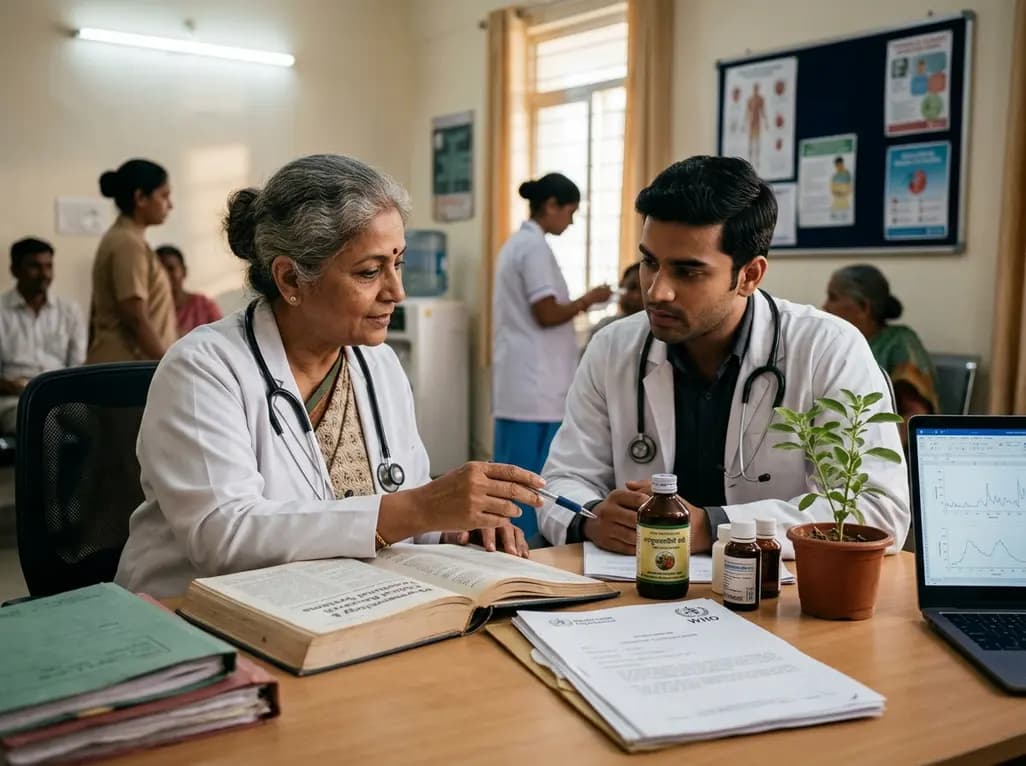
The World Health Organization has launched a 10-year framework to address evidence gaps in traditional, complementary, and integrative medicine. Prioritizing conditions such as stroke, cancer, and depression, this global roadmap highlights rigorous clinical trials, pharmacovigilance, and safer patient care.
Today
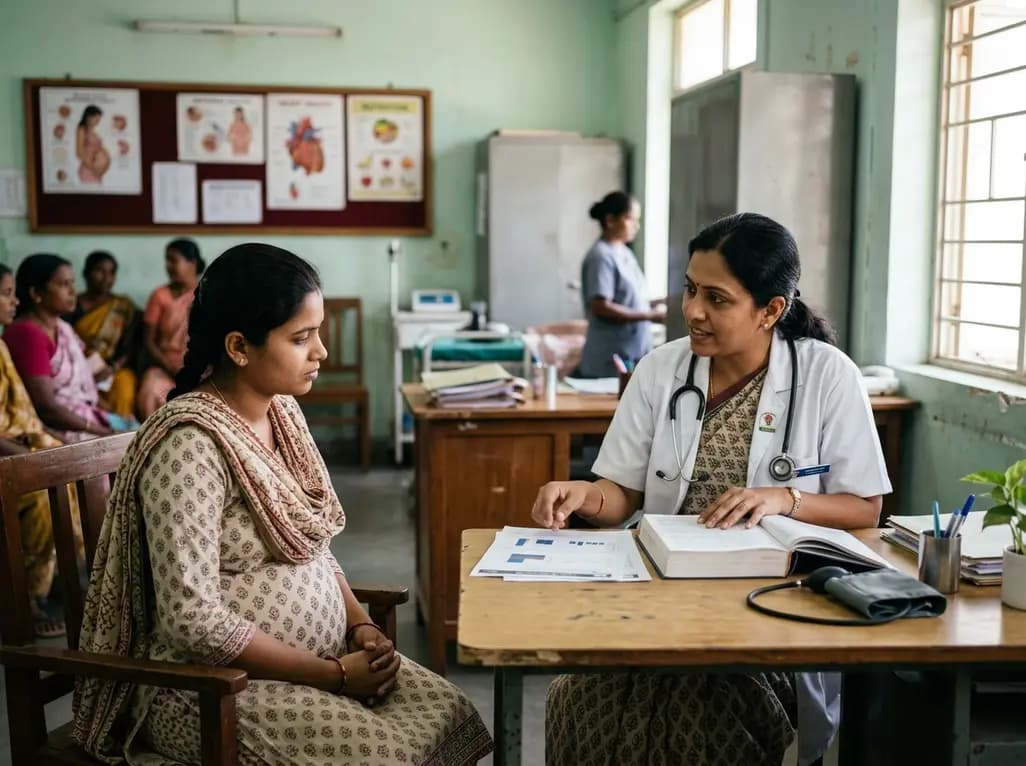
A recent longitudinal study evaluated the link between prenatal loss of control eating and cardiovascular health using Life's Essential 8 frameworks. While direct associations across pregnancy were non-significant, the high prevalence of dysregulated eating highlights critical implications for obstetric practice.
Today

Explore modern perioperative management protocols for clinical xenotransplantation. Learn how costimulation blockade, anti-inflammatory perfusion, and coagulopathy rescue overcome interspecies hurdles.
Today
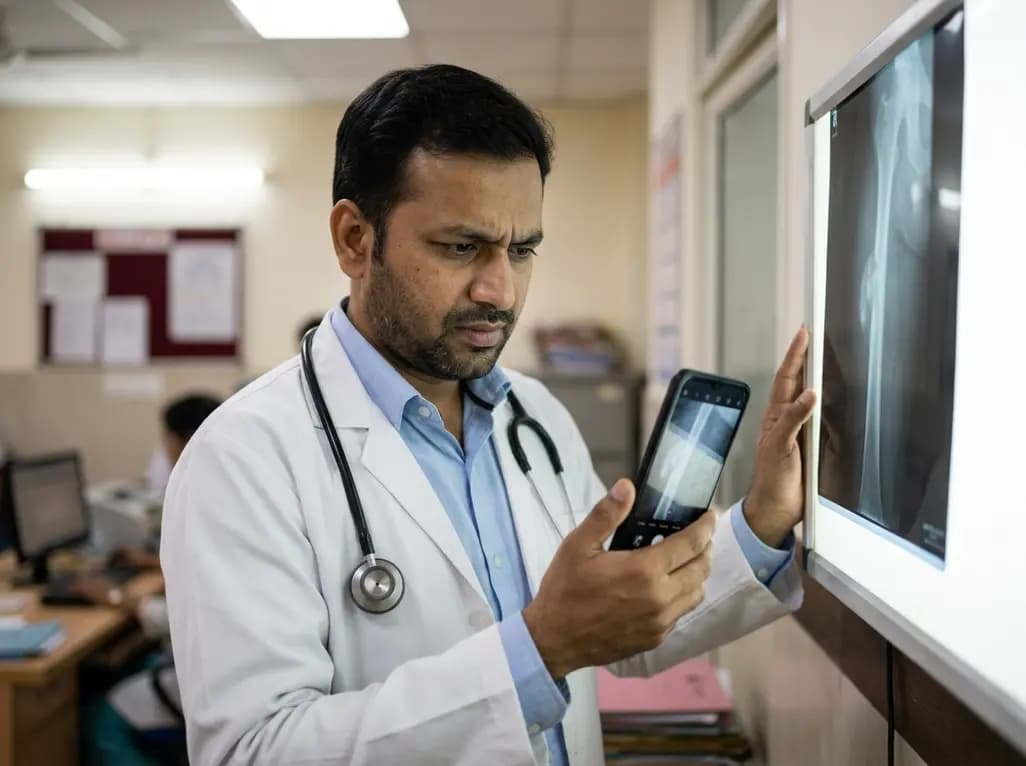
A retrospective study evaluating a locally deployed vision language model (Qwen3-VL) reveals that smartphone-captured radiographs and retrieval-augmented generation can paradoxically reduce diagnostic accuracy in bone tumor referrals due to optical noise and textual hallucinations.
Today
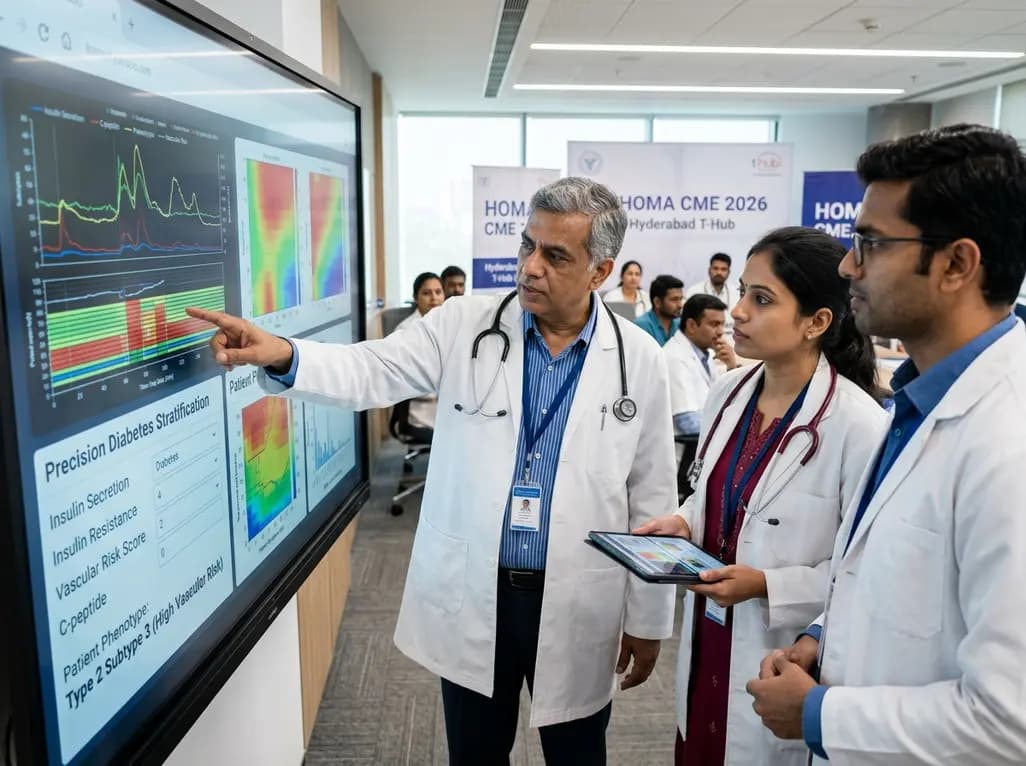
At Homa CME 2026 at Hyderabad's T-Hub, healthcare leaders emphasized moving beyond routine metrics through digital calculators and precision stratification. Discover why characterizing individual insulin secretion, resistance patterns, and vascular risks transforms chronic metabolic care in India.
Today
