.webp&w=384&q=75)

Loading, please wait...
Loading, please wait...
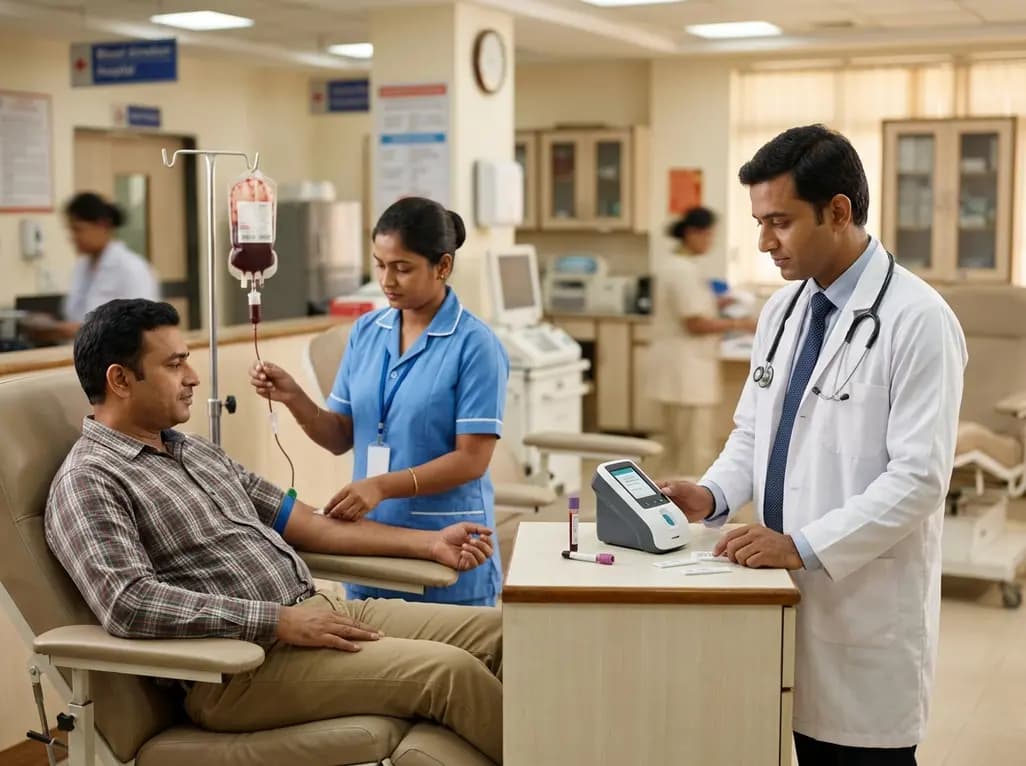
Routine HbA1c screening blood donation programs offer a unique opportunity to address the global diabetes epidemic. Since nearly 50% of the 1 in 10 adults with diabetes remain undiagnosed worldwide, community blood centers can serve as pivotal hubs for public health. A recent prospective study highlights the efficacy of this strategy in identifying asymptomatic individuals before complications arise.
The study performed a 1-year analysis and found that 17.7% of donors had elevated HbA1c levels. More importantly, 64.9% of these results represented entirely new diagnoses, with the vast majority (91.6%) being pre-diabetes. This data suggests that blood donation centers reach a healthy-appearing population that might not otherwise seek screening. Furthermore, the findings showed significant demographic variations, indicating that certain age groups and ethnicities are disproportionately underdiagnosed.
Consequently, incorporating routine testing allows for more targeted outreach to vulnerable populations. The research observed that donors with abnormal HbA1c levels actually donated more frequently than those with normal levels. Therefore, providing health feedback during the donation process could significantly improve donor awareness and long-term health outcomes. Additionally, about 17.8% of donors with new diagnoses acknowledged their status during subsequent visits, proving that notification systems work effectively.
While the feasibility of screening is clear, enhanced follow-up strategies are necessary to ensure donors take appropriate clinical action. In India, where diabetes prevalence is rising rapidly, such strategies could alleviate the burden on the primary healthcare system. Moreover, medical professionals should recognize the potential of blood centers as allies in early chronic disease management. However, experts caution that HbA1c results in the Indian population must be interpreted carefully due to the high prevalence of anemia and red blood cell disorders which can affect test accuracy.
It is highly effective for early detection. Research indicates that nearly 65% of elevated results at these centers represent new diagnoses, primarily identifying individuals in the pre-diabetic stage.
Yes, the study found that donors with abnormal levels donated more frequently. Furthermore, early notification empowers them to acknowledge their status and seek further medical consultation.
Disclaimer: This content is for informational and educational purposes only. It does not constitute professional medical advice, diagnosis, or treatment. Always seek the advice of your physician or other qualified health provider with any questions you may have regarding a medical condition. Refer to the latest local and national guidelines for clinical practice.
References
1. Jamal Y et al. Integrating routine hemoglobin A1c screening in blood donation: A strategy for early diabetes detection and donor health awareness. Transfusion. 2026 Jun 08. doi: 10.1111/trf.70238. PMID: 42253129.
2. Anjana RM, et al. Metabolic non-communicable disease health report of India: The ICMR-INDIAB national cross-sectional study. The Lancet Diabetes & Endocrinology. 2023;11(7):474-489.
3. Misra A, et al. HbA1c test alone may mislead diabetes diagnosis in South Asia: Study. Lancet Regional Health – Southeast Asia. 2026 Feb 10.

Read summarized clinical updates, watch expert medical content, and earn CME certifications right from your smartphone.
Open your smartphone camera to scan and install.





A recent study highlights how routine HbA1c screening in blood donation centers can identify undiagnosed diabetes, offering a unique public health opportuni...
3 months ago
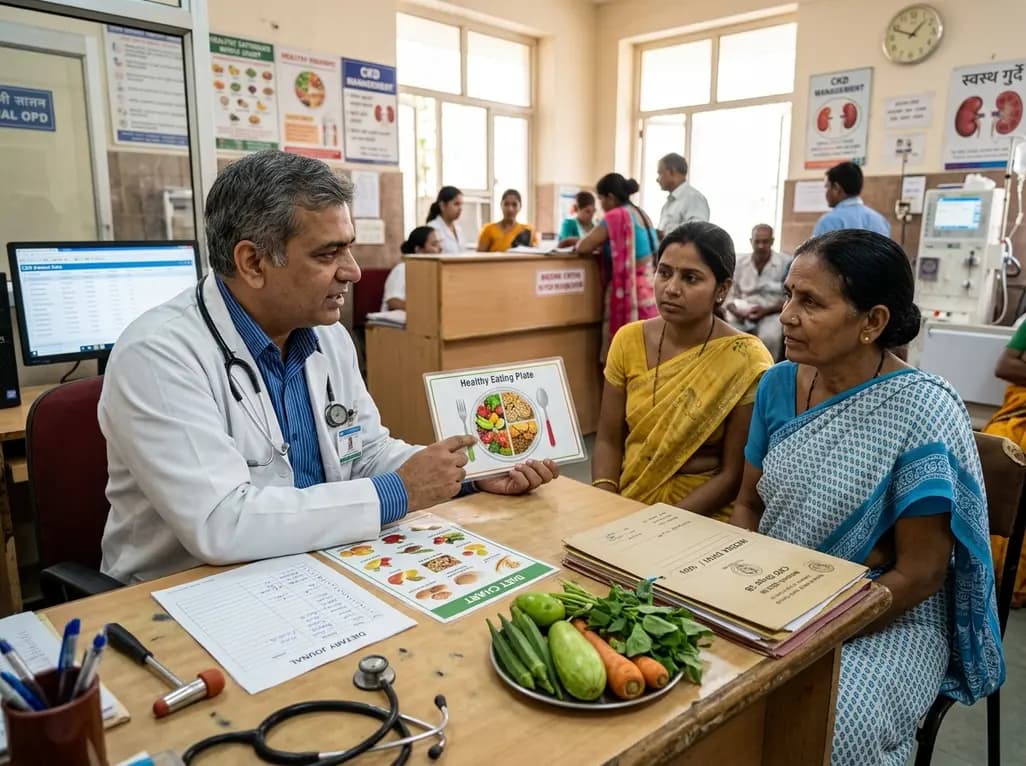
A large NHANES cohort study reveals that higher Healthy Eating Index scores significantly reduce all-cause mortality risk in CKD patients by 45%. This analysis highlights the importance of comprehensive diet quality and medical nutrition therapy in renal care to optimize long-term clinical survival.
Today

Explore real-world data showing how private oncogenetics and molecular tumor boards achieve 3-week consult turnaround, high ctDNA actionability, and vital germline variant detection, enhancing individualized cancer care and familial risk assessment.
Today
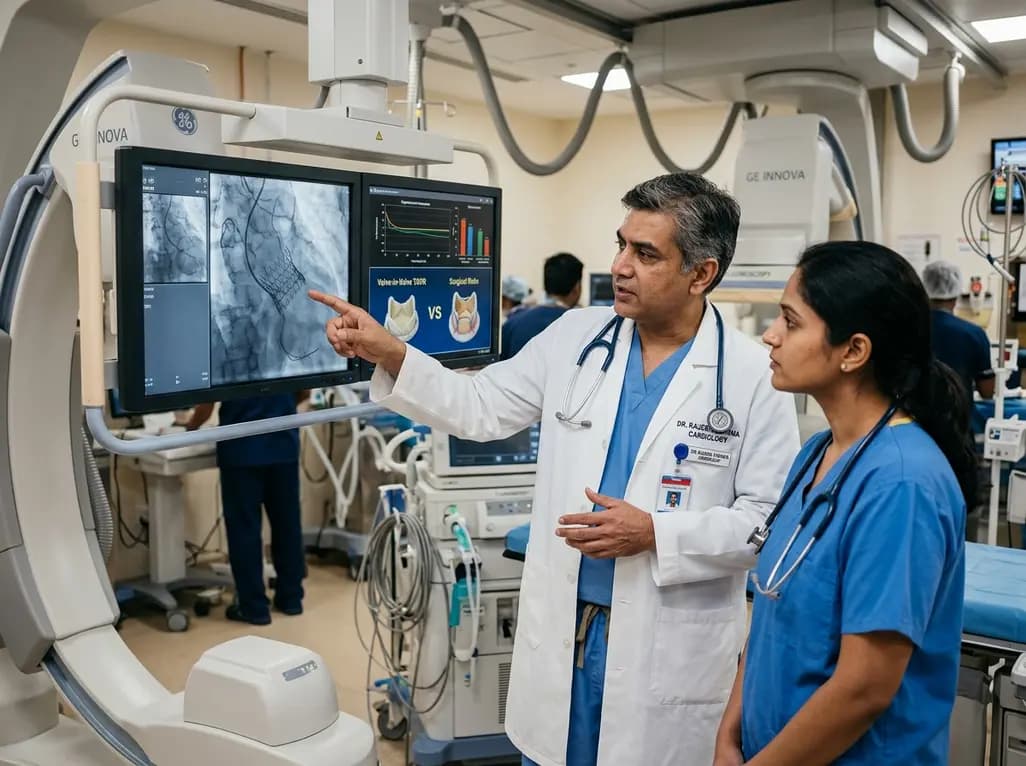
A meta-analysis of 13 propensity score-matched studies shows ViV-TAVR delivers lower early mortality and reduced bleeding compared to redo-SAVR for degenerated bioprosthetic aortic valves, though long-term hemodynamics warrant careful anatomical and patient-centered evaluation.
Today
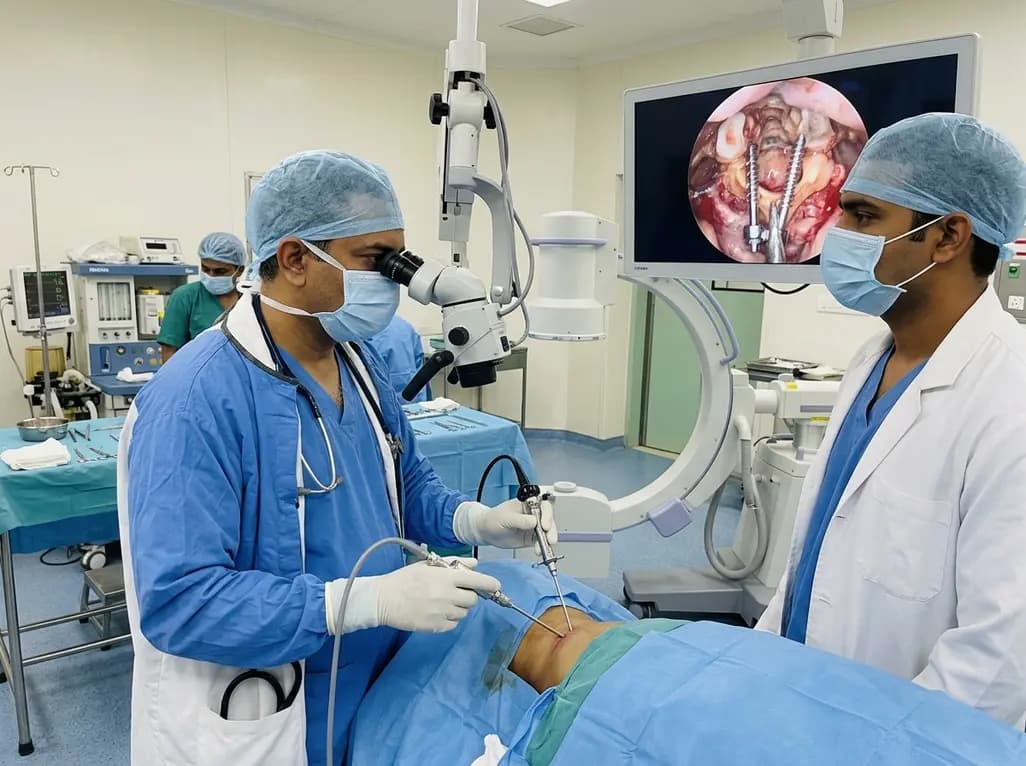
Endoscopic posterior cervical fusion combines minimally invasive decompression, joint preparation, and rigid screw-rod fixation for atlantoaxial pathologies. Early clinical findings demonstrate solid bony union, excellent symptom relief, and minimal soft-tissue morbidity without significant vascular compromise.
Today
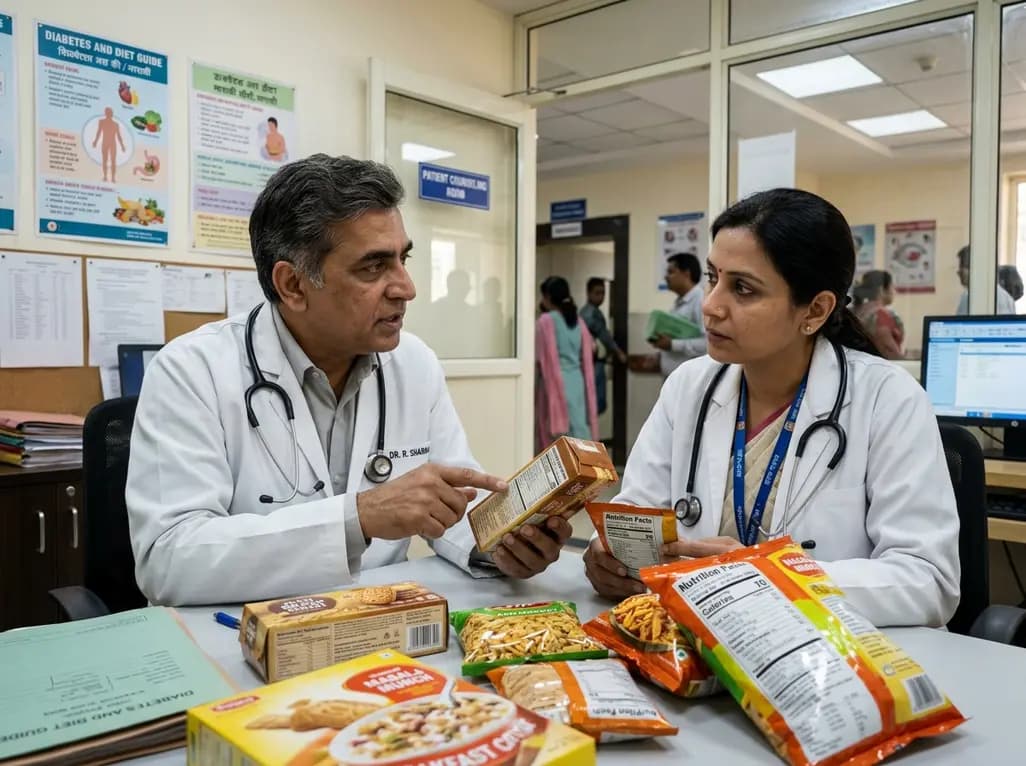
The All-India Food Processors' Association has approached the Supreme Court to oppose FSSAI's proposed per-100g benchmark for front-of-pack warning labels, advocating instead for a per-serving threshold. We explore the regulatory showdown, nutritional evidence, and implications for clinical lifestyle counseling.
Today
