.webp&w=384&q=75)

Loading, please wait...
Loading, please wait...
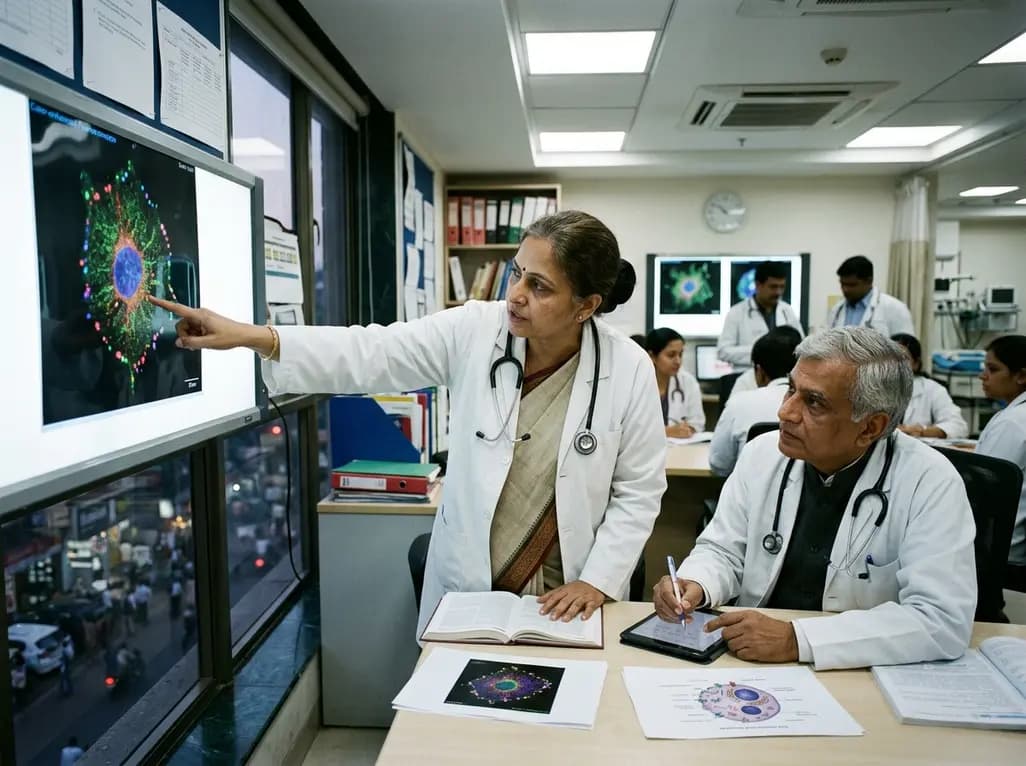
Cancer remains a formidable global health challenge, causing substantial morbidity and mortality despite rapid advances in precision oncology. Standard therapeutic interventions such as surgical resection, systemic chemotherapy, and targeted radiation successfully control localized primary lesions. However, recurrent disease and widespread metastatic dissemination frequently arise, leading to treatment failure and dismal clinical outcomes. Recent molecular insights highlight the critical involvement of the ion transportome in cancer pathophysiology. This transport network coordinates cellular bioelectricity, pH homeostasis, and osmotic volume regulation. Consequently, dysregulated ion flux across malignant cell membranes directly fosters therapeutic resistance and tumor invasiveness. Understanding these biophysical adaptations provides oncologists with novel therapeutic opportunities to tackle recalcitrant solid tumors.
The ion transportome encompasses an intricate collection of transmembrane proteins, including ion channels, solute carriers, and active ATP-dependent pumps. These proteins regulate the controlled movement of sodium, potassium, calcium, chloride, and hydrogen ions across biological membranes. Under physiological conditions, tight homeostatic regulation of these electrolytes governs crucial functions like cell cycle progression, volume preservation, and electrical signaling. In contrast, neoplastic transformation dramatically disrupts this balance. Malignant cells systematically rewire ion transport machinery to accommodate their heightened metabolic and proliferative demands. For example, voltage-gated sodium channels and transient receptor potential channels frequently show aberrant overexpression in carcinomas. Moreover, this continuous ionic flux shifts the resting membrane potential toward a more depolarized state. This sustained membrane depolarization facilitates mitotic signaling cascades and prevents programmed cell death. Therefore, altered ion transport mechanisms are not merely secondary bystanders of malignant transformation. Instead, they act as active drivers of tumor survival, establishing a unique biophysical niche that enables malignant progression even under hostile environmental conditions.
Chemotherapeutic failure and distant metastases represent the most difficult clinical hurdles in modern oncology practice. Dysregulated ion transporters significantly amplify both of these lethal phenotypes. For instance, enhanced calcium influx through store-operated channels continuously stimulates invadopodia formation and matrix metalloproteinase secretion. As a result, tumor cells acquire heightened motile capabilities that accelerate local tissue invasion and vascular intravasation. Furthermore, aberrant proton and sodium extrusion mechanisms fundamentally restructure the extracellular microenvironment. Transporters such as sodium-hydrogen exchanger 1 and voltage-gated proton channels aggressively expel hydronium ions into the stroma. This transport activity establishes a reversed pH gradient characterized by intracellular alkalization and profound extracellular acidosis. Consequently, this acidic microenvironment blunts the uptake and efficacy of weakly basic chemotherapeutic agents, including doxorubicin. Additionally, acidic conditions suppress local cytotoxic T-cell function, shielding malignant cells from host immune surveillance. Therefore, the ion transportome directly fuels multidrug resistance while simultaneously remodeling the stroma to support metastatic colonization.
Targeting these biophysical vulnerabilities does not necessarily require developing entirely new chemical entities from scratch. Instead, drug repurposing presents an immediate, cost-effective avenue for clinical translation in oncology. Clinicians have safely prescribed ion channel modulators for decades to treat cardiovascular arrhythmias, epilepsy, psychiatric conditions, and neuropathic pain. Notably, several established channel blockers exhibit potent antitumor activity in preclinical solid tumor models. For example, local anesthetics and antiarrhythmic agents that inhibit voltage-gated sodium channels markedly suppress cancer cell invasiveness and viability. Similarly, calcium channel blockers can dismantle store-operated entry pathways, thereby sensitizing resistant cells to standard cytotoxic therapies. Potassium channel antagonists also disrupt the bioelectric signaling necessary for sustained cell proliferation. In addition, existing inhibitors of proton-extruding pumps can normalize intratumoral pH gradients, restoring chemotherapeutic sensitivity and reactivating antitumor immunity. Because these pharmacotherapies possess well-documented safety profiles and predictable pharmacokinetics, oncologists can rapidly evaluate them in prospective combination clinical trials to combat refractory disease.
Translating ion transport inhibitors into routine clinical oncology nonetheless presents formidable biological and technical challenges. First, ion transport proteins are widely distributed throughout healthy tissues, particularly in the central nervous system and myocardium. Therefore, non-selective systemic channel blockade carries potential risks of cardiac dysrhythmias or neurotoxicity. Furthermore, ion transport mechanisms are inherently dynamic and exhibit remarkable functional redundancy. When one transport pathway undergoes pharmacological inhibition, compensatory exchangers often upregulate to restore homeostasis. In addition, traditional patch-clamp electrophysiology techniques are technically laborious and ill-suited for high-throughput screening of complex solid tumor tissues. Tumor heterogeneity further complicates target validation, as transporter expression fluctuates across distinct tumor regions and metastatic sites. To overcome these obstacles, researchers must develop innovative spatial profiling platforms and tumor-targeted drug delivery systems. For instance, antibody-drug conjugates and nanoparticle-mediated delivery vectors can selectively direct channel blockers into neoplastic tissue. Consequently, these precision engineering approaches will minimize off-target toxicity while maximizing on-target disruption of tumor bioelectricity.
The burden of advanced solid malignancies continues to rise significantly across Indian healthcare centers, creating an urgent clinical need for affordable and innovative therapeutics. Patients in resource-limited settings frequently present with late-stage, chemoresistant disease that limits the efficacy of standard protocols. Integrating ion transportome modulation into clinical research protocols offers an attractive, pragmatic pathway forward. Because many candidate channel inhibitors exist as inexpensive generic formulations, drug repurposing strategies can dramatically lower the economic cost of novel oncology regimens. Moreover, incorporating biophysical biomarkers into routine diagnostic pathology could stratify patients who are most likely to benefit from ion-targeted adjuvant therapies. Indian academic medical centers and clinical research networks possess the infrastructure to pioneer prospective trials combining repurposed channel blockers with conventional chemotherapy. In addition, ongoing collaborative initiatives between pharmacologists and oncologists will help elucidate population-specific responses to these regimens. Ultimately, embracing this bioelectric approach may enhance progression-free survival, minimize therapeutic resistance, and expand accessible treatment options for individuals confronting advanced malignancies.
The ion transportome drives chemoresistance primarily by altering cellular pH and membrane potential. Acid-extruding transporters like sodium-hydrogen exchangers aggressively pump protons into the extracellular matrix, creating an acidic microenvironment. This altered pH gradient neutralizes weakly basic chemotherapeutic drugs, preventing adequate intracellular accumulation. Additionally, dysregulated calcium and potassium channels suppress apoptotic signaling pathways and activate multidrug efflux pumps. Consequently, these combined biophysical changes shield malignant cells from cytotoxic chemotherapy and foster persistent therapeutic failure.
Yes, several medications approved for cardiac and neurological channelopathies demonstrate promising anticancer properties in preclinical research. For instance, repurposed voltage-gated sodium channel blockers like lidocaine and ranolazine inhibit cancer cell motility and curtail metastasis. Similarly, calcium channel antagonists disrupt intracellular signaling pathways that govern cell proliferation and survival. Because these pharmacological agents have well-established human safety profiles, clinicians can rapidly investigate them as adjuncts to standard therapies in well-designed clinical trials.
The primary clinical safety concern involves off-target systemic toxicity in excitable healthy tissues. Crucial organs like the heart and central nervous system rely heavily on tightly regulated ion channel networks for normal physiology. Consequently, systemic channel inhibition carries potential risks of cardiac dysrhythmias, conduction delays, seizures, or neurocognitive deficits. To mitigate these adverse outcomes, investigators are developing tumor-targeted delivery platforms, such as antibody-drug conjugates, ensuring selective therapeutic accumulation within solid tumors while sparing delicate normal organs.
Disclaimer: This content is for informational and educational purposes only... Refer to the latest local and national guidelines for clinical practice.
References
Capatina AL et al. Harnessing the ion transportome to treat cancer. J Physiol. 2026 Oct 18. doi: 10.1113/JP290738. PMID: 42893449.
Prevarskaya N, Skryma R, Shuba Y. Targeting Ion Channels for Cancer Therapy: From Pathophysiological Mechanisms to Clinical Translation. Cancers (Basel). 2025; 17(19):3120.
Djamgoz MBA, Fraser SP, Brackenbury WJ. In vivo therapeutic potential of ion channel blockers in cancer. Nat Rev Clin Oncol. 2024; 21(5):341-356.

Read summarized clinical updates, watch expert medical content, and earn CME certifications right from your smartphone.
Open your smartphone camera to scan and install.





Therapeutic resistance and metastatic spread remain formidable barriers in oncology. By targeting the dysregulated ion transportome—including aberrant ion channels, pumps, and solute carriers—clinicians may unlock novel therapeutic strategies to sensitise refractory solid tumours.
Today

A scoping review maps conservative physiotherapy resources in lipedema, highlighting complex decongestive therapy, compression garments, and structured exercise. While multimodal therapy alleviates edema and pain, high-quality randomized clinical trials remain necessary to confirm definitive therapeutic efficacy.
Today
A study reveals that the MYLK c.4079G>A, p.(Gly1360Asp) variant is linked to high-penetrance heritable thoracic aortic disease and early-onset aortic dissection, showing a founder effect in Finnish cohorts. Findings emphasize early cascade screening and vigilant surveillance.
Today

A cross-sectional study reveals that reduced upper extremity exercise capacity measured by the 6-minute pegboard and ring test significantly correlates with higher disability in non-specific chronic low back pain, highlighting the necessity of assessing whole-body functional chains in rehabilitation.
Today
An animal model study reveals that gestational exposure to polystyrene microplastics causes persistent intrauterine growth restriction, testicular hypoplasia, Leydig cell depletion, and an atypical low-testosterone, low-LH endocrine profile in male offspring from birth into adulthood.
Today
