.webp&w=384&q=75)

Loading, please wait...
Loading, please wait...

Population ageing is reshaping healthcare priorities across the globe, creating an urgent clinical imperative to evaluate psychological well-being. Consequently, clinical researchers are focusing on happiness in older persons to improve longevity, quality of life, and geriatric care models. A landmark meta-analysis from Wave 1 of the Global Flourishing Study evaluated approximately 200,000 individuals across 22 diverse countries. Ultimately, this international analysis provides valuable insights into how psychological fulfillment, physical stability, and cultural frameworks influence subjective well-being in later life.
The Global Flourishing Study analysed 34,821 adults aged 65 and older alongside 168,017 younger participants across diverse geographic regions. Notably, adults aged 65 and older reported higher overall happiness and life satisfaction than their younger peers. Mean scores reached 7.31 on a 10-point scale for older adults compared to 6.82 for younger individuals. Therefore, older demographics demonstrate remarkable psychological resilience despite facing physiological decline. However, striking cross-national disparities emerged across the 22 surveyed countries. Seniors in Brazil, Mexico, and Sweden reported the highest subjective well-being scores. In stark contrast, older individuals in India, Tanzania, and Turkey recorded the lowest life satisfaction levels. Consequently, these findings challenge assumptions regarding global ageing. Economic prosperity alone does not guarantee emotional flourishing in later life. Instead, cultural dynamics, healthcare safety nets, and community integration govern psychological outcomes. Clinicians must recognize that national context profoundly influences geriatric well-being.
The cross-national meta-analysis identified several distinct predictors that correlate with subjective well-being in older cohorts. Most importantly, a perceived sense of meaning and purpose in life emerged as the single strongest predictor. Older individuals who maintain purposeful goals experience substantial emotional resilience. Furthermore, close social relationships and robust physical health demonstrated profound positive correlations with life satisfaction. Financial stability also provided essential protection against chronic environmental stress. Additionally, freedom from bodily pain showed an exceptionally large positive effect on daily happiness. Chronic musculoskeletal pain frequently erodes emotional reserves and functional independence in older adults. Therefore, optimal pain management represents a direct pathway to psychological flourishing. Interestingly, traditional demographic factors showed far less influence among older demographics. Educational background, employment status, and marital status demonstrated fewer significant correlations in later life. Consequently, geriatric well-being depends on functional, relational, and existential factors rather than socioeconomic labels.
The finding that Indian seniors reported among the lowest happiness levels demands urgent attention from Indian medical practitioners. Rapid urbanisation and shifting family structures have weakened traditional joint family networks across India. Consequently, many older Indian adults experience unprecedented loneliness and social isolation. In addition, the burden of unmanaged non-communicable diseases and degenerative arthritis remains exceptionally high. Financial dependency further magnifies distress, as many seniors lack comprehensive pension coverage. Therefore, Indian clinicians cannot restrict consultations to pharmacotherapy alone. Physicians must proactively evaluate psychological flourishing, family support systems, and functional independence during routine visits. Furthermore, primary healthcare providers should routinely screen for depressive symptoms and unmanaged pain syndromes. Community health teams and family doctors must collaborate to build localized support networks. By bridging clinical therapeutics with psychosocial well-being, healthcare providers can meaningfully uplift older patients across diverse socioeconomic strata.
Because meaning and purpose proved to be the strongest predictor of life satisfaction, clinicians should incorporate purpose-driven assessments into routine care. Geriatric psychiatry literature indicates that life purpose actively buffers against cognitive decline, cardiovascular disease, and systemic inflammation. Therefore, supporting existential well-being constitutes an authentic medical intervention. Physicians can encourage older adults to participate in community service, intergenerational mentorship, or creative hobbies. Similarly, integrating spiritual practices or mindfulness into clinical recommendations benefits older individuals facing functional loss. However, physicians often overlook these existential dimensions during brief clinical encounters. Clinicians should ask targeted questions regarding how patients spend daily time and where they derive fulfillment. In addition, structured cognitive-behavioural interventions and meaning-centered therapies effectively rekindle purpose among isolated seniors. Ultimately, fostering personal meaning empowers older patients to maintain dignity, emotional vitality, and cognitive resilience throughout later life.
Effective management of geriatric well-being demands a multidisciplinary approach that addresses biological pathology and psychosocial distress simultaneously. First, clinicians must prioritize multimodal pain management strategies to eradicate persistent bodily discomfort without excessive sedative side effects. Non-opioid analgesics, targeted physical therapy, and lifestyle modifications often deliver substantial pain relief. Furthermore, healthcare teams should combat social isolation by connecting seniors with local community centers and peer support groups. Clinicians must also collaborate with medical social workers to help vulnerable families access essential healthcare subsidies. Moreover, routine preventive screenings for vision impairment, hearing loss, and mobility limitations prevent avoidable functional decline. Preserving sensory acuity directly safeguards interpersonal communication, which subsequently enhances daily happiness. In conclusion, physicians serve as pivotal advocates for comprehensive healthy ageing. Integrating physical symptom control with purpose-building strategies enables older adults to achieve lasting flourishing.
Older adults frequently demonstrate superior emotional regulation, psychological adaptability, and gratitude compared to younger demographics. Furthermore, older populations often experience less workplace stress, career ambition pressure, and child-rearing burdens. While younger individuals face volatile socio-economic uncertainties and competitive strains, older persons tend to focus on meaningful relationships and immediate life satisfaction. Consequently, mature coping strategies enable seniors to navigate daily hardships with enhanced stability, resulting in consistently higher subjective well-being across many global populations.
Older individuals in India encounter distinct socioeconomic and healthcare hurdles that substantially impair daily life satisfaction. Rapid structural shifts from joint to nuclear families have intensified loneliness and emotional neglect among elders. Additionally, high rates of out-of-pocket medical expenditures, inadequate universal geriatric pensions, and unmanaged chronic degenerative pain severely strain financial and physical independence. Therefore, these compounding socio-cultural deficits and structural healthcare barriers significantly lower flourishing scores among older Indian citizens relative to international cohorts.
Clinicians can support meaning-making by asking purposeful lifestyle questions during regular medical reviews. Specifically, physicians should explore personal hobbies, volunteering aspirations, and spiritual practices that resonate with the individual patient. Furthermore, doctors can connect seniors with local community engagement programs, intergenerational volunteer initiatives, and creative social workshops. When older patients confront severe existential distress or bereavement, timely referral to specialized cognitive-behavioural counselling or structured geriatric support groups effectively restores their sense of direction and personal worth.
Disclaimer: This content is for informational and educational purposes only. It is not intended to substitute for professional medical advice, diagnosis, or treatment. Always seek the advice of your physician or other qualified health provider with any questions you may have regarding a medical condition or treatment options. Never disregard professional medical advice or delay in seeking it because of something you have read here. Refer to the latest local and national guidelines for clinical practice.
References

Read summarized clinical updates, watch expert medical content, and earn CME certifications right from your smartphone.
Open your smartphone camera to scan and install.





A meta-analysis of ~200,000 adults across 22 countries from the Global Flourishing Study shows seniors report higher life satisfaction than younger cohorts. Key drivers include meaning, social ties, and pain relief, though older adults in India report lower scores, underscoring the need for holistic geriatric care.
Today
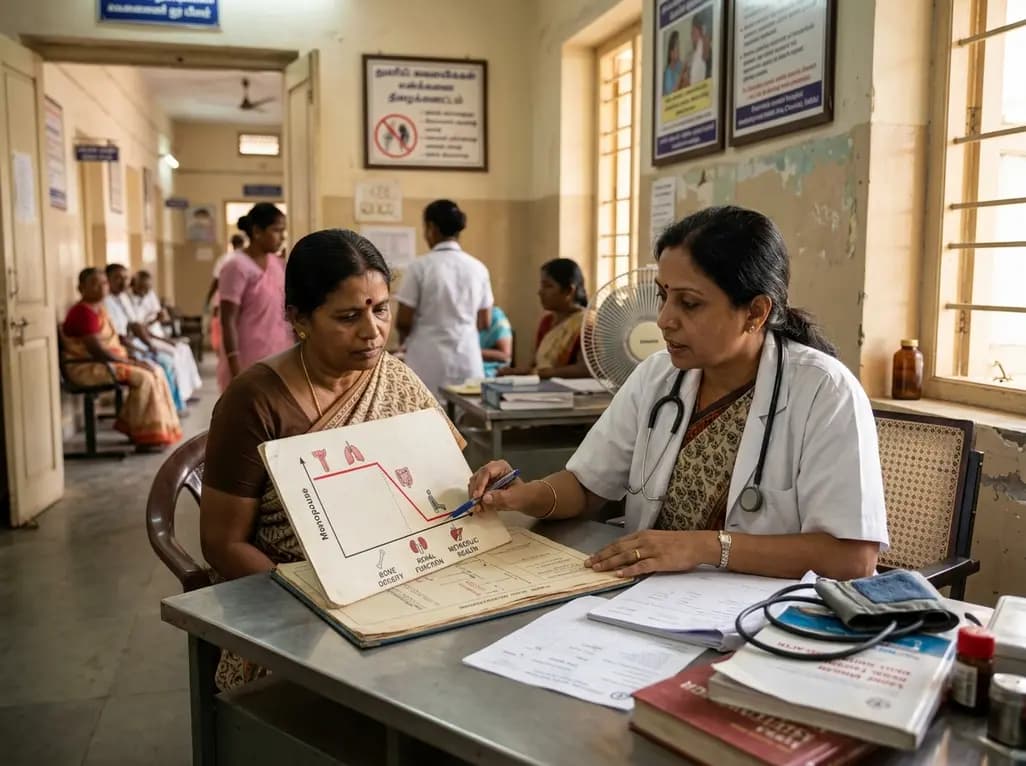
Recent research challenges the traditional view of menopause as a slow transition, demonstrating an abrupt physiological cliff across metabolic, renal, and bone markers. Understanding these rapid multi-organ shifts allows clinicians to optimize early screening, lifestyle guidance, and personalized hormone therapy.
Today
A comparative analysis of labor induction with vaginal misoprostol in individuals with and without severe obesity, highlighting pharmacokinetic differences, labor duration, dosing, and intrapartum safety.
Today
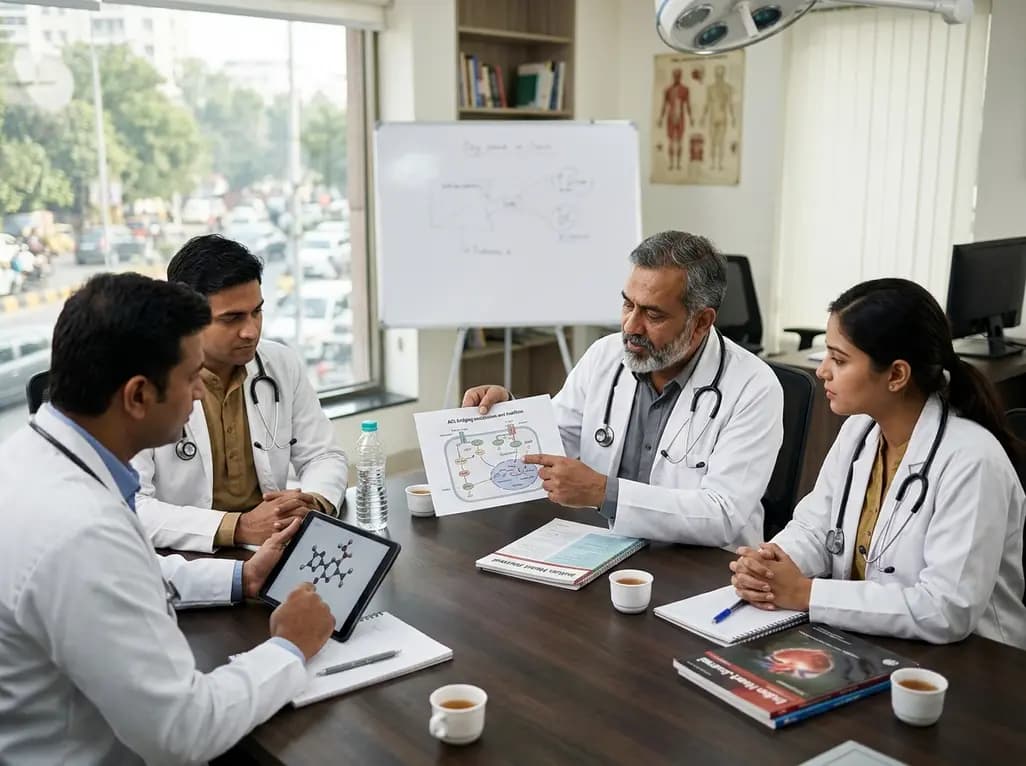
ATP-citrate lyase (ACLY) bridges energy metabolism and epigenetic regulation by generating acetyl-CoA. This review explores ACLY biology, its disease relevance across cardiometabolic disorders and oncology, and current clinical developments surrounding ACLY inhibitors like bempedoic acid.
Today
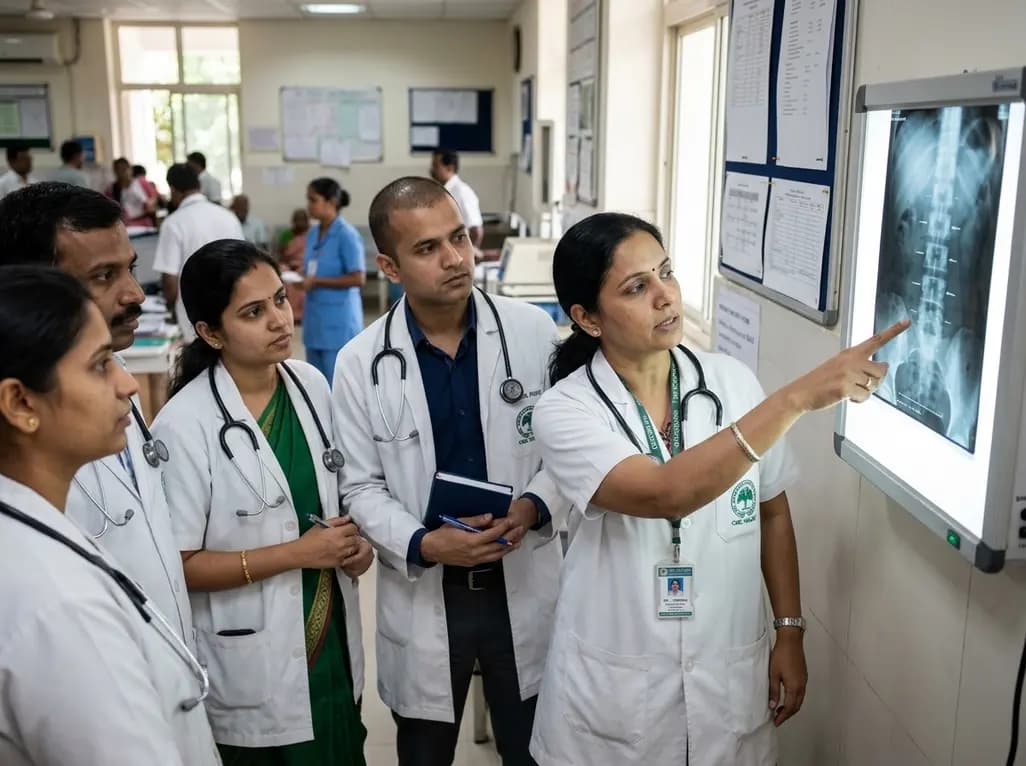
A comprehensive umbrella review of 22 meta-analyses and 286,584 adults reveals that calcium supplementation modestly increases bone mineral density and reduces vertebral fractures, but does not decrease hip or wrist fracture risks.
Today

A multimodal AI model integrating ultrasound deep learning, CT perivascular adipose tissue radiomics, and clinical risk factors accurately predicts central lymph node metastasis in papillary thyroid carcinoma, providing clinicians with a non-invasive tool to optimize pre-operative surgical decisions.
Today
