.webp&w=384&q=75)

Loading, please wait...
Loading, please wait...

Managing chronic pain remains one of the most frustrating challenges in modern clinical practice. Traditional outpatient consultations often constrain clinicians to brief encounters, which fail to address deep psychosocial distress. Fortunately, innovative shared care models offer an effective alternative. Implementing integrative group medical visits allows primary care teams to blend medical management with peer connection. Consequently, this model transforms solitary suffering into a collective healing experience. By addressing social determinants and emotional distress simultaneously, clinicians can dramatically enhance patient outcomes and improve long-term adherence.
For decades, primary care physicians have treated chronic pain primarily as a biomedical lesion. However, persistent pain functions as a complex biopsychosocial phenomenon that isolates patients and breeds despair. In conventional care, doctors rarely possess sufficient time to explore the emotional fallout of persistent physical dysfunction. In contrast, group medical visits deliver clinical care in an expansive, supportive format. During these structured multi-hour sessions, patients gather to receive clinical evaluations, pain physiology education, and mind-body instruction.
Furthermore, this collaborative framework fundamentally alters the therapeutic dynamic between provider and patient. Instead of feeling rushed through an assembly-line appointment, patients discover that their clinical team truly listens to their lived experience. In addition, facilitators guide constructive peer conversations, which help dismantle feelings of abandonment. Because participants meet regularly over twelve weeks, they build sustained therapeutic alliances with clinicians and fellow attendees. As a result, patients move beyond passive reliance on pharmacotherapy. Instead, they begin actively exploring non-pharmacological self-management techniques. Ultimately, this structural shift addresses the systemic gaps of primary care by embedding clinical oversight within an empowering community framework.
Living with unremitting discomfort frequently generates profound social isolation and demoralizing stigma. Consequently, many individuals withdraw from family life and conceal their distress to avoid being perceived as complainers. Group medical visits directly counteract this damaging alienation by establishing a safe, nonjudgmental environment. Within these sessions, peer facilitators actively welcome late arrivals and validate absences without punitive shaming. Therefore, participants experience a rare atmosphere of psychological safety where vulnerability is respected rather than judged.
Moreover, sharing personal grief allows patients to unburden themselves of long-held emotional trauma. When individuals witness their peers verbalizing similar daily battles, their deep-seated shame begins to dissipate. Similarly, acknowledging collective suffering fosters an immediate sense of belonging and mutual validation. Facilitators strengthen this bond by encouraging participants to listen actively and express unconditional empathy. As a result, attendees realize that they are not fighting their physical limitations alone. This emotional solidarity reinforces personal resilience and diminishes the depressive symptoms commonly associated with chronic conditions. Over time, emotional support transforms a clinical meeting into an essential sanctuary for genuine therapeutic healing and human connection.
Persistent pain often triggers severe cognitive distortions, catastrophic thinking, and harsh self-blame. Specifically, patients routinely criticize themselves for failing to meet family obligations or professional benchmarks. Within shared medical appointments, appraisal support serves as a powerful antidote to this destructive self-criticism. When peers and facilitators openly discuss their personal setbacks, they normalize the everyday fluctuations of living with painful conditions. Consequently, patients learn to interpret flare-ups as manageable temporary phases rather than personal moral failures.
Furthermore, structured appraisal support encourages participants to re-evaluate their health narratives through a lens of self-compassion. Instead of measuring worth through prior physical capacity, individuals learn to celebrate incremental functional achievements. For instance, facilitators offer constructive feedback that reframes resting as a necessary biological strategy rather than laziness. In addition, fellow participants provide genuine affirmations whenever a peer attempts a gentle movement exercise or adopts a mindfulness habit. As a result, patients gradually abandon unrealistic expectations and quiet their inner critic. This cognitive reframing reduces sympathetic nervous system hyperarousal, which directly mitigates central pain amplification and enhances overall emotional equilibrium.
Beyond psychological comfort, collaborative care provides essential practical benefits through informational and instrumental support. Informational support combines evidence-based health education with practical, real-world peer wisdom. While clinical experts deliver accurate guidance on pain neurophysiology and sleep hygiene, participants trade practical self-care tips. For example, experienced peers frequently recommend targeted home remedies, such as rolling frozen water bottles under the feet for plantar fasciitis. Because this advice comes from lived experience, patients often embrace peer suggestions far more readily than clinical lectures.
Simultaneously, the program mobilizes instrumental support to resolve concrete socioeconomic barriers. Many participants face formidable social determinants of health, including food insecurity, unstable housing, and transportation shortages. During group sessions, attendees frequently share food, coordinate shared rides, and exchange community resource lists. In addition, primary care and behavioral health facilitators promptly arrange direct referrals for specialized mental health counseling and social welfare services. Thus, the clinical team actively bridges gaps that typical fifteen-minute office visits ignore. By providing both actionable knowledge and tangible assistance, this model addresses the comprehensive needs of underserved populations facing severe distress.
Adopting group medical visits represents an innovative solution for overburdened primary care systems worldwide. In resource-limited clinics, physicians frequently struggle under massive patient volumes, leading to provider burnout and superficial therapeutic encounters. In contrast, convening eight to twelve patients for a single two-hour shared appointment maximizes clinical efficiency. Clinicians deliver comprehensive chronic disease management while empowering patients to become proactive co-managers of their health. Furthermore, interprofessional facilitation involving family physicians, behavioral counselors, and movement specialists creates a truly holistic care delivery team.
Additionally, this collaborative model advances healthcare equity among socioeconomically disadvantaged communities. Historically, underserved populations encounter severe obstacles when attempting to access specialized integrative therapies like mindfulness training or gentle therapeutic movement. By embedding these modalities directly into standard primary care coverage, shared appointments democratize access to multimodal pain therapies. Moreover, the strong therapeutic alliances forged in these groups improve long-term clinic retention and treatment adherence. Therefore, primary care administrators should prioritize the infrastructure and reimbursement pathways required to sustain shared appointments. Ultimately, embracing this biopsychosocial approach transforms chronic pain care from a fragmented struggle into a sustainable healing partnership.
Group medical visits enhance chronic pain outcomes by simultaneously addressing physical, psychological, and social factors. Clinicians deliver evidence-based pain neuroscience education alongside medical evaluations, while peers share practical coping mechanisms. Furthermore, regular group interaction counters isolation, relieves clinical depression, and reduces pain-related stigma. Consequently, patients experience lower central nervous system sensitization, improved functional mobility, and higher self-efficacy. This multimodal approach empowers individuals to manage persistent symptoms far more effectively than isolated pharmacotherapy alone.
Successful group medical visits typically utilize an interprofessional co-facilitation model to ensure comprehensive care delivery. A primary care physician or advanced practice clinician manages medical assessments, medication adjustments, and clinical documentation. Simultaneously, a licensed behavioral health provider or clinical psychologist guides emotional discussions and cognitive restructuring. Additionally, certified movement instructors or mindfulness practitioners introduce gentle exercises and breathing techniques. This collaborative multidisciplinary team creates a cohesive, supportive environment that addresses the complex biopsychosocial needs of patients.
Yes, primary care clinics can successfully implement shared medical appointments by utilizing existing clinical spaces and staff creatively. Healthcare facilities can convert standard conference rooms or waiting areas into group meeting spaces during off-peak hours. Furthermore, clinicians can partner with community health workers or trained peer leaders to assist with administrative coordination and patient engagement. Because group appointments consolidate multiple individual consultations into one structured block, they maximize provider productivity while significantly improving patient satisfaction.
Disclaimer: This content is for informational and educational purposes only and does not constitute medical advice, diagnosis, or treatment. Healthcare professionals should exercise their independent clinical judgment when managing individual patients. Refer to the latest local and national guidelines for clinical practice.
References

Read summarized clinical updates, watch expert medical content, and earn CME certifications right from your smartphone.
Open your smartphone camera to scan and install.





A qualitative clinical trial shows how integrative group medical visits deliver four essential types of social support—emotional, appraisal, informational, and instrumental—to reduce isolation, alleviate stigma, and optimize biopsychosocial chronic pain management in primary care.
Today
A study verifies the quantitative risk assessment model using EC1.6 values from LLNA: BrdU-ELISA to predict skin sensitization from medical devices. Comparing FreeStyle Libre and Libre 2, researchers confirmed how reducing isobornyl acrylate below acceptable levels prevents allergic contact dermatitis.
Today
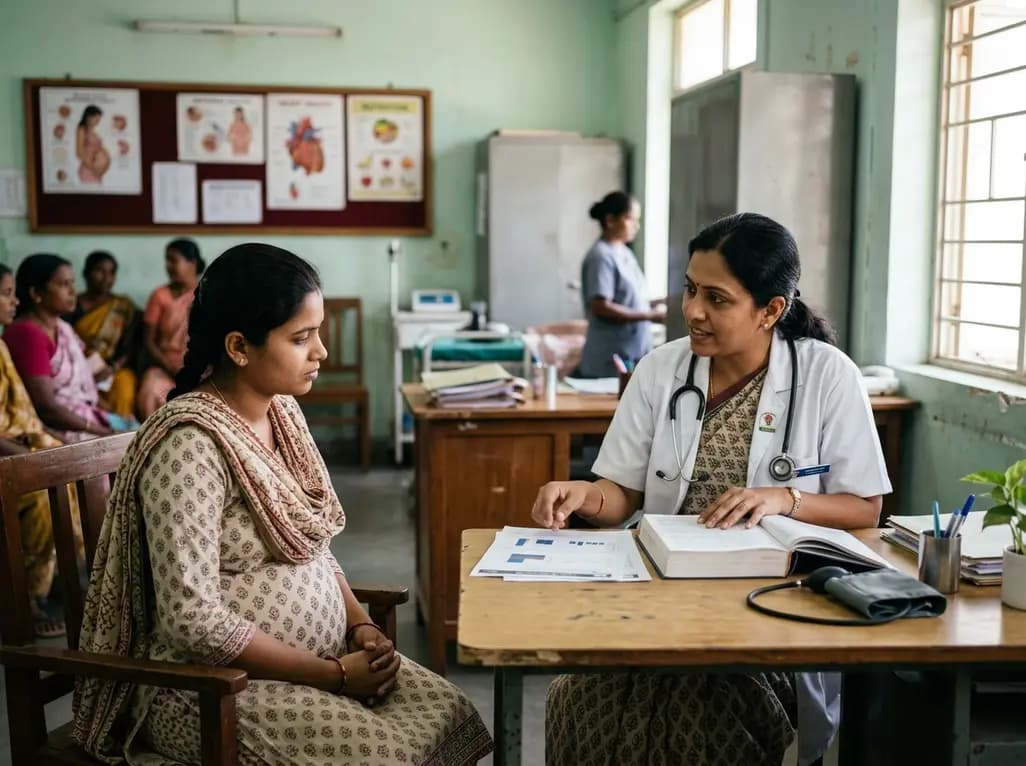
A recent longitudinal study evaluated the link between prenatal loss of control eating and cardiovascular health using Life's Essential 8 frameworks. While direct associations across pregnancy were non-significant, the high prevalence of dysregulated eating highlights critical implications for obstetric practice.
Today
Explore modern perioperative management protocols for clinical xenotransplantation. Learn how costimulation blockade, anti-inflammatory perfusion, and coagulopathy rescue overcome interspecies hurdles.
Today
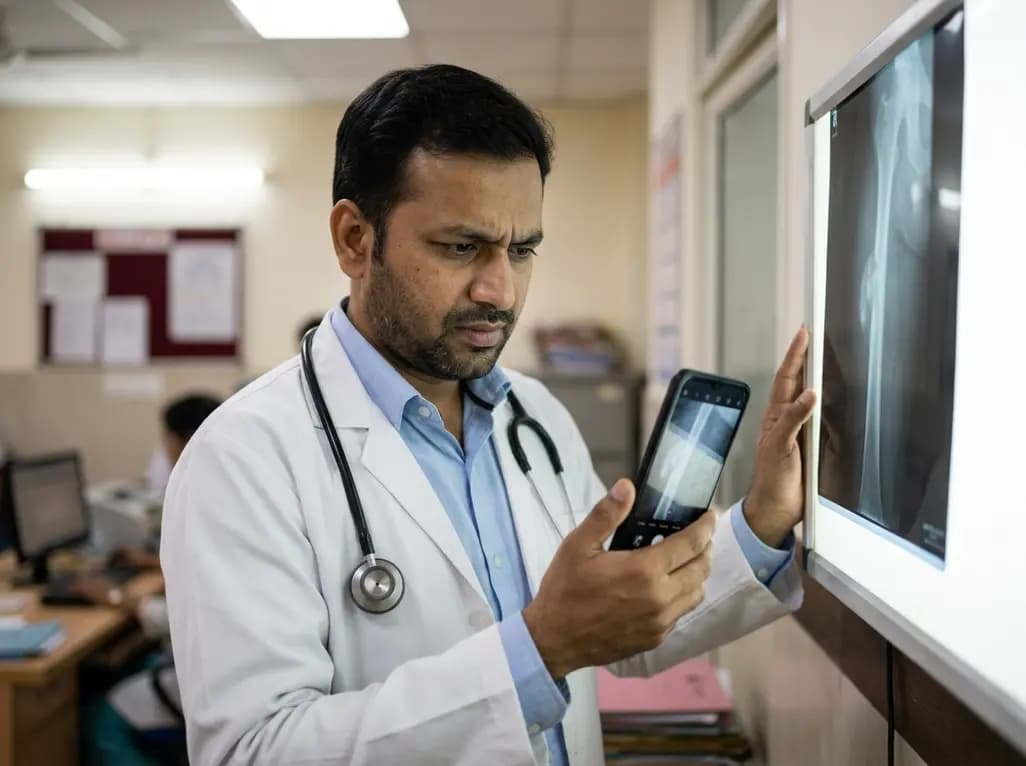
A retrospective study evaluating a locally deployed vision language model (Qwen3-VL) reveals that smartphone-captured radiographs and retrieval-augmented generation can paradoxically reduce diagnostic accuracy in bone tumor referrals due to optical noise and textual hallucinations.
Today
A real-world quasi-experimental study reveals that web-based apps fostering healthy habit formation significantly boost physical activity and dietary quality in adults. Discover key clinical insights on digital adherence, dose-response effects, and patient-specific modifiers in preventive medicine.
Today
