.webp&w=384&q=75)

Loading, please wait...
Loading, please wait...
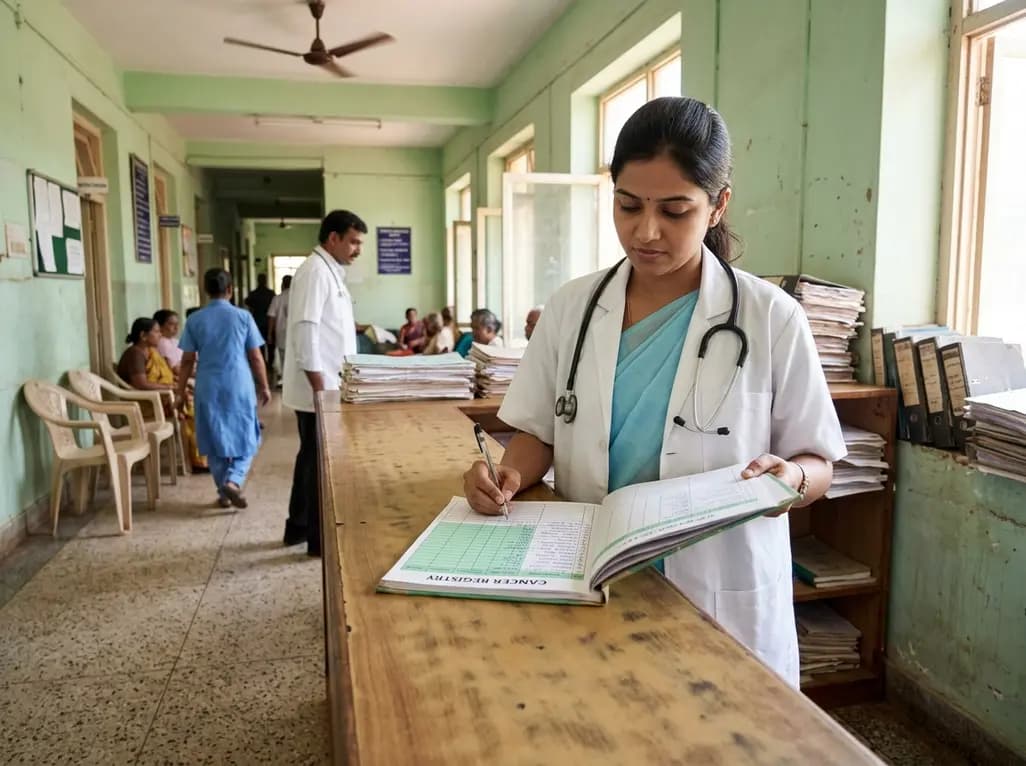
The Government of Goa has officially declared cancer a notifiable condition across the entire state. This landmark public health policy mandates that every healthcare institution and diagnostic facility report freshly diagnosed malignancies to state authorities without delay. Consequently, this regulatory shift transforms cancer surveillance in Goa into a legally enforceable, systematic public health mechanism. Clinicians, pathologists, radiologists, and hospital administrators must now align their routine workflows with statutory notification protocols. Furthermore, universal reporting enables state epidemiologists to evaluate local disease burdens accurately and design targeted prevention programs across all communities.
Under the official notification issued by the Goa Public Health Department, reporting guidelines apply universally to all clinical stakeholders. Therefore, government hospitals, private tertiary centers, medical colleges, nursing homes, and standalone clinics must comply with these provisions. In addition, diagnostic facilities, including histopathology laboratories, oncology day-care centers, hospices, and screening programs, fall strictly within this legal mandate.
Healthcare practitioners must report newly confirmed cancer cases preferably within seven days of clinical or pathological diagnosis. However, under statutory rules, the reporting window must never exceed thirty days from the initial diagnostic date. Consequently, timely documentation ensures that public health databases capture real-time epidemiological shifts without substantial administrative lag.
Moreover, the mandate encompasses both in-situ malignancies and invasive cancers across all anatomical sites and histological types. Physicians must submit notifications using standardized formats that record essential patient demographics, primary tumor sites, and clinical staging parameters. As a result, prompt compliance by institutional heads and independent medical practitioners remains vital to prevent operational oversights. Establishing clear internal workflows within hospitals ensures that doctors register each oncological diagnosis swiftly and accurately. Ultimately, these structured timelines guarantee consistent data transmission from clinical encounters to centralized disease surveillance systems.
To execute this comprehensive mandate effectively, the state has designated the Non-Communicable Disease Cell of the Directorate of Health Services as the nodal authority. Furthermore, health authorities are actively establishing a dedicated State Cancer Registry to compile, validate, and monitor reported clinical cases. Consequently, cancer surveillance in Goa will transition from fragmented institutional records into an interconnected, evidence-based health network.
Historically, population-based cancer registries in several jurisdictions covered only limited demographic cross-sections. Therefore, clinicians and public health planners often faced notable data discrepancies regarding actual community disease burdens. By enacting universal notification, the state successfully bridges these critical gaps across urban and rural demographics alike.
In addition, a centralized cancer surveillance framework allows public health epidemiologists to identify emerging disease clusters promptly. Health authorities can subsequently investigate specific environmental, occupational, or lifestyle risk factors affecting particular geographic zones. Moreover, regular data consolidation empowers medical researchers to evaluate cancer survival rates, treatment adherence, and therapeutic outcomes across diverse population groups. Seamless digital reporting platforms will also facilitate fast validation by state epidemiologists. Ultimately, this robust surveillance infrastructure provides the essential baseline needed to modernize state-wide oncology infrastructure and health policies.
Cancer incidence and mortality have demonstrated a persistent upward trajectory across Goa over recent years. According to recent public health data, hundreds of citizens receive a malignancy diagnosis annually, placing substantial demands on local healthcare infrastructure. Furthermore, advanced-stage presentations frequently compromise therapeutic outcomes and inflate long-term healthcare expenditures for affected families. Therefore, systematic case notification delivers the empirical evidence essential for designing targeted screening and early intervention initiatives.
Moreover, data-driven insights enable healthcare administrators to allocate specialized diagnostic equipment and oncological pharmaceuticals where clinical needs are greatest. For instance, tracking the exact incidence of oral, breast, colorectal, and cervical malignancies helps authorities deploy mobile screening units efficiently. Additionally, robust epidemiological data assists policymakers in recruiting specialized medical personnel, including surgical oncologists, radiation therapists, and palliative care teams.
Consequently, precise case mapping prevents regional disparities in clinical service delivery across diverse districts. Tertiary oncology centers can optimize their inpatient capacities, linear accelerators, and chemotherapy day-care beds based on verified community trends. In addition, health authorities can rigorously evaluate the real-world impact of anti-tobacco legislation and public lifestyle interventions over extended time horizons. Ultimately, sound epidemiological surveillance directly informs sustainable state-level healthcare budgeting.
This regulatory update introduces distinct operational responsibilities for medical practitioners, oncologists, pathologists, and diagnostic radiologists across Goa. Specifically, laboratory directors must ensure that all positive histopathology, cytopathology, and hematological malignancy reports trigger a prompt notification entry. Furthermore, practicing clinicians who make a definitive diagnosis based on advanced imaging and biochemical biomarkers must confirm formal case submission.
Additionally, medical professionals should adopt standardized international classification coding, such as ICD-O, when recording patient diagnosis and staging. Standardized coding minimizes documentation ambiguity and enhances data harmonization across the state surveillance repository. Therefore, hospitals should integrate dedicated notification modules directly within their existing electronic health record platforms.
Consequently, digital integration reduces the administrative documentation burden on frontline clinical staff while maintaining high compliance standards. Moreover, primary care doctors and family physicians play a vital role by identifying early warning signs and facilitating rapid specialist referrals. When general practitioners detect suspicious lesions early and record them appropriately, patient navigation across specialized oncology pathways improves dramatically. In contrast, delayed reporting compromises surveillance integrity and impedes patient follow-up. Ultimately, active physician cooperation ensures that cancer reporting functions as a seamless, routine component of clinical governance.
Maintaining strict patient confidentiality represents a central pillar of the newly notified public health framework in Goa. Specifically, the government notification explicitly mandates that individual patient identifiers receive robust legal and technical protections. Therefore, all identifiable medical data collected through surveillance channels will remain strictly confidential within authorized health departments.
Furthermore, public health authorities will utilize this sensitive clinical information exclusively for epidemiological analysis, healthcare infrastructure planning, and scientific research. Published surveillance reports will present only anonymized, aggregated statistical summaries to prevent any individual re-identification. Consequently, patients can seek clinical screening and diagnostic evaluations without fearing privacy breaches or social stigma.
In addition, healthcare institutions must implement secure, encrypted digital transmission channels when submitting patient files to the State Cancer Registry. Institutional quality teams and data security officers should regularly audit internal data handling protocols to prevent unauthorized data leaks. As a result, maintaining patient trust encourages widespread participation in community cancer screening initiatives across the region. Moreover, clear data governance policies protect healthcare providers from liability regarding patient privacy concerns. In summary, combining statutory reporting obligations with rigorous confidentiality guarantees establishes an ethical, dependable public health ecosystem.
Q1: Which healthcare facilities and practitioners in Goa are required to notify cancer cases?
All healthcare establishments and medical professionals across Goa must report newly confirmed cancer diagnoses. This comprehensive mandate covers government hospitals, private medical centers, medical colleges, nursing homes, standalone clinics, oncology day-care units, and diagnostic pathology laboratories. Additionally, community screening initiatives, hospices, and specialized palliative care centers must register every confirmed malignancy with the Directorate of Health Services to ensure complete statewide cancer surveillance coverage.
Q2: What is the mandatory reporting timeframe, and what details must clinicians submit?
Healthcare providers must report newly diagnosed cancer cases preferably within seven days of diagnostic confirmation. However, statutory regulations require that submissions must never exceed thirty days from the initial diagnosis date. Clinicians and laboratory administrators must provide essential clinical details, including patient demographics, primary tumor anatomical location, histopathological classification, clinical staging, and diagnostic confirmation methods through the official State Cancer Registry reporting system.
Q3: How does the new notification mandate protect patient privacy and health data confidentiality?
The state notification incorporates stringent data governance safeguards to maintain absolute patient confidentiality. Personal medical information submitted to the Directorate of Health Services remains securely protected and accessible only to authorized health surveillance personnel. Furthermore, all public health bulletins, surveillance reports, and scientific publications will present strictly anonymized and aggregated statistics, thereby preventing any unauthorized public disclosure of private patient health data.
Disclaimer: This content is for informational and educational purposes only. It does not constitute medical advice or replace professional judgment. Refer to the latest local and national guidelines for clinical practice.
References

Read summarized clinical updates, watch expert medical content, and earn CME certifications right from your smartphone.
Open your smartphone camera to scan and install.





The Government of Goa has officially classified cancer as a notifiable disease across public and private healthcare facilities. Under the new mandate, medical practitioners, oncology centers, and diagnostic laboratories must report newly confirmed malignancy cases within 7 to 30 days to strengthen public health data.
last month
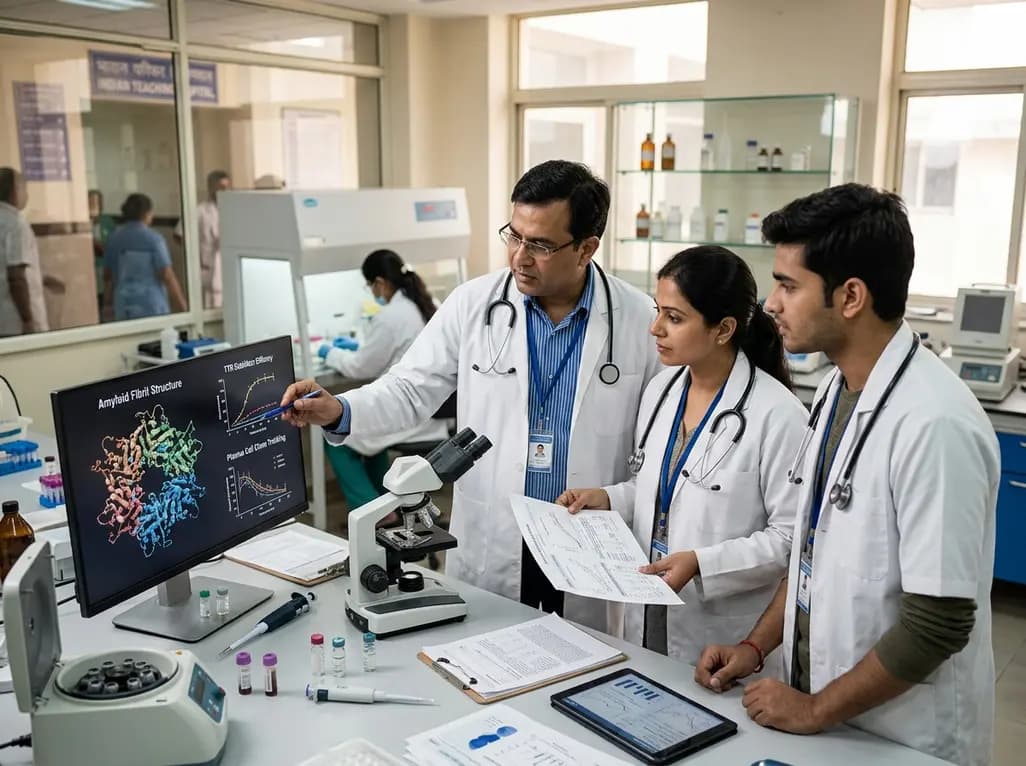
Systemic amyloidosis management is undergoing a therapeutic revolution. This clinical review synthesizes updates from the International Society of Amyloidosis, detailing novel plasma cell therapies, TTR stabilizers, silencers, translational models, and artificial intelligence in drug development.
Today
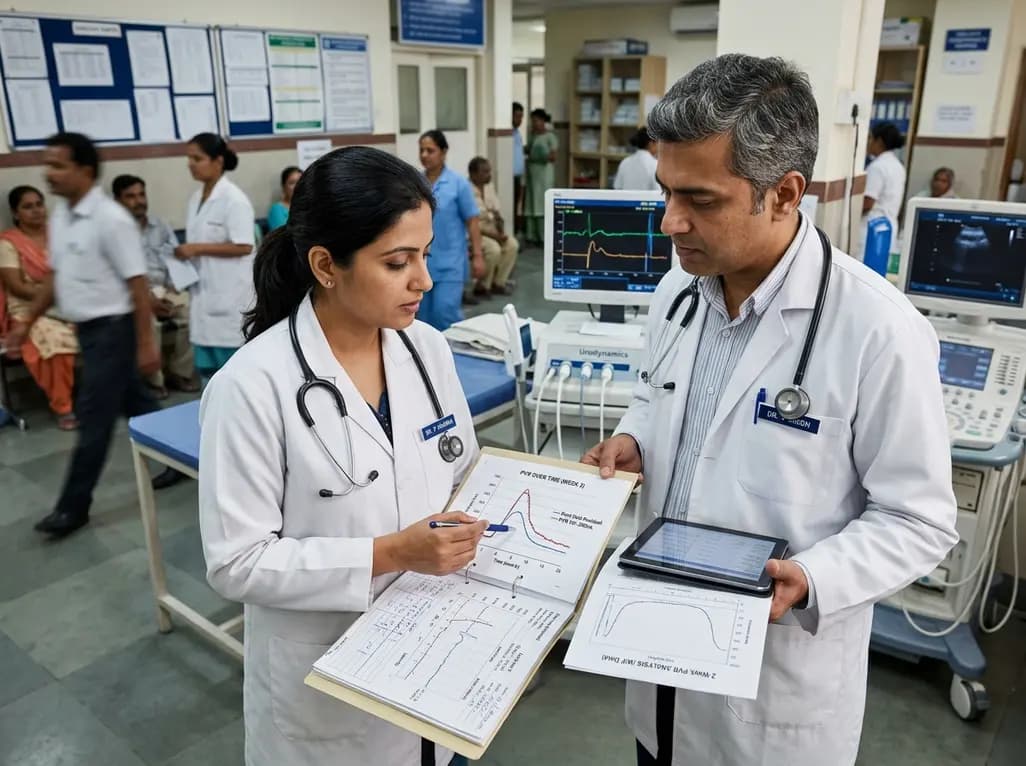
A retrospective study of 824 patients undergoing over 2,200 intradetrusor onabotulinumtoxinA injections identifies sex- and etiology-specific predictors of 2-week post-void residual, highlighting the influence of baseline residual volumes, toxin dosage, and distinct urodynamic parameters on urinary retention risk.
Today
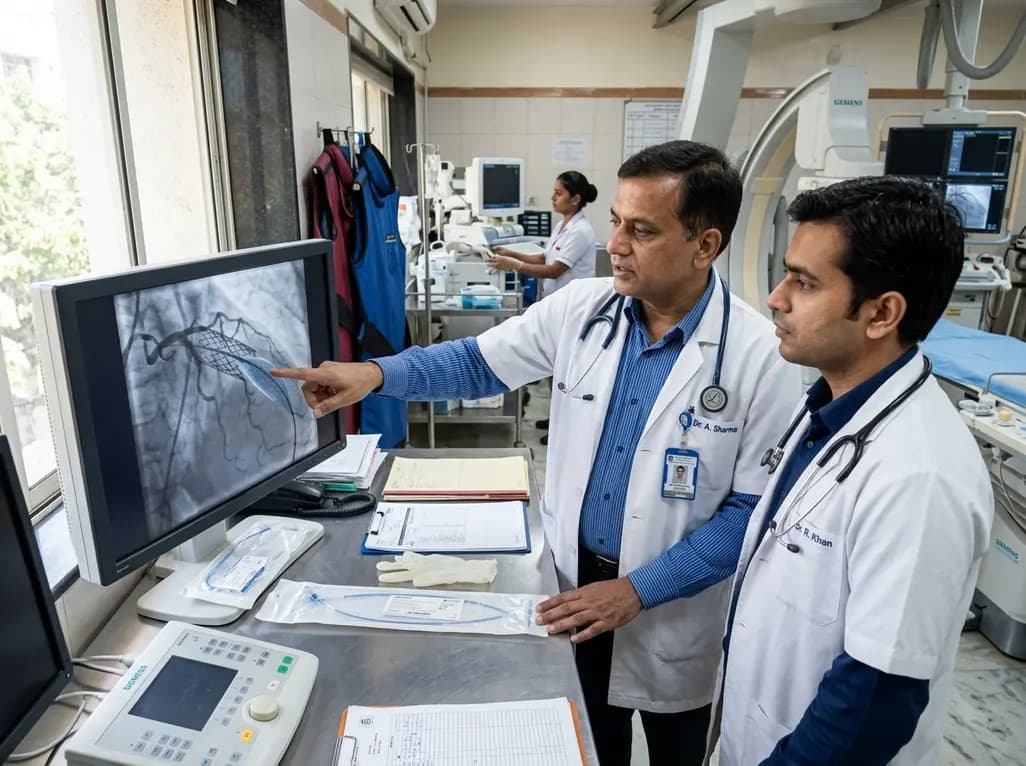
The US FDA has granted approval to the SELUTION SLR drug-eluting balloon for treating coronary in-stent restenosis. This milestone introduces a sustained-release sirolimus platform that eliminates the need for additional permanent metallic stents while maintaining robust vascular healing and luminal patency.
Today
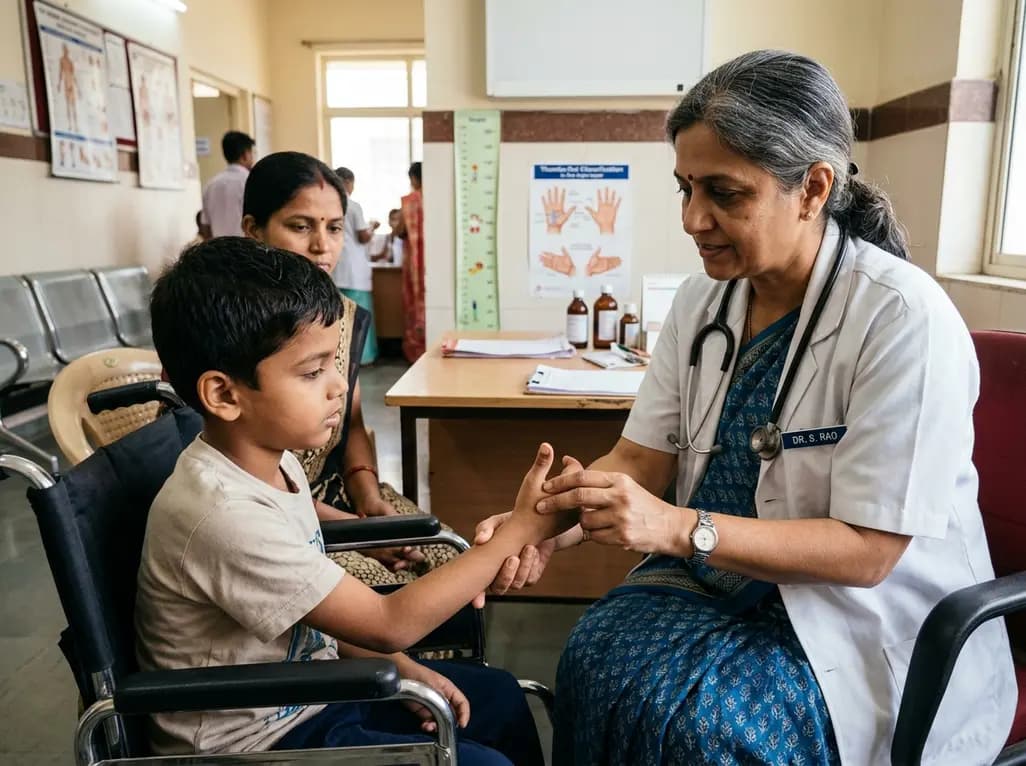
The Thumbs-Out Classification (TOC) is a reliable screening tool for detecting thumb-in-palm deformity in children with cerebral palsy. Utilizing traffic-light tiers for radial abduction, TOC enables clinicians to monitor upper limb function and initiate timely therapeutic or surgical interventions.
Today
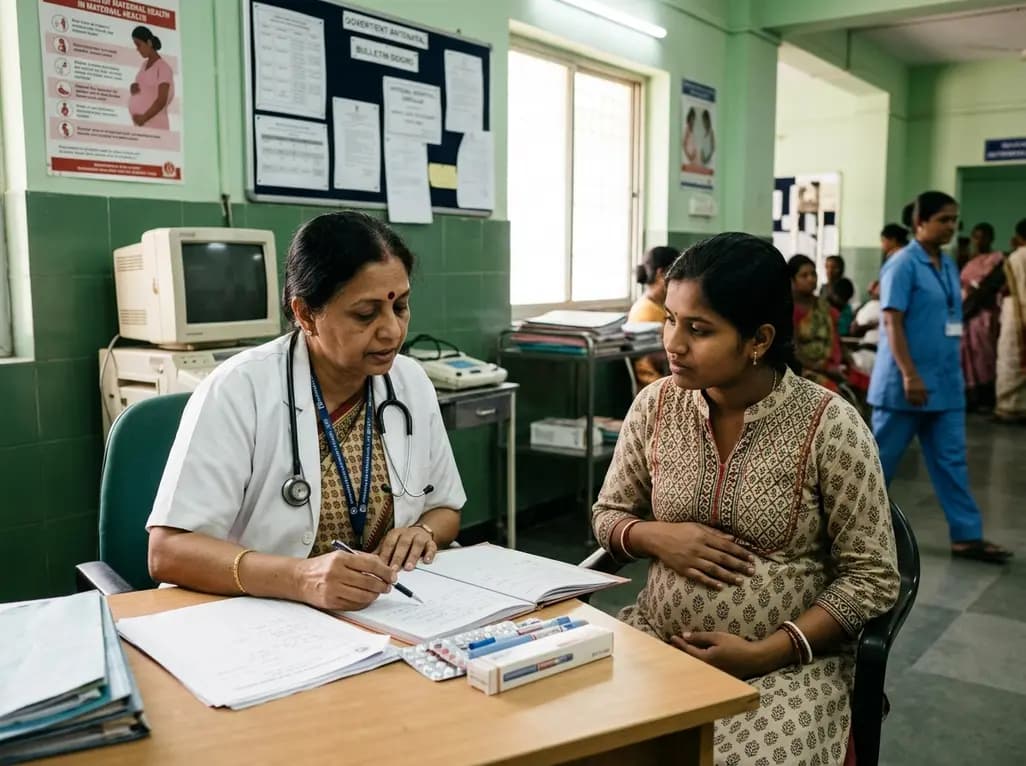
A comprehensive review analyzes periconceptional GLP-1 receptor agonist exposure, revealing reassuring data on congenital anomalies and adverse perinatal outcomes while emphasizing the need for cautious patient counseling.
Today
