.webp&w=384&q=75)

Loading, please wait...
Loading, please wait...

Managing comorbid metabolic disorders remains one of the most demanding challenges for modern orthopedic and spine surgeons worldwide. Patients diagnosed with diabetes mellitus and obesity consistently face elevated risks of surgical site infection, hardware failure, prolonged hospitalization, and pseudoarthrosis after complex spinal procedures. However, emerging pharmacotherapeutic strategies offer promising solutions to mitigate these difficult perioperative risks. Recent multicenter evidence exploring the impact of GLP-1 receptor agonists spine surgery cohorts demonstrates substantial improvements in postoperative outcomes, marking a transformative shift in perioperative optimization.
Spinal arthrodesis requires substantial physiologic resilience and robust tissue healing to achieve successful bony consolidation. Consequently, metabolic dysfunction significantly impairs this recovery process through chronic systemic inflammation, microvascular impairment, and delayed wound healing. Historically, clinicians prioritized glycemic optimization primarily via traditional insulin regimens and oral hypoglycemic agents. Nevertheless, these classic modalities often fall short of mitigating inflammatory cascades or managing excess body weight effectively.
Glucagon-like peptide-1 receptor agonists have fundamentally transformed metabolic medicine by providing exceptional glycemic control alongside meaningful weight reduction. Furthermore, these incretin mimetics exert potent anti-inflammatory effects and promote vascular endothelial stability throughout peripheral tissues. Because orthopedic arthroplasty literature previously showed notable reductions in periprosthetic joint infections among incretin users, researchers recently expanded investigations into complex spine operations. Consequently, spine specialists now actively evaluate whether perioperative incretin exposure translates into lower revision rates, reduced wound breakdown, and superior functional outcomes for high-risk surgical candidates undergoing spinal arthrodesis.
To evaluate these critical clinical questions rigorously, researchers conducted a comprehensive multi-center retrospective cohort study using the global TriNetX research network. The investigation initially reviewed electronic health records from over 15,000 surgical candidates spanning a fourteen-year window between 2008 and 2022. Investigators specifically extracted data from adult diabetic patients who underwent spinal fusion procedures, subsequently stratifying them based on body mass index thresholds and documented perioperative incretin pharmacotherapy exposure.
Because large observational cohorts inherently carry baseline confounding, the study authors implemented meticulous propensity score matching to generate balanced comparison groups. They balanced patient cohorts across critical variables including baseline hemoglobin A1c levels, body mass index, specific surgical interventions, age, sex, and underlying medical comorbidities. Following this rigorous matching protocol, the final primary analytical cohort comprised 2,263 well-matched individuals, of whom 1,560 met clinical criteria for obesity. As a result, this robust methodological framework allowed investigators to isolate the specific associative effects of incretin therapies on short-term and intermediate postoperative outcomes with high statistical reliability.
The comparative findings demonstrated striking reductions in major postoperative complications among patients receiving incretin therapy. Most notably, surgical site infection rates dropped precipitously in incretin users compared to matched non-users across all analyzed strata. Specifically, obese patients on incretin therapy exhibited an extraordinary reduction in postoperative infection risk, demonstrating a hazard ratio of 0.168. Similarly, non-obese diabetic patients experienced a substantial protective effect, showing a hazard ratio of 0.250.
In addition to infection control, surgical revision rates decreased markedly among patients taking incretin medications. Obese incretin users experienced a 49.5% reduction in surgical revisions, while non-obese users demonstrated a 56.1% risk reduction. Furthermore, 30-day and 90-day hospital readmissions showed parallel downward trends, with hazard ratios falling to 0.283 in the obese group and 0.241 in non-obese individuals. Importantly, the researchers observed no significant difference in postoperative vertebral or hardware-adjacent fracture rates between cohorts. Therefore, these findings confirm that the therapy confers robust protection against wound failure and reoperation without compromising mechanical structural integrity.
Beyond standard surgical morbidity metrics, the investigation evaluated vital patient-reported functional recovery and mobility parameters. Patients undergoing complex spinal fusion often endure protracted rehabilitation periods complicated by persistent gait abnormalities, postural instability, and postoperative muscle deconditioning. However, patients maintained on incretin regimens demonstrated markedly superior functional recovery trajectories compared to matched control cohorts.
Specifically, the risk of developing postoperative mobility abnormalities decreased substantially among incretin users, yielding a hazard ratio of 0.355 in obese patients and 0.508 in non-obese patients. Moreover, patients treated with incretins reported fewer episodes of severe muscle weakness and functional debility during outpatient follow-up. These functional gains likely stem from reduced perioperative systemic catabolism, enhanced glycemic stability, and accelerated wound resolution. Consequently, patients achieved earlier independent mobilization, which directly prevented secondary immobility-related complications such as deep vein thrombosis, pulmonary atelectasis, and prolonged physical dependency during postoperative rehabilitation.
The multifaceted biological benefits of incretin signaling extend well beyond simple glucose lowering and weight reduction. Incretin receptors are abundantly expressed throughout vascular endothelial cells, macrophages, and osseous tissues. By binding to these cellular targets, incretin therapies suppress pro-inflammatory cytokine expression, notably reducing tumor necrosis factor-alpha and interleukin-6 levels. Consequently, this attenuated inflammatory environment fosters improved microvascular perfusion at surgical sites, supporting rapid dermal healing and local host defense against pathogens.
Furthermore, incretin signaling plays an intriguing role in bone metabolism and skeletal remodeling. Preclinical studies suggest that incretin receptor activation enhances osteoblast differentiation while concurrently moderating excessive osteoclastogenesis through Wnt/beta-catenin pathways. Although some clinicians initially expressed concern that rapid weight loss might accelerate bone mineral density loss, the clinical trial data showed equivalent fracture risks between groups. Therefore, incretin therapies appear to preserve local bone quality sufficiently to support stable arthrodesis and durable hardware purchase during spinal reconstruction.
Translating these powerful database observations into routine clinical protocols requires coordinated multidisciplinary collaboration between spine surgeons, endocrinologists, and anesthesiologists. Because incretin agonists delay gastric emptying, anesthesia societies emphasize evaluating aspiration risk during airway management. Surgical teams must carefully weigh the established metabolic and anti-infective benefits of continuing therapy against the practical necessity of perioperative gastric volume management.
Additionally, surgical teams operating in diverse healthcare environments should implement structured screening pathways to identify diabetic and obese candidates who may benefit from preoperative incretin optimization. Initiating or maintaining these therapies well before elective spinal surgery can optimize metabolic parameters, reduce systemic adiposity, and downregulate inflammatory cascades prior to surgical incision. However, clinical teams must provide thorough patient counseling regarding hydration, gastrointestinal symptom management, and appropriate postoperative medication resumption. By embedding these evidence-based principles into comprehensive surgical pathways, surgical centers can substantially elevate patient safety, minimize avoidable readmissions, and optimize spine care.
GLP-1 receptor agonists improve glycemic control and attenuate systemic inflammation by suppressing pro-inflammatory cytokines like interleukin-6. Furthermore, they enhance microvascular endothelial function and tissue perfusion. This optimized physiological environment accelerates surgical wound healing and bolsters the local host immune response against bacterial pathogens after complex spinal surgery.
Because GLP-1 receptor agonists delay gastric emptying, patients have an increased risk of residual gastric contents and pulmonary aspiration during anesthesia induction. Anesthesia teams should conduct thorough preoperative assessments, consider point-of-care gastric ultrasound when indicated, and follow institutional fasting and medication management protocols before elective surgical procedures.
Yes, non-obese diabetic patients experience significant postoperative benefits from GLP-1 receptor agonist therapy. The study demonstrated marked reductions in postoperative infections, revision surgeries, hospital readmissions, and mobility abnormalities in non-obese cohorts, confirming that clinical advantages extend beyond weight reduction alone to include direct metabolic and anti-inflammatory effects.
Disclaimer: This content is for informational and educational purposes only. It is not intended to replace professional clinical judgement, examination, diagnosis, or treatment. Medical knowledge is constantly evolving; therefore, healthcare professionals should evaluate and verify the information independently. Refer to the latest local and national guidelines for clinical practice.
References

Read summarized clinical updates, watch expert medical content, and earn CME certifications right from your smartphone.
Open your smartphone camera to scan and install.





A multicenter study of over 15,000 patients reveals that perioperative GLP-1 receptor agonist use significantly lowers surgical site infections, revisions, readmissions, and mobility impairments after spinal fusion in diabetic and obese populations without increasing postoperative fracture risk.
last month

A new study reveals that high-fat, cholesterol, and fructose intake drives MASH and hepatic fibrosis in a sex- and hepatocyte PPARγ-dependent manner. Male mice showed severe fibrosis and downregulated methionine metabolism, while hepatocyte PPARγ knockout protected against progression.
Today
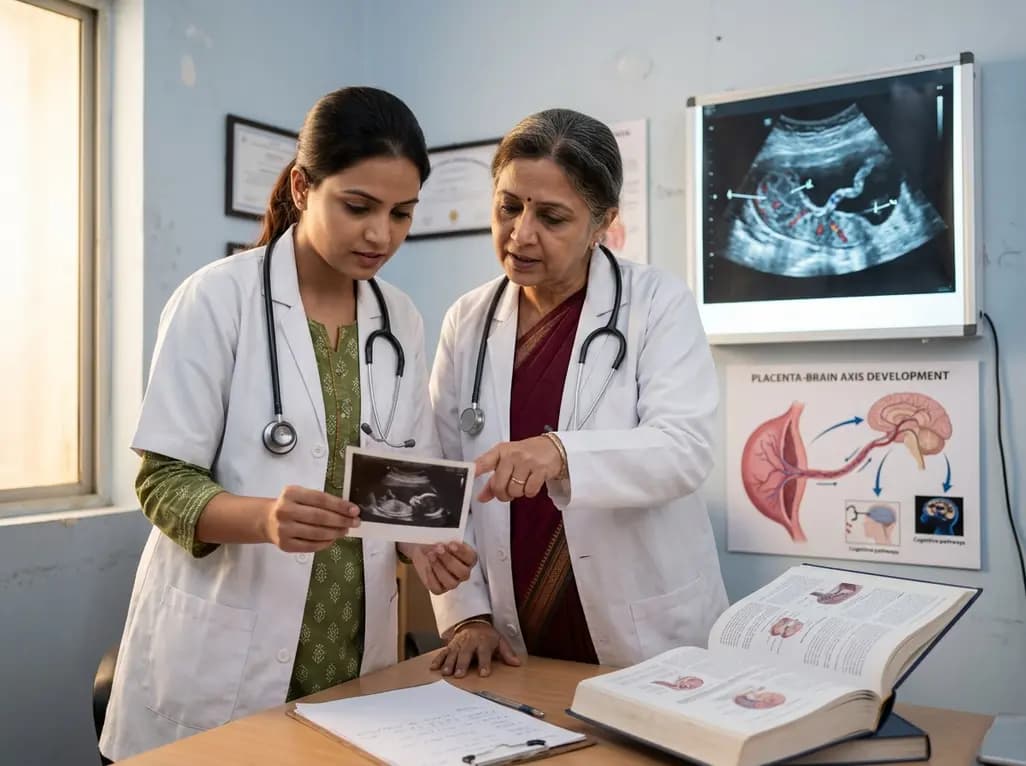
Recent clinical research highlights how late-gestational placental vascular function may shape fetal brain development. Maternal placental growth factor trajectories correlate with subsequent neurodevelopmental outcomes, underscoring the critical role of the placenta-brain axis in pediatric cognitive health.
Today
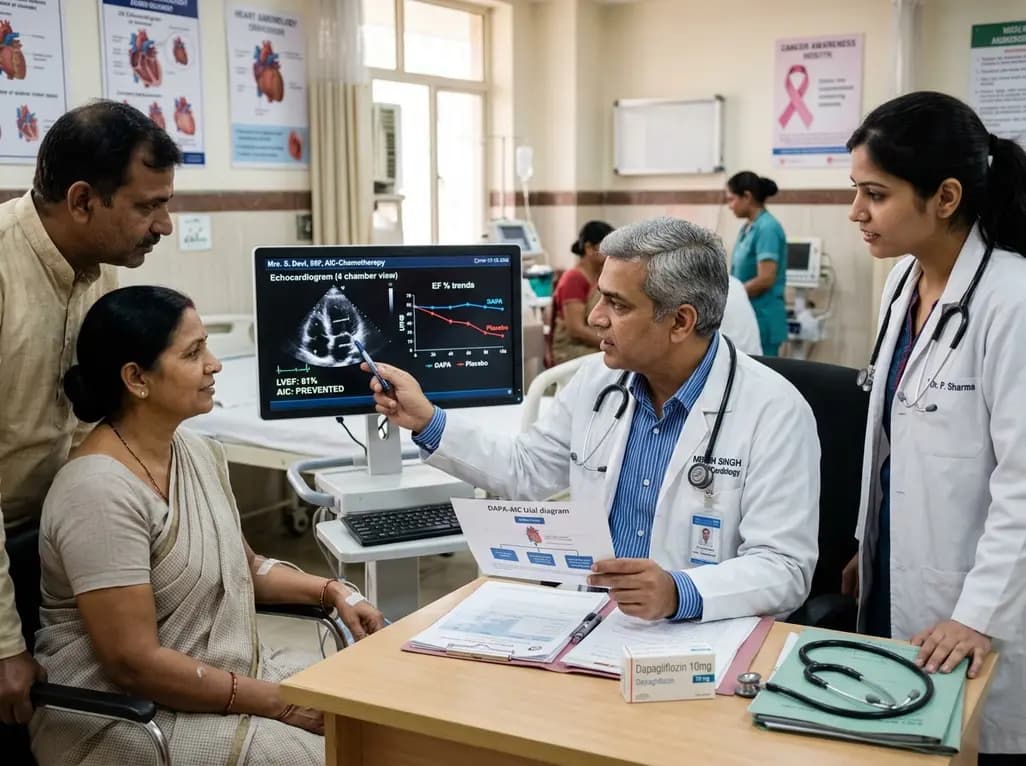
The phase II DAPA-AIC trial demonstrates that dapagliflozin 10 mg daily significantly preserves left ventricular ejection fraction compared to placebo over four months in adults undergoing anthracycline chemotherapy, highlighting a potential preventive strategy in cardio-oncology.
Today

A scoping review reveals severe gaps in long-term assistive technology provision following humanitarian emergencies. Addressing post-disaster rehabilitation requires systematic follow-up, workforce training, and integration into national health systems to sustain mobility and recovery.
Today
A randomized controlled trial investigated whether virtual reality thyroid biopsy reduces procedural pain, anxiety, and fear. While adjusted analyses showed modest pain reduction, unadjusted differences remained statistically insignificant, highlighting the need for larger confirmatory trials.
Today
