.webp&w=384&q=75)

Loading, please wait...
Loading, please wait...

Sleep disorders represent a widespread public health issue that frequently remains underdiagnosed across clinical settings. Early detection is vital because untreated sleep disturbances substantially increase cardiovascular, metabolic, and psychiatric morbidity. The Global Sleep Assessment Questionnaire serves as an efficient multidimensional tool designed to assist clinicians in identifying diverse sleep pathologies. A newly published validation study offers robust evidence regarding its structural validity, internal consistency, and clinical utility in adult patients presenting with suspected sleep disorders.
Disorders of sleep impair daytime cognitive performance, emotional stability, and systemic physiological health. Consequently, chronic sleep deprivation and fragmented sleep architecture contribute directly to hypertension, insulin resistance, and major affective disorders. Obstructive sleep apnea, chronic insomnia, restless legs syndrome, and parasomnias frequently coexist, yet conventional diagnostic pathways often focus on single entities. Therefore, clinical practices require comprehensive screening instruments that can capture broad symptom complexes without exhausting limited consultation time.
Standard full-night polysomnography remains the definitive gold standard for diagnostic confirmation in respiratory and movement-related sleep disorders. However, high costs, technical complexity, and long waiting lists restrict its routine use for preliminary population-wide screening. Moreover, primary care practitioners and outpatient specialists often lack brief, validated instruments to guide timely specialty referrals. Because early detection improves long-term clinical outcomes, implementing validated multi-disorder screeners bridges the gap between symptom recognition and definitive diagnostic polysomnography.
The original tool was designed as a rapid, 11-item self-report screener to evaluate multiple intrinsic sleep conditions simultaneously. Specifically, it assesses obstructive sleep apnea symptoms, insomnia severity, restless legs syndrome complaints, and parasomnia manifestations over a four-week recall period. In this psychometric investigation, researchers translated and culturally adapted the instrument following rigorous international scale-translation guidelines. Consequently, the translated version preserves the conceptual, linguistic, and diagnostic intent of the original questionnaire while ensuring high patient comprehension.
Investigators recruited two hundred and one adult patients presenting to specialized sleep clinics with persistent nocturnal complaints. Each participant completed the 11-item questionnaire alongside standard validated instruments and diagnostic evaluations. Furthermore, the statistical assessment incorporated exploratory factor analysis, confirmatory factor analysis, criterion validity testing, and internal reliability measures. Every individual item correlated significantly with the overall score, demonstrating correlation coefficients ranging between 0.24 and 0.73. Thus, the adapted instrument exhibits excellent structural integrity across diverse clinical presentations.
Exploratory factor analysis successfully extracted four distinct clinical factors that accounted for 68.89% of the total variance. These four distinct factors correspond precisely to obstructive sleep apnea, insomnia, restless legs syndrome, and parasomnias. Furthermore, confirmatory factor analysis verified excellent model fit indices, demonstrating that the structural model accurately reflects real-world clinical sleep pathology. The total 11-item scale exhibited an overall Cronbach's alpha coefficient of 0.72, which confirms solid internal consistency across all questions.
Individual subscale reliability remained robust, with Cronbach's alpha values reaching 0.81 for sleep apnea, 0.64 for insomnia, 0.76 for restless legs syndrome, and 0.72 for parasomnia-related questions. Additionally, the split-half reliability coefficient reached 0.75, which highlights stable reproducibility under routine clinical testing conditions. Therefore, these psychometric parameters substantiate the tool as a statistically sound, dependable instrument. Clinicians can confidently rely on these four factor scores to map overlapping symptoms in complex adult cases.
To evaluate clinical predictive accuracy, investigators generated receiver operating characteristic curves for each specific disorder domain. Notably, the receiver operating characteristic analysis yielded an area under the curve exceeding 0.80 across the core domains. This high area under the curve demonstrates strong discriminatory capability in differentiating affected patients from unaffected individuals. Consequently, the instrument provides reliable guidance for establishing provisional diagnoses during initial medical examinations.
The study derived specific threshold cutoff scores to maximize diagnostic sensitivity and specificity in clinical practice. Specifically, the obstructive sleep apnea-related and insomnia-related domains demonstrated optimal cutoff values of 3 points each. Meanwhile, the restless legs syndrome-related and parasomnia-related domains yielded optimal cutoff values of 1 point each. Scores meeting or exceeding these identified thresholds indicate a substantial likelihood of an underlying primary disorder. Therefore, clinicians can utilize these straightforward numerical cutoffs to prioritize patients for confirmatory laboratory testing or rapid therapeutic intervention.
Criterion validity assessments revealed significant correlations between domain scores and established objective or subjective diagnostic benchmarks. The obstructive sleep apnea score correlated positively with the apnea-hypopnea index derived from overnight polysomnography (r = 0.248, p = 0.0025). Similarly, the insomnia domain demonstrated significant positive correlation with the validated Insomnia Severity Index (r = 0.322, p = 0.017). These findings confirm that the questionnaire accurately reflects physiologic respiratory disturbance and subjective sleep-onset difficulty.
Furthermore, the parasomnia domain demonstrated a particularly strong correlation with the rapid eye movement sleep behavior disorder screening questionnaire (r = 0.721, p < 0.0001). Although the total questionnaire score did not show a statistically significant linear correlation with isolated restless legs scales (r = 0.140, p = 0.309), the isolated domain cutoff retained high sensitivity. Consequently, the instrument effectively mirrors diverse clinical metrics, proving its worth as a broad multi-disease assessment modality.
Integrating multidimensional screening instruments into outpatient neurology, pulmonology, psychiatry, and family medicine clinics streamlines clinical workflows. Because the 11-item format requires only a few minutes to complete, patients can easily fill out the questionnaire in waiting rooms. Medical practitioners can rapidly review the four domain scores, calculate threshold cutoffs, and immediately identify primary or co-morbid sleep pathologies. As a result, diagnostic delays are substantially reduced, leading to earlier therapeutic interventions.
Moreover, modern healthcare systems increasingly value structured, validated assessment tools to track longitudinal patient progress. By deploying this instrument during baseline evaluations and follow-up consultations, healthcare teams can objectively monitor symptom evolution. Identifying comorbid sleep apnea in patients with refractory hypertension or recognizing parasomnias in neurological populations enhances holistic patient care. Ultimately, the systematic use of this concise questionnaire improves diagnostic precision and optimizes healthcare resource utilization across busy clinical environments.
The questionnaire evaluates four major clinical categories: obstructive sleep apnea, chronic insomnia, restless legs syndrome, and parasomnias. By using an 11-item self-report format, it allows clinicians to screen simultaneously for these distinct, frequently overlapping sleep disturbances in adult patients during routine consultations.
The validated diagnostic cutoff values are 3 points for the obstructive sleep apnea domain, 3 points for the insomnia domain, 1 point for the restless legs syndrome domain, and 1 point for the parasomnias domain. Scores reaching these levels warrant targeted clinical follow-up.
The questionnaire demonstrates significant positive correlation with objective polysomnographic measures, including the apnea-hypopnea index for sleep apnea. It also correlates strongly with established clinical scales such as the Insomnia Severity Index and the REM Sleep Behavior Disorder Screening Questionnaire.
Disclaimer: This content is for informational and educational purposes only. It is not intended to be a substitute for professional medical advice, diagnosis, or treatment. Always seek the advice of your physician or other qualified health provider with any questions you may have regarding a medical condition. Refer to the latest local and national guidelines for clinical practice.
References
Sun M et al. Reliability and validity of the Chinese version of Global Sleep Assessment Questionnaire in adult patients with sleep disorders. PLoS One. 2026. doi: 10.1371/journal.pone.0356270. PMID: 42627802.
Roth T, Zammit G, Kushida C, Doghramji K, Mathias SD, Wong JM, Buysse DJ. A new questionnaire to detect sleep disorders. Sleep Med. 2002;3(2):99-108. doi: 10.1016/s1389-9457(01)00143-6.
Klingman KJ, Jungquist CR, Perlis ML. Questionnaires that screen for multiple sleep disorders. Sleep Med Rev. 2017;32:37-44. doi: 10.1016/j.smrv.2016.02.004.

Read summarized clinical updates, watch expert medical content, and earn CME certifications right from your smartphone.
Open your smartphone camera to scan and install.





A recent psychometric study validates the Chinese version of the Global Sleep Assessment Questionnaire (GSAQ), demonstrating robust reliability, four distinct clinical factors, and strong diagnostic accuracy for screening multiple adult sleep disorders in clinical settings.
last month

A spatial multi-omics study reveals that ozone exposure alters regional macrophage phenotypes and non-immune cell signaling during surfactant protein-C mutant lung injury. Although structural remodeling remained unchanged at 7 days, pollutant exposure heightened inflammatory activation and animal mortality.
Today
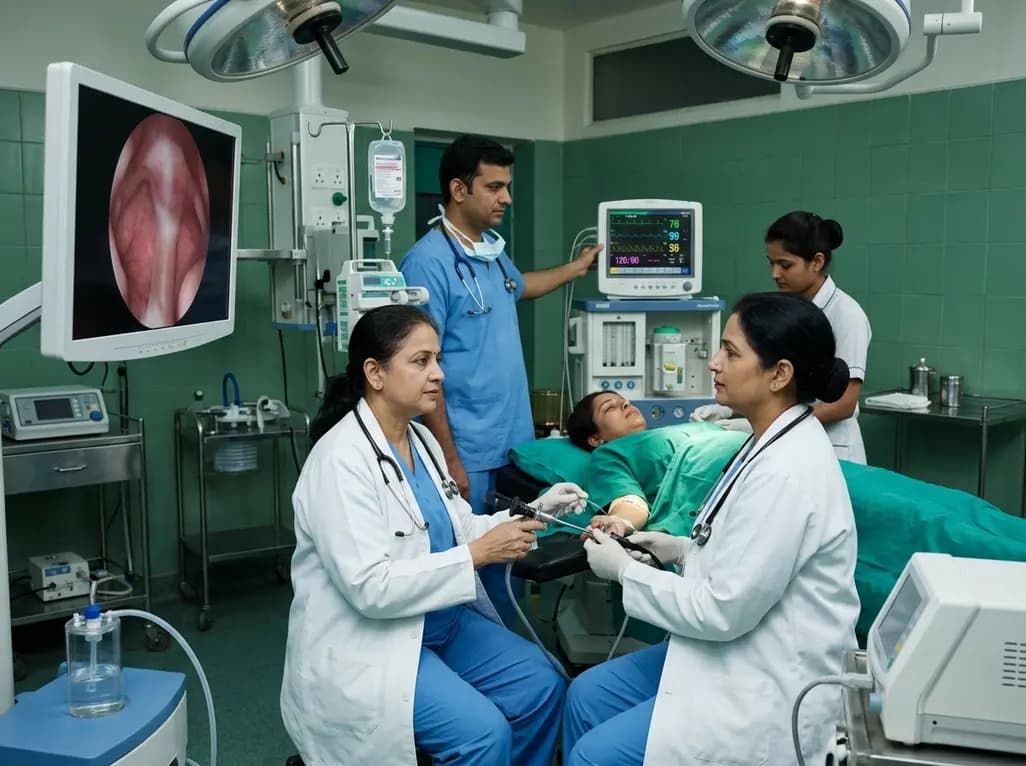
A meta-analysis of nine RCTs comparing remimazolam versus propofol in hysteroscopy reveals remimazolam significantly reduces injection pain, hypotension, and respiratory depression while maintaining comparable sedation success, recovery times, and procedural duration.
Today
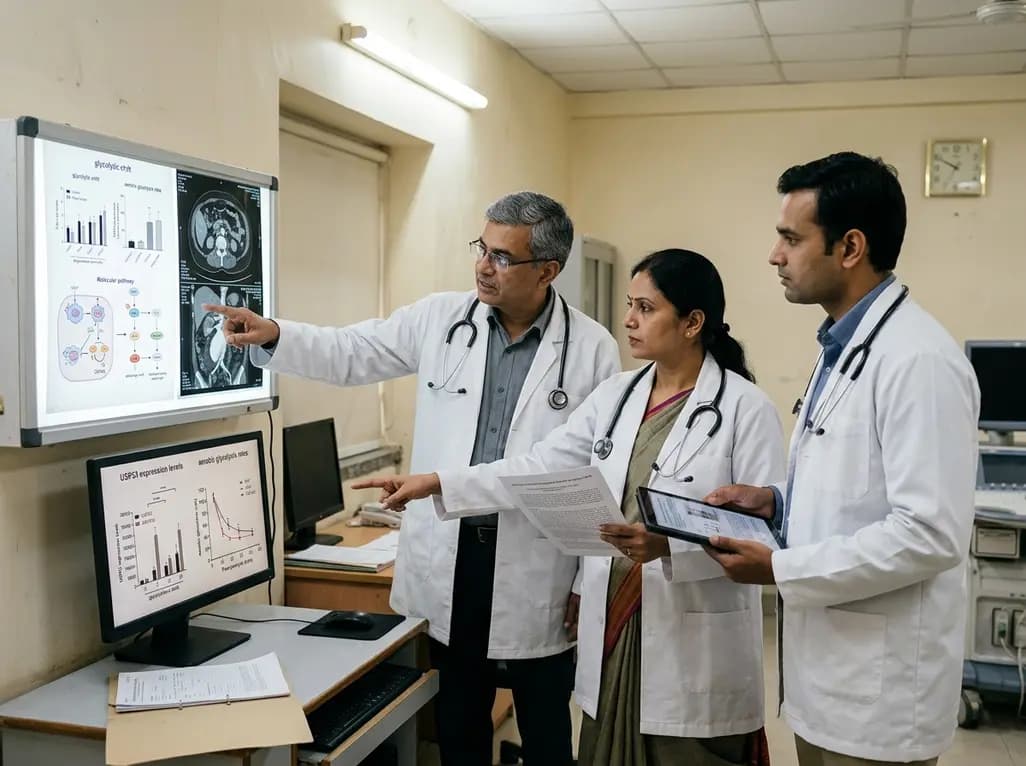
Abdominal aortic aneurysm rupture remains a catastrophic vascular emergency. Groundbreaking research reveals that USP53 accelerates aneurysm progression by reprogramming smooth muscle cell metabolism toward aerobic glycolysis, highlighting a promising target beyond conventional diameter-based surveillance.
Yesterday
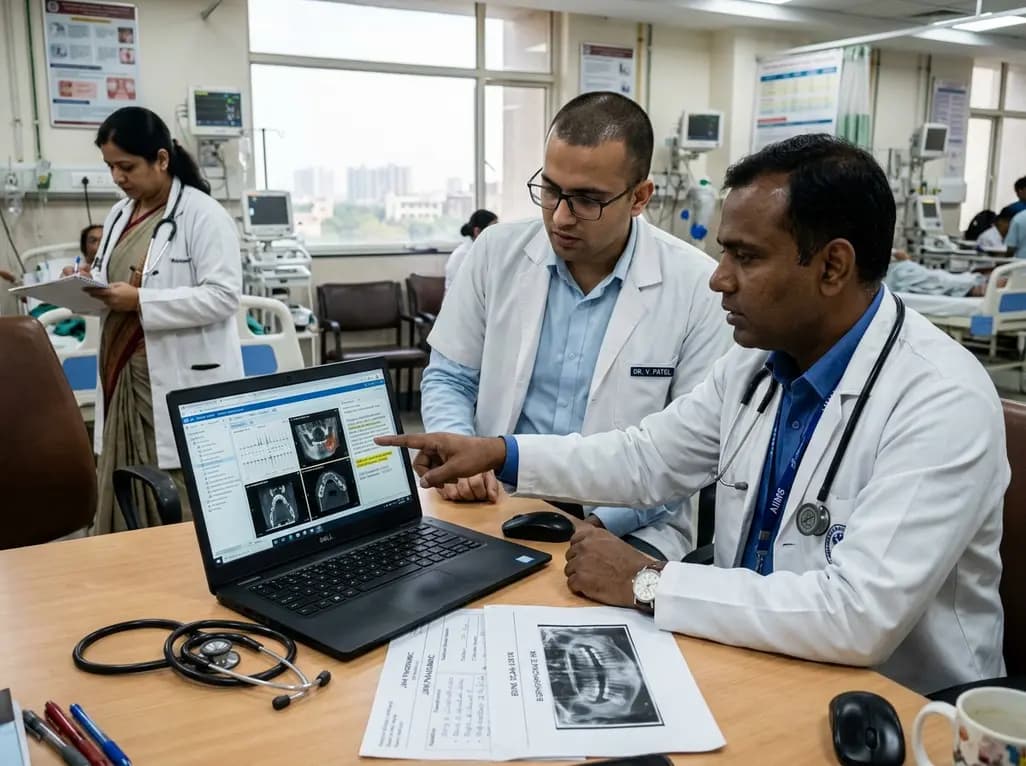
A breakthrough study leverages natural language processing to accurately identify incident medication-related osteonecrosis of the jaw and track antiresorptive drug holidays from clinical narratives in electronic health records, advancing osteoporosis pharmacovigilance and dental safety.
Today

Recent research defines ferro-aging as a conserved iron-lipid axis driving organ decline across primates. Age-related iron dyshomeostasis stimulates ACSL4-mediated lipid peroxidation, promoting cellular senescence. Notably, vitamin C directly inhibits ACSL4, suppressing phospholipid oxidation and multi-organ decay.
Yesterday
