.webp&w=384&q=75)

Loading, please wait...
Loading, please wait...

Out-of-hospital cardiac arrest remains one of the foremost causes of unexpected mortality globally. When sudden cardiac cessation occurs, immediate bystander cardiopulmonary resuscitation serves as the primary bridge to professional advanced life support. Every passing minute without chest compressions diminishes the probability of survival by seven to ten percent. Consequently, community intervention provides vital cerebral and myocardial perfusion, preserving cellular viability until emergency medical technicians arrive.
Despite clinical advancements in post-resuscitation intensive care, community resuscitation response rates remain inadequate across numerous populations. Cardiopulmonary arrest commonly happens in residential environments where laypersons hesitate or lack proper training. Therefore, quantifying global resuscitation rates is imperative for establishing public health policies. Systematic evaluations highlight persistent regional inequities in response times and basic life support education. Clinicians must recognize that hospital survival starts with the first individual who witnesses the collapse.
A recent comprehensive systematic review examined prehospital cardiac arrest epidemiology across 229 observational investigations. The exhaustive analysis encompassed 4,421,570 out-of-hospital cardiac arrest events documented across 45 countries. Researchers identified an overall pooled prevalence of receiving bystander cardiopulmonary resuscitation of 32.1 percent. Although this figure demonstrates modest progress over historical decades, it reveals that over two-thirds of victims receive zero chest compressions prior to professional ambulance arrival.
Furthermore, the investigation revealed marked statistical heterogeneity among reported national rates. While certain communities achieved intervention rates exceeding sixty percent, others reported frequencies below ten percent. Witnesses initiated chest compressions significantly more often in public venues compared to private domestic residences. Moreover, dispatch-assisted telephonic guidance consistently enhanced willingness to deliver basic life support. These empirical metrics emphasize the urgent requirement for standardized global resuscitation registries and targeted prehospital initiatives.
The systematic review highlighted dramatic disparities governed by national income levels. High-income nations reported a pooled bystander CPR rate of 34.9 percent. In contrast, low- and middle-income countries documented a bystander resuscitation rate of only 13.9 percent. This pronounced discrepancy underscores how economic resources dictate prehospital infrastructure, emergency dispatch sophistication, and public education programs.
Consequently, populations in resource-constrained environments experience worse survival outcomes following out-of-hospital cardiac arrest. Low-income regions frequently face severe limitations, including sparse emergency call dispatch networks, traffic congestion, and absent public automated external defibrillators. Furthermore, widespread cultural apprehension regarding medicolegal liability deters lay bystanders from initiating resuscitation. Addressing these profound systemic imbalances requires establishing legal protections alongside low-cost community education campaigns tailored to local realities.
In developing healthcare ecosystems like India, the burden of cardiovascular disease and sudden cardiac arrest continues to expand rapidly. However, documented bystander response figures in Indian urban and rural regions routinely lag behind global benchmarks. The absence of a unified emergency medical response number in many districts further complicates early witness notification. Therefore, acute care clinicians face patients presenting with prolonged anoxia and irreversible neurological injury.
For Indian emergency physicians and cardiologists, these epidemiological insights validate proactive prehospital advocacy. In-hospital medical advances cannot reverse prolonged unperfused ischemic injury. Consequently, Indian healthcare institutions must champion public cardiopulmonary resuscitation training programs within schools, corporate offices, and transport hubs. Additionally, hospital discharge protocols for cardiac patients should routinely incorporate hands-only CPR orientation for immediate family members.
Enhancing bystander response rates necessitates structured multifaceted interventions within the emergency chain of survival. First, emergency communication centers must adopt standardized telephone-assisted CPR protocols. Dispatchers can guide anxious bystanders through continuous chest compression delivery until emergency services reach the scene. Consequently, telephone guidance dramatically increases civilian compliance and mitigates rescue hesitation.
Second, educational curricula should mandate simplified hands-only resuscitation training without rescue breathing for adult populations. Removing mouth-to-mouth ventilation barriers notably elevates bystander participation rates. Moreover, healthcare systems must leverage mobile phone applications to alert nearby registered civilian responders when cardiac arrest occurs nearby. Ultimately, empowering ordinary citizens transforms bystanders into life-saving first responders.
Immediate bystander CPR preserves critical microvascular cerebral perfusion while preventing irreversible ischemic neuronal death. Clinical trials indicate that prompt layperson compressions double or triple overall hospital survival and favorable neurological functional recovery. Without rapid perfusion, cerebral tissue suffers permanent cellular apoptosis within five minutes. Therefore, civilian intervention remains the single most impactful determinant of intact neurological recovery following community cardiac arrest.
Disparities arise from structural inequalities in emergency medical dispatch systems, mandatory public school education, and public defibrillator accessibility. High-income nations invest heavily in automated telephonic dispatcher instructions and community basic life support drills. Conversely, developing countries frequently face fragmented emergency infrastructure, absent Good Samaritan protections, and persistent public misconceptions regarding resuscitation liability. Addressing these underlying socioeconomic barriers remains essential for equitable global outcomes.
Physicians can actively prescribe and conduct hands-only resuscitation education for high-risk cardiac patient families before hospital discharge. Furthermore, clinical leaders must advocate for legislative mandates introducing cardiopulmonary resuscitation into secondary school curricula. By collaborating with municipal services to establish dispatcher-assisted CPR algorithms and community awareness drives, healthcare practitioners bridge hospital acute care with community response networks.
Disclaimer: This content is for informational and educational purposes only... Refer to the latest local and national guidelines for clinical practice.
References
Shen L et al. Global Rate of Bystander Cardiopulmonary Resuscitation in Out-of-Hospital Cardiac Arrest: A Systematic Review and Meta-Analysis. Heart Lung Circ. 2026 Oct 06. doi: undefined. PMID: 42838865.
Sasson C, Rogers MA, Dahl J, Kellermann AL. Predictors of survival from out-of-hospital cardiac arrest: a systematic review and meta-analysis. Circ Cardiovasc Qual Outcomes. 2010;3(1):63-81.
Merchant RM, Topjian AA, Panchal AR, et al. Part 1: Executive Summary: 2020 American Heart Association Guidelines for Cardiopulmonary Resuscitation and Emergency Cardiovascular Care. Circulation. 2020;142(16_suppl_2):S337-S357.

Read summarized clinical updates, watch expert medical content, and earn CME certifications right from your smartphone.
Open your smartphone camera to scan and install.





A comprehensive meta-analysis of over 4.4 million out-of-hospital cardiac arrest patients reveals a global bystander CPR rate of only 32.1%, showing marked disparities between high-income and developing nations. Healthcare professionals must advocate for community resuscitation training.
Today
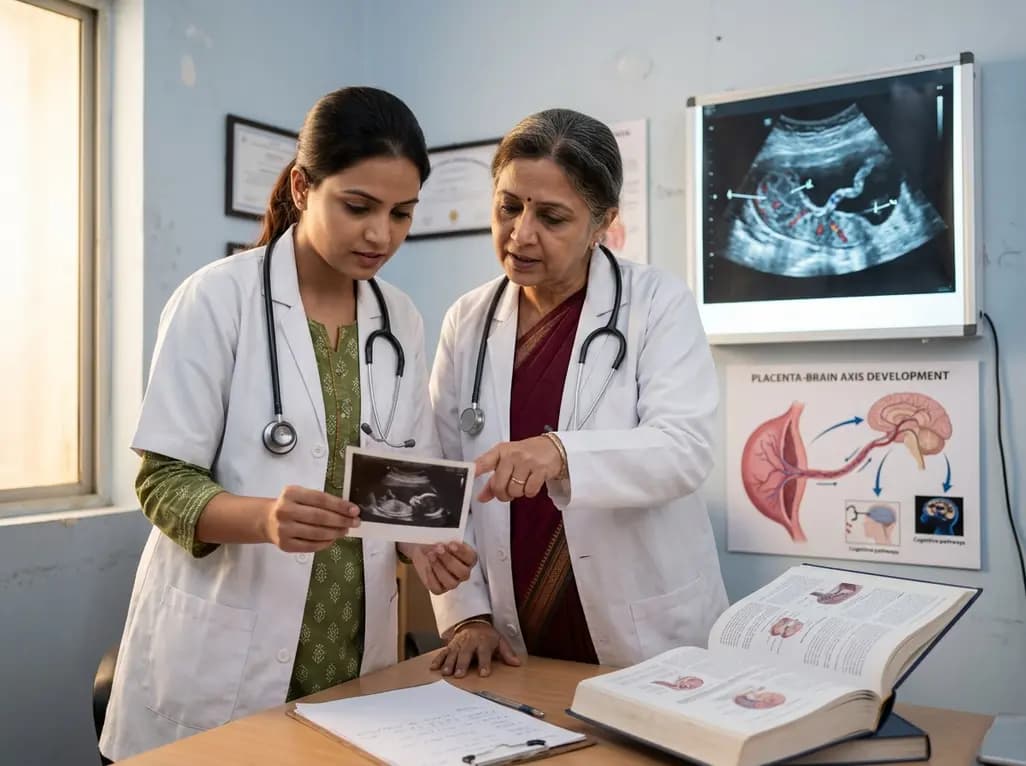
Recent clinical research highlights how late-gestational placental vascular function may shape fetal brain development. Maternal placental growth factor trajectories correlate with subsequent neurodevelopmental outcomes, underscoring the critical role of the placenta-brain axis in pediatric cognitive health.
Today
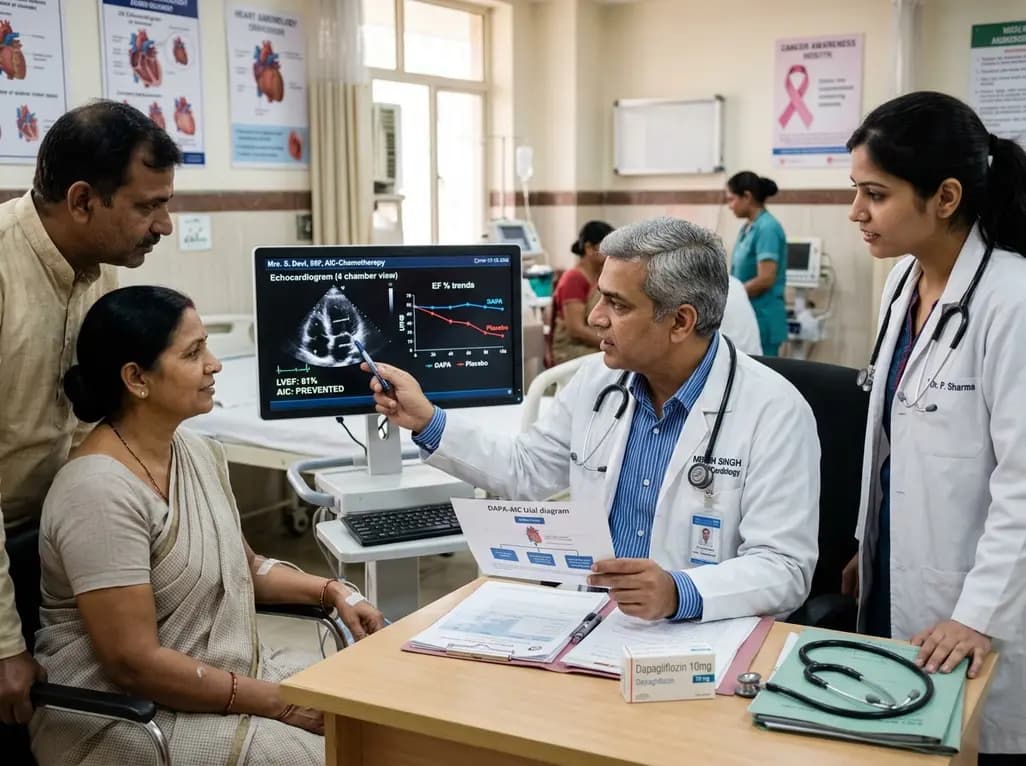
The phase II DAPA-AIC trial demonstrates that dapagliflozin 10 mg daily significantly preserves left ventricular ejection fraction compared to placebo over four months in adults undergoing anthracycline chemotherapy, highlighting a potential preventive strategy in cardio-oncology.
Today
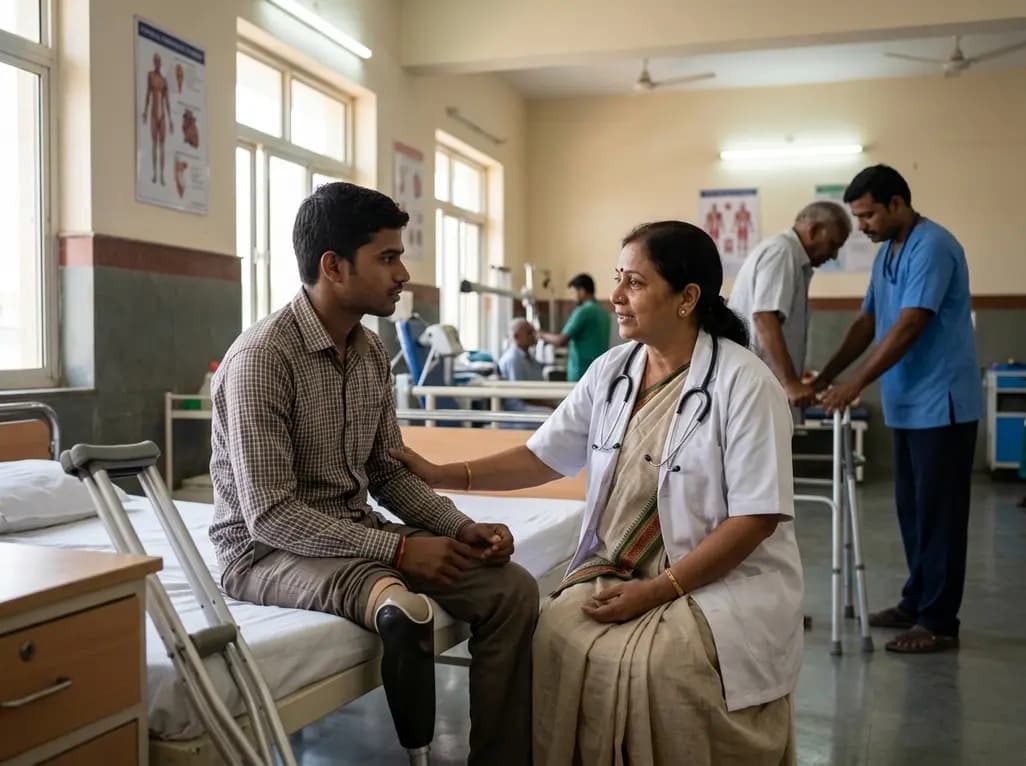
A scoping review reveals severe gaps in long-term assistive technology provision following humanitarian emergencies. Addressing post-disaster rehabilitation requires systematic follow-up, workforce training, and integration into national health systems to sustain mobility and recovery.
Today
A new study reveals that high-fat, cholesterol, and fructose intake drives MASH and hepatic fibrosis in a sex- and hepatocyte PPARγ-dependent manner. Male mice showed severe fibrosis and downregulated methionine metabolism, while hepatocyte PPARγ knockout protected against progression.
Today
