.webp&w=384&q=75)

Loading, please wait...
Loading, please wait...

A groundbreaking study published in The Lancet reveals a staggering expansion of the global mental health burden. Specifically, the global burden of mental disorders has more than doubled since 1990. Consequently, these conditions have surpassed cancer and cardiovascular disease to become the leading cause of global disability.
Indeed, researchers discovered that nearly 1.2 billion individuals globally had a mental disorder in 2023. This massive estimate represents a near-doubling of the cases recorded in 1990. Importantly, anxiety and depression drove the vast majority of this rise. Additionally, the researchers identified that females and adolescents aged 15 to 19 face disproportionate risks. For instance, approximately 620 million women lived with these conditions compared to 552 million men. Furthermore, these disorders accounted for more than 17% of all years lived with disability worldwide.
Importantly, the study highlighted highly concerning clinical trends within India. Specifically, the age-standardised prevalence of anxiety disorders across both sexes was 2,592 per lakh in 1990. However, this prevalence skyrocketed by 123.5% to reach 5,793 per lakh in 2023. Moreover, anxiety prevalence among Indian women increased by 136.7% during this timeframe. In contrast, the prevalence among Indian men rose by 102%.
Additionally, first author Damian Santomauro noted that these trends reflect several lingering pandemic-related stressors. Furthermore, long-term structural factors like poverty, abuse, and social disconnection exacerbate these numbers. Consequently, addressing this challenge requires sustained funding and expanded access to care.
Besides anxiety and depression, researchers analyzed ten other conditions, including bipolar disorder, schizophrenia, and ADHD. Importantly, they observed that neurodevelopmental and behavioural disorders are far more common in males. In contrast, females experience significantly higher rates of depression and anxiety.
Subsequently, co-author Alize Ferrari emphasized that current global healthcare responses remain highly insufficient. To explain this massive burden, she identified several crucial risk factors. Specifically, childhood maltreatment, domestic violence, and genetic predispositions play major roles. Moreover, climate change, rising inequality, and social fragmentation further compound these psychiatric risks. Therefore, global systems must improve surveillance, especially in low- and middle-income countries.
Q1: What are the main drivers of the rising global mental health burden?
Indeed, the rise is primarily driven by increasing rates of anxiety and depression. Additionally, structural factors such as poverty, childhood abuse, and social disconnection contribute significantly to these trends.
Q2: How does the mental health burden differ by sex and age?
Indeed, the study indicates that women experience higher rates of anxiety and depression. In contrast, neurodevelopmental and behavioural disorders are more common in males. Furthermore, the highest overall burden of mental disorders peaks in the 15–19 age group globally.
Disclaimer: This content is for informational and educational purposes only. It does not constitute medical advice or replace professional judgment. Refer to the latest local and national guidelines for clinical practice.
References

Read summarized clinical updates, watch expert medical content, and earn CME certifications right from your smartphone.
Open your smartphone camera to scan and install.





A Lancet study reveals that the global mental health burden has doubled, overtaking cancer as the leading cause of disability worldwide....
3 months ago
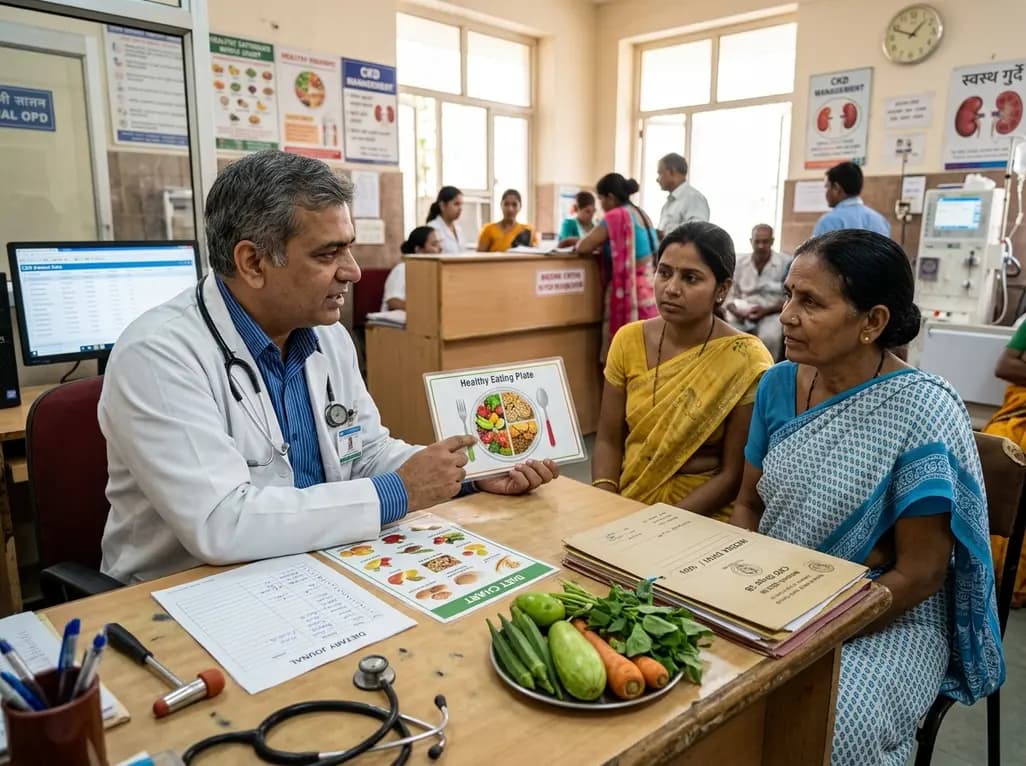
A large NHANES cohort study reveals that higher Healthy Eating Index scores significantly reduce all-cause mortality risk in CKD patients by 45%. This analysis highlights the importance of comprehensive diet quality and medical nutrition therapy in renal care to optimize long-term clinical survival.
Today

Explore real-world data showing how private oncogenetics and molecular tumor boards achieve 3-week consult turnaround, high ctDNA actionability, and vital germline variant detection, enhancing individualized cancer care and familial risk assessment.
Today

A meta-analysis of 13 propensity score-matched studies shows ViV-TAVR delivers lower early mortality and reduced bleeding compared to redo-SAVR for degenerated bioprosthetic aortic valves, though long-term hemodynamics warrant careful anatomical and patient-centered evaluation.
Today
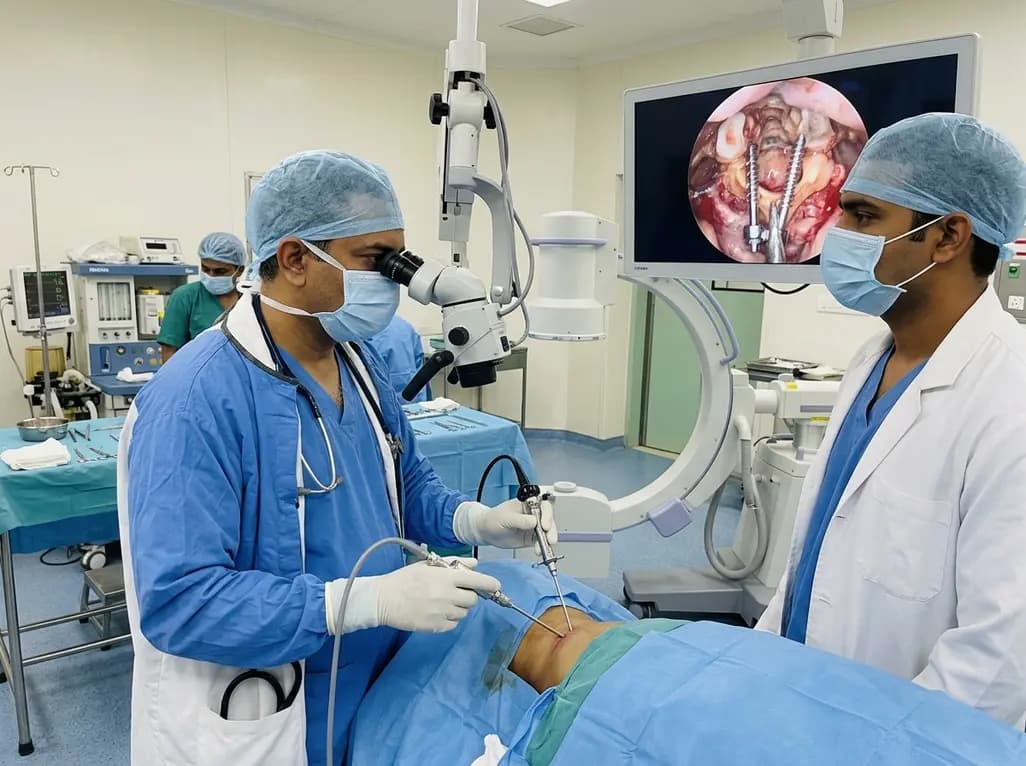
Endoscopic posterior cervical fusion combines minimally invasive decompression, joint preparation, and rigid screw-rod fixation for atlantoaxial pathologies. Early clinical findings demonstrate solid bony union, excellent symptom relief, and minimal soft-tissue morbidity without significant vascular compromise.
Yesterday
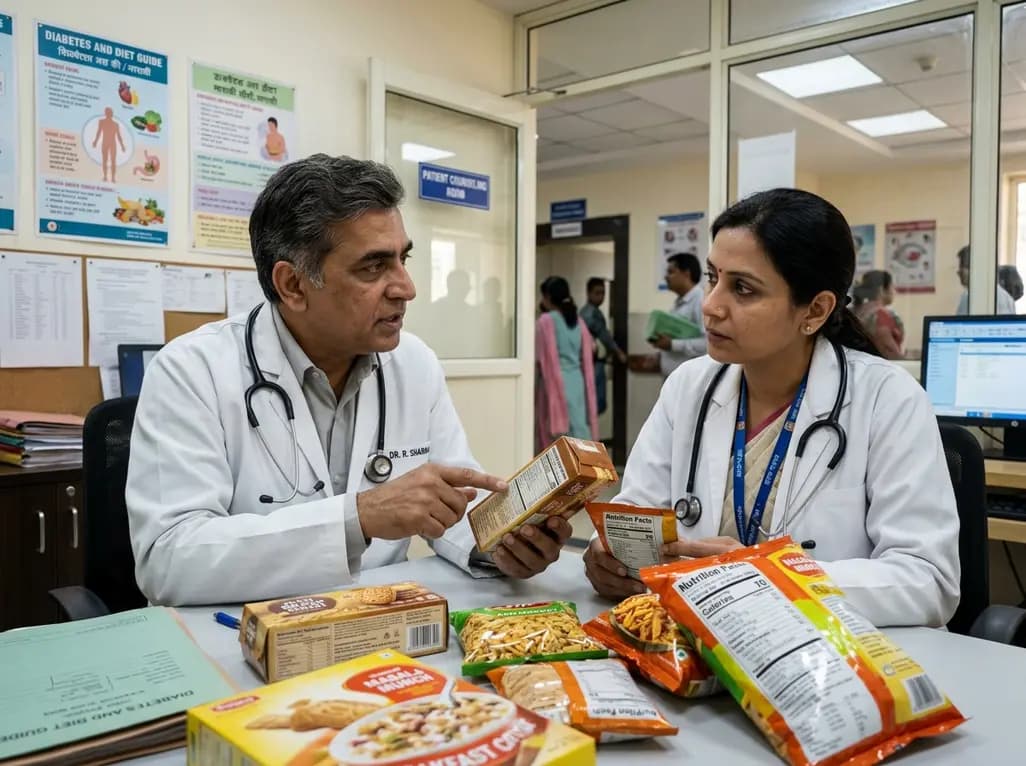
The All-India Food Processors' Association has approached the Supreme Court to oppose FSSAI's proposed per-100g benchmark for front-of-pack warning labels, advocating instead for a per-serving threshold. We explore the regulatory showdown, nutritional evidence, and implications for clinical lifestyle counseling.
Today
