.webp&w=384&q=75)

Loading, please wait...
Loading, please wait...

The global mental health burden has escalated dramatically over the last three decades, with mental disorders now representing the leading cause of disability worldwide. Notably, a groundbreaking study published in The Lancet reveals that nearly 1.2 billion people globally lived with a mental disorder in 2023. This striking statistic represents almost double the number of cases recorded in 1990. Consequently, healthcare systems around the world must urgently re-evaluate their mental health resources to address this expanding crisis.
For decades, physical illnesses dominated global health concerns. However, the latest Global Burden of Disease study demonstrates a profound shift. Mental disorders have now officially overtaken cancer, cardiovascular disease, and musculoskeletal conditions in terms of non-fatal health loss. Specifically, these psychiatric conditions now account for more than 17% of all years lived with disability globally. Therefore, clinical guidelines and funding must change to reflect this new reality.
To analyze this shift, researchers assessed twelve distinct mental health conditions across 204 countries. Specifically, they examined conditions including major depression, anxiety disorders, bipolar disorder, schizophrenia, autism spectrum disorders, and ADHD. As a result, the investigators identified anxiety and depression as the primary drivers of the growing global mental health burden. Furthermore, the overall global burden peaked sharply in adolescents aged 15 to 19, which highlights the critical need for early pediatric interventions.
The data from India shows a particularly alarming trend in anxiety prevalence. For instance, the age-standardized prevalence of anxiety disorders was 2,592 per one lakh population in 1990. Meanwhile, this rate surged by 123.5% to reach 5,793 per one lakh population in 2023. Moreover, the increase among Indian women was an astounding 136.7%, compared to 102% among men. This widening gender gap indicates that female patients in India need targeted, gender-sensitive mental healthcare.
Globally, women experience substantially higher rates of anxiety and depression. For example, the study reported that 620 million women lived with a mental disorder in 2023, compared to 552 million men. In contrast, neurodevelopmental and behavioral disorders, such as ADHD and autism, occur more frequently in males. To combat these rising trends, healthcare providers must design tailored interventions. Furthermore, governments need to invest in robust mental health surveillance, especially in low-income and middle-income nations.
Q1: Which mental disorders contribute most to the rising global disability rates?
Anxiety disorders and major depressive disorder drive the largest portion of this increasing health burden worldwide.
Q2: Who is most disproportionately affected by the surge in mental disorders?
Adolescents aged 15 to 19 years old and women of all ages face a significantly higher burden of mental health conditions.
Q3: What are the primary drivers of the rise in anxiety disorders in India?
Lingering pandemic-related stress combined with structural factors like poverty, domestic abuse, inequality, and declining social connection fuel this sharp increase.
Disclaimer: This content is for informational and educational purposes only. It does not constitute medical advice or replace professional judgment. Refer to the latest local and national guidelines for clinical practice.
References

Read summarized clinical updates, watch expert medical content, and earn CME certifications right from your smartphone.
Open your smartphone camera to scan and install.





A landmark study in The Lancet reveals mental disorders are now the leading cause of disability globally, surpassing cancer and cardiovascular disease....
5 months ago
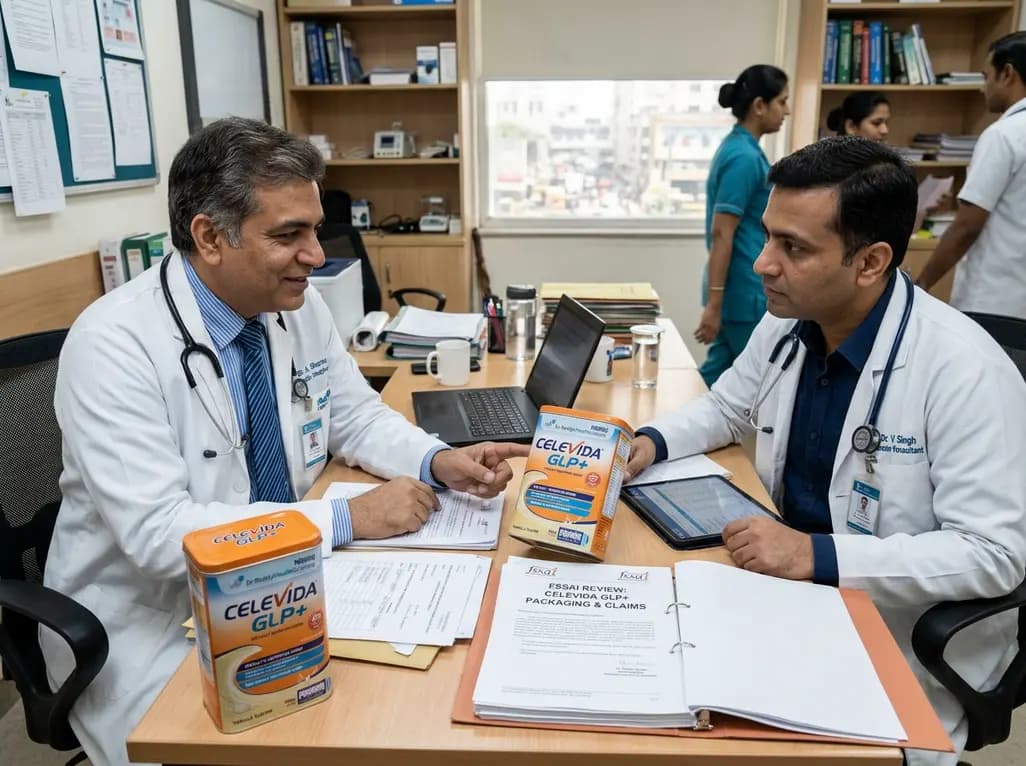
Following regulatory scrutiny from FSSAI regarding promotional representations and lean muscle preservation claims, Dr. Reddy's Laboratories and Nestlé Health Science are currently reviewing the branding and marketing strategy for their joint nutritional supplement Celevida GLP+.
Today

Demanding exhaustive hormonal profiling can inadvertently discourage clinical studies involving females. Methodological standards must align with the specific scientific question to expand, not restrict, equitable evidence for women.
Today

The Directorate General of Health Services directs Indian states to halt the hazardous reuse and reprocessing of single-use medical devices. Discover regulatory implications under the Drugs and Cosmetics Act, critical infection risks, legal liabilities, and operational changes required across clinical specialties.
Today
A novel calcium polyphosphate coacervate enables injectable bone implants with in situ hierarchical porosity via phase separation and gas foaming, significantly enhancing cell proliferation, energy metabolism, and osteogenic differentiation for minimally invasive bone defect repair.
Today

India is advancing preventive healthcare by integrating genomics, artificial intelligence, and quantum technologies. With the SANGAM programme sequencing one million Indian genomes, clinicians can unlock personalized therapies, detect cardiometabolic risks early, and curb the burden of diabetes and heart disease.
Today
