.webp&w=384&q=75)

Loading, please wait...
Loading, please wait...
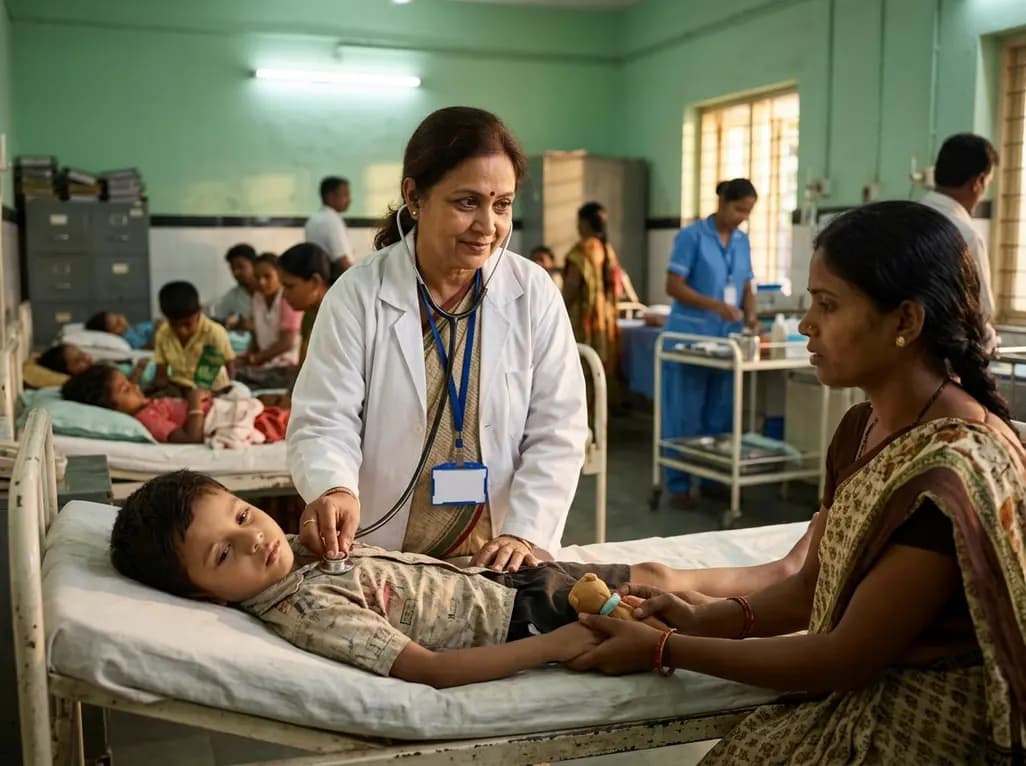
Indeed, the World Health Organization (WHO) has issued a stark warning regarding global food safety, revealing that contaminated food kills 1.5 million people annually.
Furthermore, the comprehensive report highlights that young children under five years of age face the highest risk.
Consequently, this vulnerable demographic is nearly three times more likely to fall ill compared to adults.
The data, spanning 194 countries over two decades, shows that 886 million people suffer from foodborne illnesses each year.
However, the burden of this crisis is not distributed evenly.
Specifically, Africa and Southeast Asia account for nearly 75% of global cases and 60% of all related deaths.
Biological hazards, including bacteria and viruses, cause the vast majority of these infections.
Additionally, chemical contaminants like arsenic and lead represent a major portion of the fatal cases.
These heavy metals often trigger long-term chronic conditions, such as cardiovascular disease and cancer.
Moreover, climate change is intensifying these hazards by accelerating microbial contamination.
Therefore, clinicians must remain vigilant, as antimicrobial resistance makes these foodborne infections increasingly difficult to treat.
Doctors in India must recognize the high prevalence of foodborne illness in Southeast Asia.
Thus, pediatricians and general practitioners should prioritize patient education on water sanitation and food preparation.
For instance, promoting simple hygiene measures and pasteurization can save countless lives.
Ultimately, addressing this public health challenge requires a concerted effort from both healthcare workers and policymakers.
Q1: Why are young children more vulnerable to foodborne illnesses?
Children under five years old have developing immune systems, making them highly susceptible to severe diarrheal diseases. Additionally, exposure to heavy metals like lead can permanently harm their neurological development.
Q2: Which regions carry the heaviest burden of contaminated food?
Africa and Southeast Asia bear the highest burden, accounting for nearly three-quarters of all global illnesses and 60% of deaths related to contaminated food.
Q3: How do chemical contaminants contribute to food-related deaths?
While biological agents cause most illnesses, chemical contaminants such as lead and arsenic drive a disproportionate share of food-related deaths due to long-term risks like cancer and cardiovascular diseases.
Disclaimer: This content is for informational and educational purposes only. It does not constitute medical advice or replace professional judgment. Refer to the latest local and national guidelines for clinical practice.
References

Read summarized clinical updates, watch expert medical content, and earn CME certifications right from your smartphone.
Open your smartphone camera to scan and install.





A new WHO study reveals contaminated food causes 1.5 million annual deaths, with Southeast Asia and young children carrying the largest share of this burden...
4 months ago
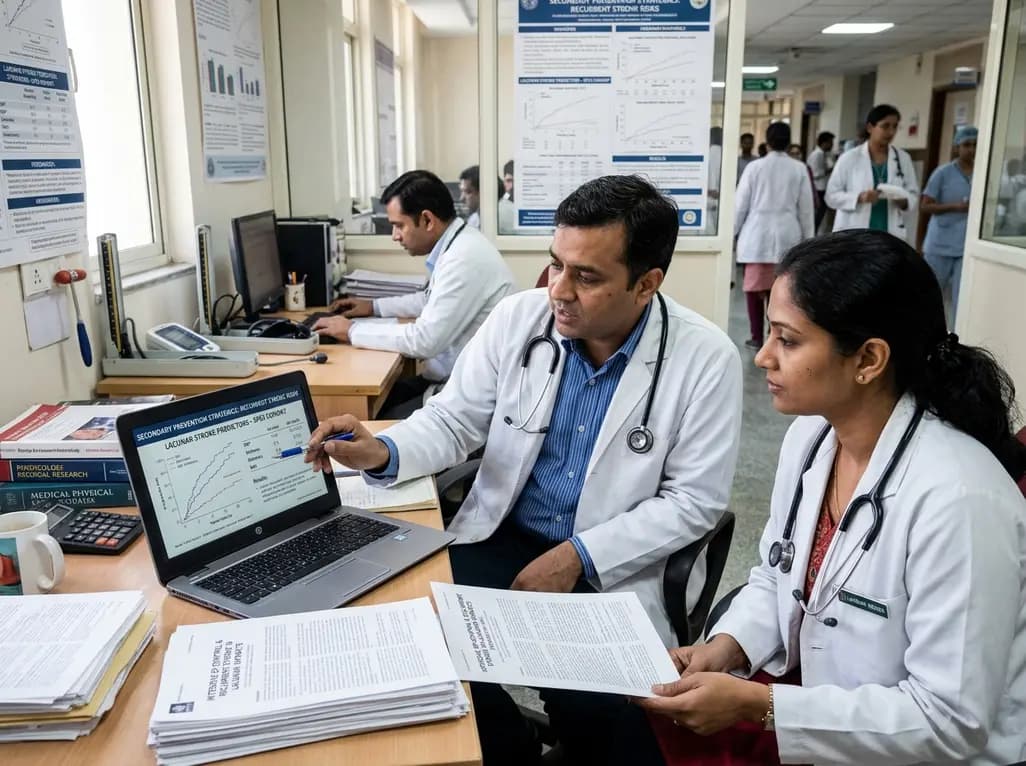
Explore vital recurrent stroke predictors in lacunar stroke patients managed with intensive blood pressure lowering. This analysis examines trial findings from SPS3 to uncover residual vascular risks, metabolic factors, and targeted secondary prevention strategies for high-risk neurological patients.
Today
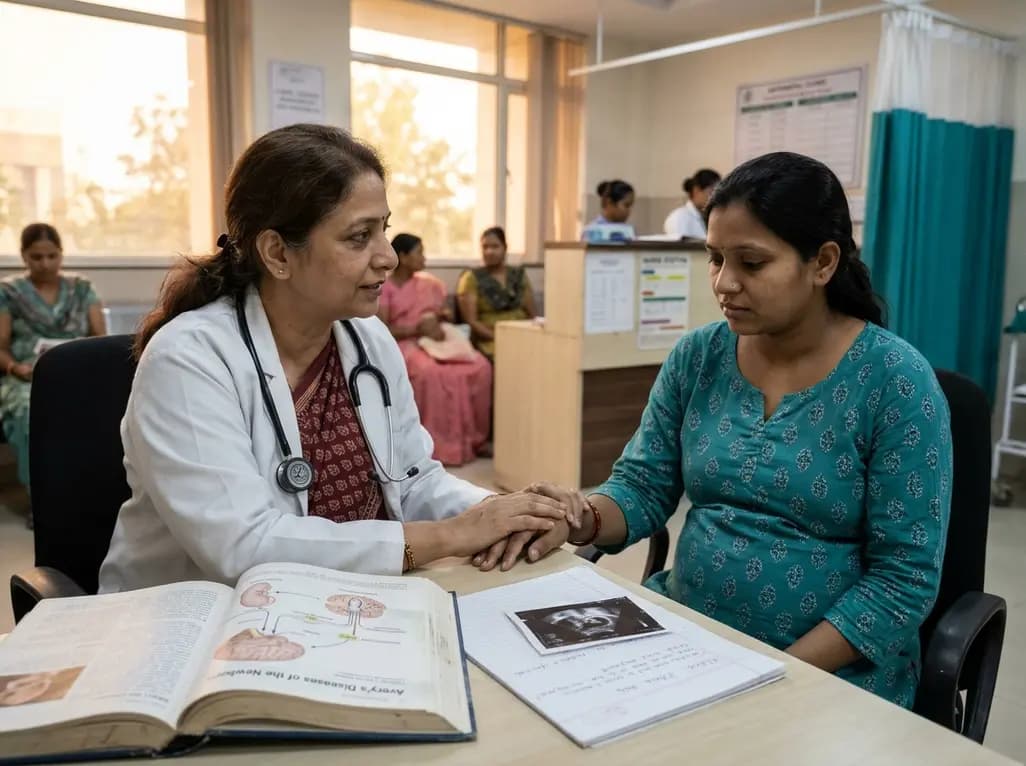
A comprehensive scoping review synthesises evidence linking prenatal maternal mental health to long-term offspring neurodevelopment, evaluating neuroendocrine, inflammatory, and epigenetic pathways while highlighting clinical screening and future research priorities.
Today

The Directorate General of Health Services directs Indian states to halt the hazardous reuse and reprocessing of single-use medical devices. Discover regulatory implications under the Drugs and Cosmetics Act, critical infection risks, legal liabilities, and operational changes required across clinical specialties.
Today
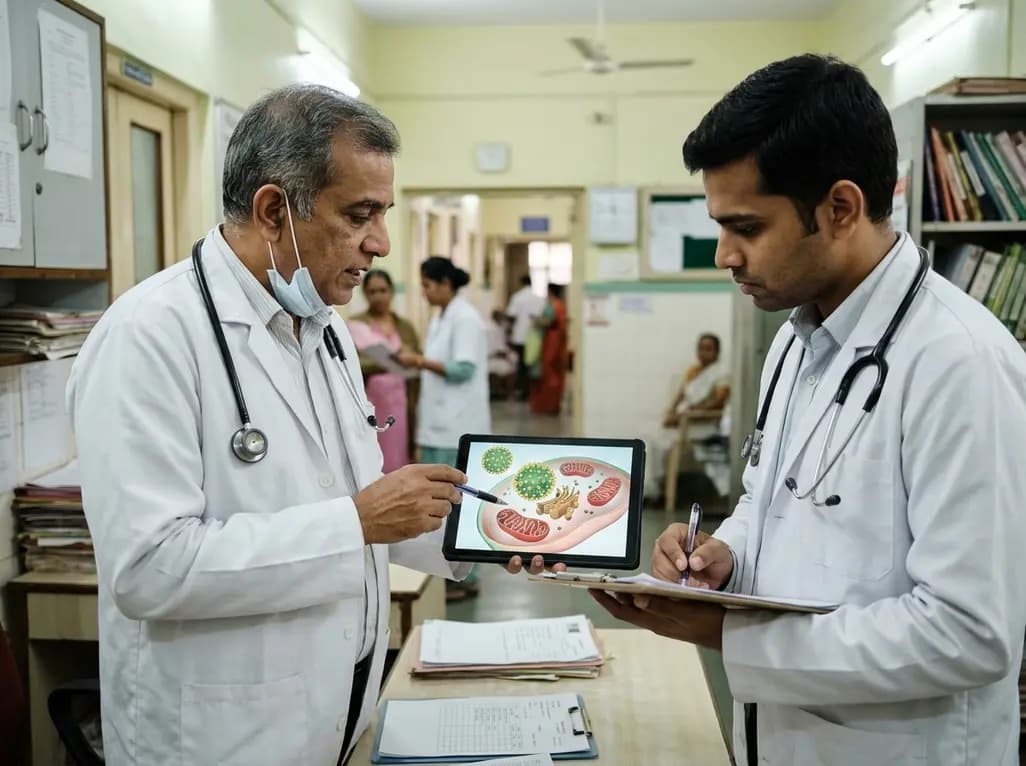
Mitochondria-targeted nanoparticles self-assembled from EGCG and L-glutamic acid effectively restore mitochondrial homeostasis, suppress synovial inflammation, and attenuate chondrocyte senescence in osteoarthritis, offering a promising disease-modifying nanotherapy.
Today

India is advancing preventive healthcare by integrating genomics, artificial intelligence, and quantum technologies. With the SANGAM programme sequencing one million Indian genomes, clinicians can unlock personalized therapies, detect cardiometabolic risks early, and curb the burden of diabetes and heart disease.
Today
