

Loading, please wait...
Loading, please wait...
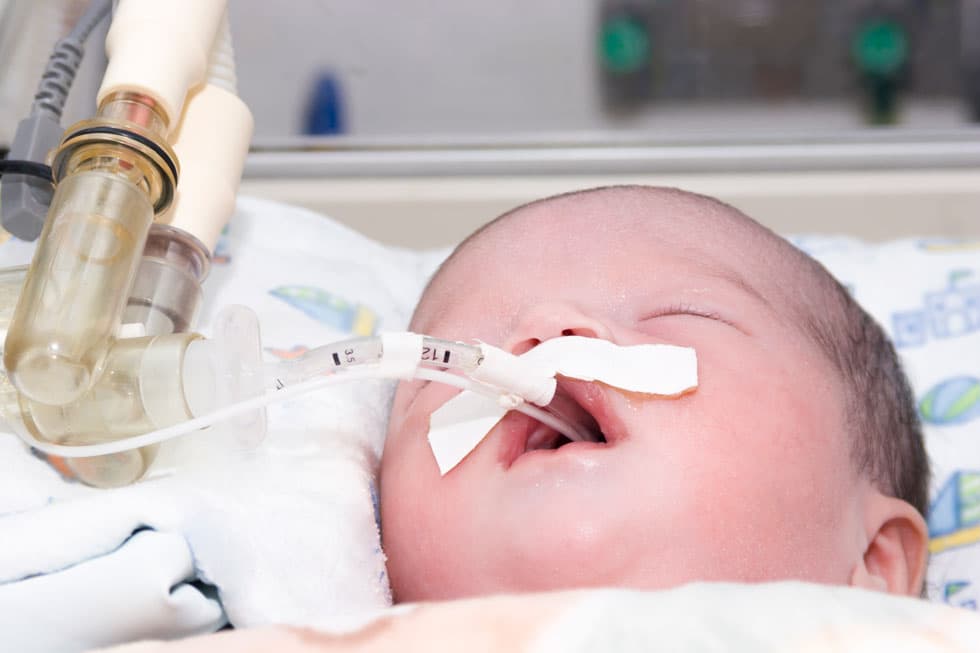
The GENIE systematic review and meta-analysis pooled 86 population-based studies from 30 countries to estimate the incidence of neonatal and infantile-onset epilepsies and epilepsy syndromes. The cumulative incidence of epilepsy in the first 2 years of life was 236.0 per 100,000 live births (95% CI 164.7–338.2). Developmental and epileptic encephalopathies (DEEs) were the most frequent group at 67.7 per 100,000 (95% CI 42.1–108.9), with infantile epileptic spasms syndrome the most common DEE at 31.6 per 100,000 (95% CI 27.5–36.2). Self-limited infantile epilepsy was the most frequent self-limited syndrome (13.0 per 100,000; 95% CI 9.2–18.2). Between-study heterogeneity was high and prediction intervals were wide; most data came from high-income European countries, with no data from the African or Eastern Mediterranean regions. The authors advise that the estimates be read as broad indicators and call for population-based studies in under-represented regions.

Read summarized clinical updates, watch expert medical content, and earn CME certifications right from your smartphone.
Open your smartphone camera to scan and install.





The GENIE systematic review and meta-analysis pooled 86 population-based studies from 30 countries to estimate the incidence of neonatal and infantile-onset epilepsies and epilepsy syndromes. The cumulative incidence of epilepsy in the first 2 years of life was 236.0 per 100,000 live births (95% CI 164.7–338.2). Developmental and epileptic encephalopathies (DEEs) were the most frequent group at 67.7 per 100,000 (95% CI 42.1–108.9), with infantile epileptic spasms syndrome the most common DEE at 31.6 per 100,000 (95% CI 27.5–36.2). Self-limited infantile epilepsy was the most frequent self-limited syndrome (13.0 per 100,000; 95% CI 9.2–18.2). Between-study heterogeneity was high and prediction intervals were wide; most data came from high-income European countries, with no data from the African or Eastern Mediterranean regions. The authors advise that the estimates be read as broad indicators and call for population-based studies in under-represented regions.
Today

Researchers have identified compound 8g, an orally bioavailable corydamine derivative that targets glutathione reductase. By dismantling redox defenses and disrupting NADPH homeostasis, 8g acts synergistically with sorafenib to trigger apoptosis and overcome drug resistance in hepatocellular carcinoma models.
Today

Ascertainment bias in cancer case-control studies inflates odds ratios and penetrance estimates when cases are drawn from high-risk clinics. A landmark modeling study demonstrates substantial bias ranging up to 23.72, highlighting the critical need for ascertainment adjustment in genetic risk counseling.
Today

Researchers demonstrate that central induction of synthetic torpor in non-hibernating rats provides striking cardioprotection, reducing myocardial infarct size by ~40% during ischaemia-reperfusion injury through endogenous survival signaling, independent of hypothermia.
Today

Chronic nonbacterial osteomyelitis (CNO) is a pediatric autoinflammatory bone disorder. This review covers the French protocol, emphasizing whole-body MRI as the diagnostic gold standard, prudent biopsy avoidance, first-line NSAID treatment, and second-line biologic or bisphosphonate therapies for spinal lesions.
Today

A novel fluorine-functionalized near-infrared copper fluorescent probe selectively illuminates lung tissue, revealing critical links between hyperglycemia, ER stress, and pulmonary malignancy for improved early diagnosis.
Today
