

Loading, please wait...
Loading, please wait...

Tracheal, bronchus, and lung malignancies represent a formidable global health challenge, historically associated with older individuals and heavy smoking. However, recent epidemiological evaluations reveal notable shifts in younger demographics. A comprehensive analysis of global burden data from 1990 to 2021 provides valuable insights into early-onset lung cancer among women worldwide. Although aggregated global figures show declining mortality and incidence, regional patterns vary considerably. Furthermore, the clinical presentation of early-onset thoracic malignancies requires clinicians to maintain intense diagnostic vigilance. Young women frequently present with subtle respiratory complaints, which healthcare providers often misattribute to common infections. Consequently, diagnostic delays remain a significant obstacle to timely oncological intervention. In India, where environmental exposures intersect with unique genomic predispositions, understanding these epidemiological shifts is clinically essential. Healthcare providers must recognize emerging presentation patterns to optimize patient outcomes and refine preventive strategies.
Over the past three decades, the worldwide burden of early-onset thoracic malignancies in women has changed appreciably. Surveillance data demonstrate consistent decreases in overall disease burden metrics across most international territories. Researchers observed negative estimated annual percentage changes for age-standardized incidence, mortality, and disability-adjusted life years from 1990 through 2021. Consequently, widespread tobacco control initiatives and improved occupational safety standards have reduced certain carcinogenic risks. Nevertheless, clinicians must interpret these aggregated global improvements cautiously. Significant divergence persists across individual nations and varied socio-demographic index tiers. In several developing regions, incidence rates among young females have plateaued rather than declined. Moreover, absolute patient numbers have expanded due to population growth. Young women who develop thoracic neoplasms frequently present with adenocarcinoma rather than squamous cell carcinoma. Because these tumors frequently arise independently of direct tobacco use, alternative environmental and genetic drivers demand thorough evaluation. Therefore, clinicians cannot rely exclusively on classical smoking history when assessing young female patients.
Evaluating disease trends requires systematic analysis of standardized epidemiological metrics over extended observation periods. The age-standardized incidence rate tracks new disease occurrences while adjusting for shifting generational age distributions. Similarly, the age-standardized death rate quantifies mortality impacts independent of population aging patterns. Disability-adjusted life years incorporate both premature mortality and years lived with persistent functional limitations. Between 1990 and 2021, all three metrics displayed significant downward trajectories for young female thoracic malignancies globally. This decline reflects enhanced secondary prevention, earlier diagnostic confirmation, and broader access to modern supportive care. However, substantial health disparities persist throughout lower-resource healthcare settings. In many developing territories, limited diagnostic pathology and restricted access to thoracic surgery impair survival gains. Consequently, while industrialized nations document steady survival improvements, vulnerable regions face ongoing public health burdens. Thus, analyzing these epidemiological indicators helps health systems allocate oncology infrastructure effectively. Clinicians must understand these broader trends to contextualize regional disease presentations and refine diagnostic workflows.
Historically, public health frameworks associated thoracic carcinomas almost exclusively with direct tobacco smoking. While tobacco remains a major global carcinogen, early-onset disease in women frequently involves non-smoking etiologies. In fact, many young women diagnosed with thoracic neoplasms report no personal history of tobacco consumption. Instead, environmental second-hand smoke, household biomass fuel combustion, and ambient air pollution represent potent drivers. In developing nations, indoor burning of wood and charcoal exposes young women to dense particulate matter. Furthermore, fine ambient particulate matter promotes persistent pulmonary inflammation and oxidative genomic damage. In addition, occupational exposures such as radon, silica, and asbestos fibers increase oncogenic risks. Previous chronic respiratory infections like tuberculosis may also establish localized inflammatory niches that favor tumorigenesis. Because these non-tobacco exposures trigger complex biological cascades, physicians must expand their diagnostic evaluation. Rather than dismissing thoracic disease in non-smokers, doctors should carefully document environmental, domestic, and occupational exposures. Identifying these diverse environmental risk factors is essential for protecting vulnerable female populations globally.
In India, the clinical presentation of early-onset thoracic malignancies in female patients involves distinct practical challenges. Indian women frequently encounter severe indoor air pollution from solid cooking fuels alongside hazardous ambient particulate levels. Additionally, pulmonary tuberculosis remains endemic across the region, often confounding initial clinical and radiological assessments. Consequently, physicians often treat young women presenting with persistent cough, chest pain, or hemoptysis for infectious respiratory diseases. These repeated empirical antibiotic or anti-tubercular courses can delay accurate cancer detection by several crucial months. Therefore, Indian clinicians must maintain elevated suspicion whenever persistent respiratory symptoms fail to resolve after standard treatment. Pulmonologists should consider contrast-enhanced chest computed tomography promptly in non-resolving cases. Furthermore, Asian female non-smokers with lung adenocarcinoma exhibit high rates of actionable epidermal growth factor receptor mutations. Identifying these genomic alterations early allows clinicians to prescribe targeted tyrosine kinase inhibitors promptly. Through heightened diagnostic vigilance and rapid multidisciplinary referral, Indian healthcare providers can substantially improve outcomes for young female patients.
Contemporary management of early-onset thoracic neoplasms relies on precise histological characterization and comprehensive molecular profiling. When imaging identifies suspicious pulmonary lesions, clinicians should secure adequate tissue for biomarker testing. Modern biopsy techniques, including endobronchial ultrasound guidance, provide safe tissue acquisition with minimal procedural morbidity. Subsequently, pathologists perform molecular testing to identify actionable oncogenic drivers, including EGFR, ALK, and ROS1 alterations. Because targeted therapies yield superior response rates compared to conventional chemotherapy, identifying these mutations transforms clinical prognosis. Furthermore, evaluating programmed death-ligand 1 expression guides immunotherapy choices when appropriate. Beyond individualized pharmacotherapy, aggressive public health measures remain vital for long-term risk reduction. Governments must implement clean energy initiatives to eliminate biomass smoke exposure in rural households. Similarly, stricter ambient air pollution controls will reduce toxic particulate inhalation in expanding urban areas. Promoting earlier physician education will also curb unnecessary diagnostic delays across primary care networks. Combining advanced molecular diagnostics with robust environmental interventions offers the most effective pathway toward reducing female thoracic cancer mortality.
Early-onset thoracic malignancies generally refer to primary tracheal, bronchus, or lung cancers diagnosed in individuals under fifty years of age. In women, these presentations exhibit distinct clinicopathological characteristics compared to late-onset cases. Patients typically develop peripheral adenocarcinomas rather than central squamous carcinomas. Furthermore, early-onset cases demonstrate a markedly higher frequency of actionable oncogenic driver mutations, necessitating rapid molecular testing and tailored therapeutic strategies instead of standard empiric chemotherapy regimens.
Non-smoking women face substantial environmental and genetic risks that trigger pulmonary carcinogenesis. Prolonged domestic inhalation of biomass fuel smoke, ambient particulate matter, and second-hand tobacco smoke causes chronic airway inflammation and oxidative DNA damage. In addition, inherited genetic polymorphisms and altered estrogen receptor signaling pathways may heighten biological susceptibility in younger women. Consequently, these non-tobacco carcinogenic exposures promote malignant cellular transformation, underscoring the critical need to investigate non-smokers with chronic respiratory complaints.
Clinicians must mandate upfront, comprehensive next-generation sequencing for all young women diagnosed with advanced thoracic adenocarcinoma. Because actionable alterations like epidermal growth factor receptor mutations and anaplastic lymphoma kinase fusions occur frequently in this group, molecular testing directly dictates first-line therapy. Initiating targeted tyrosine kinase inhibitors achieves superior progression-free survival and quality of life compared to conventional chemotherapy. Therefore, preserving biopsy tissue for broad biomarker evaluation should always remain a top clinical priority.
Disclaimer: This content is for informational and educational purposes only... Refer to the latest local and national guidelines for clinical practice.
References

Read summarized clinical updates, watch expert medical content, and earn CME certifications right from your smartphone.
Open your smartphone camera to scan and install.





A 1990-2021 global burden study reveals declining rates of early-onset female lung cancer, yet persistent regional disparities remain. Non-smoking risk factors, indoor biomass smoke, and high EGFR mutation prevalence highlight the urgent need for timely diagnosis and molecular testing in India.
Today
Explore vital recurrent stroke predictors in lacunar stroke patients managed with intensive blood pressure lowering. This analysis examines trial findings from SPS3 to uncover residual vascular risks, metabolic factors, and targeted secondary prevention strategies for high-risk neurological patients.
Today
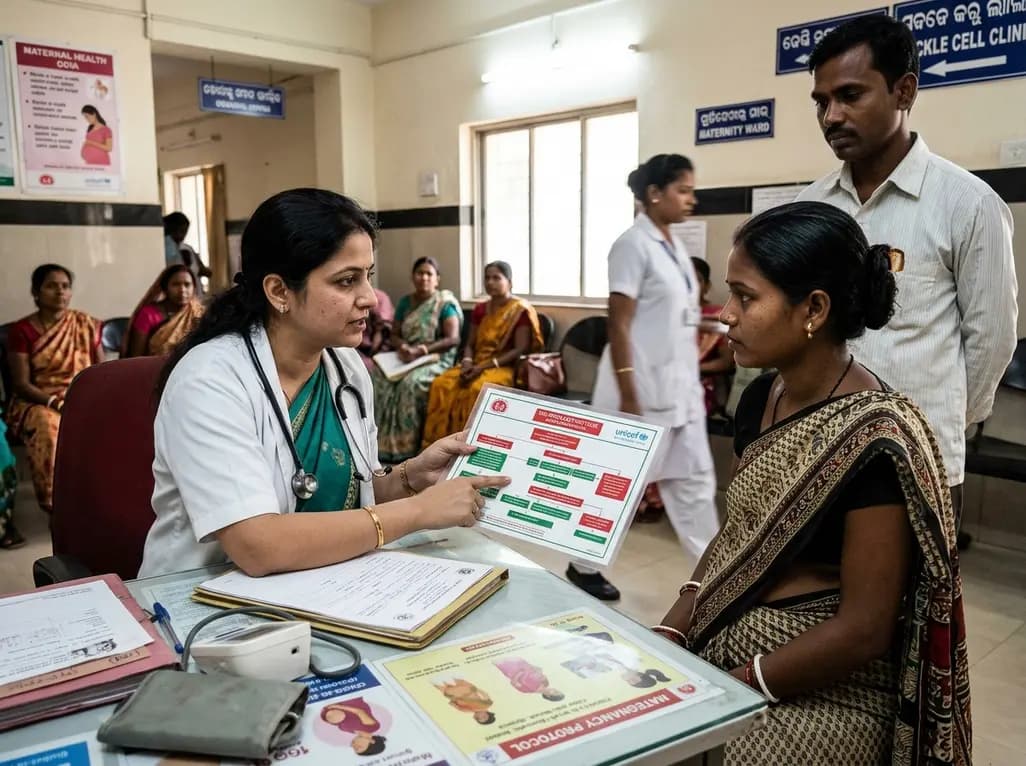
Odisha has established India's first state-level clinical protocol specifically tailored for pregnant women with sickle cell disease. Developed with NHM and UNICEF, the framework provides structured antenatal screening, crisis mitigation, standardized referral pathways, and specialized interdisciplinary care.
Today
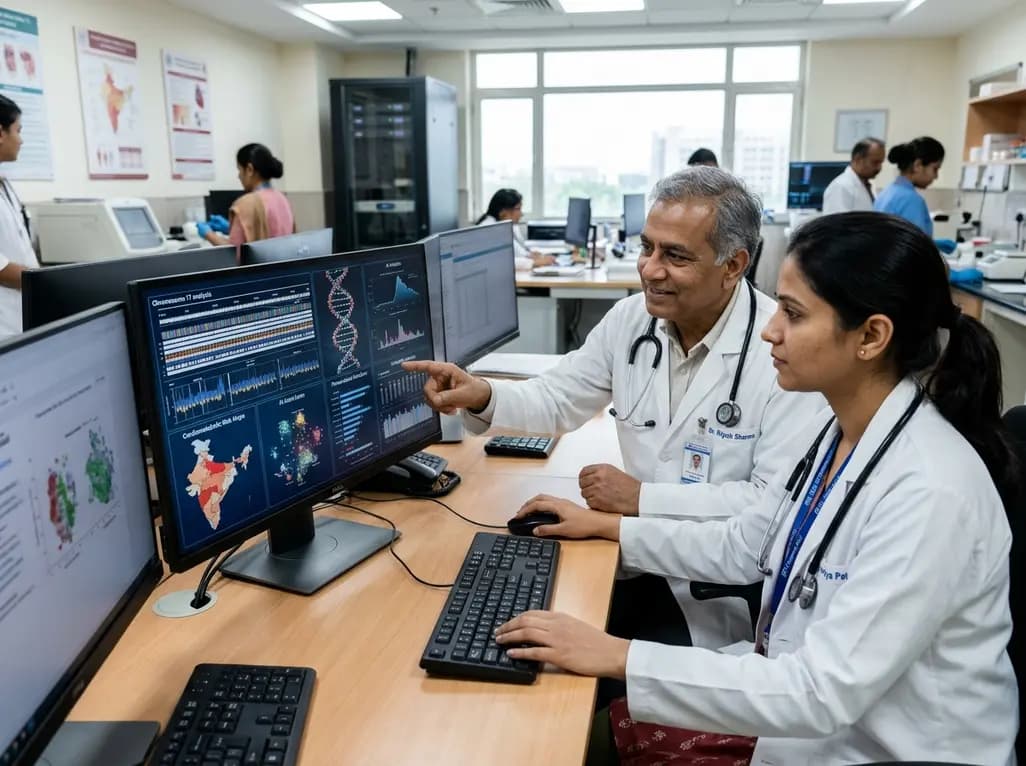
India is advancing preventive healthcare by integrating genomics, artificial intelligence, and quantum technologies. With the SANGAM programme sequencing one million Indian genomes, clinicians can unlock personalized therapies, detect cardiometabolic risks early, and curb the burden of diabetes and heart disease.
Today
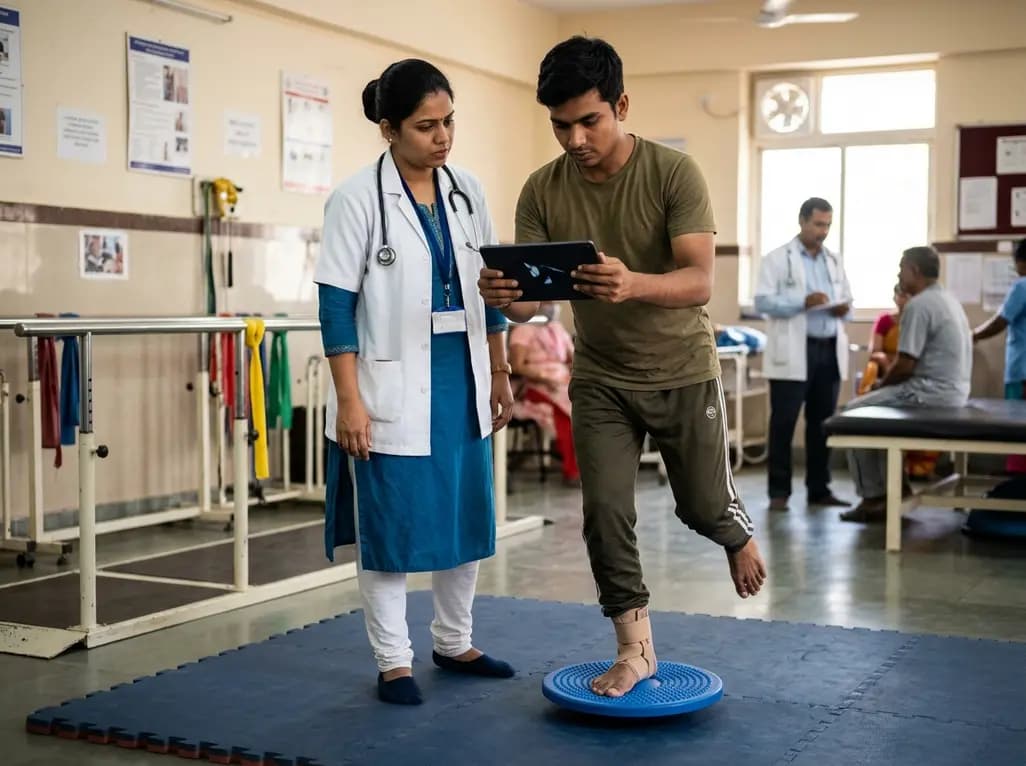
A randomized controlled trial demonstrates that an eight-week dual-task training intervention significantly improves static and dynamic postural control over standard balance exercises in individuals with chronic ankle instability, addressing critical neurocognitive deficits during athletic and daily activities.
Today

A retrospective cohort study of 7,716 ICU patients from the MIMIC-IV database demonstrates that Gradient Boosting Decision Trees significantly outperform traditional SOFA scores in predicting in-hospital mortality among patients with sepsis and diabetes, with SHAP analysis providing clinical interpretability.
Today
