

Loading, please wait...
Loading, please wait...
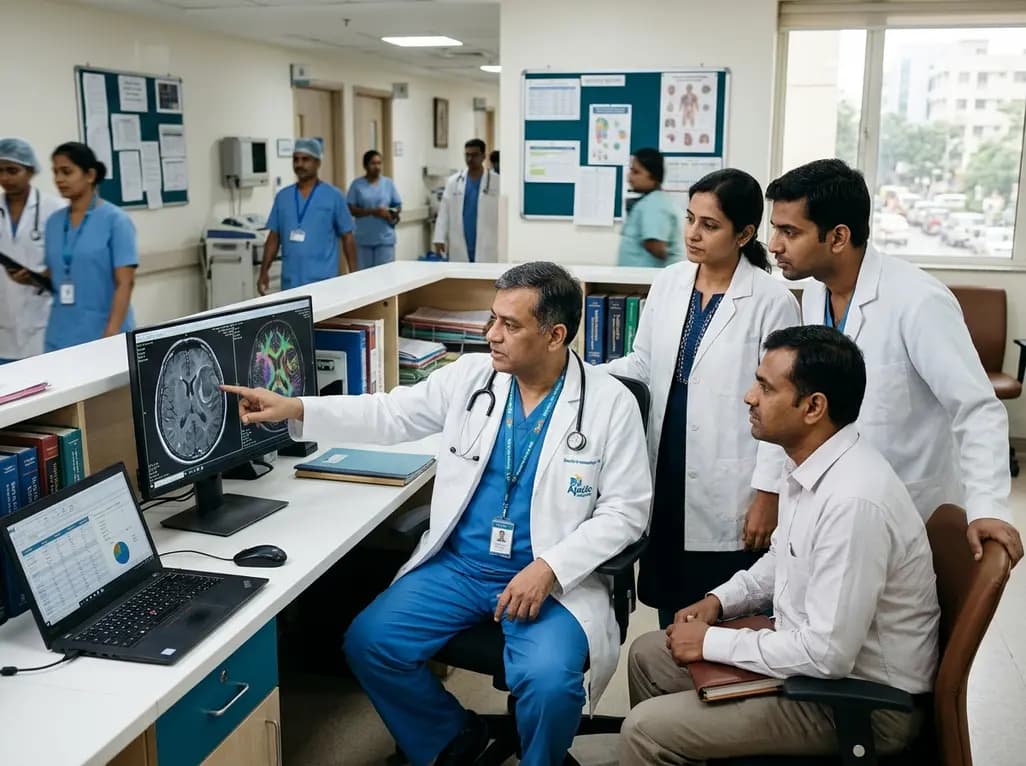
Glioblastoma represents the most aggressive primary brain malignancy in neurosurgical practice. Historically, clinical investigations primarily highlighted overall survival, progression-free survival, and radiographic disease control. However, contemporary oncology also prioritizes functional recovery, financial toxicity, and social reintegration. For economically active adults, achieving successful glioblastoma return to work restores self-worth, strengthens personal dignity, and provides essential socioeconomic stability. Consequently, understanding post-surgical employment outcomes offers vital insights into real-world rehabilitation success. Furthermore, a landmark multicenter investigation evaluated adult patients to identify specific clinical, functional, and demographic factors predicting career resumption. Therefore, treating physicians can now utilize these concrete findings to guide postoperative recovery plans and multidisciplinary rehabilitation pathways.
The multicenter study analyzed 106 adult patients who maintained active employment prior to undergoing primary surgical resection or diagnostic biopsy across three major tertiary medical centers. Notably, investigators evaluated occupational status at three and six months postoperatively. At the six-month follow-up, exactly 33 patients, representing 33.1 percent of the previously employed cohort, returned to work. Therefore, roughly one in three patients successfully resumed their careers following brain tumor surgery. Furthermore, this reintegration rate highlights both patient resilience and substantial functional recovery hurdles. In contrast, individuals who failed to return to work faced persistent physical and neurological challenges. Multivariate regression demonstrated that female sex correlated with significantly lower odds of resuming employment, with an odds ratio of 0.238. In addition, unadjusted analyses showed that right-handed individuals experienced lower rates of vocational resumption. Consequently, these findings indicate that demographic and neurofunctional dynamics substantially influence long-term occupational outcomes for brain tumor survivors.
Functional status serves as a decisive determinant of postoperative vocational recovery. In this multicenter cohort, investigators utilized the Karnofsky Performance Scale to quantify functional capability at vital postoperative intervals. Specifically, clinicians assessed performance status at two weeks and three months following surgical intervention. The findings showed that early physical impairment severely restricted long-term workplace resumption. Patients with a Karnofsky Performance Scale score below 80 at two weeks post-surgery demonstrated significantly lower rates of career resumption. Moreover, this association strengthened substantially at the three-month evaluation. On multivariate analysis, a three-month score below 80 represented an exceptionally strong negative predictor of work resumption, yielding an odds ratio of 0.019. Thus, persistent functional decline at twelve weeks virtually eliminated the likelihood of occupational reintegration. In contrast, patients who maintained functional independence resumed professional duties far more reliably. Therefore, serial performance evaluations provide clinicians with valuable prognostic information during routine follow-up care.
Surgical strategy plays a fundamental role in preserving both oncological control and functional capacity. In this multicenter investigation, the extent of surgical resection correlated significantly with occupational endpoints. Specifically, patients who underwent subtotal resection experienced notably lower odds of returning to work compared to those achieving gross total resection. Therefore, achieving maximal safe resection preserves vital neurological pathways that support workplace performance. However, aggressive cytoreduction carries inherent risks of operative neurological morbidity. The study demonstrated that acute postoperative motor deficits significantly diminished the probability of returning to work at six months. Similarly, acute gait disturbances and postoperative speech impairments created profound barriers to professional reintegration. Furthermore, persistent deficits lasting beyond the perioperative period solidified long-term occupational disability. Consequently, neurosurgeons must meticulously balance surgical cytoreduction against functional preservation. Modern adjuncts like intraoperative functional mapping and neurophysiological monitoring help surgeons avoid new permanent neurological deficits, thereby protecting career viability.
Vocational recovery also demonstrated a profound correlation with overall patient survival. The multicenter analysis revealed that patients who returned to work at six months exhibited significantly longer median overall survival compared to those unable to resume employment. In fact, vocational resumption served as a meaningful marker of physiological vitality, superior functional reserve, and favorable tumor biology. Conversely, patients who failed to return to work experienced accelerated disease progression and shortened survival intervals. Furthermore, maintaining active employment provides cognitive engagement, emotional satisfaction, and essential social interactions that help buffer against oncological stress. In contrast, prolonged unemployment often precipitates financial toxicity, social isolation, and severe depressive symptoms. In addition, professional employment preserves medical insurance coverage and mitigates out-of-pocket expenses during aggressive maintenance therapy. Therefore, clinicians must recognize vocational capacity as a vital health-related quality of life metric rather than a minor secondary endpoint. Consequently, post-treatment survivorship assessments should routinely incorporate occupational counseling.
Optimizing functional outcomes requires structured, aggressive neuro-rehabilitation commencing immediately following cranial surgery. Because early functional status strongly governs vocational potential, clinical teams must initiate physical, occupational, and speech therapy during initial hospitalization. Furthermore, outpatient rehabilitation programs should specifically target executive functioning, cognitive stamina, and fine motor dexterity necessary for workplace duties. In addition, oncology teams must routinely screen recovering patients for fatigue, post-craniotomy mood disorders, and psychological distress. Consequently, targeted neurocognitive rehabilitation empowers patients to develop practical coping strategies for demanding professional environments. Moreover, healthcare providers should collaborate with employers to establish phased, flexible return-to-work pathways. For example, modified duty hours, remote arrangements, and cognitive pacing ease vocational transitions considerably. Similarly, aggressive symptom management during adjuvant temozolomide and radiation therapy prevents secondary functional deterioration. Therefore, proactive supportive care preserves physical reserves throughout intensive oncological treatments. Ultimately, combining precise microsurgery with structured neuro-rehabilitation affords glioblastoma patients the greatest opportunity to reclaim professional independence.
In this multicenter study, approximately 33.1 percent of previously employed glioblastoma patients successfully returned to work at six months following surgery. Early postoperative functional independence and minimal persistent neurological deficits significantly increased the likelihood of achieving successful professional reintegration during active recovery.
Multivariate analysis identified female sex and a Karnofsky Performance Scale score below 80 at three months postoperatively as the strongest independent predictors of vocational disability. Subtotal surgical resection and acute postoperative motor or gait deficits also markedly reduced the likelihood of workplace resumption.
Patients who successfully returned to work at six months demonstrated significantly longer median overall survival compared to those who remained unemployed. Resuming employment reflects preserved physical performance, superior neurological recovery, and biological resilience, while actively supporting emotional well-being and reducing socio-economic hardship.
Disclaimer: This content is for informational and educational purposes only and should not be considered as medical advice or a substitute for professional healthcare guidance. Always consult a qualified medical professional for diagnosis and treatment. Refer to the latest local and national guidelines for clinical practice.
References

Read summarized clinical updates, watch expert medical content, and earn CME certifications right from your smartphone.
Open your smartphone camera to scan and install.





A multicenter study reveals that one in three glioblastoma patients returns to work within six months post-surgery. Postoperative functional performance (KPS), resection extent, and neurological preservation serve as pivotal predictors of successful career resumption and prolonged overall survival.
Today
A qualitative study investigates whether traditional bedside clinical examinations still mirror contemporary physician practice. Findings support retaining long cases while reforming short cases toward hypothesis-driven assessments.
Today
A pilot study evaluated WearDOXXN, a capillary microfluidic sweat patch, for noninvasive breast cancer monitoring by comparing sweat and serum CEA and PIP/GCDFP-15 levels.
Yesterday
India faces a massive diabetes burden with over 89 million adults affected. Managing blood sugar in isolation fails to prevent severe cardiorenal complications. Clinicians must adopt an integrated metabolic ecosystem that prioritizes early detection, multifactorial risk assessment, and personalized therapies.
Yesterday
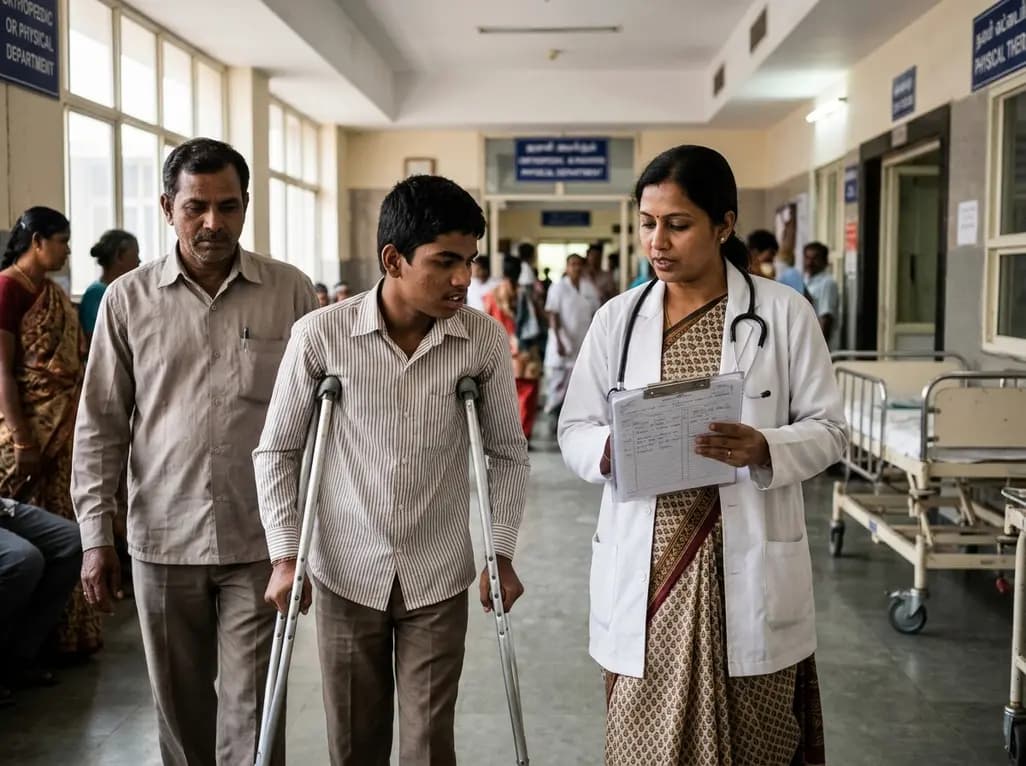
The Gross Motor Function Classification System (GMFCS) stops its validated age bands at 18. Recent evidence emphasizes that evaluating adult cerebral palsy requires purpose-sensitive documentation combining adolescent ratings with dynamic profiles of mobility, fatigue, pain, and community participation.
Yesterday
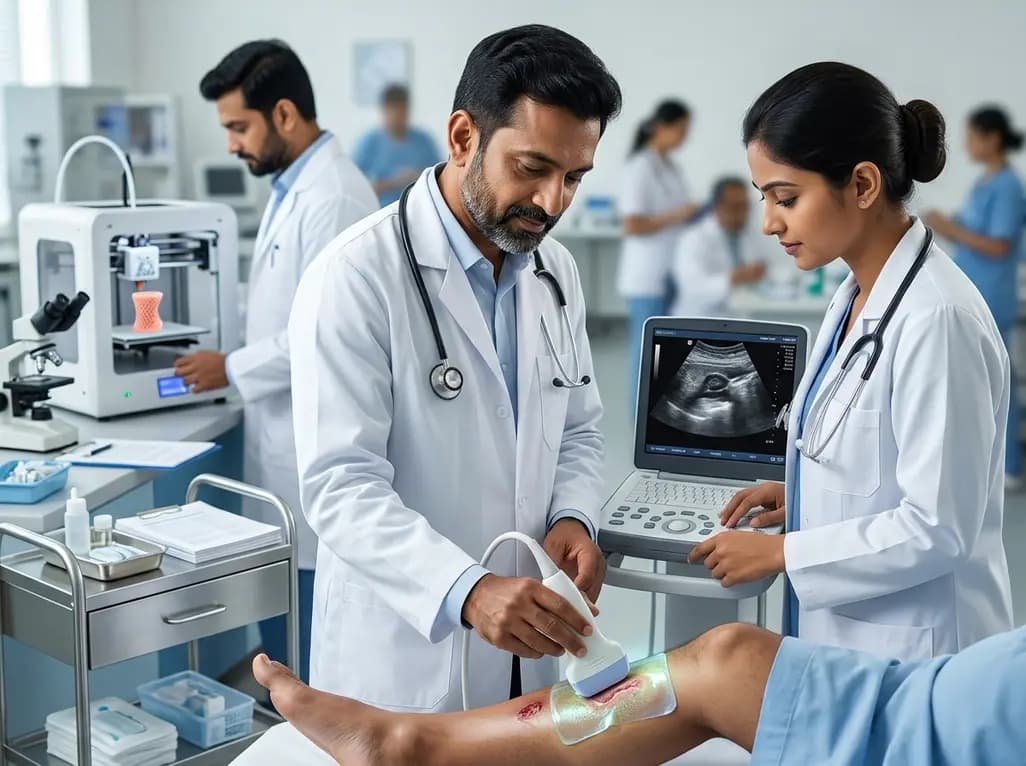
A breakthrough 3D-printed piezoelectric collagen hydrogel activated by ultrasound accelerates diabetic wound repair, demonstrating 98.5% wound closure, robust antibacterial action, and enhanced vascularization without toxic chemical crosslinkers.
Today
