.webp&w=384&q=75)

Loading, please wait...
Loading, please wait...

Alcohol use disorder remains a devastating global neuropsychiatric challenge that impairs millions of lives across diverse healthcare environments. Historically, researchers evaluated brain pathology using homogenised tissue samples, which masked critical cell-type dynamics. However, emerging genomic methodologies now provide unprecedented insights into cortical cell populations. A landmark postmortem human brain study reveals pronounced glial transcriptomic dysregulation within the dorsolateral prefrontal cortex. By analyzing individual nuclei, investigators uncovered specific non-neuronal disruptions that remodel our understanding of chronic alcohol dependence. Consequently, these findings challenge classical neurocentric paradigms and highlight glial mechanisms as primary drivers of cortical pathology.
Previous molecular investigations of alcohol dependence frequently relied on bulk cortical tissue homogenates. Consequently, those investigations blended distinct cell signatures, obscuring delicate regulatory alterations occurring within specialized subpopulations. To overcome this limitation, researchers examined 73 postmortem dorsolateral prefrontal cortex specimens from individuals with alcohol use disorder and neurotypical controls. Furthermore, the investigative team profiled over 450,000 individual nuclei across male and female donors. They deployed high-dimensional single-nucleus RNA sequencing to capture transcriptomic variations at single-cell resolution. Additionally, the scientists integrated public proteomic datasets to validate transcript alterations at the protein level. As a result, the researchers accurately identified thirty-two distinct cortical cell clusters. Moreover, the investigators utilized advanced bioinformatic pipelines to minimize batch effects across institutional cohorts. Therefore, the resulting genomic atlas captures authentic biological differences rather than technical artifacts. Clinicians must recognize that such high-resolution mapping represents a crucial paradigm shift in addiction neuroscience.
Researchers traditionally attributed the neurobiology of addiction exclusively to neuronal malfunction and dopamine signaling pathways. However, this rigorous single-nucleus analysis revealed widespread glial transcriptomic dysregulation throughout the cortical landscape. Glial cells exhibited the most extensive differential gene expression across the entire prefrontal cortex. Specifically, investigators identified novel sub-populations of microglia and reactive astrocytes that drove the majority of co-expression changes. These non-neuronal populations displayed marked alterations in genes governing immune signaling, metabolic homeostasis, and structural integrity. Furthermore, secondary proteomic validation confirmed that these mRNA shifts translated directly into functional protein changes. Consequently, the study demonstrated that cortical glia undergo extensive phenotypic reprogramming during chronic substance exposure. Astrocytic networks displayed profound neuroinflammatory shifts, while microglial clusters showed robust activation signatures. Thus, glia represent primary epicenters of cortical pathology in alcohol use disorder rather than passive bystander cells.
Beyond documenting gene expression shifts, the investigators sought to determine whether these anomalies merely reflected alcohol toxicity. Alternatively, they asked whether underlying genetic risk actively predisposes specific glial lineages to dysfunction. Therefore, the research team integrated aggregate genetic risk scores from genome-wide association studies into their single-cell datasets. Notably, their analysis demonstrated significant enrichment of disease susceptibility variants specifically within microglial and astrocytic subtypes. This discovery confirms that glial alterations are not simply passive collateral damage from ethanol consumption. Instead, aggregate genetic liability directly influences glial cellular pathways, causally linking them to disease onset and progression. Furthermore, microglial sub-clusters exhibited enrichment for pathways regulating innate immune activation and synaptic pruning. Meanwhile, astrocytic clusters displayed strong associations with disrupted glutamate transport and extracellular ionic equilibrium. Consequently, innate genomic vulnerability within glial populations accelerates cortical decline during sustained drinking.
The dorsolateral prefrontal cortex governs executive function, impulse inhibition, and cognitive flexibility. In individuals with alcohol use disorder, structural thinning and functional hypoactivity within this region contribute to compulsive drinking. Notably, the transcriptomic data reveal intense neuroimmune signaling cascades orchestrated by reactive microglia and astrocytic subsets. When microglia transition into pro-inflammatory states, they secrete cytokines that degrade local synaptic architecture. Additionally, dysregulated astrocytes fail to clear extracellular glutamate efficiently, generating chronic excitotoxic stress. Consequently, these converging neuroimmune pathways impair prefrontal pyramidal neurons and disrupt local microcircuits. Furthermore, chronic neuroinflammation damages oligodendrocyte progenitor cells, compromising white matter tract integrity. As a result, patients experience progressive loss of top-down inhibitory control over alcohol-seeking compulsions. Therefore, neuroimmune-mediated glial remodeling directly drives the clinical deterioration observed in chronic alcohol dependence. Understanding these precise cellular dynamics bridges molecular biology and observed clinical symptoms.
Current pharmacotherapies for alcohol use disorder primarily target neuronal neurotransmitter receptors, yielding modest clinical outcomes. Agents like acamprosate, naltrexone, and disulfiram provide meaningful benefits, yet relapse rates remain high worldwide. However, identifying glial transcriptomic abnormalities reveals completely novel therapeutic avenues for clinical intervention. Because microglial and astrocytic subtypes harbor distinct molecular signatures, future drugs could selectively target neuroinflammatory checkpoints. For example, specialized neuroimmune modulators could attenuate pathological microglial activation. Additionally, enhancing astrocytic glutamate transporter expression could mitigate neurotoxicity and craving during withdrawal. Furthermore, cell-type-specific biomarkers could eventually guide personalized treatment strategies in psychiatric practice. Consequently, bridging genomic discovery with translational pharmacology offers tremendous hope for recalcitrant addiction cases. Clinicians must recognize that targeting glial-mediated neuroinflammation could substantially improve long-term recovery rates when combined with comprehensive psychosocial interventions.
Translating single-cell postmortem discoveries into everyday clinical practice requires a nuanced understanding of addiction biology. Physicians must communicate to patients and families that alcohol use disorder involves concrete, measurable neuropathological changes. Furthermore, recognizing glial involvement destigmatizes the disorder by framing dependence as a biological disease rather than moral failure. In clinical consultations, doctors can explain that chronic alcohol exposure alters cellular brain networks governing judgment and impulse control. Additionally, clinicians should emphasize that prolonged abstinence allows neuroinflammatory pathways to stabilize and partially recover. Future research must expand these single-nucleus analyses to other vulnerable brain regions, including the amygdala and striatum. Longitudinal translational studies will also clarify how existing medications influence glial transcriptomic profiles over time. Ultimately, these scientific advances empower healthcare providers to deliver compassionate, evidence-based care grounded in modern molecular neuroscience.
Glial cells, including microglia and astrocytes, regulate neuroinflammation, maintain synaptic connectivity, and clear excess neurotransmitters in the brain. Chronic alcohol exposure disrupts these homeostatic mechanisms, triggering neurotoxic cascades and structural rewiring. Consequently, glial dysfunction actively drives alcohol craving, neurodegeneration, and behavioral escalation rather than simply acting as a passive response.
Bulk tissue homogenates obscure gene expression by blending transcripts across diverse neuronal and non-neuronal populations. In contrast, single-nucleus RNA sequencing isolates individual nuclei, permitting precise transcriptomic quantification within specific sub-lineages. Therefore, researchers can resolve cell-specific pathways, uncovering masked molecular disturbances in discrete glial subsets that bulk sequencing typically overlooks.
Current pharmacological therapies for alcohol dependence primarily target neuronal neurotransmitter receptors, showing limited overall clinical efficacy. Because novel glial subtypes exert causal genetic effects on disease development, developing small molecules that modulate neuroimmune signaling and glial homeostasis presents a promising frontier. Consequently, these glial pathways offer transformative targets for future pharmacotherapies.
Disclaimer: This content is for informational and educational purposes only and does not constitute medical advice, diagnosis, or treatment. Always seek the advice of a qualified healthcare provider with any questions you may have regarding a medical condition. Never disregard professional medical advice or delay in seeking it because of something you have read here. Clinical judgment must guide the interpretation and application of this information. Refer to the latest local and national guidelines for clinical practice.
References
Warden AS et al. Integrative Genomics Approach Identifies Glial Transcriptomic Dysregulation and Risk in the Cortex of Individuals With Alcohol Use Disorder. Biol Psychiatry. 2026 Jan 01. doi: 10.1016/j.biopsych.2025.02.895. PMID: 40024496.
Erickson EK, Grantham EK, Warden AS, Harris RA. Neuroimmune signaling in alcohol use disorder. Pharmacol Biochem Behav. 2019;177:34-60. doi: 10.1016/j.pbb.2018.12.007.

Read summarized clinical updates, watch expert medical content, and earn CME certifications right from your smartphone.
Open your smartphone camera to scan and install.





A single-nucleus RNA sequencing study of postmortem brain tissue reveals that glial transcriptomic dysregulation in microglia and astrocytes is a primary, genetically causal driver of cortical pathology in alcohol use disorder, uncovering novel therapeutic targets beyond classical neuronal receptors.
Today

Hantaviruses are emerging zoonotic pathogens causing hemorrhagic fever with renal syndrome and hantavirus pulmonary syndrome. Characterized by severe capillary leakage and thrombocytopenia, these infections require prompt diagnosis, vigilant hemodynamic monitoring, and specialized critical care support.
Today

The ClinGen Prenatal Gene Curation Expert Panel evaluated 63 disease relationships across 61 genes, establishing clinical validity for severe fetal phenotypes like hydrops and stillbirth to enhance prenatal genomic interpretation and clinical care.
Yesterday

Managing refractory hypoxemia after cardiothoracic surgery becomes perilous when prolonged air leak limits positive-pressure ventilation. This case-based review details how high-flow nasal cannula, paired with awake rehabilitation, enabled successful extubation and avoided invasive re-intubation.
Today

Idiopathic axillary web syndrome (IAWS) is a rare cause of shoulder pain and mobility restriction characterized by palpable axillary cording without prior surgery or trauma. Early diagnosis, nonsteroidal anti-inflammatory therapy, and physical rehabilitation lead to complete resolution of symptoms.
Today
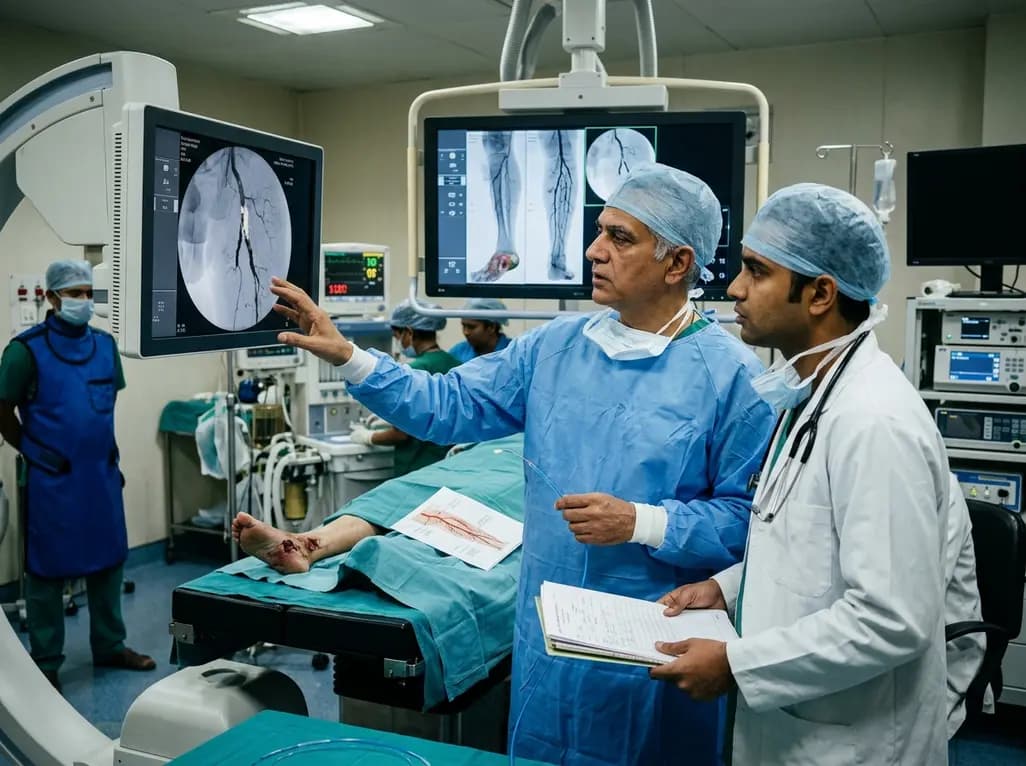
SWEDEPAD-1 trial insights show paclitaxel-coated devices do not improve long-term limb salvage in patients with chronic limb-threatening ischemia and tissue loss. While one-year reinterventions decreased, the devices were linked to a higher risk of major amputation at three months.
Today
