.webp&w=384&q=75)

Loading, please wait...
Loading, please wait...

Neuropathic pain remains a significant challenge for healthcare providers globally. Specifically, recent studies highlight that glial cell neuropathic pain mechanisms are essential for chronic hypersensitivity. Over the past two decades, evidence showed that non-neuronal cells drive this debilitating condition. Consequently, peripheral nerve injury induces reactive responses in microglia and astrocytes. These cells facilitate neuroinflammation within the central nervous system. Furthermore, satellite glial cells in the peripheral ganglia contribute to these painful states. Therefore, understanding these pathways is critical for clinical success.
Under physiological conditions, glial cells maintain the homeostatic regulation of spinal circuits. However, neuropathic pain often results in a form of \"gliopathy.\" In this state, dysregulated glial activity enhances neuronal excitability. This process involves both peripheral and central sensitization. Moreover, glial cells release cytokines that amplify nociceptive signaling. Consequently, patients experience prolonged pain sensitivity and neuronal plasticity. Additionally, these neuro-glial interactions maintain pain even after the initial injury heals. Thus, targeting these mechanisms represents a logical therapeutic shift.
Effective management requires innovative strategies. Specifically, researchers are evaluating emerging therapeutic targets within the glial cell neuropathic pain framework. For instance, glial modulators and cytokine inhibitors show promise in resolving neuroinflammation. Furthermore, new drugs aim to restore impaired glutamate clearance in astrocytes. Additionally, these interventions could prevent the transition from acute to chronic pain. However, clinical translation requires further rigorous investigation. Nonetheless, these advancements offer a promising path forward for pain medicine.
Glial cells drive neuropathic pain by releasing inflammatory mediators. These substances enhance the excitability of sensory neurons and promote central sensitization.
Gliopathy refers to a condition where dysregulated glial activity becomes the primary driver of chronic pain hypersensitivity, rather than just neuronal damage.
Most traditional treatments target neurons. However, new therapeutic strategies are emerging to target glial neuroinflammation and neuro-glial interactions for more effective relief.
Disclaimer: This content is for informational and educational purposes only. It does not constitute professional medical advice, diagnosis, or treatment. Always seek the advice of your physician or other qualified healthcare provider with any questions you may have regarding a medical condition. Refer to the latest local and national guidelines for clinical practice.
References
Berta T et al. Glial cells in neuropathic pain. Physiol Rev. 2026 May 11. doi: 10.1152/physrev.00034.2025. PMID: 42113554.
International Association for the Study of Pain (IASP). 2026 Global Year on Neuropathic Pain: Fact Sheets and Clinical Perspectives. 2026.
Ji RR, Berta T, Nedergaard M. Glia and pain: Is chronic pain a gliopathy? Pain. 2013 Dec;154 Suppl 1:S10-S28. doi: 10.1016/j.pain.2013.06.022.

Read summarized clinical updates, watch expert medical content, and earn CME certifications right from your smartphone.
Open your smartphone camera to scan and install.





Explore how microglia and astrocytes drive neuropathic pain through neuroinflammation and discover the latest therapeutic targets for chronic pain managemen...
5 months ago

Co-administering antiseizure medications and DOACs frequently causes pharmacokinetic interactions, subtherapeutic drug levels, and thromboembolic failures. This review highlights enzyme induction risks, unpredictable outcomes with levetiracetam, and the vital role of therapeutic drug monitoring.
Today

Demanding exhaustive hormonal profiling can inadvertently discourage clinical studies involving females. Methodological standards must align with the specific scientific question to expand, not restrict, equitable evidence for women.
Today
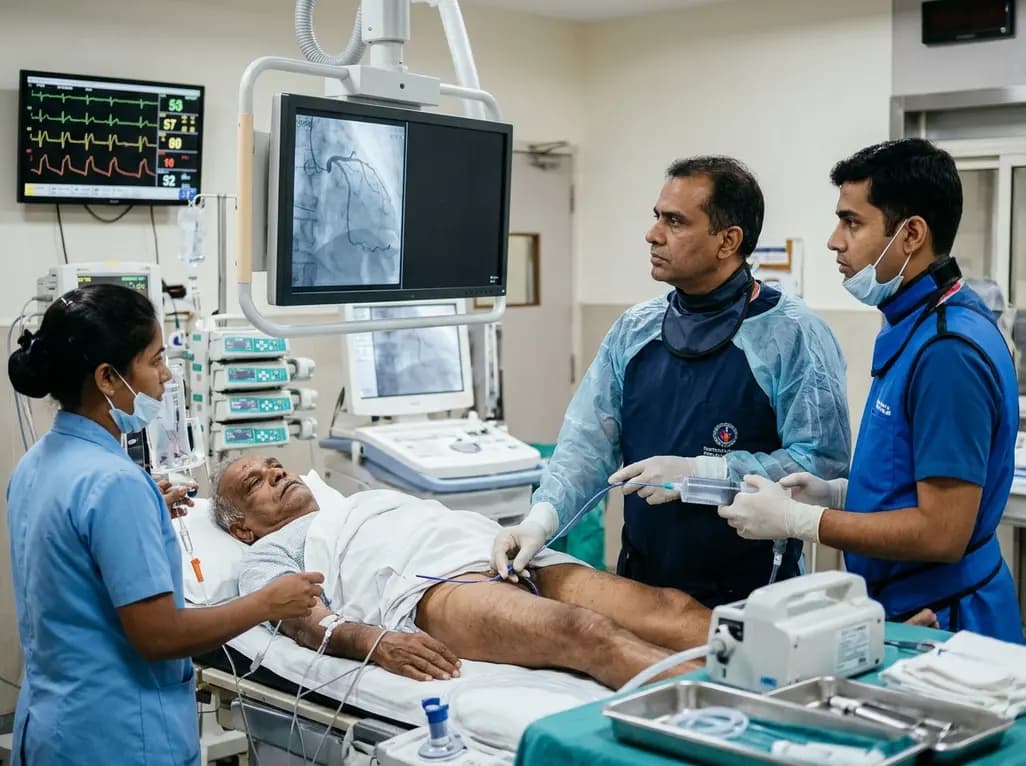
An elderly man with partially repaired Tetralogy of Fallot presented with STEMI caused by coronary embolism rather than atherosclerosis. Successful treatment with sustained mechanical aspiration thrombectomy underscores the vital need for high clinical vigilance in adult congenital heart disease.
Today
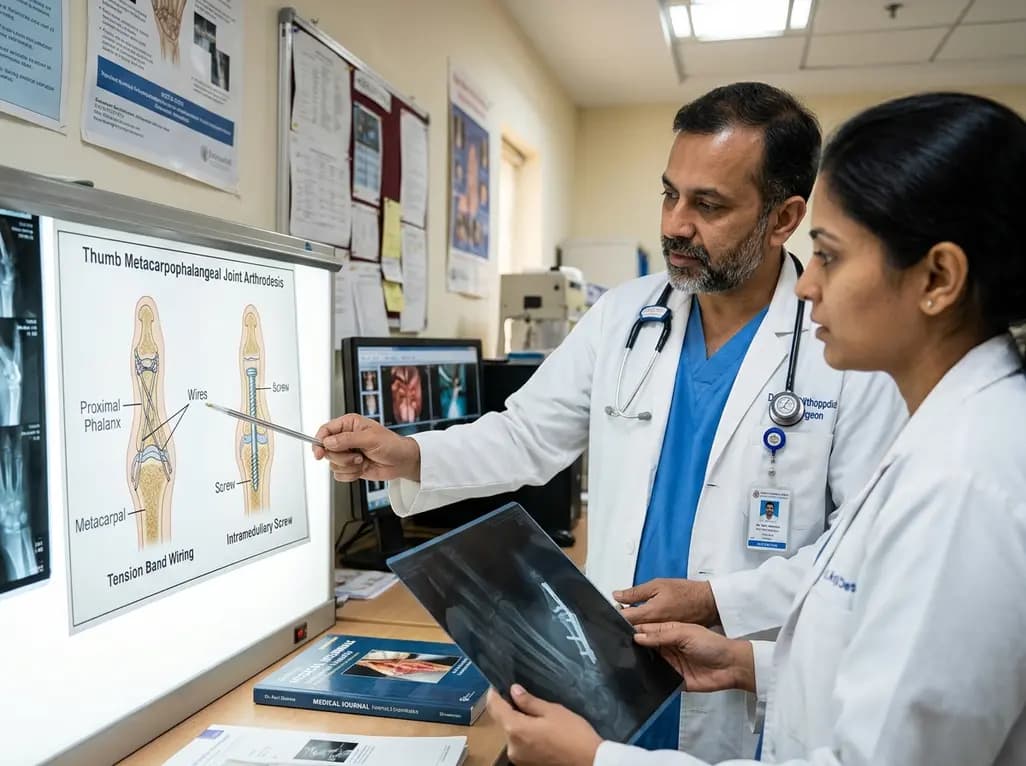
A comparative review of tension band wiring and intramedullary screw fixation in thumb metacarpophalangeal arthrodesis, evaluating union rates, hardware complications, and clinical outcomes.
Today

Following regulatory scrutiny from FSSAI regarding promotional representations and lean muscle preservation claims, Dr. Reddy's Laboratories and Nestlé Health Science are currently reviewing the branding and marketing strategy for their joint nutritional supplement Celevida GLP+.
Today
