.webp&w=384&q=75)

Loading, please wait...
Loading, please wait...
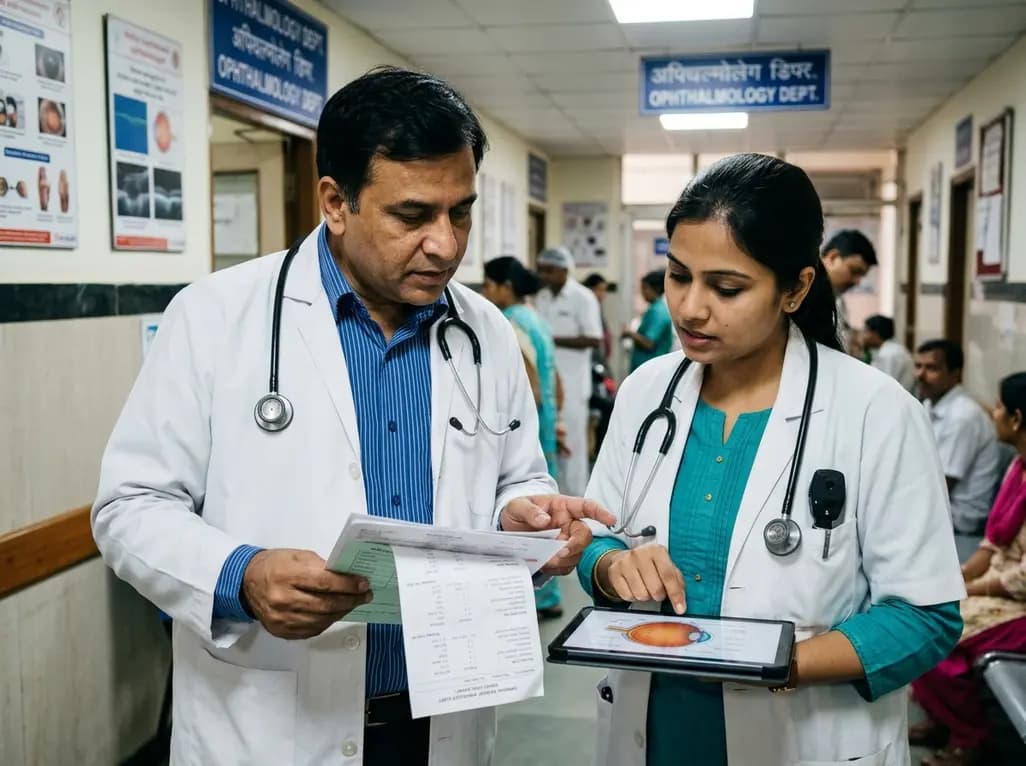
The complex glaucoma and cancer association is becoming increasingly significant as global survival rates for various malignancies improve. Recent clinical evidence suggests that the presence of either intraocular or non-ocular cancers can substantially influence the risk and progression of glaucoma. Consequently, understanding these interactions is vital for clinicians to prevent irreversible vision loss in oncological patients. This relationship encompasses both the direct pathological effects of tumors and the secondary consequences of life-saving cancer treatments.
Extensive research indicates a notable increase in glaucoma prevalence among patients diagnosed with both intraocular and non-ocular cancers. Specifically, studies have found that when intraocular cancers co-occur with glaucoma, there is an elevated risk of regional invasion, metastases, and high-risk histopathological features. This suggests that glaucoma may serve as an early clinical marker for potential complications or a poorer prognosis in ocular malignancies. Moreover, the systematic consolidation of these relationships allows for better risk stratification during the diagnostic process.
Cancer treatments play a dual role in the glaucoma and cancer association. For instance, the use of corticosteroids is a common component in many chemotherapy regimens, yet these agents are frequently linked to significant elevations in intraocular pressure (IOP). If left unmanaged, this steroid-induced hypertension can lead to secondary glaucoma. Conversely, certain treatments like androgen deprivation therapy (ADT) for prostate cancer have shown a surprising correlation with a lowered risk of glaucoma development. These findings highlight the need for a personalized approach to eye care depending on the specific oncological intervention used.
Effective management requires a proactive strategy to monitor patients following a cancer diagnosis or during active therapy. Clinicians should consider baseline eye examinations for patients starting high-dose steroid treatments. Furthermore, multidisciplinary collaboration between oncologists and ophthalmologists is essential to manage secondary glaucoma effectively. By identifying risk factors early, healthcare providers can implement strategies that preserve vision without compromising the efficacy of the primary cancer treatment.
Certain treatments, particularly high-dose corticosteroids used in chemotherapy, can increase intraocular pressure. This elevation can damage the optic nerve, potentially leading to secondary glaucoma if not monitored closely.
Yes, some studies indicate that androgen deprivation therapy (ADT) used for prostate cancer is associated with a decreased risk of developing certain types of glaucoma, possibly due to the role of hormones in the disease's pathogenesis.
Patients should undergo regular eye screenings, especially if their treatment includes steroids. Early detection of rising intraocular pressure allows for prompt intervention and prevents permanent vision loss.
Disclaimer: This content is for informational and educational purposes only and does not constitute medical advice. Always seek the advice of a physician or other qualified health provider with any questions you may have regarding a medical condition. Refer to the latest local and national guidelines for clinical practice.
References
1. Yim TSY et al. Cancer and glaucoma: A systematic review. Eur J Ophthalmol. 2026 Jun 02. doi: 10.1177/11206721261445522. PMID: 42228376.
2. Lin X, Li S. From tumor microenvironment to ocular hypertension: unraveling the pathogenesis and therapeutic strategies of cancer-related glaucoma. Front Med. 2025;12:1628325.
3. Ahn HK, et al. Androgen deprivation therapy may reduce the risk of primary open-angle glaucoma in patients with prostate cancer: a nationwide population-based cohort study. Prostate Int. 2021;9(4):197-202.
"
Read summarized clinical updates, watch expert medical content, and earn CME certifications right from your smartphone.
Open your smartphone camera to scan and install.





A systematic review highlights the link between cancer and glaucoma, detailing how tumors and therapies like steroids influence intraocular pressure and ris...
4 months ago
Following Nigeria's first recorded Ebola case linked to regional travel, the Africa CDC has convened an emergency ministerial summit. This alert underscores critical clinical priorities for healthcare professionals, including differentiating early viral infection from malaria, implementing barrier nursing, and triage.
Today

Leucine Rich Bio has introduced South Asia's first comprehensive vaginal microbiome test, BugSpeaks. By profiling microbial dysbiosis, pathogens, and antimicrobial resistance, this next-generation diagnostic platform provides clinicians with deeper insights into recurrent infections, fertility, and reproductive health.
Today

Review how tailored exercise programs benefit frail older patients with heart failure. Explore pathophysiological mechanisms, individualized training prescriptions, and strategies to overcome adherence barriers in clinical practice.
Today

This comparative study evaluates posterior labral tears with and without glenohumeral instability, highlighting distinct demographic patterns, MRI underestimation in stable shoulders, and successful arthroscopic repair outcomes.
Today

A clinical study demonstrates that early intervention with tocilizumab, either as monotherapy or bridged with corticosteroids, achieves significant proptosis reduction and resolves active inflammation in treatment-naive thyroid eye disease.
Today
