

Loading, please wait...
Loading, please wait...

Recent clinical evidence suggests a compelling link between oral hygiene and skin health. Specifically, gingival inflammation and acne vulgaris appear to share systemic inflammatory pathways. Researchers now believe that managing dental plaque accumulation could be a critical step in achieving clearer skin for adolescents.
\In a prospective study of 150 patients, clinicians evaluated the relationship between the gingival index (GI), plaque index (PI), and acne severity. Although initial plaque scores were similar across groups, the severe acne group exhibited significantly higher gingival inflammation. Because of this correlation, experts suggest that oral health assessments should become a standard part of acne management. Furthermore, the study demonstrated that professional scaling and improved hygiene instructions led to a notable reduction in acne scores after just six weeks. Consequently, patients who effectively reduced their oral plaque saw the most significant improvements in their skin condition.
\Similarly, other research indicates that the bacteria Propionibacterium acnes can migrate from the oral cavity to the bloodstream. This migration may trigger systemic immune responses, thereby exacerbating skin lesions. Therefore, clinicians must emphasize that regular dental check-ups are not just for teeth but for overall systemic wellness. Moreover, this multidisciplinary approach ensures that both the dermatological and dental aspects of the patient's health are addressed simultaneously. Since systemic inflammation acts as a bridge between these conditions, treating one often provides therapeutic benefits for the other.
\Poor oral hygiene can worsen acne by increasing systemic inflammation and allowing oral bacteria to enter the bloodstream, which may trigger or aggravate skin breakouts, especially on the lower face.
\Professional dental scaling reduces plaque and gingival inflammation. This reduction lowers the overall systemic inflammatory load, which has been shown to improve the effectiveness of acne treatments.
\Breakouts located around the chin, mouth, and lower jawline are most frequently associated with underlying dental issues like gingivitis or infected teeth.
\Disclaimer: This content is for informational and educational purposes only. It does not constitute professional medical advice, diagnosis, or treatment. Always seek the advice of your physician or another qualified health provider with any questions you may have regarding a medical condition. Never disregard professional medical advice or delay in seeking it because of something you have read here. Refer to the latest local and national guidelines for clinical practice.
\References
\Okumuş ÖF et al. Gingival inflammation and plaque accumulation affect therapeutic outcomes in patients with acne vulgaris. J Periodontol. 2026 Apr 18. doi: 10.1002/jper.70137. PMID: 42001254.
\Mosaico G et al. Host Microbiota Balance in Teenagers with Gum Hypertrophy Concomitant with Acne Vulgaris: Role of Oral Hygiene Associated with Topical Probiotics. Microorganisms. 2022 Jul 3;10(7):1344. doi: 10.3390/microorganisms10071344. PMID: 35889063.
\Kim J et al. Activation of toll-like receptor 2 in acne triggers inflammatory responses. J Immunol. 2002;169(3):1535-1541. doi: 10.4049/jimmunol.169.3.1535.
\"
Read summarized clinical updates, watch expert medical content, and earn CME certifications right from your smartphone.
Open your smartphone camera to scan and install.





A study explores the systemic link between gingivitis and acne vulgaris, showing that oral hygiene and scaling can improve dermatological results for patien...
6 months ago

Explore vital recurrent stroke predictors in lacunar stroke patients managed with intensive blood pressure lowering. This analysis examines trial findings from SPS3 to uncover residual vascular risks, metabolic factors, and targeted secondary prevention strategies for high-risk neurological patients.
Today
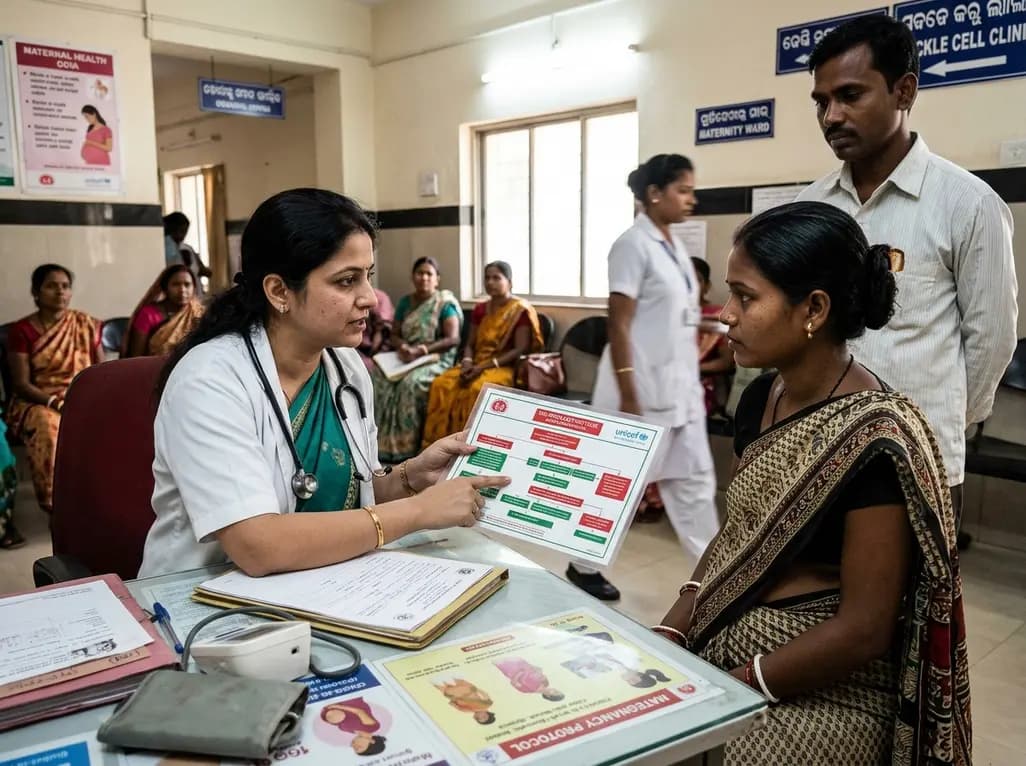
Odisha has established India's first state-level clinical protocol specifically tailored for pregnant women with sickle cell disease. Developed with NHM and UNICEF, the framework provides structured antenatal screening, crisis mitigation, standardized referral pathways, and specialized interdisciplinary care.
Today
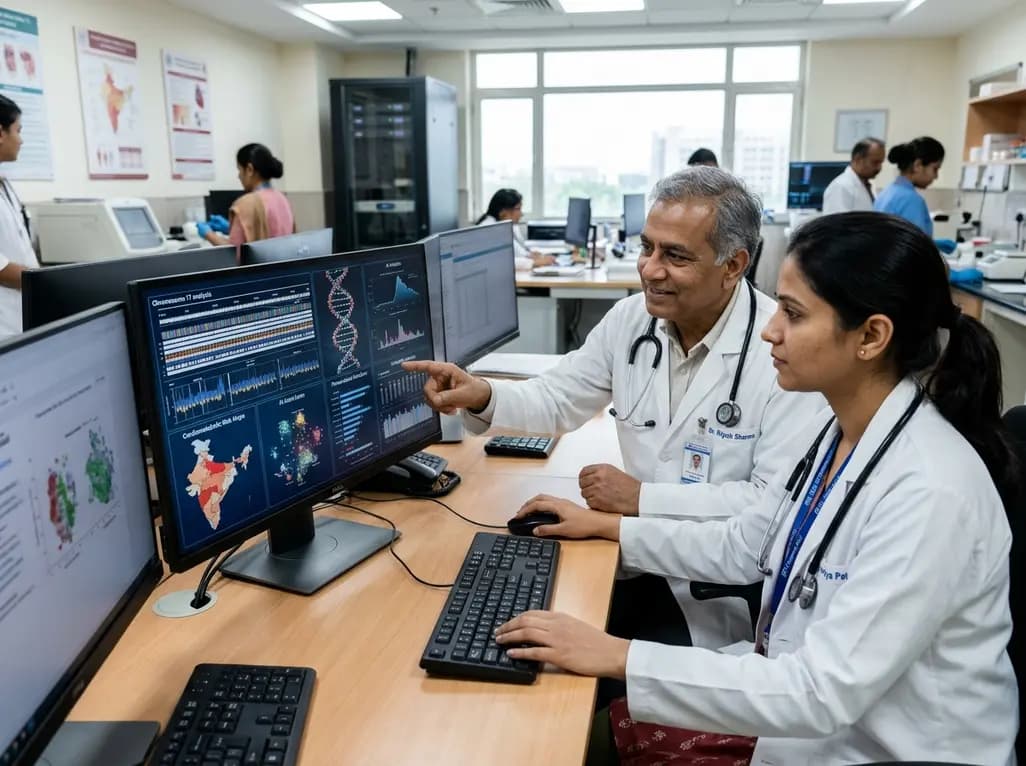
India is advancing preventive healthcare by integrating genomics, artificial intelligence, and quantum technologies. With the SANGAM programme sequencing one million Indian genomes, clinicians can unlock personalized therapies, detect cardiometabolic risks early, and curb the burden of diabetes and heart disease.
Today
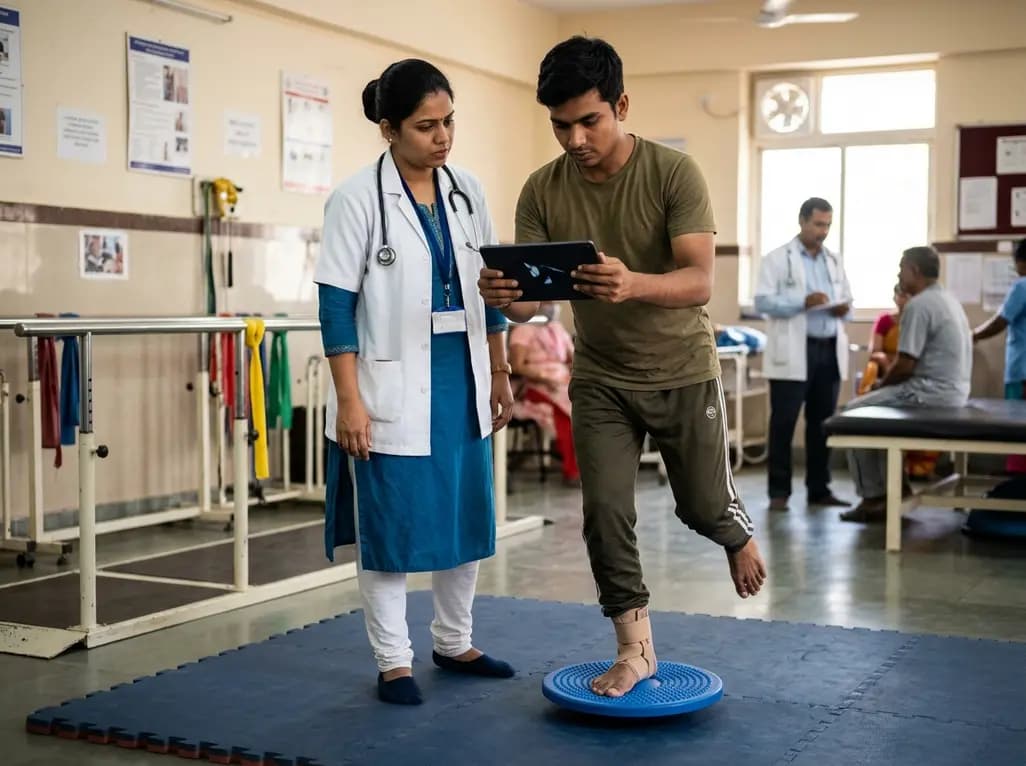
A randomized controlled trial demonstrates that an eight-week dual-task training intervention significantly improves static and dynamic postural control over standard balance exercises in individuals with chronic ankle instability, addressing critical neurocognitive deficits during athletic and daily activities.
Today

A retrospective cohort study of 7,716 ICU patients from the MIMIC-IV database demonstrates that Gradient Boosting Decision Trees significantly outperform traditional SOFA scores in predicting in-hospital mortality among patients with sepsis and diabetes, with SHAP analysis providing clinical interpretability.
Today
