.webp&w=384&q=75)

Loading, please wait...
Loading, please wait...

Clinicians often overlook geriatric oral health screening in busy long-term care settings. However, a significant study published in Gerodontology demonstrates that non-dental professional caregivers can perform these assessments effectively. The research evaluated the Oral Health Screener (OHS) among nursing home residents in Belgium. Researchers found that caregivers could identify oral issues with reliability comparable to dentists when given the right tools. Consequently, this screening method could significantly bridge the gap in dental care for vulnerable older adults.
The study specifically compared two training methods for caregivers to improve geriatric oral health screening outcomes. One group utilized e-learning modules exclusively. In contrast, the second group combined e-learning with on-site clinical training. Interestingly, the group receiving on-site support showed much higher reliability for inspection-based items, such as checking for tooth decay and gum inflammation. Therefore, while digital tools are helpful, hands-on guidance remains vital for clinical accuracy.
Poor oral hygiene often triggers severe systemic complications, including aspiration pneumonia and malnutrition. Since professional dental visits are frequently limited in nursing homes, empowered caregivers act as the first line of defense. By utilizing the OHS tool, staff can facilitate timely dental referrals. Furthermore, integrating these regular screenings into daily care routines enhances the overall quality of life for residents. Moreover, early detection prevents the progression of painful dental conditions that often go unnoticed in non-verbal patients.
The OHS is a validated tool designed for non-dental professionals to identify oral hygiene issues, tooth decay, and gum problems in care-dependent individuals.
On-site training provides caregivers with practical experience in visual inspection. This increases their confidence and accuracy in identifying clinical signs that are harder to detect through self-reported data alone.
No, the OHS is a first-line screening tool. Its purpose is to identify patients who require a professional dental consultation rather than providing a final clinical diagnosis.
Disclaimer: This content is for informational and educational purposes only and does not constitute medical advice. Always seek the advice of a qualified healthcare provider regarding any medical condition. Refer to the latest local and national guidelines for clinical practice.
References
1. Vandenbulcke PAI et al. Performance of Non-Dental Professional Caregivers in Oral Health Assessment Using the Oral Health Screener: Caregiver-Dentist Agreement and Inter-Rater Reliability. Gerodontology. 2026 May 25. doi: 10.1111/ger.70093. PMID: 42179168.
2. Vandenbulcke PAI, et al. Screening oral health in older adults: accuracy of the Oral Health Screener for use within the interRAI. Sci Rep. 2026 Jan 26;16(1):6233. doi: 10.1038/s41598-026-35517-2.
3. Stein VanArsdall P, Aalboe J. Improving the Oral Health of Long Term Care Facility Residents. Decisions in Dentistry. 2016 May 1.

Read summarized clinical updates, watch expert medical content, and earn CME certifications right from your smartphone.
Open your smartphone camera to scan and install.





Research indicates that non-dental caregivers can reliably assess geriatric oral health using the OHS tool, especially when supported by on-site training....
3 months ago
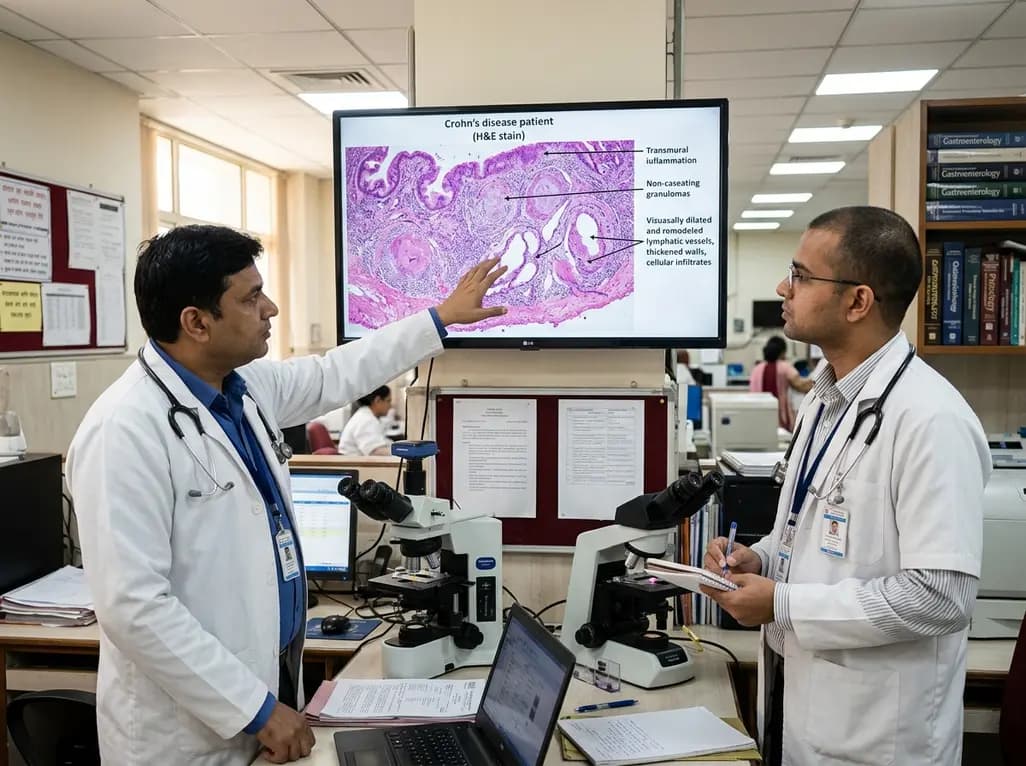
Intestinal lymphatic dysfunction is re-emerging as a fundamental driver of Crohn's disease pathogenesis. Explore how structural remodeling, lymphangitis, and defective clearance shape transmural inflammation and offer novel therapeutic targets.
Today
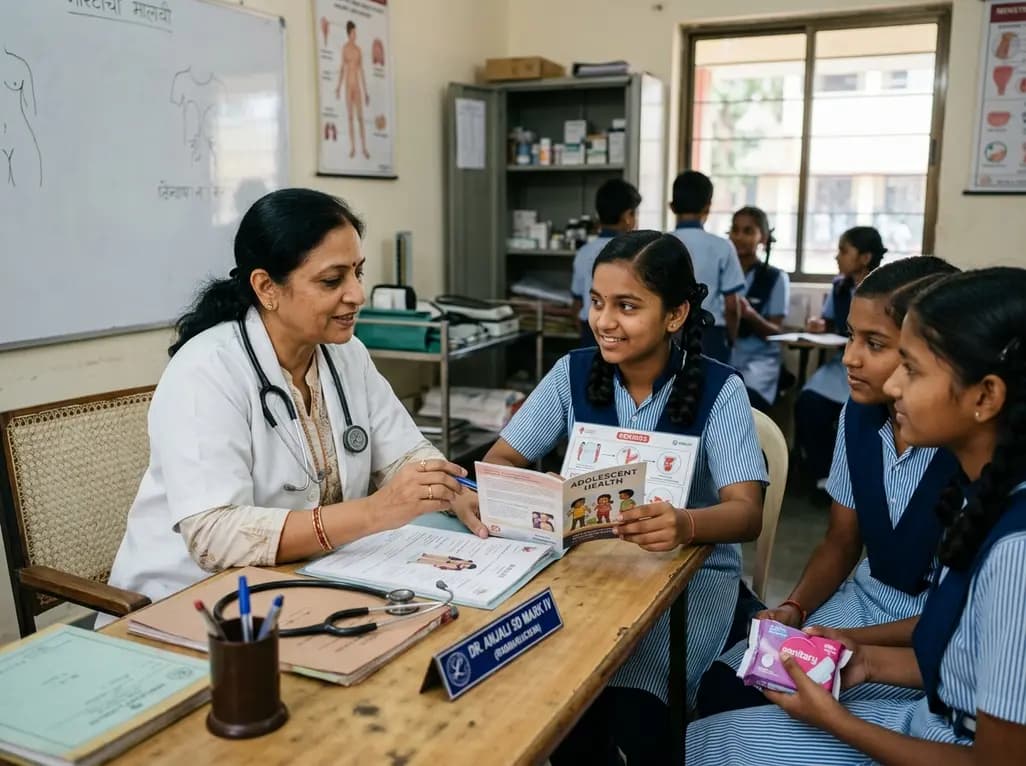
A school-based intervention using the Health Action Process Approach (HAPA) significantly enhanced adolescents' perceived benefits of consulting healthcare providers and promoted proactive menstrual health behaviors, offering key clinical insights for managing adolescent dysmenorrhea and endometriosis.
Today

A comprehensive analysis of the Translational Maturity Framework for nanomedicine-device combination products, evaluating regulatory complexity, manufacturing hurdles, and clinical readiness across oncology, cardiology, and orthopedics.
Today
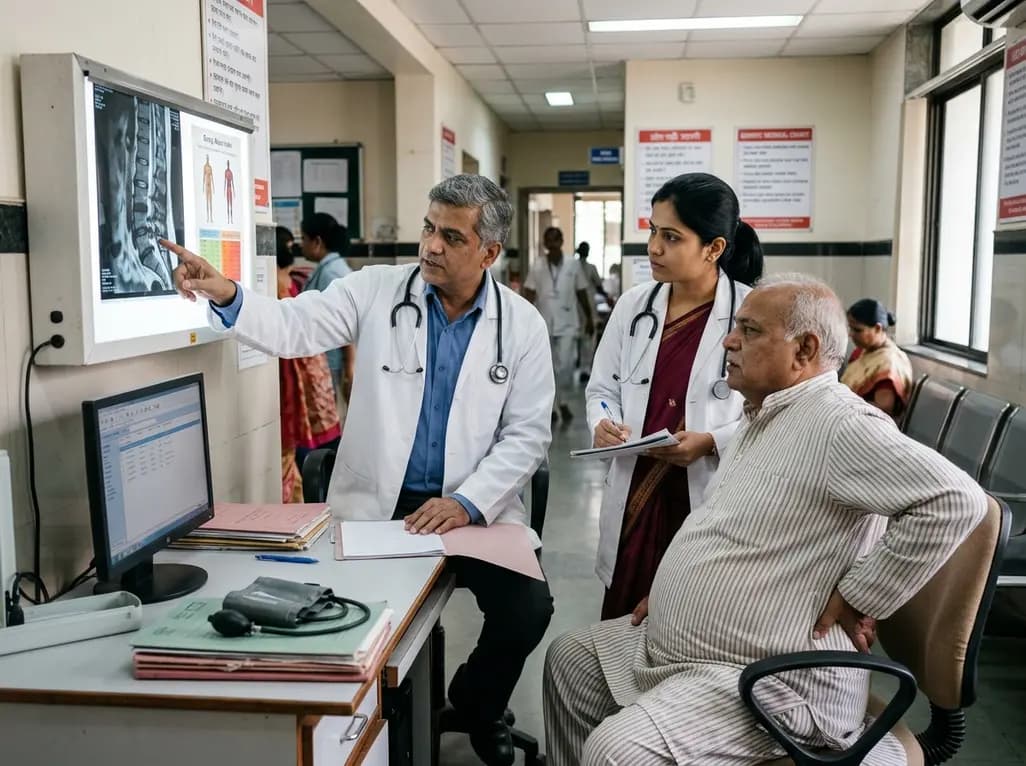
A cross-sectional study reveals that sarcopenic obesity independently increases functional impairment and severe disc degeneration in patients with degenerative lumbar spinal stenosis, highlighting the need for body composition assessment.
Today
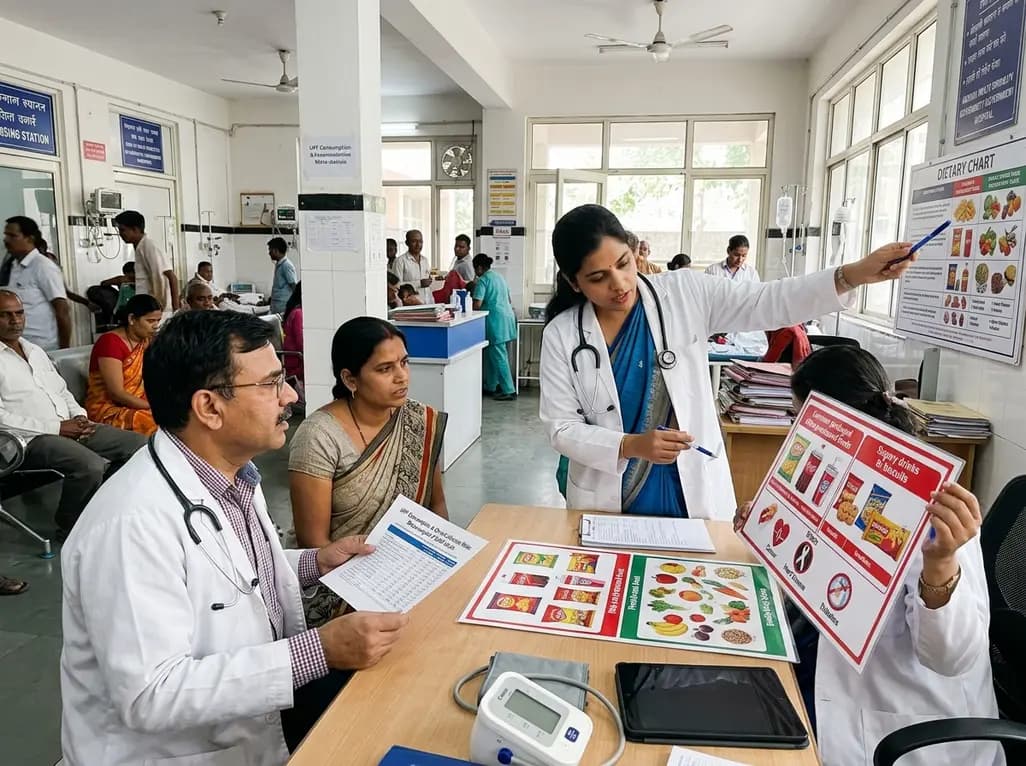
A landmark dose-response meta-analysis of 8.8 million adults reveals that high ultra-processed food intake significantly elevates risks for cardiovascular disease, cancer, diabetes, depression, and all-cause mortality, highlighting urgent needs for clinical lifestyle interventions.
Today
