

Loading, please wait...
Loading, please wait...

Metastatic spinal disease presents complex challenges for spine surgeons, particularly when operating on vulnerable geriatric populations. In these complex cases, baseline physiological reserve directly dictates postoperative recovery and surgical survival. Recent clinical investigations demonstrate that the geriatric nutritional risk index serves as a powerful baseline objective biomarker to stratify surgical hazard. By objectively identifying nutritional depletion before decompression or stabilization, multidisciplinary surgical teams can better mitigate severe postoperative complications.
Surgical interventions for metastatic spinal tumors, including decompression laminectomy and corpectomy, require substantial physiological resilience. However, elderly cancer patients frequently face progressive cachexia, profound systemic inflammation, and muscle wasting. When metastatic lesions compromise vertebral integrity, surgical intervention often becomes necessary to preserve neurological function and alleviate intractable mechanical pain. Unfortunately, systemic catabolism and chronic anorexia severely undermine perioperative recovery.
Malnutrition critically hampers tissue regeneration and blunts normal cell-mediated immune responses. Consequently, undernourished patients face an elevated susceptibility to surgical site infections, delayed wound healing, and prolonged decubitus complications. Furthermore, systemic protein depletion weakens respiratory musculature, which substantially increases postoperative pulmonary complications such as atelectasis and pneumonia.
Clinical teams have traditionally relied on subjective clinical assessments or isolated serum markers to estimate physiological reserves. Nevertheless, relying solely on serum albumin or body mass index frequently leads to inaccurate risk stratification. Fluid shifts, acute phase reactions, and peripheral edema can mask substantial muscle wasting. Therefore, objective scoring tools that incorporate anthropometric measurements alongside serum biomarkers provide a far more reliable preoperative assessment in oncologic spine surgery.
To address diagnostic limitations, clinicians increasingly utilize the geriatric nutritional risk index as an accurate prognostic screening instrument. Originally validated to estimate mortality risk in elderly medical patients, this scoring system calculates nutritional risk using serum albumin and the ratio of actual body weight to ideal body weight. Because it combines a biological marker of protein synthesis with objective physical dimensions, it reliably reflects metabolic reserve.
Unlike general screening surveys that require detailed subjective dietary history, this index relies strictly on standard, routinely acquired laboratory and physical data. Consequently, clinicians can easily compute baseline scores during initial surgical consultations without adding logistical burdens to acute oncology care. Scores categorize individuals into normal, mildly malnourished, moderately malnourished, or severely malnourished cohorts.
In spine oncology, this distinction proves clinically vital. Patients with depleted nutritional status experience accelerated bone loss, poor hardware purchase, and compromised wound healing. Furthermore, severe metabolic impairment diminishes cellular immune defenses, facilitating hematogenous bacterial seeding along spinal instrumentation. Thus, measuring nutritional vulnerability before invasive spinal procedures provides critical prognostic insight that simple clinical intuition cannot match.
A large-scale retrospective cohort study analyzing the American College of Surgeons National Surgical Quality Improvement Program database evaluated 659 elderly patients aged 65 years and older. All identified patients underwent laminectomy or corpectomy for extradural spinal metastases between 2011 and 2022. Strikingly, baseline assessment revealed that 57.9% of these individuals suffered from malnutrition, with 24.7% categorized as malnourished and 33.2% as severely malnourished.
The clinical findings demonstrated profound differences in outcomes across nutritional strata. Specifically, severely malnourished patients exhibited significantly higher rates of preoperative baseline electrolyte imbalances and severe anemia. Furthermore, patients with severe malnutrition experienced marked escalations in hospital length of stay, averaging 12.5 days compared to 8.6 days for patients with normal baseline nutrition. Nonroutine discharges to skilled nursing or rehabilitation facilities also rose dramatically from 39.7% in normal patients to 66.7% in severely malnourished individuals.
Most critically, 30-day postoperative mortality escalated substantially with worsening nutritional depletion. While patients with normal nutritional status experienced a 30-day mortality rate of 6.5%, mortality jumped to 13.5% among malnourished patients and reached 17.4% in severely malnourished patients. Thus, nutritional failure directly correlates with early perioperative mortality after oncologic spine surgery.
Multivariable logistic regression analyses revealed that severe malnutrition independently predicts adverse surgical outcomes after adjusting for confounding clinical factors. Specifically, severe nutritional depletion increased the odds of any postoperative adverse event by 59% and more than doubled the odds of extended hospital stays. In addition, severely malnourished individuals faced nearly double the risk of nonroutine discharge and an adjusted odds ratio of 2.28 for 30-day mortality.
Importantly, receiver operating characteristic curve analyses demonstrated that this objective nutritional index outperformed conventional assessment tools. Specifically, the nutritional index demonstrated superior discriminative ability compared to both chronological patient age and the 5-item modified frailty index. While frailty measures capture systemic functional decline, they often miss acute metabolic deconditioning and protein-calorie deficits in oncologic patients.
Consequently, relying exclusively on patient age or standard frailty scores may underestimate true surgical hazard. A chronologically young geriatric patient with profound tumor-induced cachexia may carry a substantially higher risk of catastrophic failure than an older patient with preserved physiological reserves. Therefore, integrating nutritional indices provides surgeons with a more refined tool to calibrate surgical risk and discuss realistic postoperative expectations with families.
These compelling findings highlight the urgent need to incorporate routine nutritional risk screening into oncologic spine surgery pathways. For surgical teams in neurosurgery and orthopedic spine surgery, identifying nutritional risk before incision enables targeted clinical management. Although acute cord compression mandates emergency decompression, many metastatic spine tumor surgeries permit a brief window for preoperative evaluation and stabilization.
When surgical teams identify malnutrition preoperatively, they can mobilize comprehensive clinical interventions. For example, clinicians can correct electrolyte disturbances, treat underlying anemia with directed hematinic therapy or transfusions, and optimize glycemic management. Furthermore, close collaboration with clinical dietitians allows for rapid nutritional supplementation, utilizing high-protein oral nutrition formulas or enteral support when indicated.
Additionally, identifying high nutritional risk alters intraoperative and postoperative surgical strategies. Surgeons might select less invasive stabilization techniques or adjust instrumentation constructs to avoid catastrophic wound breakdown. Postoperatively, multidisciplinary teams must maintain heightened vigilance for early surgical site infections, systemic sepsis, and respiratory failure. Structured discharge planning must begin on admission, recognizing that over two-thirds of severely malnourished patients will require specialized rehabilitation facilities.
Implementing structured prehabilitation protocols can meaningfully bridge the gap between initial diagnosis and definitive oncologic spine surgery. When clinical circumstances permit even a modest delay of several days, aggressive nutritional support can mitigate metabolic catabolism. Providing immunonutrition enriched with arginine, omega-3 fatty acids, and nucleotides helps restore cellular immunity and enhance postoperative wound tensile strength.
Simultaneously, multidisciplinary cancer care teams must coordinate nutritional optimization with systemic oncologic therapies and radiation planning. By treating malnutrition as a modifiable surgical risk factor rather than an inevitable consequence of advanced malignancy, surgical teams can actively reduce complication rates. Ultimately, systematic nutritional assessment empowers clinicians to deliver personalized, proactive care, improving surgical recovery and survival in this fragile patient population.
The Geriatric Nutritional Risk Index is an objective screening tool calculating malnutrition risk in older adults. It uses a mathematical formula combining serum albumin concentration with the ratio of the patient's actual body weight to ideal body weight, classifying individuals into normal, mild, moderate, or severe risk categories.
Malnutrition impairs collagen synthesis, suppresses cell-mediated immunity, and causes muscle wasting. Consequently, undernourished surgical patients experience delayed incision healing, higher surgical site infection rates, prolonged hospital stays, and increased 30-day mortality due to reduced systemic physiological reserve and compromised immune responses to major surgical trauma.
Although acute cord compression requires emergency surgical decompression, initiating early nutritional assessment remains vital. Immediate postoperative oral protein supplementation, correction of micronutrient deficiencies, and targeted enteral feeding help counter severe catabolism, promote wound healing, support neurological recovery, and facilitate earlier rehabilitation in high-risk geriatric spine patients.
Disclaimer: This content is for informational and educational purposes only... Refer to the latest local and national guidelines for clinical practice.
References

Read summarized clinical updates, watch expert medical content, and earn CME certifications right from your smartphone.
Open your smartphone camera to scan and install.





In elderly patients undergoing spine surgery for metastatic spinal tumors, preoperative malnutrition assessed via the Geriatric Nutritional Risk Index (GNRI) significantly predicts 30-day mortality, major adverse events, extended hospital stays, and nonroutine discharge, outperforming traditional frailty scores.
Today

The DOMINO study protocol presents a multidisciplinary implementation mapping approach to overcome provider, patient, and payer barriers to antiobesity medications, offering vital insights for Indian clinicians managing the growing diabesity burden.
Today
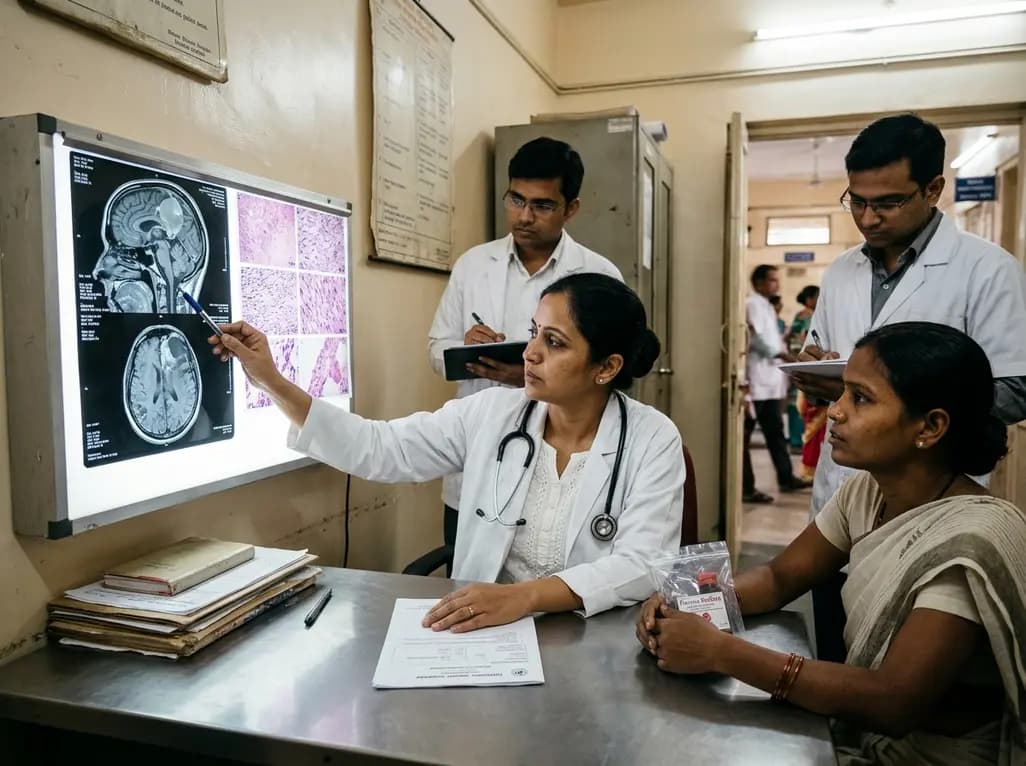
An intracranial EWSR1::CREM fusion sarcoma in a 31-year-old female manifested as a paraneoplastic inflammatory syndrome with anemia and secondary infertility. The dural mass mimicked meningioma, but gross-total resection resolved her systemic inflammation and restored natural fertility within one month.
Today

A real-world cohort study of 6,537 patients from the FOUNTAIN platform demonstrates that initiating finerenone significantly reduces albuminuria by 40.7% with minimal eGFR decline and manageable hyperkalemia risk, confirming its practical effectiveness and safety in diabetic kidney disease.
Yesterday
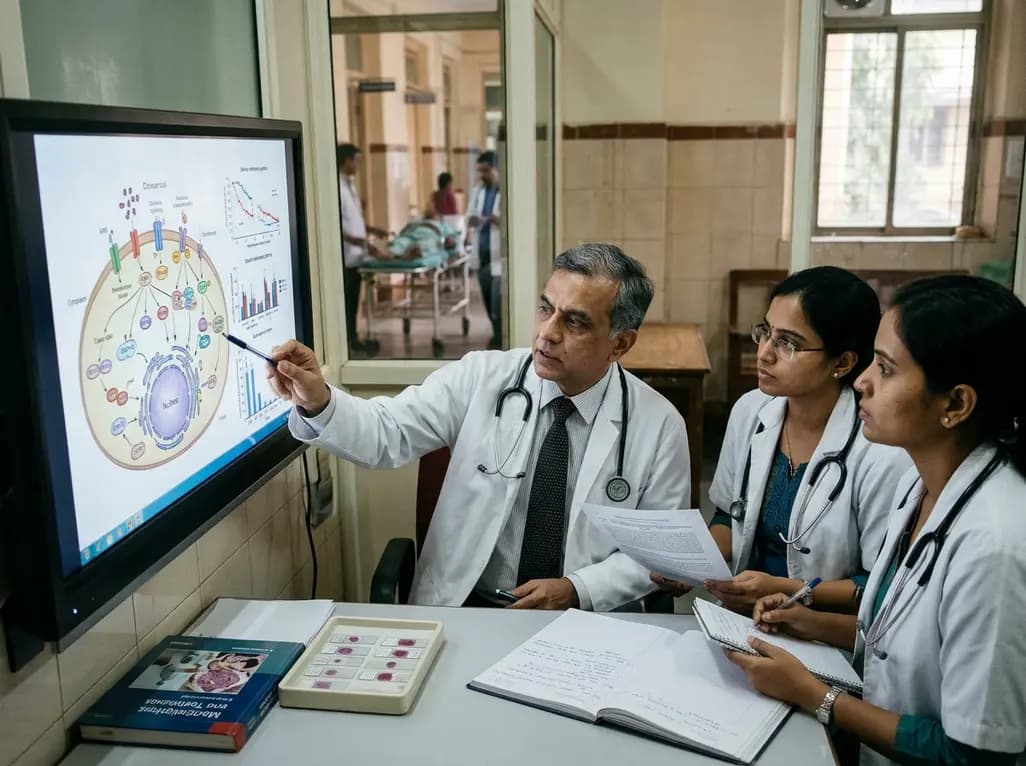
A comprehensive analysis of MAP therapy resistance in osteosarcoma, examining canonical and non-canonical mechanisms across damage avoidance, enhanced DNA repair, and replication stress tolerance to identify novel vulnerabilities.
Today
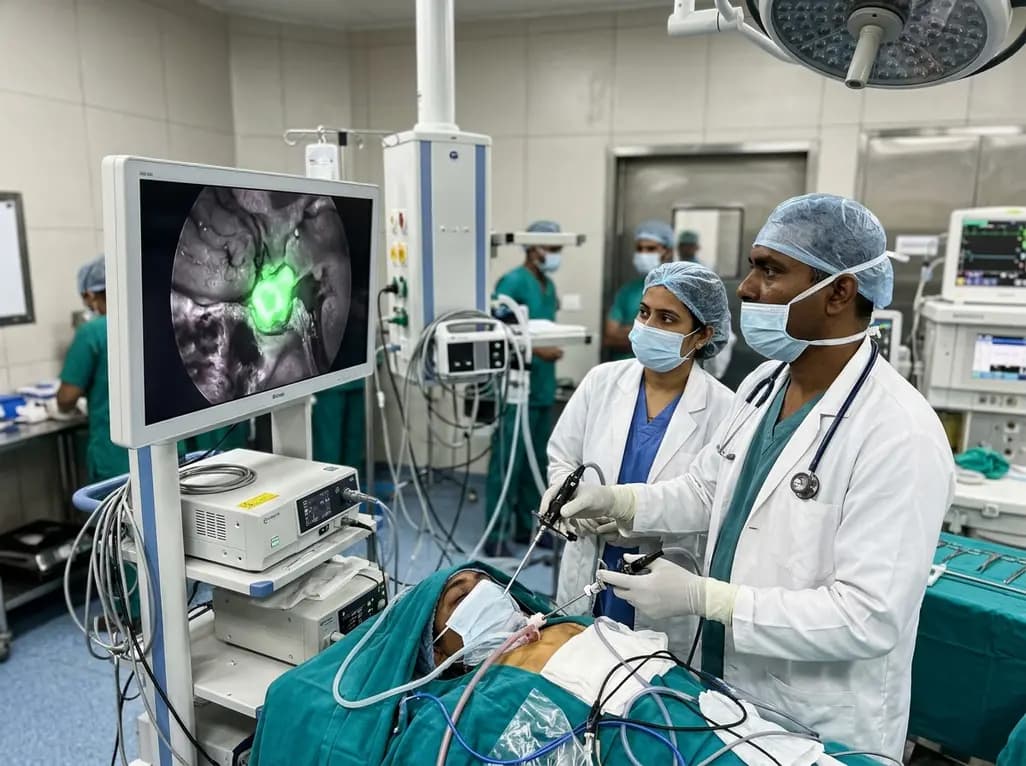
Near-infrared autofluorescence provides real-time label-free optical guidance during endoscopic transsphenoidal pituitary surgery. By highlighting stark signal contrasts between normal pituitary gland and adenomas, this technique aids gross-total tumor resection while safeguarding critical endocrine function.
Today
