

Loading, please wait...
Loading, please wait...
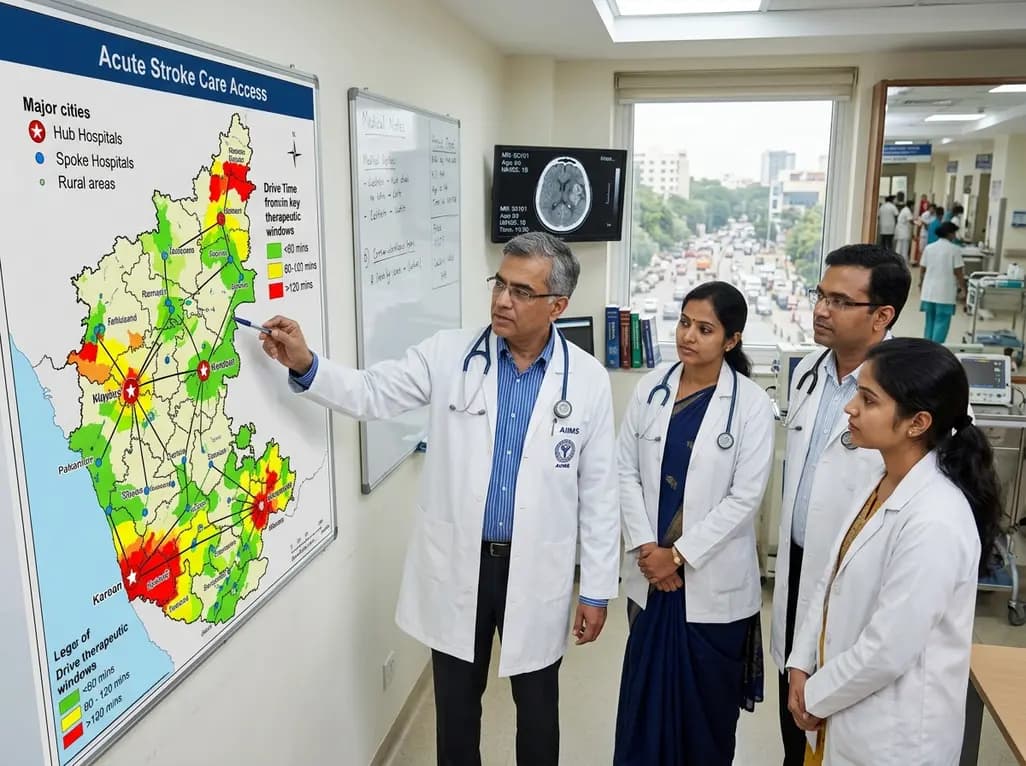
Timely revascularization defines modern emergency management for acute ischemic cerebrovascular events. When treating ischemic stroke, healthcare systems must ensure rapid geographic accessibility to acute stroke care. Intravenous thrombolysis and endovascular mechanical thrombectomy represent time-critical interventions that preserve viable neurological tissue. However, profound disparities in specialized facility distribution frequently compromise clinical outcomes across regional populations. Consequently, healthcare leaders must evaluate geospatial barriers and implement organized care networks to eliminate preventable delays.
In hyperacute cerebral ischemia, clinical efficacy diminishes rapidly with every passing minute. Therefore, emergency stroke teams evaluate interventions using strict, modality-specific therapeutic windows. Specifically, intravenous thrombolysis requires delivery within 270 minutes from symptom onset. In contrast, endovascular mechanical thrombectomy offers clinical efficacy up to 360 minutes in standard paradigms. Population-level geographic information system analyses demonstrate striking disparities between these two modalities. For example, intravenous thrombolysis remains accessible to approximately 71.8% of national populations within recommended timelines. However, mechanical thrombectomy access lags substantially at only 56.2%, leaving millions without timely surgical revascularization. Consequently, more than one-fifth of potential thrombectomy candidates exceed the vital six-hour intervention threshold purely due to transit distance. Furthermore, geographic bottlenecks force clinicians to deny life-altering interventions to otherwise eligible patients. Urban centralization exacerbates this divide because advanced tertiary facilities cluster disproportionately within major metropolitan capitals. As a result, rural communities encounter severe logistical hurdles during acute neurovascular emergencies. Ultimately, eliminating these spatial inequalities requires systematic reorganizations of national emergency transport pathways.
The stark deficit in endovascular rescue highlights structural maldistribution rather than patient ineligibility. For example, comprehensive healthcare registries reveal that nearly seventy percent of thrombectomy-ready centers cluster within single metropolitan regions. In contrast, peripheral governorates and rural territories lack dedicated neurointerventional catheterization suites entirely. Consequently, millions of citizens reside far beyond the reach of comprehensive stroke centers during hyperacute vessel occlusions. Moreover, transferring patients from remote primary clinics to urban academic hospitals consumes irreplaceable time. During prolonged transit, the ischemic core expands inexorably at the expense of salvageable ischemic penumbra. Therefore, interventional neurologists emphasize that geographic proximity directly dictates clinical recovery. When regional healthcare infrastructure fails to distribute endovascular capabilities equitably, clinical outcomes diverge sharply between urban and rural cohorts. Additionally, ambulance shortages and traffic congestion compound these transfer delays in developing regions. Healthcare systems must therefore decentralize advanced neurointerventional capabilities to bridge this stubborn divide. Furthermore, strategically distributing procedural expertise expands life-saving reperfusion therapies to underserved demographics.
Rapid clinical decision-making relies on streamlined diagnostic neuroimaging protocols at the initial point of care. Many tertiary centers utilize complex multimodal perfusion imaging to guide late-window thrombectomy decisions. However, routine perfusion software introduces prohibitive technical complexity, high costs, and unnecessary transfer delays. Instead, emerging evidence champions pragmatic imaging protocols that utilize noncontrast computed tomography alongside computed tomography angiography. Specifically, noncontrast computed tomography enables rapid Alberta Stroke Program Early CT Score evaluation to rule out extensive established infarction. Additionally, single-phase computed tomography angiography reliably confirms the presence of emergent large-vessel occlusions. Consequently, this streamlined approach accelerates patient selection within the primary six-hour window without requiring proprietary advanced software. Primary spoke hospitals can easily implement these baseline modalities using existing radiology infrastructure. Furthermore, tele-stroke networks empower remote radiologists and emergency physicians to interpret vascular imaging collaboratively. Therefore, community centers initiate intravenous thrombolysis promptly before initiating secondary transfers. Ultimately, pragmatic imaging protocols democratize acute stroke triage across resource-constrained healthcare facilities.
Overcoming geographic fragmentation requires health authorities to implement optimized hub-and-spoke acute stroke care delivery models. Under this structured framework, widespread spoke community hospitals provide immediate emergency evaluation, noncontrast neuroimaging, and intravenous thrombolysis. Concurrently, regional hub hospitals maintain dedicated neurointerventional teams capable of performing round-the-clock mechanical thrombectomy. Mathematical models, such as the maximum-coverage location problem, identify optimal geographical placements for new interventional hubs. For instance, strategically deploying just three new comprehensive hubs and four thrombolysis spokes can expand thrombectomy coverage to over 75% of a national population. Moreover, standardized inter-facility transfer protocols ensure seamless transport between spokes and hubs. Emergency medical services play an indispensable role by prioritizing bypass protocols for patients showing severe neurological deficits. Consequently, coordinated networks dramatically reduce onset-to-treatment intervals across previously neglected territories. Additionally, structured tele-stroke consultations guide local physicians through intravenous thrombolytic administration while arranging urgent transport. Ultimately, this scalable architecture provides a proven blueprint for low- and middle-income healthcare systems worldwide.
Establishing advanced neurointerventional facilities requires upfront capital investments, dedicated angiography suites, and continuous specialist training. However, comprehensive cost-utility analyses confirm that expanding thrombectomy access delivers remarkable long-term economic value. Specifically, successful endovascular recanalization prevents severe long-term motor paralysis, chronic cognitive impairment, and persistent functional dependency. Consequently, functional independence reduces secondary institutionalization costs, family caregiver burdens, and repetitive hospitalizations. Over a ten-year horizon, health economic modeling indicates substantial gains in quality-adjusted life years across treated cohorts. Furthermore, probabilistic sensitivity analyses demonstrate that targeted hub-and-spoke expansions remain highly cost-effective under standard gross domestic product per capita benchmarks. Therefore, investing in stroke infrastructure represents a fiscally sound strategy for national health authorities. By modernizing regional care pathways, governments reduce the immense socioeconomic burden imposed by post-stroke morbidity. Additionally, training general neurosurgeons and interventional radiologists expands local procedural capacity rapidly. Proactive capital allocation ultimately safeguards public health while optimizing resource utilization across national healthcare ecosystems.
A hub-and-spoke network organizes acute stroke care by designating primary spoke hospitals for rapid triage, noncontrast computed tomography, and intravenous thrombolysis initiation. Consequently, these spokes stabilize patients and communicate immediately with comprehensive hub centers. When clinicians detect large-vessel occlusions, they transfer eligible candidates swiftly to advanced thrombectomy-capable hubs. As a result, this coordinated architecture eliminates unnecessary diagnostic redundancies, drastically shortens onset-to-treatment intervals, and extends advanced endovascular rescue to previously isolated peripheral communities.
Clinical trials confirm that noncontrast computed tomography combined with computed tomography angiography reliably identifies emergent large-vessel occlusions and quantifies established infarction through ASPECTS scoring. Furthermore, routine perfusion imaging is often unnecessary within the primary six-hour therapeutic window because significant penumbral tissue remains salvageable in most presenting patients. Therefore, avoiding advanced multimodal perfusion scans saves critical minutes. Consequently, community centers without specialized perfusion software can still qualify emergent patients quickly for endovascular thrombectomy transfers.
Endovascular thrombectomy significantly reduces long-term physical disability, secondary institutionalization, and ongoing nursing dependency among stroke survivors. Although establishing catheterization laboratories requires initial capital expenditure, health economic models demonstrate high long-term value. Specifically, thrombectomy generates substantial quality-adjusted life years over a ten-year horizon. Moreover, because successful recanalization restores functional independence, downstream healthcare systems avoid catastrophic chronic care expenditures. Consequently, expanding thrombectomy infrastructure remains highly cost-effective under global gross domestic product per capita thresholds.
Disclaimer: This content is for informational and educational purposes only. It does not constitute medical advice or replace professional judgment. Refer to the latest local and national guidelines for clinical practice.
References

Read summarized clinical updates, watch expert medical content, and earn CME certifications right from your smartphone.
Open your smartphone camera to scan and install.





A landmark GIS analysis highlights severe disparities in acute stroke care access, demonstrating how strategic hub-and-spoke networks optimize intravenous thrombolysis and mechanical thrombectomy delivery within crucial therapeutic windows.
Today
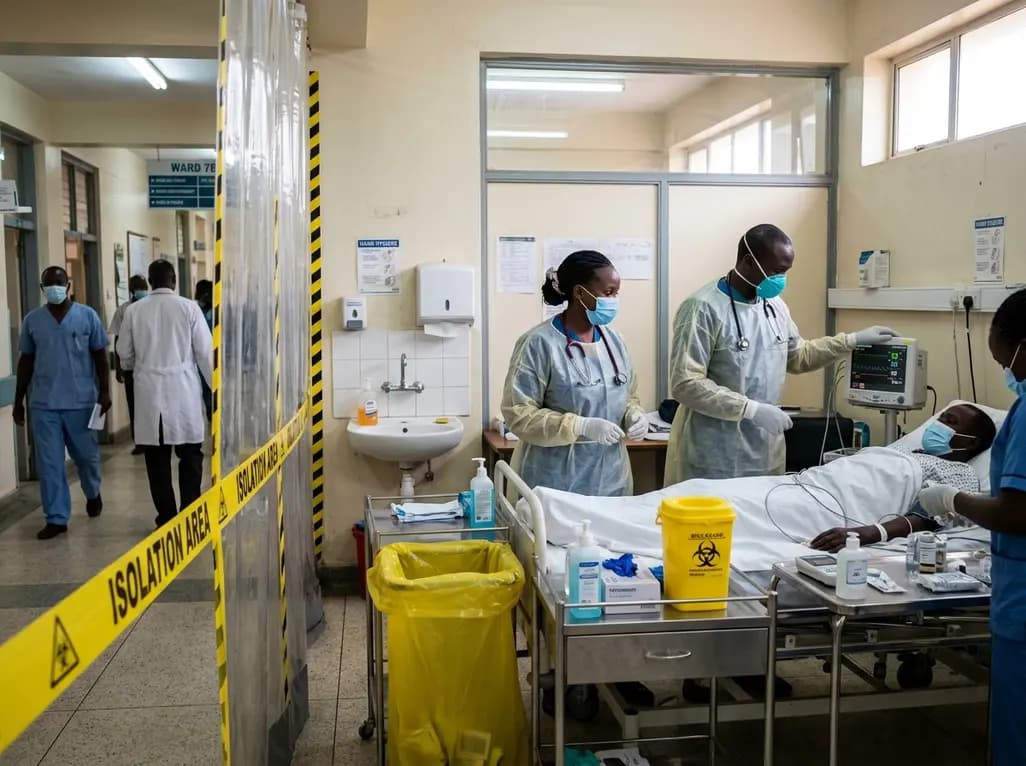
Kenya's confirmation of its eighth Ebola infection highlights the acute risk of secondary transmission in hospital environments. Clinicians must maintain high vigilance, enforce strict infection prevention protocols, and implement rapid triage mechanisms for viral hemorrhagic fevers across healthcare settings.
Today
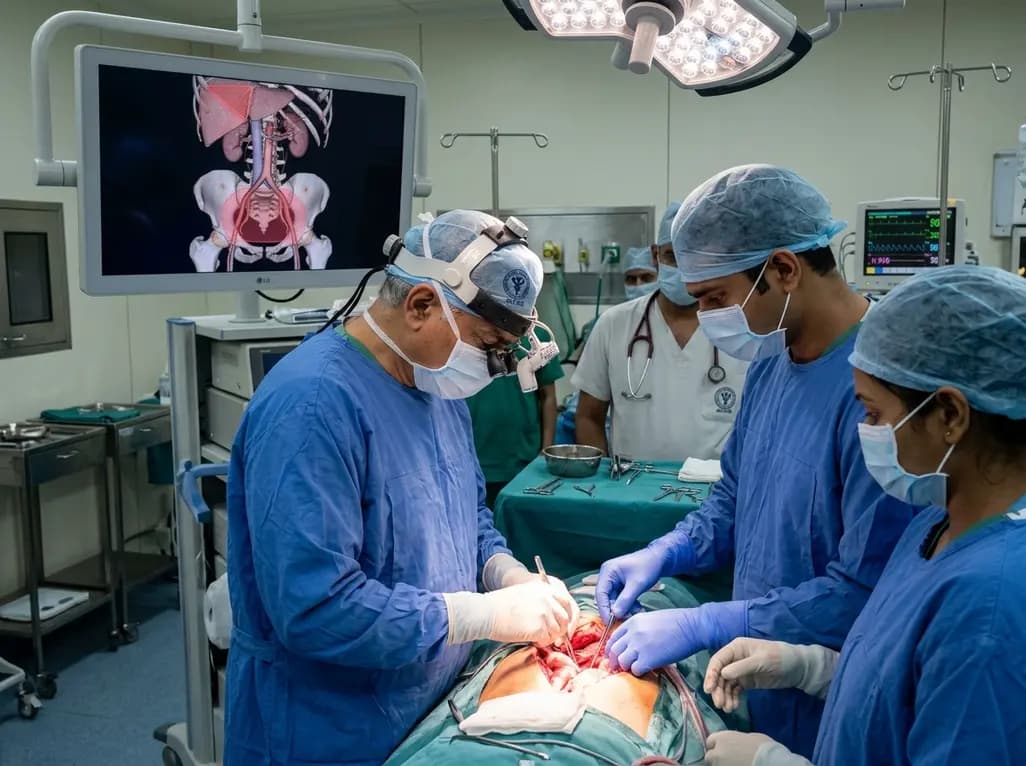
Surgical oncologists at AIIMS Delhi have mapped two critical anatomical landmarks: Ray's Zone in the deep pelvis and Ray's Hepatocaval Triangle near the liver. These predefined hazard boundaries guide dissection, dramatically reduce severe intraoperative bleeding, and preserve vital nerves and visceral organs.
Today

A study reveals that the MYLK c.4079G>A, p.(Gly1360Asp) variant is linked to high-penetrance heritable thoracic aortic disease and early-onset aortic dissection, showing a founder effect in Finnish cohorts. Findings emphasize early cascade screening and vigilant surveillance.
Today
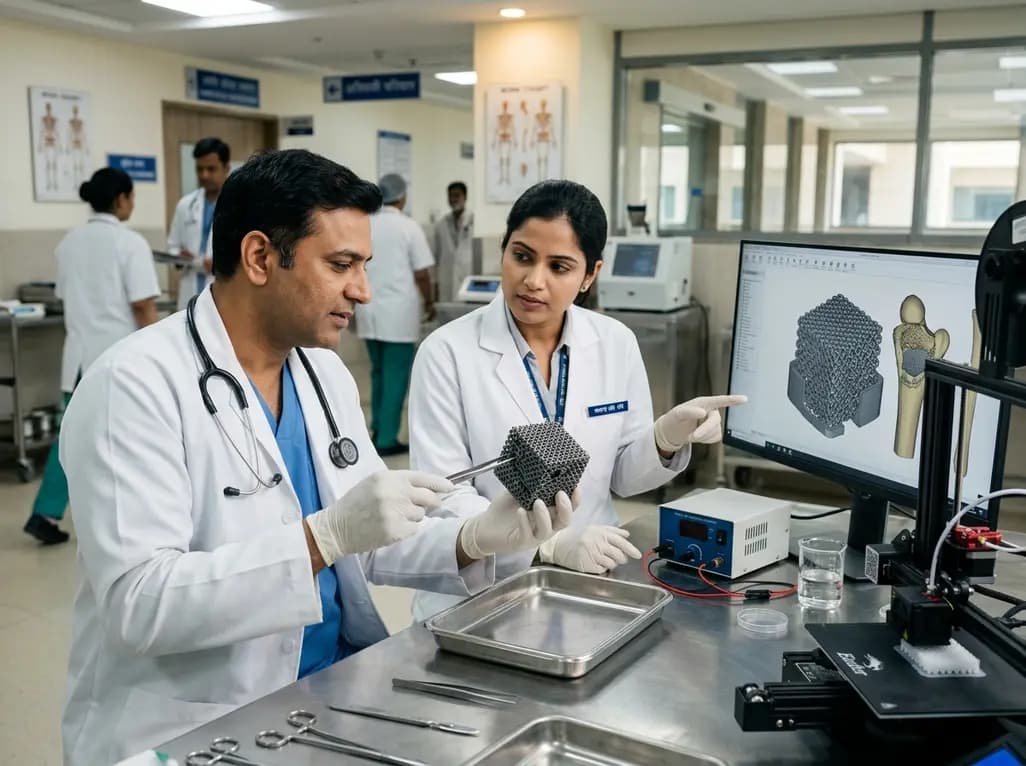
A novel sacrificial-template technique combines FDM polymer 3D printing and micro-arc oxidation to fabricate orientation-controlled porous titanium scaffolds. These bioactive constructs offer tailored stiffness, exceptional multidirectional load resistance, and robust osseointegration for bone defect repair.
Today

A novel label-free electrochemical biosensor utilizing magnetic nanocomposites enables ultrasensitive TERT C228T mutation detection (LOD: 0.67 pM) for rapid risk stratification in papillary thyroid cancer, offering promising point-of-care utility for endocrine oncology.
Today
