

Loading, please wait...
Loading, please wait...
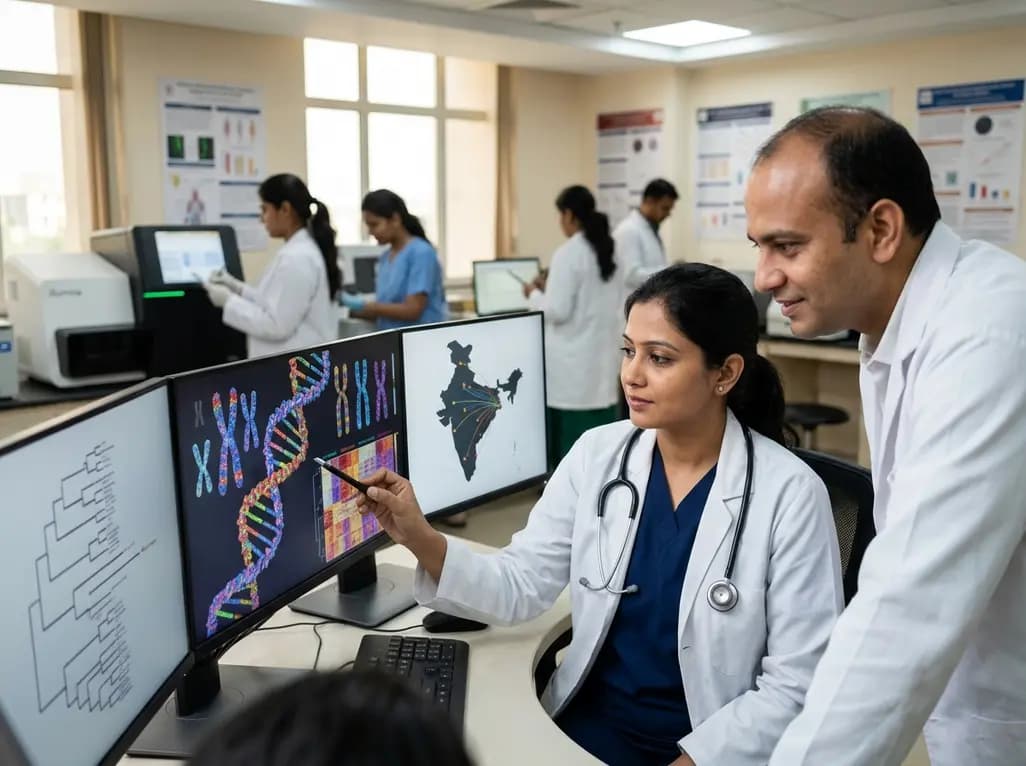
India stands at a pivotal biomedical crossroad. Union Minister Dr. Jitendra Singh recently emphasized that India's genetic diversity powers global medical innovation. Advancing genomic data research across diverse populations unlocks transformative clinical insights. Historically, global databases underrepresented Indian genomes. Systematically mapping domestic cohorts finally bridges this gap.
The Indian subcontinent encompasses thousands of distinct endogamous groups shaped by centuries of cultural history. Therefore, these isolated ancestral lineages harbor unique founder mutations and distinctive allele frequencies. For medical practitioners, understanding these genetic variations is essential for diagnosing rare monogenic disorders and inherited metabolic syndromes. For instance, specific ethnic groups demonstrate a heightened predisposition toward familial hypercholesterolemia, beta-thalassemia, and congenital cardiomyopathy. In contrast, standard Western genomic databases frequently misclassify these population-specific variants as benign or uninformative. Consequently, Indian patients have historically faced diagnostic delays and improper risk stratification. Detailed population sequencing directly resolves these clinical challenges. Moreover, comprehensive genomic catalogs allow clinical geneticists to establish accurate diagnostic panels. Physicians can identify pathogenic variants much earlier in neonatal evaluations. In addition, recognizing local carrier rates facilitates proactive genetic counseling for prospective parents. Thus, clinicians can prevent severe hereditary conditions through targeted screening. Additionally, regional disease patterns provide researchers with profound insights into polygenic conditions like early-onset coronary artery disease. Therefore, characterizing these unique cohorts establishes an indispensable baseline for preventive medicine. Ultimately, population genetics elevates clinical precision across medical specialties.
Genomic insights are reshaping daily clinical practice by replacing empirical prescribing with precise pharmacogenomic guidance. Every practicing physician recognizes that patients respond differently to identical pharmaceutical regimens. Specifically, variations in cytochrome P450 enzyme genes alter drug metabolism rates among different Indian demographic groups. For example, polymorphisms in CYP2C19 profoundly affect clopidogrel activation following percutaneous coronary interventions. As a result, poor metabolizers experience an increased risk of recurrent stent thrombosis. Similarly, variations in VKORC1 and CYP2C9 dictate individual warfarin sensitivity, complicating anticoagulation control. In routine oncology, personalized medicine already dictates standard therapeutic protocols. Pathologists analyze somatic mutations in EGFR, ALK, and KRAS to select targeted therapies for lung cancer. Furthermore, identifying germline BRCA mutations guides therapy with poly ADP-ribose polymerase inhibitors. In diabetes management, genetic profiling differentiates maturity-onset diabetes of the young from classical type 2 diabetes. Consequently, doctors can prescribe oral sulfonylureas instead of lifelong insulin injections. Additionally, pharmacogenomics prevents severe cutaneous reactions like carbamazepine-induced Stevens-Johnson syndrome linked to HLA-B*1502. Thus, integrating genetic data optimizes therapeutic efficacy while drastically reducing adverse drug reactions. Accordingly, personalized prescribing delivers safer clinical outcomes.
The national Genome India Project represents a historic milestone for Indian medical science and biotechnology. Supported by the Department of Biotechnology, this consortium sequenced 10,000 whole genomes across 80 distinct population groups. Consequently, researchers constructed a foundational Indian reference genome grid to guide biomedical discovery. This ambitious initiative has uncovered tens of millions of novel genetic variants unique to the Indian population. Furthermore, scientists deposited these secure data sets within the Indian Biological Data Centre for verified scientific access. As a result, Indian clinicians no longer need to extrapolate diagnostic decisions from foreign genomic baselines. Instead, specialists can cross-reference mysterious clinical presentations against an authentic domestic reference architecture. Moreover, this repository accelerates translational research into widespread endemic conditions, including metabolic syndrome and sickle cell anemia. Global pharmaceutical innovators increasingly recognize the strategic value of this vast genetic library. Therefore, international investigators seek collaborative partnerships with Indian academic centers to validate novel drug targets. In addition, domestic firms utilize these insights to develop affordable biosimilars. Ultimately, systematic genomic data research solidifies India's role as a leading global biomanufacturing and healthcare hub.
Modern medical diagnostics is expanding far beyond simple DNA sequence analysis. Today, the convergence of artificial intelligence with multi-omics technologies is reshaping clinical pathology. In particular, integrating transcriptomics, metabolomics, and proteomics provides an interconnected view of ongoing disease pathology. Clinicians can assess not only static inherited genetic predispositions, but also dynamic disease activity in real time. For instance, exosomal profiling and metabolomic biomarkers now identify early insulin resistance before diabetes manifests clinically. Similarly, oncologists utilize circulating tumor DNA and AI algorithms to detect minimal residual disease with extraordinary precision. Furthermore, machine learning models analyze complex polygenic risk scores alongside patient biochemical parameters. Consequently, these computational platforms predict cardiovascular events and chronic kidney disease progression far more accurately than standard scoring tools. Meanwhile, national initiatives like the BioE3 policy catalyze the establishment of state-of-the-art BioFoundries. These modern facilities combine robotic automation, bio-AI, and advanced molecular engineering to accelerate therapeutic discovery. As a result, researchers can rapidly validate novel diagnostic assays and monoclonal antibodies. Thus, combining computation with multi-omics data provides physicians with unprecedented clinical tools. Accordingly, these technologies enhance patient care.
Despite these remarkable scientific breakthroughs, converting genomic discoveries into routine bedside care presents several formidable challenges. First, healthcare systems must establish stringent regulatory and ethical frameworks to safeguard patient genetic privacy. Because genomic information is deeply personal, medical institutions must prevent unauthorized commercial exploitation and genetic discrimination. Furthermore, Indian medical colleges must update their curricula to improve genomic literacy among frontline physicians. Clinicians need structured training to interpret complex sequencing reports and communicate genetic risks to anxious families. In addition, high sequencing costs still limit widespread clinical adoption in semi-urban and rural centers. To overcome these economic hurdles, industry leaders must invest heavily in localized diagnostic infrastructure. Fortunately, the government is addressing industry concerns regarding corporate social responsibility funding for life sciences research. Moreover, domestic biotechnology startups are developing cost-effective point-of-care sequencing instruments and localized assay kits. By fostering robust public-private collaborations, India can democratize advanced diagnostic tools nationwide. Accordingly, healthcare providers can transition from reactive sick-care models toward proactive, personalized preventive strategies. Ultimately, solving these practical barriers ensures that India's genomic revolution directly benefits every patient across all communities.
Q1: How does genomic research improve clinical diagnosis in Indian patients?
Genomic data research uncovers population-specific genetic variants that standard foreign databases often overlook. Consequently, clinicians can accurately identify causative mutations underlying rare inherited disorders, childhood syndromes, and hereditary cancers. Furthermore, these localized insights prevent dangerous diagnostic delays and misclassifications. Clinicians can implement targeted therapeutic interventions earlier in the disease course, leading to substantially improved patient outcomes and individualized clinical management.
Q2: What role does the Genome India Project play in precision therapeutics?
The Genome India Project mapped 10,000 whole genomes across 80 diverse subcontinental populations, creating a vital reference catalog. Because South Asian populations represent nearly twenty percent of humanity, this dataset resolves major representation gaps in global research. Consequently, international researchers and pharmaceutical developers can identify novel disease targets, predict worldwide drug efficacy accurately, and formulate safer, globally effective precision biotherapeutics.
Q3: How does the BioE3 policy support healthcare clinical research?
The BioE3 policy establishes advanced BioFoundries and biomanufacturing hubs that integrate artificial intelligence with multi-omics technologies. Consequently, this government framework accelerates the development of affordable indigenous biosimilars, diagnostic kits, and personalized treatments for cancer and diabetes. Furthermore, it fosters robust public-private partnerships, enabling clinical institutions to translate scientific laboratory discoveries into accessible, scalable bedside solutions for patients across the country.
Disclaimer: This content is for informational and educational purposes only. It does not constitute medical advice or replace professional judgment. Refer to the latest local and national guidelines for clinical practice.
References

Read summarized clinical updates, watch expert medical content, and earn CME certifications right from your smartphone.
Open your smartphone camera to scan and install.





India's unique population architecture and the sequencing of 10,000 genomes under the GenomeIndia initiative offer immense potential for global medicine. Exploring the convergence of genomics, multi-omics, and artificial intelligence highlights a new era of tailored diagnostics and targeted therapies.
Today
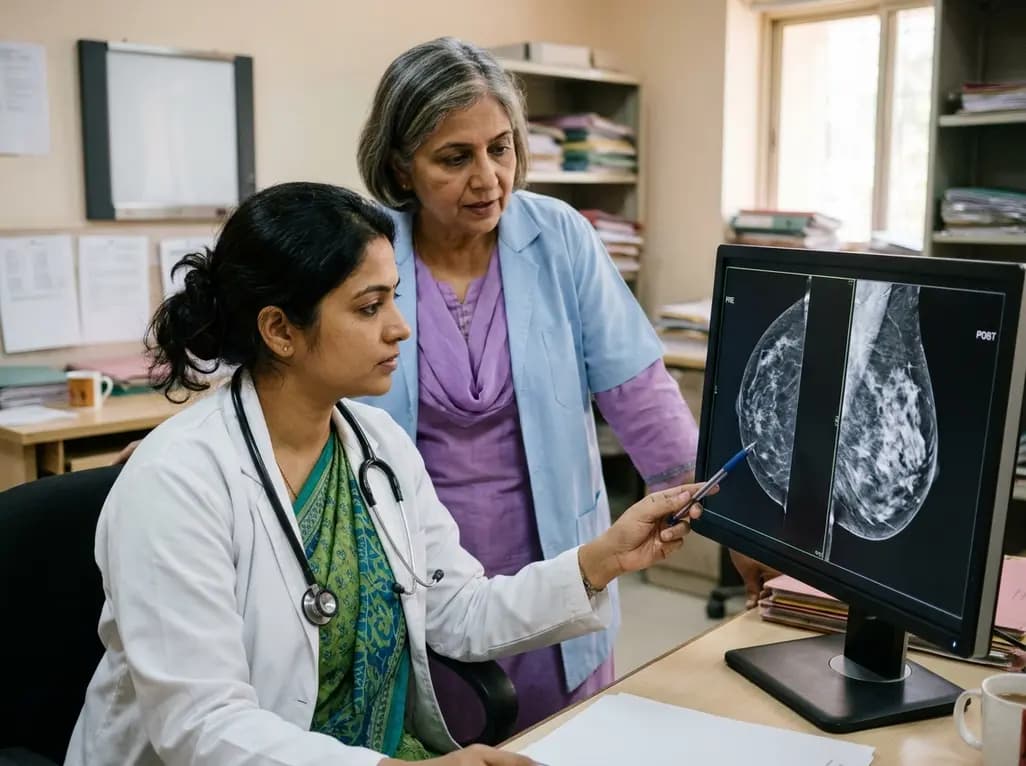
A new study reveals that substantial weight loss from GLP-1 receptor agonists increases mammographic breast density, more than doubling screening recall rates. Learn why relative fibroglandular prominence occurs, the clinical significance for radiologists, and how to guide patients during breast cancer screening.
Today
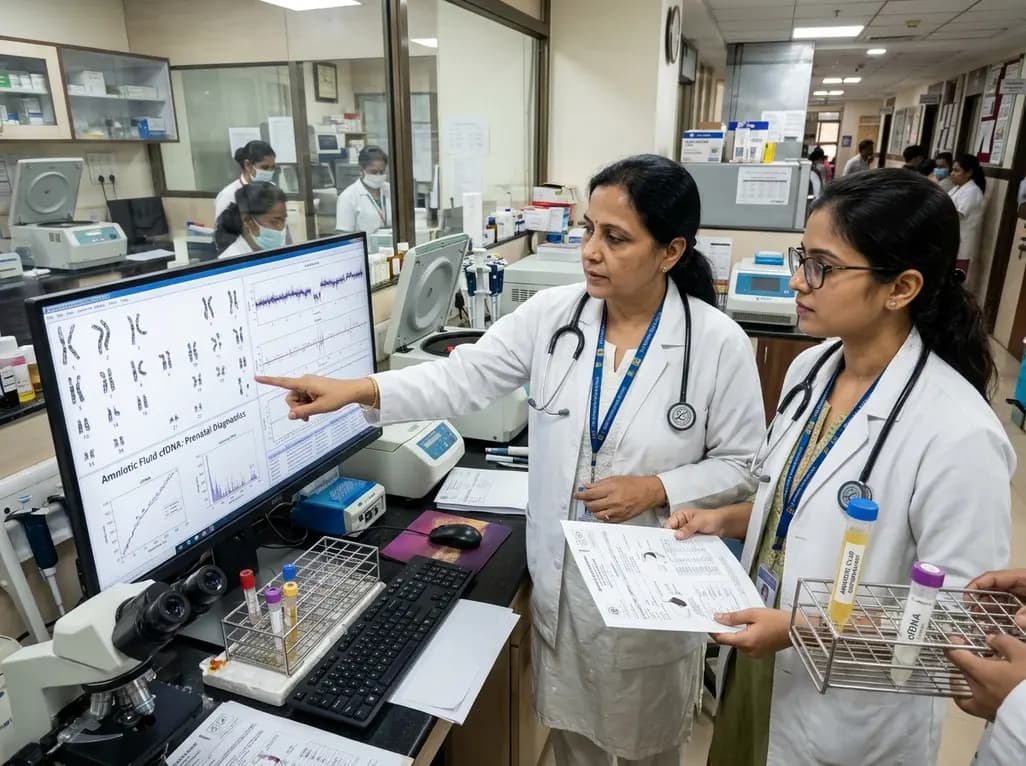
Amniotic fluid cell-free DNA offers a rapid alternative to cultured amniocytes in prenatal testing. With high yield, lack of maternal contamination, and full concordance across microarrays and exome sequencing, it dramatically cuts diagnostic turnaround time.
Today
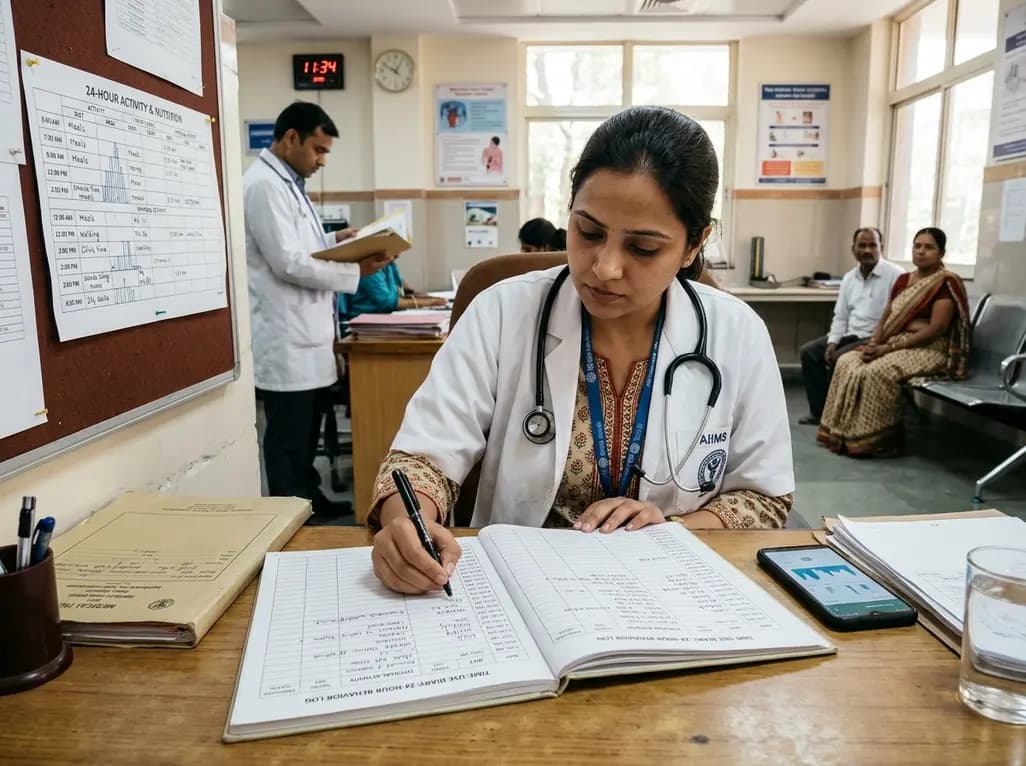
Time-use diary research maps 24-hour physical activity and dietary habits, providing clinicians with vital insights into temporal patterns, time poverty, and lifestyle modifications essential for noncommunicable disease prevention.
Today
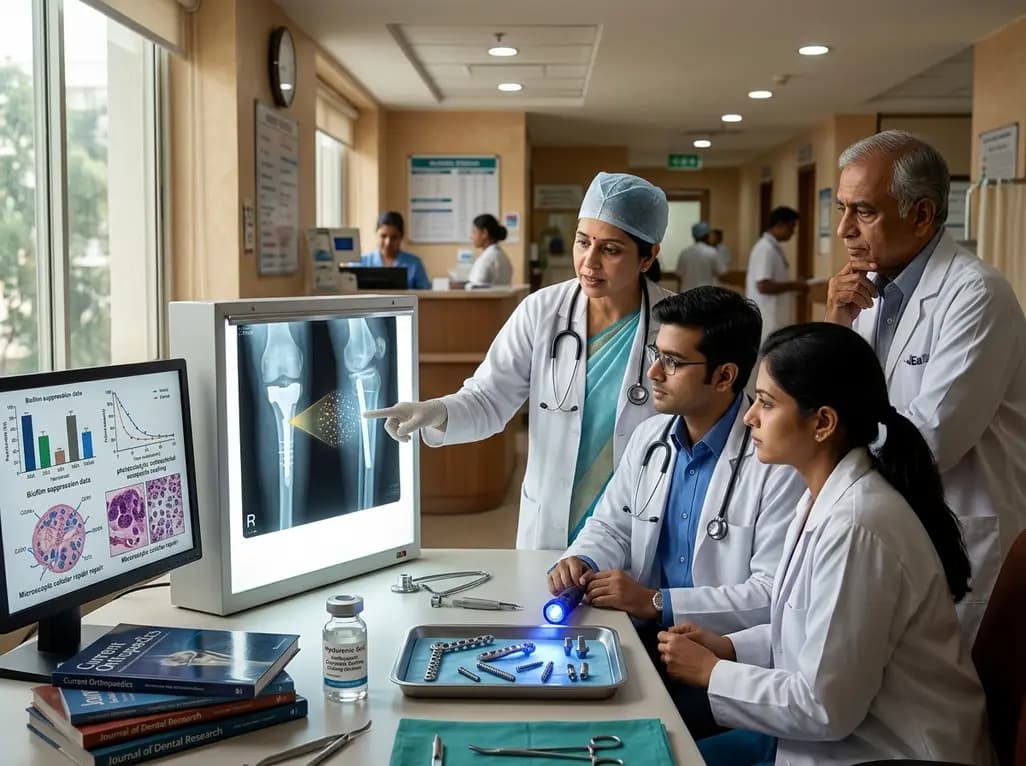
Implant-associated infections present severe challenges in orthopedic and dental surgery. A newly engineered photocatalytic antibacterial composite coating on medical titanium combines passive hyaluronic acid defense with active visible-light reactive oxygen species generation to suppress biofilms and enhance repair.
Today

Investigating the patterns, barriers, and facilitators of sedentary behaviour, physical activity, and nutrition among hybrid employees working from home, with practical recommendations for clinicians managing cardiometabolic and musculoskeletal health.
Today
