.webp&w=384&q=75)

Loading, please wait...
Loading, please wait...

The transition from adolescence to adulthood represents a critical period for personality development. Clinicians have long observed that individuals who report negative parenting experiences during their teenage years often display maladaptive personality traits as adults. However, the precise mechanisms driving this longitudinal association remain a subject of intense debate. Understanding the genetic mediation parenting personality link is essential for modern psychiatry. Recent research by Hobbs KA and colleagues has shed new light on this phenomenon. Their study investigates whether the link between perceived parenting and adult personality stems from the environment or if it is genetically driven. By following a large cohort of twins from age 14 into their third or fourth decade of life, researchers can now distinguish between these competing influences. Consequently, this provides a more nuanced view of how family dynamics and biological predispositions interact over time. Ultimately, this research challenges the traditional purely environmental view of personality pathology. It suggests that our biological makeup significantly influences both how we are raised and how we perceive that upbringing later in life.
One of the most striking findings in recent developmental psychopathology is the evidence for substantial genetic mediation parenting personality associations. The study utilized a bivariate biometric model to decompose the variance in personality traits into additive genetic, shared environmental, and nonshared environmental factors. Remarkably, the researchers found that additive genetic factors accounted for a significant portion of the link between adolescent parenting and adult maladaptive personality. Specifically, genetic correlations ranged from 0.22 to 0.55. This suggests that the same set of genes influencing how an adolescent perceives their parent's behavior also influences the development of their own personality traits. Moreover, this genetic overlap implies that the correlation between parenting and personality is not merely a result of parental behavior shaping the child. Instead, it may reflect evocative gene-environment correlations. In such cases, a child's genetically influenced temperament might evoke specific parenting responses. Alternatively, it may color the child's subjective experience of their home environment. Therefore, the internal narrative of one's childhood is deeply intertwined with their genetic architecture.
Twin studies offer a unique vantage point for disentangling nature from nurture. By comparing monozygotic twins, who share 100% of their DNA, with dizygotic twins, who share approximately 50%, researchers can estimate heritability with high precision. This specific study focused on two cohorts of twins assessed at age 14 and followed up at age 24 or 34. This longitudinal design is particularly robust because it captures the developmental trajectory of personality across decades. Furthermore, the use of both parent-reported and adolescent-reported data adds a layer of depth to the analysis. It allows researchers to see if the genetic mediation holds true regardless of who is reporting the parenting style. Interestingly, the findings were most pronounced when looking at adolescent-reported parenting. This reinforces the idea that the child’s subjective perception is the primary vehicle for these genetic effects. Additionally, the large sample size of 1,094 twin pairs ensures that the statistical power is sufficient to detect even subtle genetic influences. Such rigorous methodology provides a solid foundation for the conclusion that genetics play a primary role in mediating these associations.
The Personality Inventory for DSM-5 (PID-5) was the primary tool used to measure maladaptive personality in this research. The PID-5 captures five broad domains of personality pathology: Negative Affectivity, Detachment, Antagonism, Disinhibition, and Psychoticism. These domains represent the maladaptive variants of the Big Five personality traits. For example, Disinhibition is the maladaptive counterpart to low Conscientiousness. The study found that adolescent-reported parenting styles, such as lack of warmth or high conflict, were predictive of higher scores across several of these domains in adulthood. Specifically, traits related to detachment and negative affect showed strong longitudinal associations with early parenting perceptions. However, the biometric modeling revealed that these associations were not purely environmental. Instead, the genetic factors that predispose an individual toward antagonism or disinhibition also likely influenced their perception of parental control or rejection during adolescence. Consequently, clinicians must recognize that a patient's report of a "difficult" childhood may be partially reflective of their own inherent personality structure. This does not invalidate the patient's experience but adds a critical biological dimension to the clinical formulation.
While genetic factors were dominant, the study did not entirely discount the role of the environment. Nonshared environmental factors, which are experiences unique to each twin, accounted for 10% to 15% of the association between parenting and personality. These unique experiences might include a specific relationship with one parent, peer groups, or individual life events that the other twin did not share. Notably, shared environmental factors—those that make siblings more similar, such as socioeconomic status or general family climate—played a much smaller role than previously assumed. This aligns with a growing body of behavioral genetic research suggesting that family-wide environments have limited long-term impact on personality compared to genetics and individual experiences. Furthermore, the presence of nonshared environmental mediation suggests that there is still room for environmental intervention. For instance, targeted therapy that helps an adolescent reframe their unique experiences could potentially mitigate the development of maladaptive traits. Nevertheless, the overarching influence remains genetic. This highlights the importance of moving toward a biopsychosocial model that gives equal weight to heritable predispositions and individual environmental encounters.
For psychiatrists and counselors in India, these findings have significant implications for family therapy and personality disorder management. Often, traditional therapeutic models place a heavy emphasis on parental blame or "reparenting" strategies. However, understanding that genetic mediation plays a substantial role suggests a more balanced approach. Clinicians should educate families about the bidirectional nature of parent-child interactions. Specifically, they should explain how a child's innate temperament can influence the family dynamic. This can reduce the guilt often felt by parents of children with difficult personalities. Moreover, identifying early signs of maladaptive traits in adolescence can lead to more personalized interventions. Instead of focusing solely on changing the parent's behavior, therapy can help the adolescent develop coping mechanisms for their specific genetic predispositions. In the Indian context, where family bonds are often central to identity, this genetic perspective can foster empathy rather than resentment. Ultimately, recognizing the interplay of biology and environment allows for a more holistic treatment plan that addresses both the internal and external realities of the patient.
Genetic mediation suggests that an individual's DNA influences both their personality and how they interpret environmental cues. For instance, a child with a genetic predisposition toward anxiety may perceive parental guidance as overly controlling. This creates a correlation between their genetic makeup and their subjective report of their upbringing.
The Personality Inventory for DSM-5 (PID-5) measures five key domains: Negative Affectivity (emotional lability), Detachment (social withdrawal), Antagonism (manipulativeness), Disinhibition (impulsivity), and Psychoticism (unusual beliefs). These domains help clinicians identify maladaptive personality patterns that may lead to formal personality disorder diagnoses in adulthood or late adolescence.
Yes, while genetics provide a blueprint, they are not destiny. Environmental interventions, such as Cognitive Behavioral Therapy (CBT) or Dialectical Behavior Therapy (DBT), can provide individuals with tools to manage their predispositions. Nonshared environmental factors also contribute to personality, suggesting that unique positive experiences can buffer against genetic risks.
Disclaimer: This content is for informational and educational purposes only. It does not constitute medical advice or establish a doctor-patient relationship. Always seek the advice of a qualified healthcare provider regarding a medical condition or treatment. Refer to the latest local and national guidelines for clinical practice.
References
Hobbs KA et al. Why does perceived parenting in adolescence predict maladaptive personality in adulthood? Evidence for substantial genetic mediation. Dev Psychopathol. 2025 Aug. doi: 10.1017/S0954579424001329. PMID: 39297243.
South SC, et al. Genetic and environmental influences on Diagnostic and Statistical Manual of Mental Disorders-Fifth Edition (DSM-5) maladaptive personality traits and their connections with normative personality traits. J Abnorm Psychol. 2017 May;126(4):426-437.
Wertz J, et al. Parenting in childhood predicts personality in early adulthood: A longitudinal twin-differences study. Am Psychol. 2025 Apr;80(3):250-264.
"
Read summarized clinical updates, watch expert medical content, and earn CME certifications right from your smartphone.
Open your smartphone camera to scan and install.





A groundbreaking longitudinal twin study indicates that the association between perceived parenting in adolescence and maladaptive adult personality is primarily driven by genetic mediation rather than solely environmental factors.
Last week
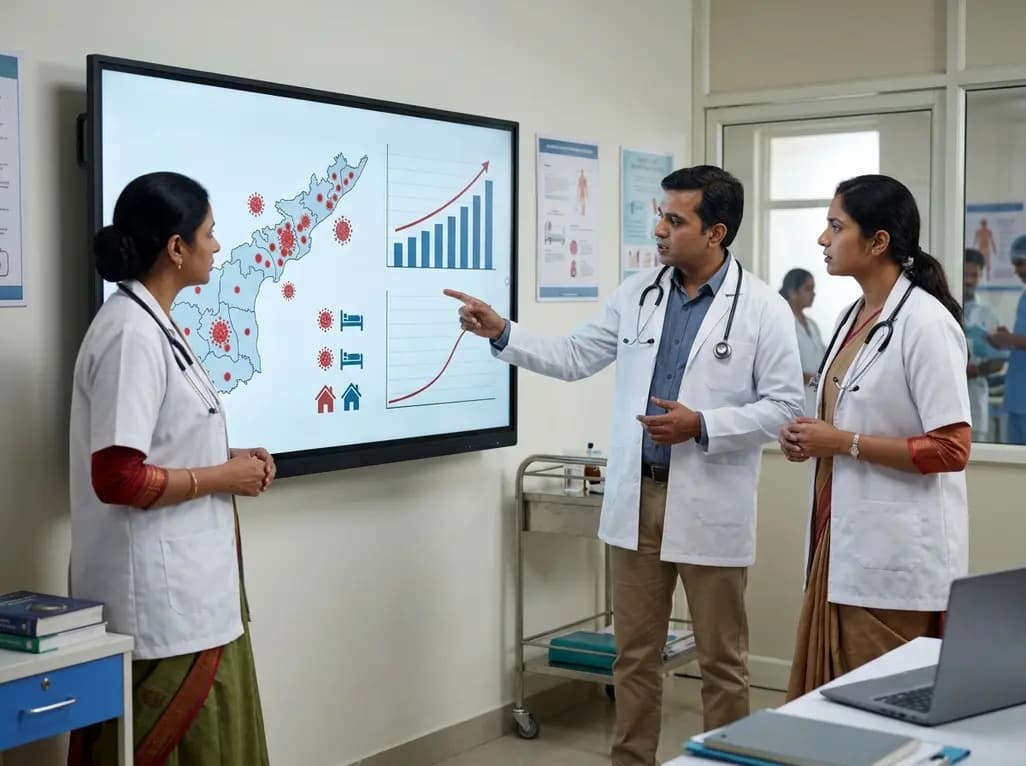
Andhra Pradesh reported 10 new Covid-19 cases, taking the state tally to 49 while deaths remain at four. With 24 patients hospitalized and 16 under home isolation, the Health Department has intensified monitoring. Medical professionals should review regional distribution, diagnostic protocols, and management plans.
Today

An 11-year Swedish registry study of 618 uterine sarcoma patients found that minimally invasive surgery yielded survival comparable to open surgery in early stages. However, adjuvant chemotherapy conferred no survival benefit in localized or advanced disease, highlighting stage and histology as key outcomes.
3 days back

A cross-sectional study evaluates post-intensive care syndrome in cardiac patients 2-4 weeks post-ICU discharge, highlighting cognitive, psychological, and functional impairments and the need for structured multidisciplinary rehabilitation.
3 days back
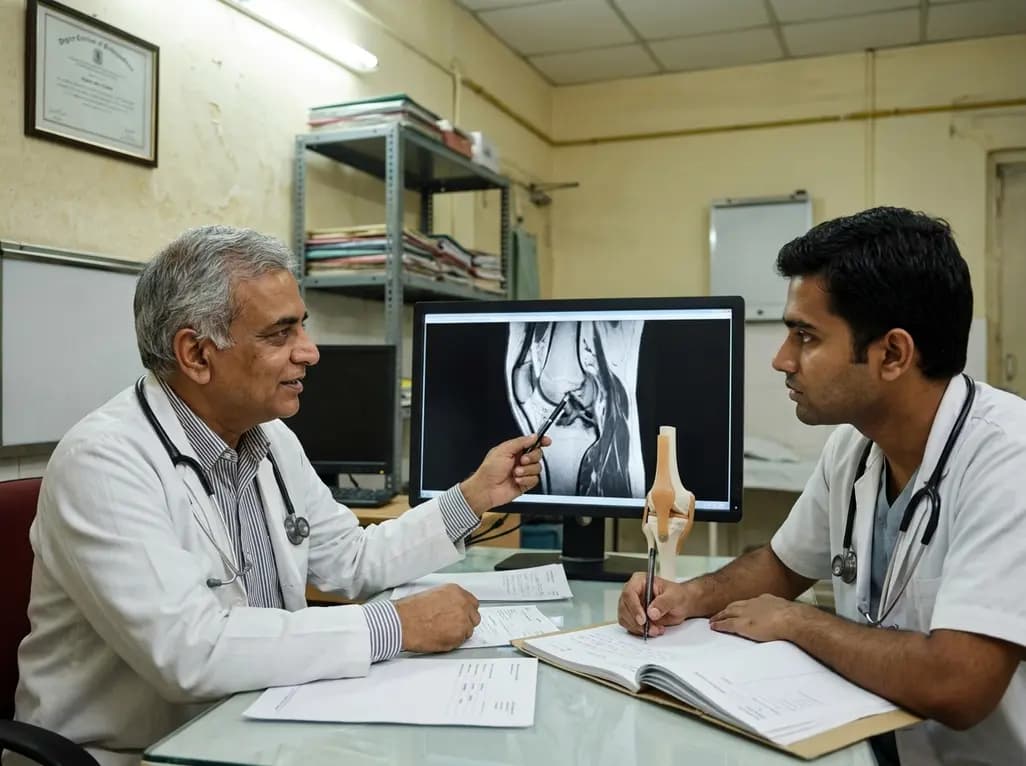
Anterior cruciate ligament reconstruction failure lacks uniform definition. A narrative review proposes an integrative framework incorporating objective and subjective instability, persistent pain, restricted motion, graft rupture, and secondary meniscal injury to standardize clinical reporting.
3 days back
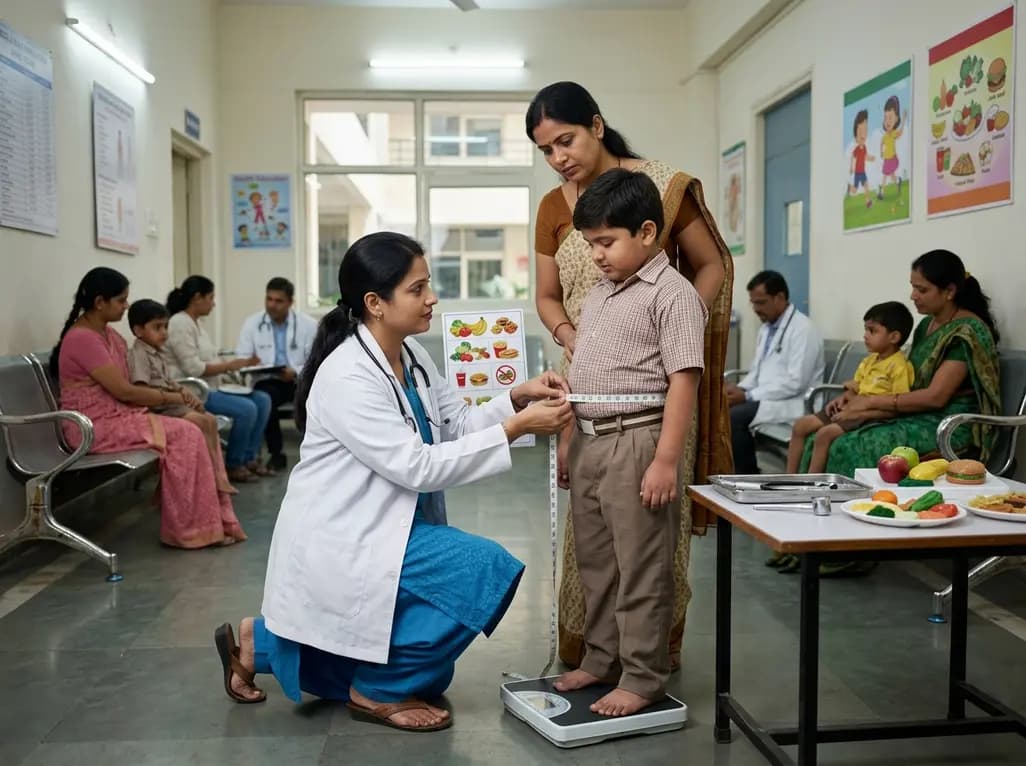
With World Obesity Atlas data warning that over 41 million Indian children are overweight or obese, ICMR and NIN have unveiled a 10-point policy roadmap. The initiative calls for mandatory front-of-pack labeling, HFSS taxes, strict marketing bans, and healthier school environments to curb non-communicable diseases.
Today
