.webp&w=384&q=75)

Loading, please wait...
Loading, please wait...
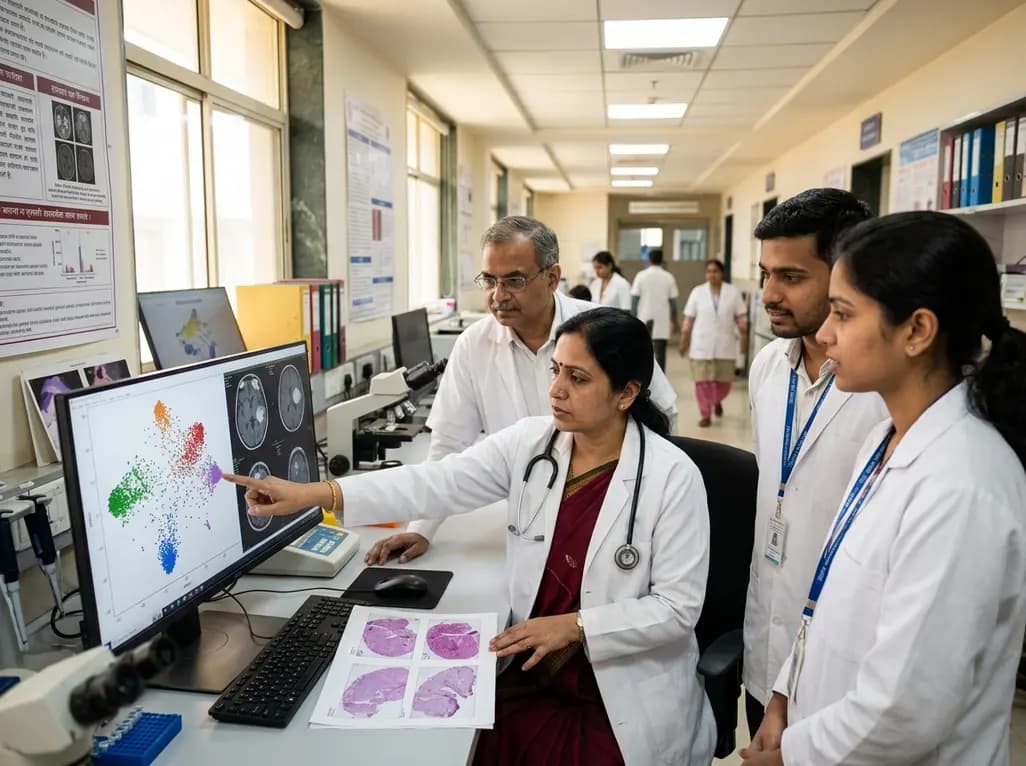
Central nervous system malignancies represent the leading cause of disease-related mortality in childhood cancer. Despite transformative advancements in molecular classification and targeted therapeutics, significant survival disparities persist across diverse demographic groups. Understanding the biological drivers behind these disparities remains a crucial priority in modern neuro-oncology. A landmark study utilizing the Pediatric Brain Tumor Atlas and the Pediatric Neuro-Oncology Consortium has systematically evaluated how genetic ancestry shapes tumor histology, molecular profiling, and survival trajectories in pediatric CNS tumors. By applying whole-genome sequencing algorithms across 1,452 pediatric patients, researchers uncovered profound connections between genomic lineage and childhood brain tumor biology.
Historically, epidemiological analyses have relied almost exclusively on self-reported race and ethnicity to categorize pediatric patient cohorts. However, self-reported metrics often reflect social, cultural, and environmental constructs rather than precise biological lineage. In this multi-institutional study, investigators performed genetic ancestry prediction using paired normal and tumor whole-genome sequencing from the Open Pediatric Cancer repository. Consequently, the researchers stratified patients into five major genetic superpopulations: African, Admixed American, East Asian, European, and South Asian.
Although self-reported race demonstrated non-random concordance with genetic lineage, significant admixture and discordance emerged within several cohorts. For example, individuals identifying under broad racial umbrellas frequently displayed complex ancestral mixtures that influenced biological susceptibility. Therefore, relying solely on self-reported race obscures critical genomic markers that drive tumorigenesis. By establishing objective ancestry estimates, the study provides a robust framework to disentangle genetic risk factors from socioeconomic determinants of health in neuro-oncology.
The distribution of central nervous system tumor histologies varied markedly across distinct ancestry superpopulations. Specifically, medulloblastoma, pilocytic astrocytoma, ependymoma, and high-grade gliomas showed divergent incidence rates depending on ancestral background. Furthermore, these histological variations aligned with distinct underlying somatic mutations, copy-number variations, and epigenetic signatures.
Importantly, the study demonstrated that driver alterations such as BRAF fusions, H3K27M mutations, and TP53 abnormalities occurred at differing frequencies among ancestral cohorts. For instance, specific high-grade glioma subgroups exhibited enriched alteration profiles within non-European populations. Thus, tumors arising in children of different ancestral lineages may follow fundamentally distinct oncogenic pathways. Recognizing these subtype-specific distributions enables clinicians to better anticipate tumor aggressiveness and proactively select targeted genomic panels during initial diagnostic evaluation.
Survival analyses revealed striking outcome differences across ancestral superpopulations, even after accounting for standard clinical prognostic markers. In particular, pediatric patients of African and Admixed American ancestry experienced lower event-free and overall survival rates in select high-grade tumor categories compared to their European peers. Conversely, certain subgroups within East Asian and South Asian cohorts demonstrated unique therapeutic responses to standard multimodal regimens.
These disparate outcomes highlight critical gaps in current standard-of-care protocols. Most pediatric neuro-oncology clinical trials have historically recruited cohorts predominantly composed of European ancestry. Consequently, contemporary risk stratification systems and therapeutic regimens may not perform with equivalent efficacy across genetically diverse populations. Addressing these outcome gaps requires clinicians to integrate comprehensive ancestry-informed risk profiles into long-term survivorship and surveillance models.
Precision oncology seeks to deliver personalized therapies based on the individual tumor's molecular blueprint. However, precision therapy cannot achieve true equity if reference databases and clinical trial populations remain genetically skewed. By establishing the largest ancestral map of pediatric brain tumors to date, this research emphasizes the urgent need for inclusive clinical trial designs.
Moreover, the identification of ancestry-associated biomarkers creates immediate opportunities to refine therapeutic stratification. Novel molecular therapies targeting specific genomic pathways can now undergo prospective evaluation in underrepresented cohorts. In addition, pharmacogenomic variations related to drug metabolism and toxicity often track with ancestral lineage. Therefore, combining tumor whole-genome profiling with germline ancestry analysis ensures that targeted agents, immunotherapies, and radiation protocols provide maximum efficacy while minimizing long-term neurocognitive and endocrine toxicities.
In developing nations and diverse healthcare environments like India, the burden of childhood central nervous system malignancies is substantial. South Asian pediatric cohorts often encounter unique diagnostic delays and treatment access barriers, yet their specific molecular landscape has remained understudied in international literature. This comprehensive genomic investigation provides valuable reference data regarding South Asian ancestral cohorts, offering actionable insights for regional clinicians.
Indian pediatric oncologists and neurosurgeons can leverage these findings to advocate for expanded next-generation sequencing and molecular testing panels. Furthermore, establishing multi-center registries across diverse regional demographics will help clinicians differentiate actionable germline predispositions from somatic mutations. Ultimately, bridging genomic discovery with equitable healthcare delivery will improve long-term functional survival for all children diagnosed with central nervous system tumors worldwide.
The study analyzed whole-genome sequencing from 1,452 children across the Pediatric Brain Tumor Atlas and Pediatric Neuro-Oncology Consortium to examine how predicted genetic ancestry superpopulations influence pediatric brain tumor prevalence, molecular subtypes, and clinical survival outcomes.
Genetic ancestry directly measures biological genomic lineage rather than broad sociocultural categories. It accurately identifies genetic admixture and distinct molecular alterations, allowing oncologists to understand true biological disease drivers while separating them from external socioeconomic factors.
These findings emphasize the urgent need to diversify clinical trial enrollment and reference genomic datasets. Ancestry-specific molecular variations require tailored risk stratification and equitable drug development to ensure precision therapies work effectively across all global populations.
Disclaimer: This content is for informational and educational purposes only. It is not intended to be a substitute for professional medical advice, diagnosis, or treatment. Always seek the advice of your physician or other qualified health provider with any questions you may have regarding a medical condition. Refer to the latest local and national guidelines for clinical practice.
References

Read summarized clinical updates, watch expert medical content, and earn CME certifications right from your smartphone.
Open your smartphone camera to scan and install.





A comprehensive multi-center genomic study of 1,452 children demonstrates that genetic ancestry superpopulations significantly correlate with distinct histology, molecular subtypes, and survival trajectories in pediatric central nervous system tumors.
last month
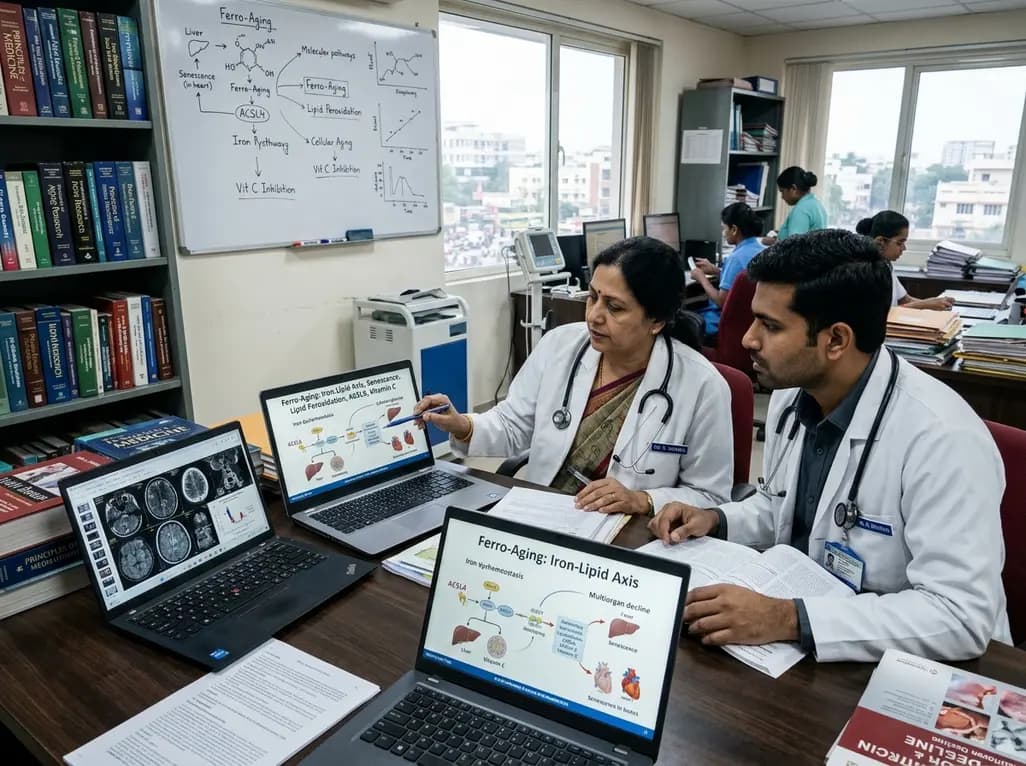
Recent research defines ferro-aging as a conserved iron-lipid axis driving organ decline across primates. Age-related iron dyshomeostasis stimulates ACSL4-mediated lipid peroxidation, promoting cellular senescence. Notably, vitamin C directly inhibits ACSL4, suppressing phospholipid oxidation and multi-organ decay.
Today

A retrospective cohort study evaluated 1,000 low-risk singleton births to assess maternal and neonatal outcomes during office-hours versus off-hours. Off-hours deliveries were significantly associated with higher odds of intrapartum cesarean sections and episiotomies, highlighting critical obstetric staffing considerations.
Today
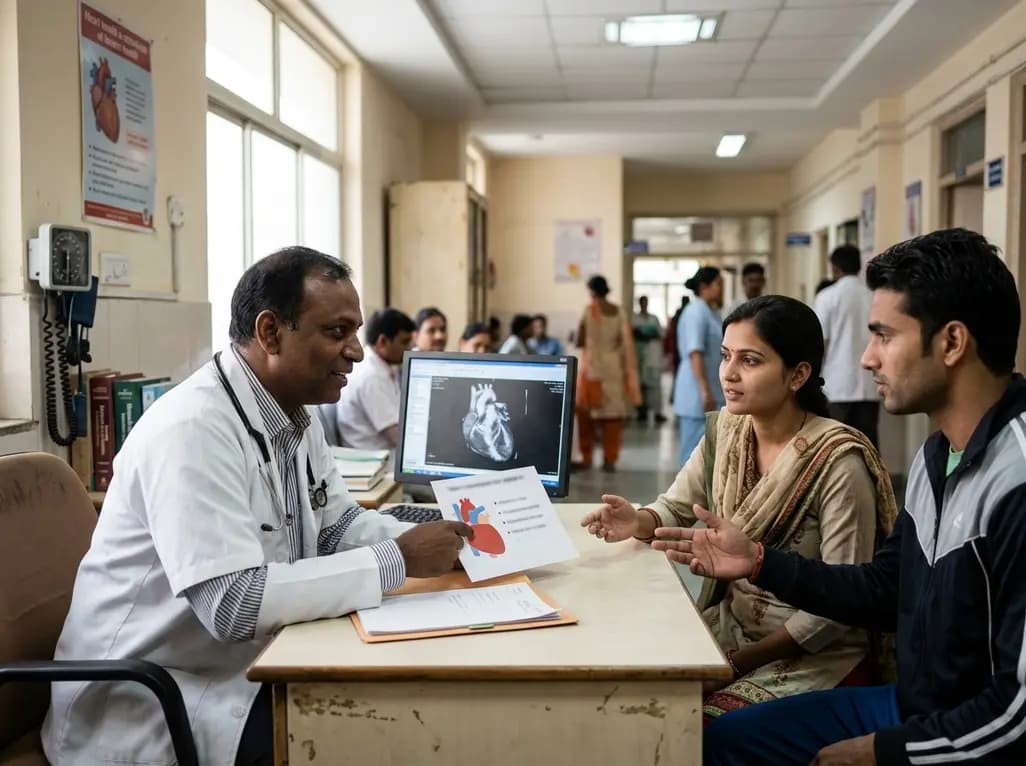
New clinical evidence demonstrates a shift away from strict exercise restrictions in genetic heart disease. While patients with channelopathies engage in more vigorous activity than those with cardiomyopathies, shared decision-making and individualized risk assessments ensure safe, beneficial exercise participation.
Today

Sarcopenia significantly impairs functional independence and amplifies fracture risks in patients with osteoarthritis and osteoporosis. Learn about modern diagnostic strategies, GLP-1 therapy considerations, and evidence-based non-pharmacological management across multidisciplinary clinical settings.
Today

Discover how to identify superimposed entrapment neuropathy in diabetic patients. This review details clinical evaluation, surgical decompression evidence, and a structured algorithm for primary care referrals to prevent ulcers and preserve limb function.
Today
