

Loading, please wait...
Loading, please wait...

Gen Z nutrition habits reflect an unprecedented interest in wellness, preventative health, and dietary macronutrients. Today, young adults consume vast quantities of digital content regarding wellness, functional ingredients, and fitness trends. However, digital interest does not always translate into healthy physiological practices at mealtime. Moreover, recent survey data from urban centers across India highlights a significant gap between nutritional awareness and actual nutrient intake. While younger demographics express high motivation to eat healthily, they often struggle with execution. Consequently, primary care clinicians and nutrition professionals encounter young adults presenting with subtle deficiencies, metabolic risks, and poor satiety regulation. Addressing these challenges requires practical, evidence-based dietary guidance tailored to contemporary routines.
Recent findings from 'The State of Protein & Fibre in Urban India' survey reveal critical nutritional trends among young cohorts. This study examined 1,250 urban consumers aged 18 to 50 across Delhi, Mumbai, Bengaluru, Kolkata, and Kochi. Notably, 74 percent of participants believed they understood their daily protein requirements. However, only 44 percent could correctly specify the physiological figure of 0.83 grams per kilogram of body weight. Furthermore, approximately 70 percent of urban respondents consumed less than 41 grams of protein each day. This intake falls remarkably short of recommended adult nutritional standards. A similar disconnect appears regarding dietary fibre. While 59 percent claimed awareness of fibre goals, an overwhelming 89 percent could not identify accurate targets. In fact, 61 percent failed to achieve minimal daily fibre goals across all age groups. Therefore, clinicians must recognize that perceived wellness literacy often masks substantial nutritional deficits. High digital engagement does not automatically equate to adequate macronutrient consumption in daily life. Consequently, medical practitioners must bridge this knowledge-action gap during routine preventive clinical consultations.
Clinical guidance emphasizes that adequate protein intake supports vital enzymatic functions, tissue synthesis, and immune health. According to ICMR-NIN guidelines, healthy Indian adults require 0.83 grams of protein per kilogram of body weight daily. For instance, this equals approximately 54 grams per day for adult men and 46 grams for adult women. Unfortunately, social media discussions frequently reduce protein intake to isolated gym trends and synthetic powders. Patients often obsess over protein supplements while ignoring overall dietary quality and bioavailable food staples. In addition, roughly 60 percent of surveyed consumers cited high financial cost as a barrier to adequate protein intake. Another 57 percent expressed a need for more convenient and credible dietary choices. Therefore, physicians should redirect patients toward accessible whole-food solutions. Clinicians can explain that traditional Indian foods provide abundant, budget-friendly protein when combined correctly. For example, pairing pulses with whole grains enhances the overall amino acid profile. Furthermore, incorporating dairy products like paneer and curd provides high biological value protein without inflated expense. By grounding protein education in physiology rather than social hype, clinicians empower young adults to meet targets sustainably.
Dietary fibre plays an indispensable role in maintaining cardiometabolic, digestive, and endocrine health. In clinical practice, adequate fibre intake optimizes glycemic control, lowers LDL cholesterol, and promotes a healthy microbiome. The ICMR-NIN guidelines establish clear intake thresholds: 30 grams per day for adult men and 25 grams for adult women. However, urban diets increasingly rely on ultra-processed meals, refined flours, and sugary convenience foods. As a result, 58 percent of Gen Z and Millennials consume inadequate fibre quantities. Generation X fares even worse, with 65 percent failing to meet national recommendations. Notably, 69 percent of survey respondents reported a distinct lack of accessible, credible fibre-rich foods in modern markets. Clinicians must actively counsel patients on the physiological risks associated with chronic fibre deficiency. Specifically, inadequate soluble and insoluble fibre contributes to constipation, dyslipidemia, and heightened insulin resistance. To resolve this issue, physicians should encourage patients to distribute fibre sources across all meals. Adding whole pulses, fresh seasonal vegetables, millets, and unpeeled fruits delivers steady digestive support throughout the day. Thus, deliberate fibre integration counteracts the adverse metabolic impacts of modern urban diets.
Survey data indicates that 90 percent of Gen Z respondents wish adding protein felt easier and more intuitive. Furthermore, 89 percent desire nutrition delivered through familiar, everyday food formats. Busy schedules and academic demands often prevent elaborate culinary preparation among young professionals. Consequently, medical practitioners must recommend simple, food-first assembly techniques that fit hectic urban routines. First, clinicians should advise patients to look beyond isolated nutrition claims on commercial packaging. Patients must evaluate total ingredient profiles, portion sizes, and complete dietary patterns. Second, assembling meals should remain uncomplicated and efficient. For instance, individuals can easily incorporate boiled chickpeas, paneer, tofu, or eggs into customary staples. Adding lentils to a quick khichdi or blending curd with berries creates nutritionally dense meals within minutes. Third, smart snacking can transform daily macronutrient profiles. Roasted chana, mixed nuts, seeds, and millet-based snacks provide convenient protein without excessive processing. In addition, pantry staples remain far more cost-effective than specialty fitness products. Therefore, simplifying meal construction eliminates psychological friction and supports lasting compliance among young adults.
Promoting sustainable dietary change requires moving away from rigid perfectionism toward realistic consistency. Many young patients abandon dietary plans because restrictive regimens conflict with social lives and demanding work hours. Therefore, healthcare providers should encourage micro-habits rather than drastic culinary overhauls. Clinicians can recommend securing a reliable protein source at every sitting and including fresh produce twice daily. Moreover, patients should learn that a single unbalanced meal does not ruin weekly metabolic progress. Consistency over seven days yields far better health outcomes than three days of hyper-restrictive eating. Healthcare providers must also leverage digital enthusiasm positively during clinical discussions. When young adults express interest in novel wellness concepts, practitioners can redirect that curiosity toward fundamental macronutrient physiology. By focusing on sustainable Gen Z nutrition habits, clinicians help prevent future chronic lifestyle diseases. Ultimately, small and repeatable choices establish robust physiological resilience. Medical teams serve as essential guides, translating internet nutrition hype into practical, evidence-based daily living.
Q1: What are the daily protein requirements for Indian adults according to national guidelines?
According to the ICMR-NIN dietary guidelines, healthy Indian adults require 0.83 grams of protein per kilogram of body weight daily. Specifically, this translates to roughly 54 grams per day for sedentary adult men and 46 grams per day for adult women. Furthermore, these values represent safe minimum targets to support cellular repair, muscular preservation, and optimal enzymatic synthesis across the adult lifespan.
Q2: Why is dietary fibre intake consistently suboptimal among urban youth?
Dietary fibre intake remains suboptimal primarily due to the widespread consumption of refined grains, ultra-processed packaged meals, and sugary beverages. Additionally, modern urban lifestyles limit home-cooked meals that feature traditional whole pulses, legumes, and diverse seasonal vegetables. Consequently, nearly 60 percent of urban youth consume less than the recommended 25 to 30 grams of daily fibre, elevating their long-term cardiometabolic risk.
Q3: How can clinicians advise busy young patients to increase protein affordably?
Clinicians should advise young patients to prioritize cost-effective pantry staples rather than costly commercial supplements. For example, incorporating roasted chana, lentils, soy chunks, boiled eggs, curd, and paneer provides high-quality protein on a modest budget. Moreover, combining whole grains with pulses enhances the overall amino acid profile. These versatile ingredients require minimal cooking time and integrate seamlessly into busy daily routines.
Disclaimer: This content is for informational and educational purposes only. It does not constitute medical advice or replace professional judgment. Refer to the latest local and national guidelines for clinical practice.
References

Read summarized clinical updates, watch expert medical content, and earn CME certifications right from your smartphone.
Open your smartphone camera to scan and install.





A landmark survey in urban India reveals significant deficits in daily protein and fibre consumption among youth despite high awareness. Healthcare providers can utilize five evidence-based, food-first counseling strategies to help young adults bridge nutritional gaps through sustainable everyday dietary choices.
Today

Explore how India's shifting food landscape fuels a dual burden of micronutrient deficiency and metabolic disease. Learn practical dietary frameworks, the clinical impact of the thin-fat phenotype, and why physicians must prioritize nutrient density over caloric intake in routine patient care.
Today

The GESS-AEEM consensus establishes a clear clinical implementation framework for testosterone therapy in postmenopausal women with hypoactive sexual desire disorder, focusing on transdermal dosing, precise laboratory monitoring, and safety communication.
Today

A Bayesian component network meta-analysis of 130 RCTs reveals that self-monitoring and gamification provide the clearest positive effects in mHealth physical activity interventions, while social comparison may have adverse psychological trade-offs.
Today

A paired cadaveric study compared triple and quintuple percutaneous Achilles tendon lengthening. While quintuple hemisection showed numerically greater elongation, differences were not statistically significant.
2 days back
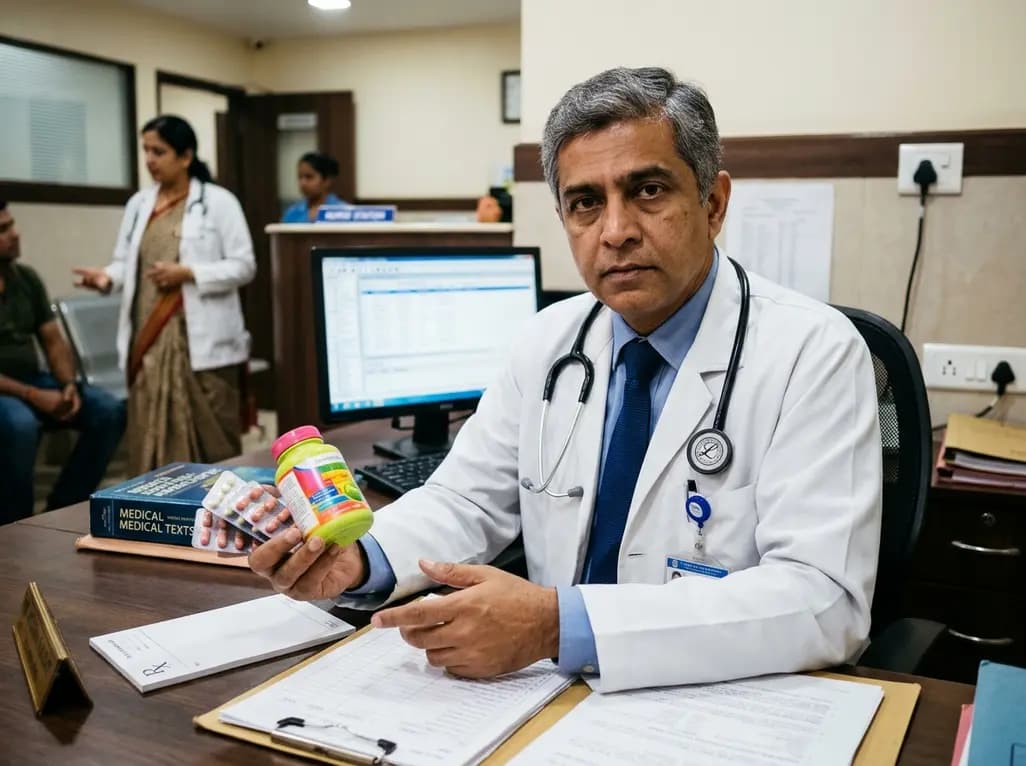
A recent ASCI review revealed that all 60 evaluated nutraceutical ads violated advertising codes by making unsubstantiated health claims. Explore why treating food supplements as prescription alternatives poses severe clinical hazards and how physicians can guide patients away from deceptive wellness promotions.
Today
