.webp&w=384&q=75)

Loading, please wait...
Loading, please wait...

GE HealthCare recently adjusted its annual GE HealthCare profit forecast for 2026. This decision follows significant margin pressures from global inflation and rising tariffs. Despite healthy demand for diagnostic imaging tools, the medical equipment giant now expects lower adjusted earnings per share. However, the company remains optimistic about its underlying revenue growth and order volume.
The company identifies two primary headwinds: inflation and tariffs. Specifically, memory chip prices, oil, and freight costs surged during the first quarter. Furthermore, these cost pressures will likely persist throughout the remainder of 2026. Consequently, management estimates a $250 million gross impact from inflation this year. This equates to approximately 43 cents per share.
Moreover, tariffs contributed a 16-cent drag on first-quarter profits. Although the company expects tariff pressures to ease, they remain a significant obstacle. GE HealthCare plans to mitigate these losses through strategic pricing and cost-reduction actions. However, the full benefits of these measures will not appear until the second half of the year as price increases flow through new orders.
Interestingly, customer demand for diagnostic equipment remains robust. Orders for imaging systems continue to show steady growth across most global regions. Additionally, a strong order backlog supports the company's long-term revenue outlook. This suggests that while production costs are rising, the clinical need for advanced medical technology is not slowing down.
GE HealthCare also resolved a brief supplier issue within its pharmaceutical diagnostics business. This segment, which includes contrast media and radiopharmaceuticals, remains a key growth driver. By consolidating its imaging units, the company aims to accelerate innovation while navigating the current macroeconomic climate. Consequently, they expect to maintain steady organic revenue growth despite the earnings revision.
Q1: Why did GE HealthCare reduce its profit outlook?
The company cut its forecast due to an expected $250 million impact from inflation, particularly in memory chips and logistics, alongside significant tariff-related costs.
Q2: Is demand for medical imaging equipment decreasing?
No, GE HealthCare reports that customer demand for diagnostic and imaging equipment remains healthy, supported by solid procedure growth and a large order backlog.
Disclaimer: This content is for informational and educational purposes only. It does not constitute medical advice or replace professional judgment. Refer to the latest local and national guidelines for clinical practice.
References

Read summarized clinical updates, watch expert medical content, and earn CME certifications right from your smartphone.
Open your smartphone camera to scan and install.





GE HealthCare cuts 2026 profit outlook due to inflation and tariffs, despite strong demand for imaging equipment and a robust global order backlog....
5 months ago
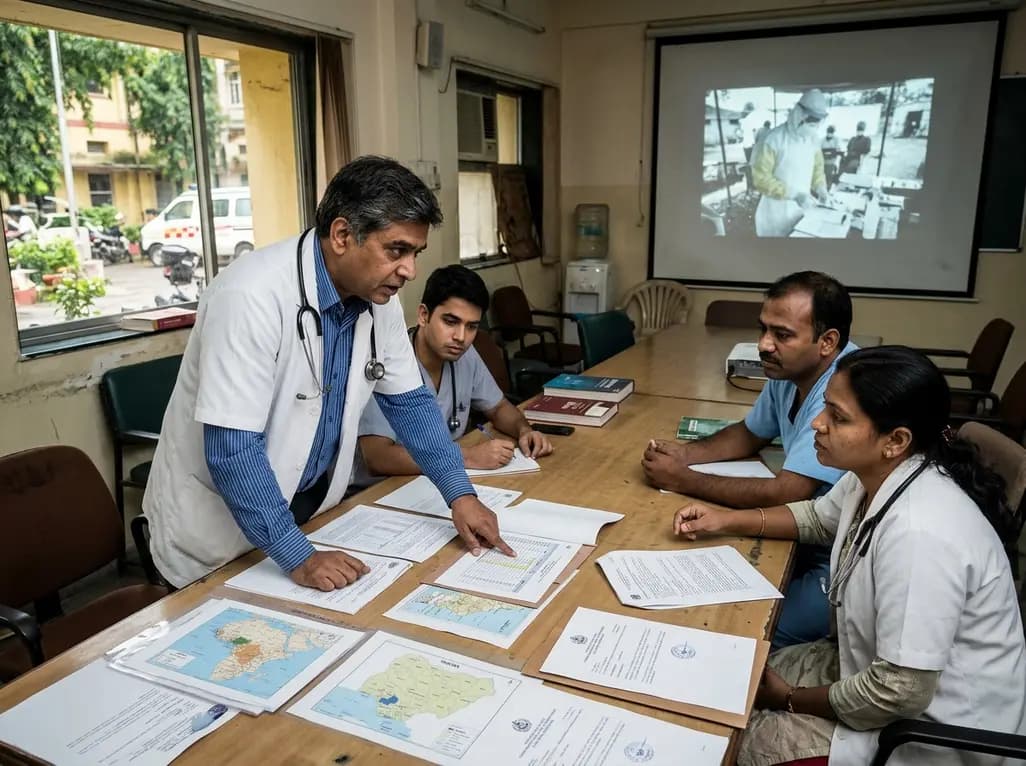
Following Nigeria's first recorded Ebola case linked to regional travel, the Africa CDC has convened an emergency ministerial summit. This alert underscores critical clinical priorities for healthcare professionals, including differentiating early viral infection from malaria, implementing barrier nursing, and triage.
Today

Leucine Rich Bio has introduced South Asia's first comprehensive vaginal microbiome test, BugSpeaks. By profiling microbial dysbiosis, pathogens, and antimicrobial resistance, this next-generation diagnostic platform provides clinicians with deeper insights into recurrent infections, fertility, and reproductive health.
Today

Review how tailored exercise programs benefit frail older patients with heart failure. Explore pathophysiological mechanisms, individualized training prescriptions, and strategies to overcome adherence barriers in clinical practice.
Today

This comparative study evaluates posterior labral tears with and without glenohumeral instability, highlighting distinct demographic patterns, MRI underestimation in stable shoulders, and successful arthroscopic repair outcomes.
Today

A clinical study demonstrates that early intervention with tocilizumab, either as monotherapy or bridged with corticosteroids, achieves significant proptosis reduction and resolves active inflammation in treatment-naive thyroid eye disease.
Today
