.webp&w=384&q=75)

Loading, please wait...
Loading, please wait...

The management of large symptomatic brain metastases remains a complex frontier in neuro-oncology. Generally, surgical resection serves as the first-line treatment to alleviate mass effect and obtain pathology. However, the subsequent sterilization of the resection cavity is vital to prevent local recurrence. For many years, Gamma Knife radiosurgery (GKRS) has functioned as the preferred adjuvant strategy. Despite its precision, achieving consistent Gamma Knife local control within these dynamic cavities is historically difficult. Clinicians often observe varying outcomes that standard clinical metrics fail to predict reliably. Consequently, there is an urgent need for advanced tools to stratify patient risk more accurately. This study introduces a proof-of-concept machine learning approach to address this variability. By integrating routine treatment-time variables, researchers aimed to provide a more nuanced understanding of post-resection outcomes. Specifically, the ability to predict local failure early could allow for more intensive surveillance or adjusted therapeutic interventions. For specialists in India, where patient volumes are high, such data-driven insights are invaluable. Understanding the nuances of Gamma Knife local control is not merely a technical exercise but a step toward truly personalized medicine. As we move forward, the integration of artificial intelligence into clinical workflows promises to bridge the gap between generalized guidelines and individualized care strategies.
Managing the resection cavity presents unique challenges compared to intact metastases. After surgery, the cavity often undergoes rapid architectural changes. Furthermore, dural settling and brain re-expansion can alter the target volume significantly between surgery and radiosurgery planning. These factors contribute to the unpredictable nature of treatment success. Historically, physicians relied on simple clinical features like age and tumor volume. While these provide some guidance, they frequently fall short of capturing the complex biological interplay at the treatment site. Moreover, the risk of local failure remains high in certain subgroups, leading to patient morbidity. Therefore, identifying these high-risk cavities early is essential for multidisciplinary decision-making. Researchers recently performed a retrospective analysis of 401 cavities to find better predictors. They recognized that relying on prevalence-only data leads to chance-level discrimination. In contrast, computational models can process multiple variables simultaneously to detect subtle patterns. This shift toward quantitative risk stratification represents a major advancement in radiosurgical planning. By moving beyond subjective assessment, clinicians can better anticipate how a specific cavity will respond to radiation. Ultimately, this approach aims to reduce the incidence of local recurrence and improve the overall quality of life for oncology patients.
The investigators focused on using a gradient boosting classifier to improve Gamma Knife local control predictions. This specific machine learning model is well-regarded for its ability to handle tabular clinical data efficiently. Researchers trained the model using eight routine treatment-time features. These included age, sex, pre-treatment Karnofsky Performance Status (KPS), and the primary tumor category. Additionally, they included variables like the presence of single versus multiple metastases and the specific lobe or structure involved. Features such as eloquence and cavity volume also played a critical role in the model's architecture. Notably, the gradient boosting model outperformed other AI architectures, including a feedforward neural network. Specifically, the neural network achieved a lower ROC-AUC of 0.672 compared to the gradient boosting model's 0.735. This suggests that for clinical datasets of this nature, gradient boosting may offer more robust discrimination. Furthermore, the model displayed acceptable calibration, meaning the predicted probabilities aligned well with actual observed outcomes. Consequently, this tool provides a practical framework for risk stratification at the time of treatment planning. By using variables already available in the patient record, hospitals can implement such models without needing expensive new diagnostic tools. This feasibility is particularly relevant for busy clinics looking to optimize their workflow and patient outcomes.
Evaluating the performance of any predictive model requires a rigorous statistical framework. In this study, the researchers utilized five-fold stratified cross-validation with out-of-fold predictions. This method ensures that the model generalizes well to new data rather than just memorizing the training set. The results were compelling, as the gradient boosting model achieved a receiver operating characteristic area under the curve (ROC-AUC) of 0.735. Moreover, the precision-recall area under the curve (PR-AUC) reached 0.802. These figures represent a substantial improvement over the prevalence-only baseline, which showed only chance-level discrimination. When investigators applied a probability threshold of 0.50, the model demonstrated an accuracy of 0.701. Specifically, the sensitivity was high at 0.783, though the specificity remained moderate at 0.566. These operating characteristics suggest that the model is particularly effective at identifying patients likely to maintain local control. Furthermore, the Brier score of 0.208 indicated that the model's probability estimates were reliable. Such metrics are crucial for building clinician trust in AI-driven tools. When a model provides a high-probability score for local control, physicians can proceed with greater confidence. Conversely, lower scores might prompt more frequent follow-up imaging. This data-driven approach ensures that healthcare resources are directed where they are most needed, enhancing the efficiency of the entire oncology department.
The integration of this machine learning model into clinical practice could revolutionize how we approach post-resection care. For instance, the model highlights the importance of the Karnofsky Performance Status and cavity volume in predicting success. Clinicians can use these insights to tailor the intensity of adjuvant therapy. Furthermore, the stratification of local control risk allows for more personalized surveillance schedules. Patients predicted to have a high risk of failure might benefit from shorter intervals between MRI scans. In contrast, those with high predicted local control might avoid unnecessary frequent imaging, reducing both costs and patient anxiety. Moreover, this study serves as a proof-of-concept that routine data can yield powerful predictive insights. Indian medical institutions, which often face high patient-to-doctor ratios, can leverage these tools to prioritize high-risk cases. Additionally, the model's reliance on standard variables makes it highly accessible for external validation. As more centers contribute data, the accuracy of these algorithms will likely continue to improve. Therefore, this research does not just offer a static tool but a foundation for a dynamic, evolving clinical aid. By adopting such technologies, the medical community can move closer to the goal of precision radiosurgery. This evolution is essential for managing the growing population of patients surviving longer with metastatic disease.
While the results of this proof-of-concept study are promising, further steps are necessary before widespread clinical adoption. Specifically, the gradient boosting model requires external validation in diverse patient cohorts. This will ensure that the model remains accurate across different surgical techniques and radiosurgery protocols. Furthermore, prospective evaluation in a clinical trial setting would provide definitive evidence of its utility. Researchers also suggest that incorporating more advanced data, such as radiomics or molecular markers, could further boost performance. However, the current model's strength lies in its simplicity and use of routinely available data. Consequently, it remains a highly practical starting point for many institutions. Future studies should also investigate how AI predictions influence actual clinical outcomes, such as overall survival and neurocognitive preservation. Additionally, the development of user-friendly interfaces will be key to helping clinicians interpret model outputs at the bedside. As artificial intelligence becomes more sophisticated, its role in neuro-oncology will undoubtedly expand. Ultimately, the goal is to create a seamless synergy between human expertise and computational power. By working together, these elements can provide the best possible care for patients facing brain metastases. This study represents a significant milestone in that journey, providing a clear path forward for future research and clinical application.
Gradient boosting improves local control prediction by analyzing complex, non-linear relationships between clinical variables like KPS and cavity volume. Unlike traditional linear models, it builds an ensemble of decision trees that correct previous errors, achieving a higher ROC-AUC of 0.735 compared to chance-level baselines, thus providing more reliable risk stratification.
The model utilizes eight routine treatment-time features: patient age, sex, pre-treatment Karnofsky Performance Status, and the primary tumor category. It also incorporates technical variables such as whether there are single or multiple metastases, the specific lobe or brain structure involved, the eloquence of the area, and the total cavity volume.
In this study, the feedforward neural network performed worse (ROC-AUC 0.672) because neural networks typically require much larger datasets to outperform gradient boosting on tabular data. Gradient boosting is more robust for smaller, structured clinical datasets, making it better suited for predicting outcomes with the 401 post-resection cavities studied.
Disclaimer: This content is for informational and educational purposes only and does not constitute medical advice or a professional relationship. Always seek the advice of your physician or other qualified health provider with any questions you may have regarding a medical condition. Refer to the latest local and national guidelines for clinical practice.
References

Read summarized clinical updates, watch expert medical content, and earn CME certifications right from your smartphone.
Open your smartphone camera to scan and install.





New research demonstrates that a gradient boosting machine learning model can effectively predict local control after Gamma Knife radiosurgery for brain metastasis resection cavities, outperforming traditional baselines and neural networks.
Last week
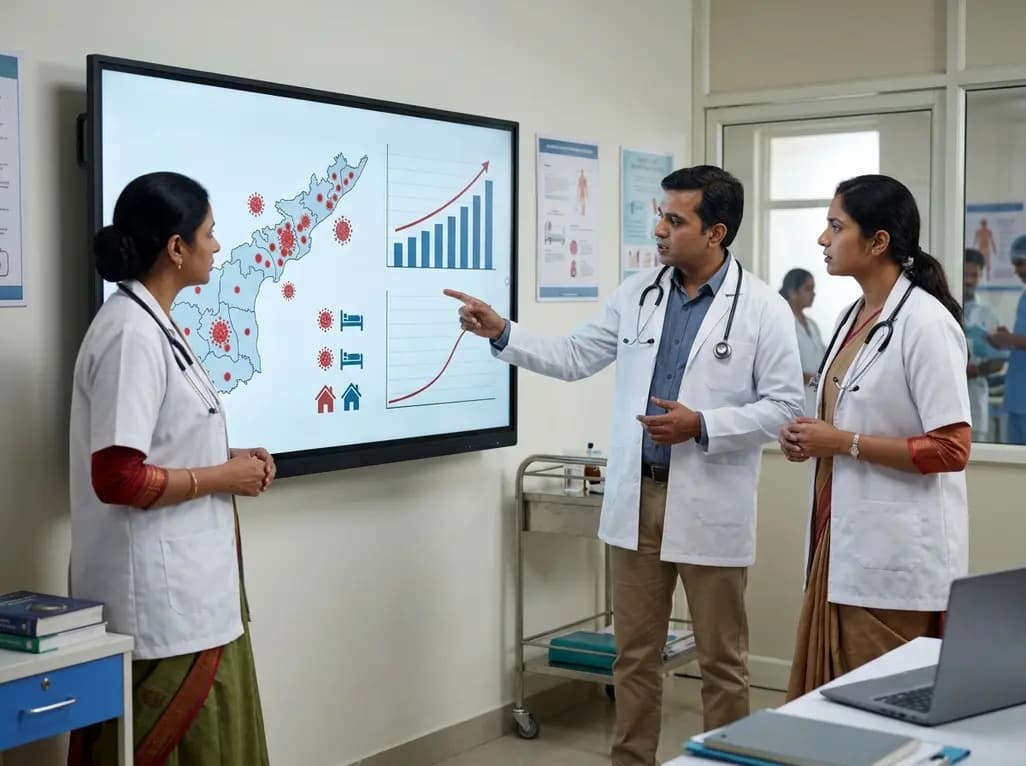
Andhra Pradesh reported 10 new Covid-19 cases, taking the state tally to 49 while deaths remain at four. With 24 patients hospitalized and 16 under home isolation, the Health Department has intensified monitoring. Medical professionals should review regional distribution, diagnostic protocols, and management plans.
Today

An 11-year Swedish registry study of 618 uterine sarcoma patients found that minimally invasive surgery yielded survival comparable to open surgery in early stages. However, adjuvant chemotherapy conferred no survival benefit in localized or advanced disease, highlighting stage and histology as key outcomes.
3 days back

A cross-sectional study evaluates post-intensive care syndrome in cardiac patients 2-4 weeks post-ICU discharge, highlighting cognitive, psychological, and functional impairments and the need for structured multidisciplinary rehabilitation.
3 days back
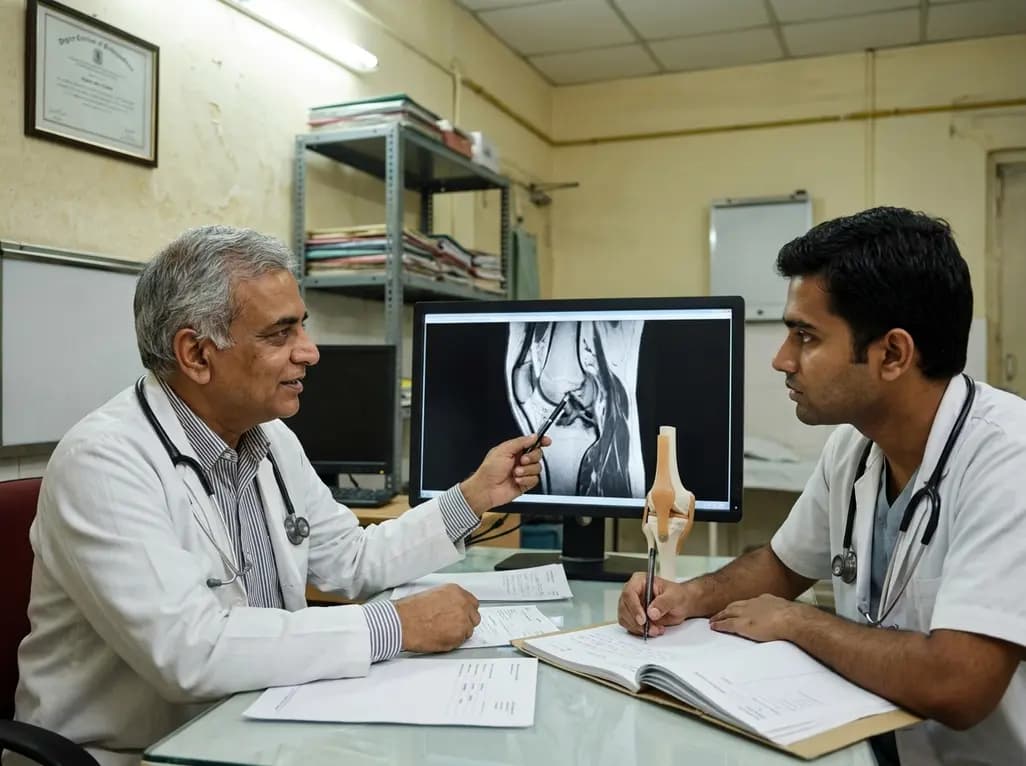
Anterior cruciate ligament reconstruction failure lacks uniform definition. A narrative review proposes an integrative framework incorporating objective and subjective instability, persistent pain, restricted motion, graft rupture, and secondary meniscal injury to standardize clinical reporting.
3 days back
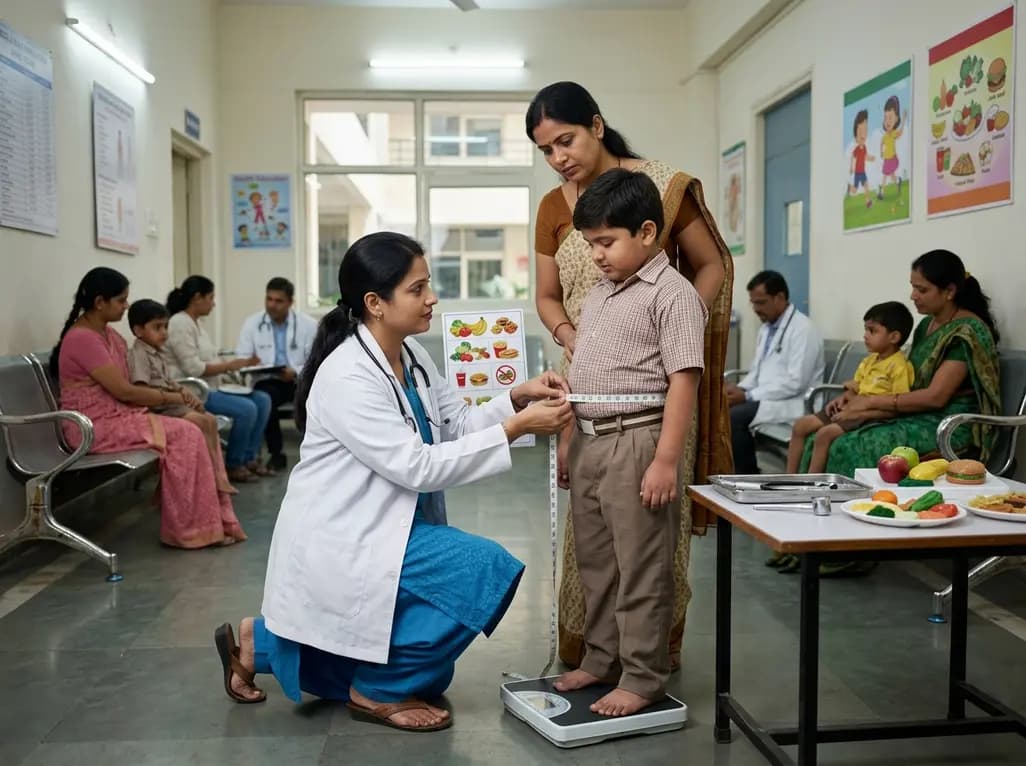
With World Obesity Atlas data warning that over 41 million Indian children are overweight or obese, ICMR and NIN have unveiled a 10-point policy roadmap. The initiative calls for mandatory front-of-pack labeling, HFSS taxes, strict marketing bans, and healthier school environments to curb non-communicable diseases.
Today
