

Loading, please wait...
Loading, please wait...
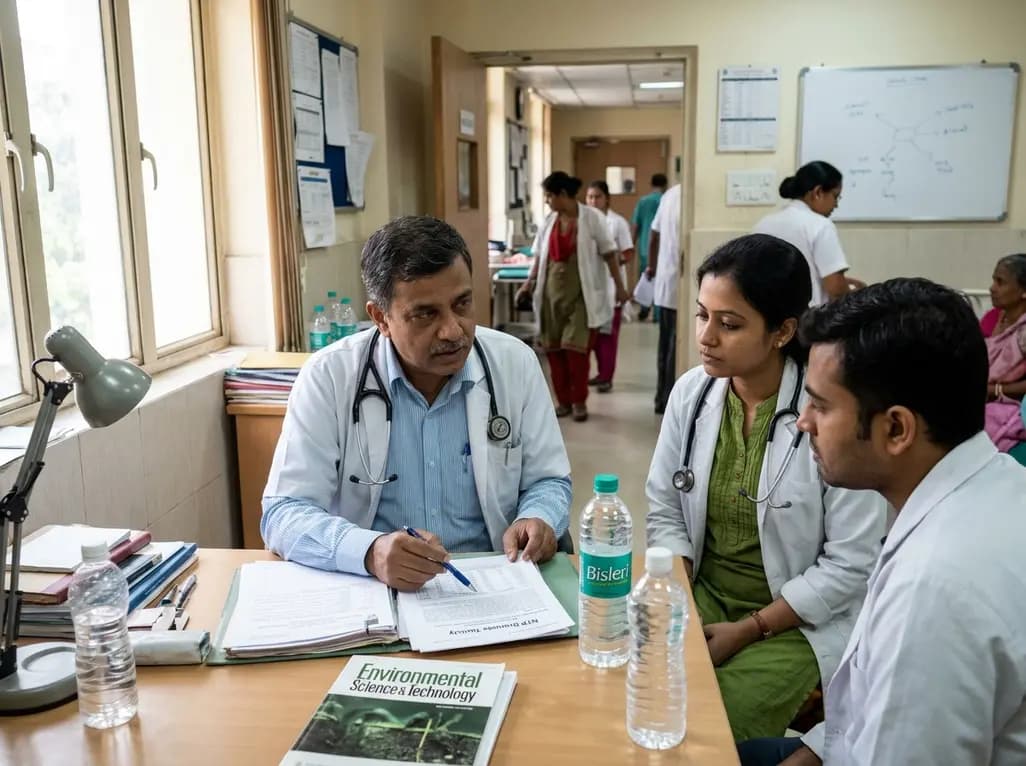
The Food Safety and Standards Authority of India recently sanctioned prosecution against Bisleri International after testing detected hazardous impurities. A formal analysis confirmed that commercial batches failed safety benchmarks, categorizing the product as unsafe packaged drinking water under statutory law. Initial evaluations revealed that water samples breached mandatory limits for chemical bromate. Consequently, the beverage manufacturer appealed the initial findings, prompting a referral food laboratory re-evaluation. However, the referral laboratory confirmed non-compliance and detected toxic polynuclear aromatic hydrocarbons within the submitted specimens. Therefore, the statutory body initiated punitive legal measures against the manufacturer.
This regulatory intervention highlights growing surveillance across commercial beverage supply chains in India. Clean drinking water forms the cornerstone of daily hydration for millions of urban commuters, travelers, and families. Consequently, physicians frequently encounter patients who rely entirely on bottled water during illness or travel. The discovery of banned chemical residues within reputable commercial labels demands heightened vigilance from healthcare providers. Furthermore, regulatory officers underscored that consumer safety cannot bend to industrial expediency. Practitioners must understand the toxicological implications behind this enforcement to counsel vulnerable patients effectively.
Ozonation represents a widespread disinfection technology across modern commercial water purification facilities. Manufacturers utilize ozone gas because it destroys dangerous bacterial pathogens without generating chlorinated tastes. However, raw ground water and surface sources frequently contain trace levels of dissolved natural bromide ions. When ozone contacts dissolved bromide, vigorous oxidation reactions occur within the water stream. Consequently, this chemical interaction converts benign bromide into persistent bromate oxyanions. If processing facilities fail to modulate ozone dosing, pH, and contact timing, bromate concentrations rise rapidly.
Both the World Health Organization and national regulatory guidelines set the permissible bromate ceiling at ten micrograms per liter. Furthermore, advanced water treatment protocols require granular activated carbon filtration or ion exchange to eliminate precursor bromide. When processing facilities bypass secondary filtration or apply excessive ozone, significant bromate residues persist in bottled containers. Therefore, industrial quality control must incorporate constant spectrophotometric or chromatographic validation. In addition, ambient storage conditions and heat can destabilize aqueous chemistry over extended shelf lives. When commercial quality assurance breaks down, consumers ingest chemical burdens that escape routine visual detection.
Bromate is an aggressive oxidizing agent that creates severe physiological stress upon ingestion. Once absorbed through the gastrointestinal mucosa, bromate ions interact with cellular macromolecules. Consequently, this oxidative process depletes intracellular glutathione and damages vital mitochondrial structures. In high acute exposures, bromate provokes intense epigastric pain, vomiting, and profuse diarrhea. Furthermore, profound systemic toxicity damages the renal tubular epithelium, triggering acute tubular necrosis and acute kidney injury. In severe clinical poisonings, patients can develop irreversible sensorineural deafness and hemolytic anemia.
However, chronic low-dose ingestion poses distinct long-term health risks that concern internal medicine specialists and oncologists. The International Agency for Research on Cancer classifies potassium bromate as a Group 2B agent, indicating potential human carcinogenicity. Chronic animal bioassays demonstrate that persistent bromate exposure generates renal cell tumors, thyroid follicular adenocarcinomas, and peritoneal mesotheliomas. The underlying mechanism involves direct oxidative DNA base modifications, particularly the formation of 8-hydroxydeoxyguanosine. Therefore, chronic exposure through contaminated hydration sources represents an insidious risk factor for renal pathology. Nephrologists should note that bromate-induced renal cell damage often mimics non-specific chronic tubulointerstitial nephritis.
Referral testing also uncovered polynuclear aromatic hydrocarbons, compounding public health concerns regarding unsafe packaged drinking water. PAHs encompass a large chemical group comprising fused aromatic rings produced by incomplete combustion of organic material. These lipophilic contaminants often infiltrate water sources through industrial effluents, run-off from asphalt, or contaminated manufacturing equipment. In addition, defective plastic storage tanks, recycled packaging materials, and faulty sealants can leach hydrocarbon residues directly into stored water. Regulatory standards strictly prohibit PAHs in potable supplies due to their pronounced cellular toxicity.
In particular, PAHs exhibit potent mutagenic and carcinogenic properties from an oncological perspective. Once PAHs enter human circulation, hepatic cytochrome P450 enzymes metabolize them into reactive diolepoxides. Consequently, these electrophilic metabolites bind covalently to nuclear DNA, generating bulky DNA adducts that induce mutagenic transversions. Chronic exposure to PAHs correlates clinically with elevated risks of gastrointestinal malignancies, bladder cancer, and hematopoietic disorders. Furthermore, these persistent compounds exert immunotoxic effects by suppressing T-lymphocyte proliferation and promoting systemic inflammation. Ultimately, clinicians must recognize that chemical contaminants present multifaceted health hazards that require strict regulatory interdiction.
General practitioners and family physicians occupy the front line when addressing public anxieties regarding beverage contamination. When major retail brands face regulatory prosecution, concerned patients frequently seek guidance on hydration safety. Clinicians must first reassure anxious individuals that short-term consumption rarely precipitates immediate organ failure. However, physicians should evaluate patients who report gastrointestinal distress, dark urine, or lethargy after drinking non-compliant water batches. In addition, patients with preexisting chronic kidney disease require particularly stringent hydration protocols. Therefore, medical professionals should educate households on reliable water purification alternatives, including reverse osmosis and certified carbon filtration.
Furthermore, this enforcement aligns with widespread crackdowns across the food industry. Beside Bisleri, the FSSAI sanctioned prosecution against Vasant Masala, Tit-Bit Foods, Mimansa Industries, and Asha Confectionery. The regulator also recalled unsafe chocolate-filled cookies from Asha Confectionery and suspended licenses for Urmi Lifesciences and Gaur Ayurvedic Store. In addition, authorities penalized non-compliant energy drink and alcoholic beverage manufacturers. Consequently, these decisive actions illustrate a vital shift toward preventive public health safety. Practitioners must continue guiding patients toward authenticated water sources while supporting rigorous compliance enforcement across domestic beverage markets.
Q1: Why did FSSAI sanction prosecution against Bisleri International?
The regulatory authority sanctioned prosecution after testing showed that packaged drinking water samples breached safety limits. An initial laboratory evaluation found that the water failed prescribed limits for bromate. Furthermore, following an appeal by the manufacturer, a referral laboratory tested the product and detected polynuclear aromatic hydrocarbons. Consequently, the regulator declared the beverage unsafe under the Food Safety and Standards Act, 2006, and launched legal prosecution.
Q2: How does bromate contaminate commercial packaged drinking water?
Bromate forms primarily as a disinfection byproduct during commercial water treatment. Many beverage manufacturers use ozonation to eliminate microbiological contaminants without chlorine. However, raw source water frequently contains natural bromide ions. When ozone gas oxidizes bromide without adequate chemical controls, bromate emerges as a persistent byproduct. Therefore, processing facilities that lack precise ozone monitoring or activated carbon filtration risk bottling water that exceeds permissible bromate thresholds.
Q3: What clinical health hazards do bromate and PAHs pose?
Both bromate and polynuclear aromatic hydrocarbons pose meaningful toxicological risks upon ingestion. High bromate intake can cause acute gastrointestinal irritation, tubular necrosis, and irreversible ototoxicity. Furthermore, the International Agency for Research on Cancer categorizes bromate as possibly carcinogenic to humans. Similarly, PAHs act as potent mutagens that bind nuclear DNA, elevating risks for hepatic, gastrointestinal, and bladder malignancies. Consequently, chronic exposure to both chemicals can compromise renal integrity and cellular health.
Disclaimer: This content is for informational and educational purposes only. It does not constitute medical advice or replace professional judgment. Refer to the latest local and national guidelines for clinical practice.
References

Read summarized clinical updates, watch expert medical content, and earn CME certifications right from your smartphone.
Open your smartphone camera to scan and install.





The Food Safety and Standards Authority of India (FSSAI) has initiated prosecution against Bisleri International after water samples failed regulatory benchmarks due to excess bromate and PAHs. This clinical review breaks down the oncological and nephrotoxic implications of these contaminants for medical practitioners.
Today

The latest surveillance report from the Indian Council of Medical Research exposes a steep nationwide decline in bacterial susceptibility. Common pathogens like E. coli and Klebsiella pneumoniae demonstrate critical resistance to cephalosporins and carbapenems, urging clinicians to rethink empirical antimicrobial therapy.
Today

Under India's nationwide immunization drive, healthcare teams have vaccinated more than one crore 14-year-old girls within nine months. This comprehensive analysis evaluates state achievements, digital tracking via the U-WIN platform, clinical safety monitoring, and practical counselling strategies for practitioners.
Today

A large network analysis of middle-aged and older adults reveals distinct sex-specific dependency pathways between lifestyle factors and cardiometabolic diseases. Physical activity, smoking, and alcohol exhibit divergent bridging roles in men and women, underscoring the need for tailored clinical prevention.
Today

A landmark study reveals that patellofemoral cartilage defects in patients with trochlear dysplasia are primarily driven by patellar maltracking and spur height rather than dislocation frequency or shape mismatch, offering crucial insights for preoperative imaging and surgical stabilization.
Today
Single-cell transcriptomics reveals that STAP2 promotes retinal endothelial dysfunction in diabetic retinopathy through CXCR4 signaling. In vivo and in vitro studies show STAP2 knockdown reduces capillary drop-out and vascular leakage, uncovering a novel therapeutic target beyond anti-VEGF therapies.
Today
