

Loading, please wait...
Loading, please wait...
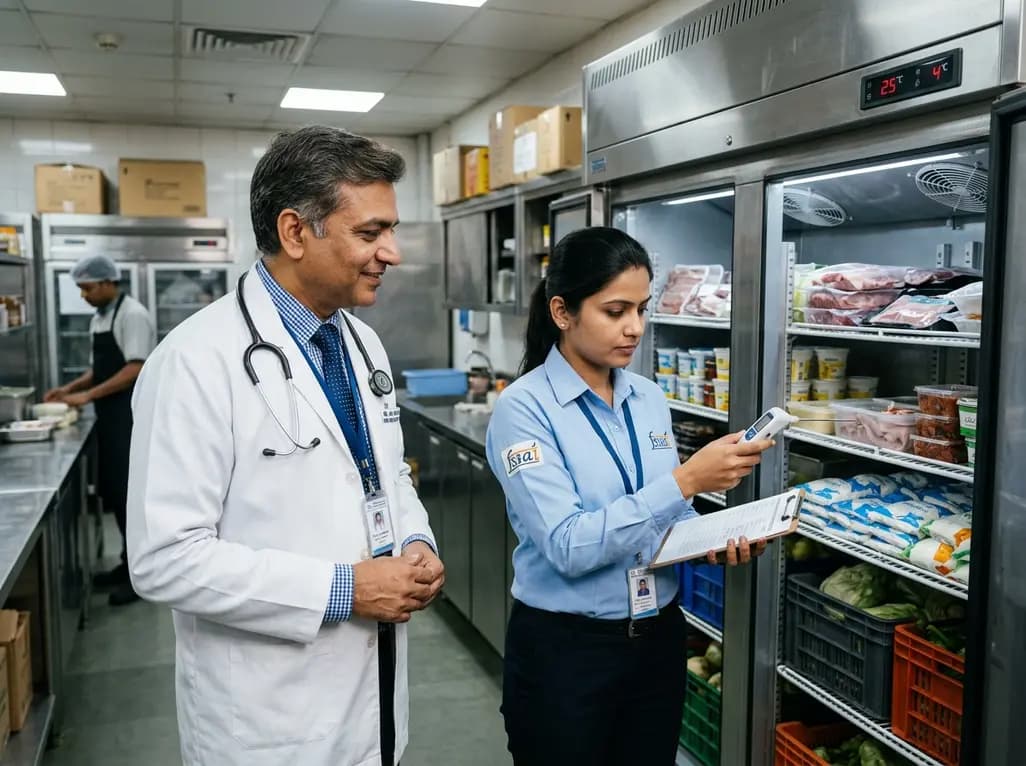
The Food Safety and Standards Authority of India (FSSAI) recently issued a comprehensive advisory to strengthen supply chain protocols across the country. The regulatory body directed all food business operators to enforce strict perishable food transport guidelines for high-risk commodities, including khoa, paneer, fish, and meat. Consequently, healthcare providers must understand the clinical rationale behind this decisive administrative measure.
Perishable commodities possess high water activity and rich nutrient profiles that support accelerated bacterial proliferation. When transport conveyances lack reliable refrigeration, ambient temperatures quickly push food into the clinical danger zone between 5°C and 60°C. In this thermal range, mesophilic and psychrotrophic microorganisms double their population counts within twenty to thirty minutes. For instance, traditional dairy matrices like khoa and fresh paneer sustain rapid degradation under unmonitored atmospheric transit. Furthermore, poultry and marine items undergo swift enzymatic decomposition when carriers interrupt the cold chain. As a result, native microorganisms break down proteins and fats into biogenic amines, including histamine and putrescine. These chemical byproducts trigger pseudo-allergic responses and severe systemic toxicity in susceptible consumers. Therefore, continuous temperature suppression serves as the primary barrier against explosive microbial amplification. When logistics operators bypass cold chain protocols, they jeopardize food safety before the commodity ever reaches retail shelves. Ultimately, unmonitored transportation transforms wholesome dietary staples into dangerous vectors of infectious gastrointestinal disease. Consequently, clinicians routinely treat preventable toxin-mediated illnesses that stem directly from logistical transport lapses across regional distribution networks. Moreover, maintaining uninterrupted refrigeration preserves baseline nutritional value alongside microbiological stability.
From a physician's perspective, regulatory compliance directly mirrors epidemiological trends in emergency departments and outpatient clinics. Medical professionals understand that adherence to perishable food transport guidelines prevents large-scale outbreaks of acute gastroenteritis. When food handlers neglect proper thermal management, bacteria such as Salmonella enterica, Campylobacter jejuni, and Escherichia coli thrive. In addition, dairy products subjected to thermal abuse frequently harbor Staphylococcus aureus, which generates preformed enterotoxin A. Because this toxin withstands boiling, subsequent household cooking cannot neutralize the emetic danger. Consequently, clinical teams encounter patients presenting with violent nausea, persistent retching, and severe electrolyte depletion within hours of ingestion. Similarly, temperature spikes in transported seafood foster the unchecked growth of Vibrio parahaemolyticus and histamine-producing bacteria. Histamine toxicity mimics acute anaphylaxis, presenting with facial flushing, bronchospasm, and hemodynamic instability. Therefore, stringent transit standards operate as an indispensable first line of preventive medicine. By curbing initial contamination in transit, these regulatory guidelines substantially alleviate seasonal strains on Indian emergency care units and intensive wards. Moreover, preventing toxic outbreaks protects vulnerable patients from life-threatening metabolic acidosis and hypovolemic shock.
The statutory framework governing this initiative resides under Schedule 4 of the Food Safety and Standards Regulations of 2011. Specifically, the regulatory authority mandates that food business operators establish documented hygienic and sanitary practices across all logistics operations. The directives clearly require specialized transport conveyances that maintain uninterrupted chilling or freezing environments. Furthermore, operators must utilize clean, covered vehicles designed exclusively for food commodities to avert industrial and environmental cross-contamination. In addition, regulators require the use of certified food-grade packaging materials, strictly prohibiting permeable coverings like jute gunny bags. Notably, the advisory obligates transporters to implement reliable secondary packaging to guard against dust, humidity, pests, and mechanical trauma. Beyond physical safeguards, the mandate emphasizes strict consignment traceability and real-time documentation. Hence, distributors must produce verifiable transport invoices and temperature records during spontaneous highway inspections. State food safety officers and railway authorities now wield explicit powers to confiscate and destroy non-compliant shipments immediately. Through these rigorous mechanisms, the government enforces accountability across every intermediate link between agricultural production and kitchen tables. As a result, commercial vendors can no longer overlook cold chain integrity during high-demand festival periods.
Thermal lapses during long-distance haulage create disproportionate medical hazards for biologically vulnerable patient demographics. For example, Listeria monocytogenes represents a notorious psychrotolerant pathogen capable of surviving refrigeration but multiplying vigorously during slight temperature abuse. When pregnant women consume contaminated soft cheeses or cold meats, listeriosis can trigger chorioamnionitis, spontaneous miscarriage, or neonatal sepsis. Similarly, pediatric patients possess immature intestinal microbiota and underdeveloped gastric acid barriers, rendering them highly sensitive to enteric pathogens. Consequently, Salmonella and enteropathogenic Escherichia coli cause debilitating secretory diarrhea, rapid dehydration, and hemolytic uremic syndrome in young children. Geriatric individuals and immunosuppressed oncology patients likewise experience heightened risks of invasive bacteremia from spoiled animal proteins. Furthermore, compromised barrier immunity in patients with chronic liver disease increases mortality from marine Vibrio infections. Therefore, clinical practitioners must recognize that food safety constitutes a foundational component of public health prophylaxis. Rigorous cold chain enforcement protects these susceptible groups from devastating clinical sequelae. Thus, regulatory vigilance acts as an external shield for individuals unable to mount robust immune defenses against pathogenic assaults. In contrast, lax transit controls quickly precipitate severe institutional burdens across metropolitan intensive care facilities.
When treating acute gastrointestinal presentations, clinicians must maintain a high index of suspicion for foodborne etiology. During initial evaluations, physicians should investigate dietary history over the prior seventy-two hours, focusing on khoa, paneer, and meat. Furthermore, practitioners should differentiate between toxigenic food poisoning and invasive enteritis based on incubation speed and clinical markers. Early onset emesis without prominent fever strongly indicates staphylococcal or Bacillus cereus enterotoxins. In contrast, delayed diarrhea accompanied by high fever and fecal leukocytes suggests invasive organisms like Salmonella or Shigella. Therefore, laboratory assessment should incorporate stool microscopy, routine electrolyte panels, and blood cultures in toxic-appearing patients. Fluid resuscitation represents the cornerstone of management, prioritizing oral rehydration solutions or balanced crystalloids to correct hypovolemia. Additionally, doctors should exercise judicious restraint regarding empirical antimicrobials, reserving them strictly for invasive presentations or high-risk patients. Healthcare professionals can also educate recovering patients about home food storage and local regulatory reporting channels. Ultimately, vigilant medical practice complements governmental oversight to minimize community morbidity from foodborne pathogens. Consequently, doctor-led patient education reinforces regulatory safeguards within the broader domestic sphere.
Q1: Why is temperature abuse particularly dangerous for dairy products like khoa and paneer?
Khoa and paneer have elevated moisture levels and neutral pH values, creating an optimal substrate for bacterial proliferation. When suppliers break the cold chain, opportunistic pathogens such as Staphylococcus aureus and Listeria monocytogenes multiply rapidly. These bacteria can produce heat-stable enterotoxins that survive home cooking. Consequently, consumers ingest preformed toxins, leading to acute onset food poisoning characterized by severe vomiting, abdominal cramping, and dehydration.
Q2: What clinical signs suggest bacterial toxin ingestion rather than an invasive gastrointestinal infection?
Bacterial toxin ingestion typically presents with a sudden onset of symptoms within one to six hours after eating contaminated food. Patients experience prominent nausea, copious vomiting, and crampy abdominal pain, often without significant pyrexia. Conversely, invasive bacterial infections usually exhibit a longer incubation period of twelve to forty-eight hours. Furthermore, invasive pathogens typically provoke high fevers, systemic malaise, and inflammatory or bloody diarrhea that require antimicrobial evaluation.
Q3: How do FSSAI regulatory compliance directives protect vulnerable patient populations?
Strict supply chain refrigeration arrests the growth of psychrotolerant and mesophilic bacteria before perishable items reach the marketplace. Vulnerable patient populations, including young infants, pregnant women, the elderly, and immunocompromised individuals, face catastrophic outcomes from foodborne bacteremia or invasive listeriosis. By enforcing continuous temperature logging and hygienic transport conveyances, regulatory authorities mitigate the initial pathogen load. Therefore, these measures drastically lower community-wide morbidity and systemic hospital admissions.
Disclaimer: This content is for informational and educational purposes only. It does not constitute medical advice or replace professional judgment. Refer to the latest local and national guidelines for clinical practice.
References

Read summarized clinical updates, watch expert medical content, and earn CME certifications right from your smartphone.
Open your smartphone camera to scan and install.





The Food Safety and Standards Authority of India has issued an advisory directing food businesses to maintain strict cold chain logistics for high-risk perishables such as dairy, meat, and fish. This regulatory move aims to curb microbial proliferation, prevent toxic outbreaks, and uphold consumer safety.
Today

A breakthrough study demonstrates that fullerol-primed extracellular vesicles generated in a 3D SECCS bioreactor attenuate ferroptosis and restore myogenic regeneration in diabetes via the FOXO3 pathway, offering a cell-free therapeutic strategy for diabetic musculoskeletal degeneration.
Today
A recent maternal mortality case in Kota has drawn national scrutiny toward operational deficits in emergency transport networks. With low ambulance utilization among high-risk pregnant women, delayed inter-facility transfers, and preventable clinical complications, urgent systemic reforms are vital for patient safety.
Today

A study reveals that the MYLK c.4079G>A, p.(Gly1360Asp) variant is linked to high-penetrance heritable thoracic aortic disease and early-onset aortic dissection, showing a founder effect in Finnish cohorts. Findings emphasize early cascade screening and vigilant surveillance.
Yesterday

A novel sacrificial-template technique combines FDM polymer 3D printing and micro-arc oxidation to fabricate orientation-controlled porous titanium scaffolds. These bioactive constructs offer tailored stiffness, exceptional multidirectional load resistance, and robust osseointegration for bone defect repair.
Today
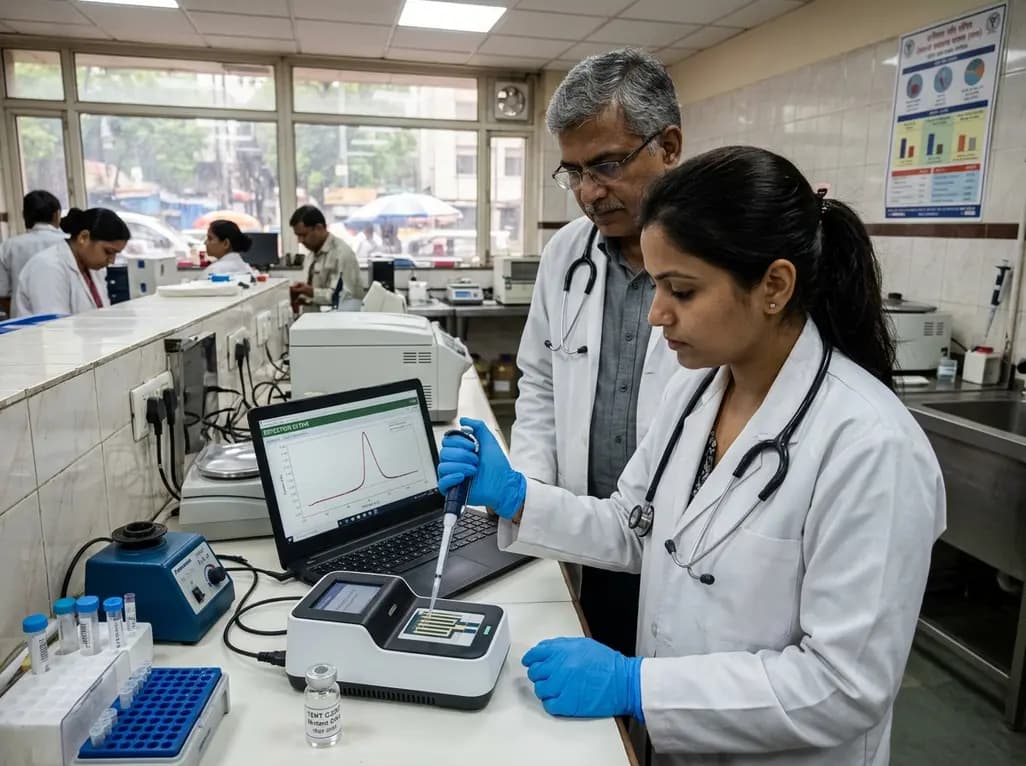
A novel label-free electrochemical biosensor utilizing magnetic nanocomposites enables ultrasensitive TERT C228T mutation detection (LOD: 0.67 pM) for rapid risk stratification in papillary thyroid cancer, offering promising point-of-care utility for endocrine oncology.
Today
