

Loading, please wait...
Loading, please wait...
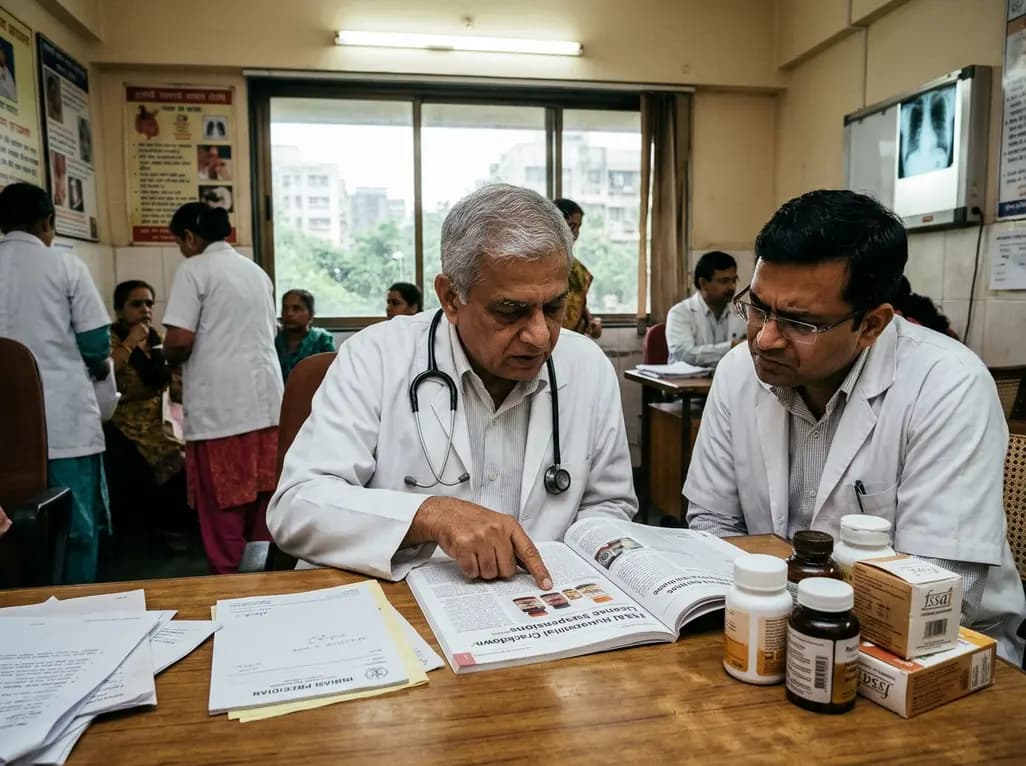
The Food Safety and Standards Authority of India has intensified surveillance against non-compliant dietary supplement manufacturers across the country. Recently, the central statutory regulator penalized six major nutraceutical companies following the discovery of serious nutraceutical safety violations. Regulatory authorities initiated decisive actions, including the immediate suspension of manufacturing licences for facilities that repeatedly violated established safety codes. The penalized manufacturers include Airen Herbals, Aquabliss Lifesciences, Raskam Healthcare, Supercure Biotech, Ambico Ayurvedic Healthcare, and Vedant Remedies.
Consequently, this regulatory enforcement drive highlights heightened administrative scrutiny surrounding health supplements and functional foods in India. Over recent months, the food regulator has expanded inspections across food business operators, e-commerce platforms, and commercial beverage manufacturers. Official audits revealed that multiple marketed products failed to meet statutory benchmarks for composition and purity. Therefore, regulatory teams conducted unannounced site visits to protect consumer health. Investigators uncovered compromised production lines, poor administrative hygiene, and deliberate avoidance of national product standards. Furthermore, these regulatory actions demonstrate a zero-tolerance approach toward substandard health products. Many consumers believe over-the-counter supplements are completely benign; however, unverified production practices create substantial clinical risks. Consequently, rigorous regulatory oversight provides an essential shield against unsafe commercial formulations.
Inspectors documented multiple critical infractions during their facility visits. For example, statutory audits revealed that Airen Herbals manufactured formulations containing micronutrient amounts far exceeding permissible Recommended Dietary Allowance limits. Their syrup formulation contained excessive doses of thiamine, vitamin E acetate, copper, selenium, and zinc. Additionally, another company product promoted unverified therapeutic claims regarding chronic joint pain relief. Such misleading advertising suggests proven pharmaceutical efficacy without providing robust clinical trial evidence. Consequently, these unvalidated claims deceive patients seeking legitimate medical interventions.
Similarly, severe material and procedural violations emerged at other audited manufacturing units. At Aquabliss Lifesciences, safety officers discovered expired raw ingredients stored alongside active inventories in substandard processing areas. Furthermore, investigators observed widespread hygiene deficiencies and contaminated equipment throughout the facility. Meanwhile, Raskam Healthcare incorporated Shilajit into commercial preparations without obtaining mandatory statutory clearances for those specific products. Officials also flagged inadequate batch documentation and poor inventory traceability across several sites. For instance, Supercure Biotech manufactured softgel capsules containing biotin levels that significantly exceeded permissible legal thresholds. Additionally, they introduced undeclared wheat germ oil into vitamin E supplements without alerting consumers to potential allergen exposure.
The presence of supratherapeutic micronutrient concentrations introduces substantial clinical hazards for vulnerable patients. Excessive consumption of fat-soluble vitamins presents serious physiological challenges because the human body accumulates these substances in adipose tissues and hepatic parenchyma. Specifically, hypervitaminosis E can impair normal coagulation cascades, which substantially increases the likelihood of dangerous bleeding events. This risk escalates in individuals who concurrently take oral anticoagulants or platelet inhibitors. Consequently, unmonitored intake of over-the-counter supplements can precipitate unexpected hemorrhages in surgical or cardiac patients.
Moreover, chronic overconsumption of essential trace minerals triggers systemic toxicity. Excessive copper ingestion provokes gastrointestinal erosion, hepatic dysfunction, and tubular injury within renal tissues. In addition, elevated concentrations of elemental zinc inhibit copper absorption, which frequently precipitates secondary hypocupremia and severe sideroblastic anemia. Excessive mineral levels also cause persistent nausea, peripheral neuropathy, and metabolic instability. Similarly, supratherapeutic doses of biotin significantly distort common immunoassay laboratory results, including cardiac troponin and thyroid hormone panels. Because of this analytical interference, misleading lab values can mask acute myocardial infarctions or cause inappropriate endocrine treatments. Therefore, physicians must remember that unlabelled megadoses in daily supplements actively jeopardize diagnostic accuracy and patient homeostasis.
The incorporation of unapproved botanical extracts into commercial nutraceuticals introduces severe diagnostic dilemmas for attending physicians. While traditional herbal substances possess recognized therapeutic roles in classical systems, unapproved additions often bypass vital purification protocols. For instance, the unauthorized inclusion of Shilajit in multi-ingredient formulations raises critical clinical concerns regarding heavy metal contamination. Crude or improperly purified mineral resins frequently contain toxic concentrations of lead, arsenic, and mercury. Furthermore, prolonged exposure to heavy metals induces progressive renal damage, cognitive decline, and secondary vascular hypertension.
Additionally, unapproved botanical compounds can interfere directly with prescription pharmaceuticals through hepatic cytochrome P450 enzyme modulation. Such pharmacological interactions either diminish the therapeutic efficacy of prescribed drugs or potentiate toxic plasma concentrations. Meanwhile, the discovery of expired raw materials and unhygienic facilities highlights widespread manufacturing neglect. Degraded ingredients generate toxic breakdown products that cause hepatic stress and provoke systemic hypersensitivity reactions. For example, unlisted components such as wheat germ oil create severe hazards for patients with celiac disease or wheat allergies. Ingestion of undeclared allergens can trigger acute anaphylaxis, abdominal cramping, and severe mucosal inflammation. Consequently, stringent regulatory enforcement remains essential for removing these hidden dangers from consumer markets.
Healthcare providers must maintain proactive vigilance regarding the widespread use of over-the-counter dietary supplements among ambulatory patients. First, clinicians should routinely obtain a comprehensive supplement history during every consultation. Many individuals do not view commercial vitamins, tonics, or herbal supplements as medications. As a result, patients rarely disclose supplement consumption unless their doctor asks targeted questions. Practitioners should systematically record exact brand names, active ingredients, and daily intake schedules.
Furthermore, physicians must educate patients regarding the critical distinction between verified prescription pharmaceuticals and commercial nutraceutical products. Doctors should inform patients that dietary supplements cannot replace validated therapies for chronic cardiometabolic, endocrine, or arthritic conditions. When evaluating unexplained clinical anomalies, such as acute transaminitis, unexpected cytopenias, or refractory dyspepsia, clinicians should investigate potential supplement toxicity. In addition, practitioners should instruct surgical candidates to discontinue all non-essential dietary supplements at least two weeks before scheduled elective procedures. This precaution effectively prevents intraoperative bleeding and unpredictable anesthetic interactions. Ultimately, physicians play an indispensable role in reporting adverse product events to national regulatory bodies. Through rigorous clinical scrutiny, doctors safeguard vulnerable patients against the hazards of non-compliant nutraceuticals.
Q1: Why did the FSSAI suspend licences of these six nutraceutical manufacturers?
The FSSAI suspended their manufacturing licences due to serious food safety violations and severe non-compliance during site audits. Inspectors discovered expired raw ingredients, substandard sanitation, and deficient batch documentation. Furthermore, several companies formulated products with micronutrients exceeding permissible Recommended Dietary Allowance limits. Certain manufacturers also added unapproved botanicals like Shilajit and promoted unauthorized therapeutic claims for joint pain without valid scientific evidence.
Q2: What clinical risks arise when patients consume supplements with excessive micronutrients?
Consuming supplements with excessive micronutrients creates significant clinical hazards. Supratherapeutic doses of fat-soluble vitamins, particularly vitamin E, accumulate in bodily tissues and elevate bleeding risks by disrupting normal coagulation cascades. Moreover, chronic overconsumption of trace minerals such as copper and zinc induces severe gastrointestinal distress, renal injury, and secondary anemia. In addition, megadoses of biotin distort critical laboratory immunoassays, potentially masking acute myocardial infarction or triggering incorrect endocrine diagnoses.
Q3: How should healthcare practitioners evaluate patients taking commercial dietary supplements?
Practitioners should systematically obtain a detailed supplement history during every consultation, recording exact product names, dosages, and administration frequency. When evaluating unexplained hepatic transaminitis, unexplained cytopenias, or persistent gastrointestinal complaints, physicians should evaluate potential supplement toxicity or adverse pharmacokinetic interactions. Furthermore, clinicians must counsel patients against replacing evidence-based therapies with unregulated products and instruct surgical patients to stop non-essential supplements two weeks before elective surgical procedures.
Disclaimer: This content is for informational and educational purposes only. It does not constitute medical advice or replace professional judgment. Refer to the latest local and national guidelines for clinical practice.
References

Read summarized clinical updates, watch expert medical content, and earn CME certifications right from your smartphone.
Open your smartphone camera to scan and install.





The Food Safety and Standards Authority of India has suspended manufacturing licences for multiple nutraceutical companies following inspections that uncovered excessive micronutrient doses, unapproved ingredients, unhygienic facilities, and unsubstantiated therapeutic claims across popular consumer supplements.
Today

A recent investigation by the ICMR-National Institute of Nutrition highlights widespread vitamin B1 insufficiency across vulnerable maternal populations. Unbalanced rice-heavy diets and specific culinary habits drive this hidden deficiency, demanding targeted screening and renewed micronutrient supplementation.
Today
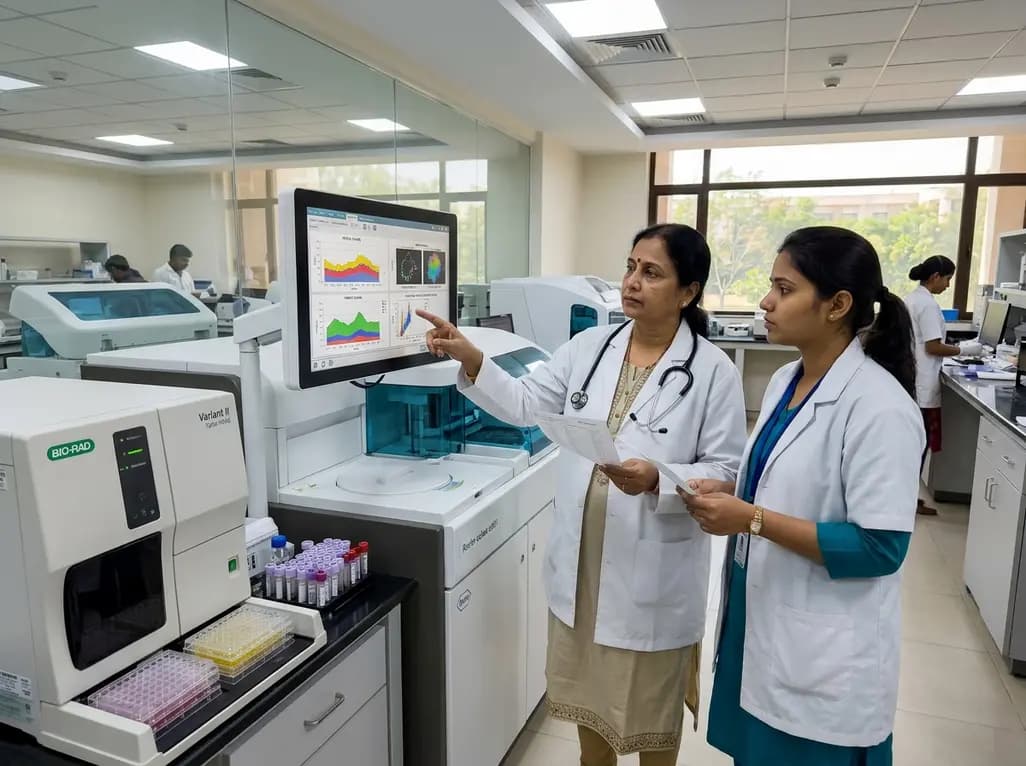
AIIMS Bhubaneswar has established three upgraded laboratories under its biochemistry department. These facilities introduce specialized antenatal panels, newborn screening for rare metabolic disorders, automated immunology platforms, and high-throughput HPLC HbA1c testing to enhance healthcare delivery across Odisha.
Today

A Canadian nutrition study reveals that higher diet costs predict lower dietary energy density and higher fruit intake, but also increase sodium and processed meat consumption.
Today

Idiopathic spinal cord herniation is a rare pathology presenting with progressive thoracic myelopathy. Early MRI identification and meticulous microsurgical reduction with dual bolstered dural defect repair prevent irreversible neurological deterioration.
Today
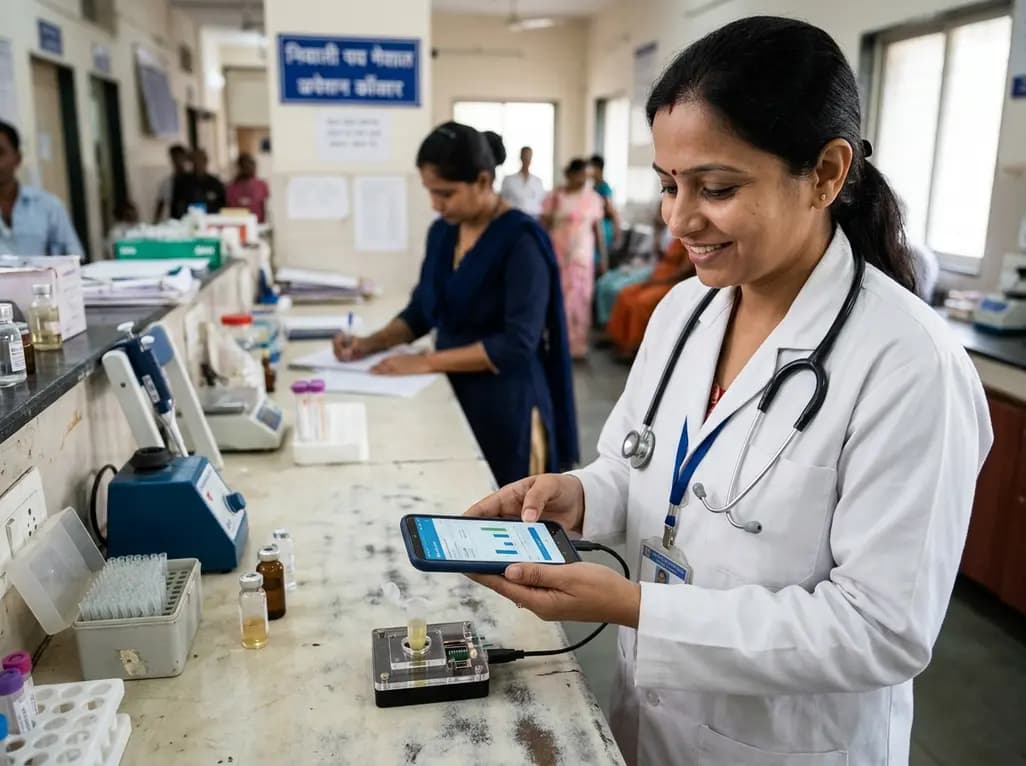
A novel smartphone-assisted biosensor utilizing molecularly imprinted polymers and catalytic nanozymes offers antibody-free, enzyme-free urinary microalbumin testing, enabling rapid, low-cost point-of-care screening for early chronic kidney disease.
Today
