.webp&w=384&q=75)

Loading, please wait...
Loading, please wait...
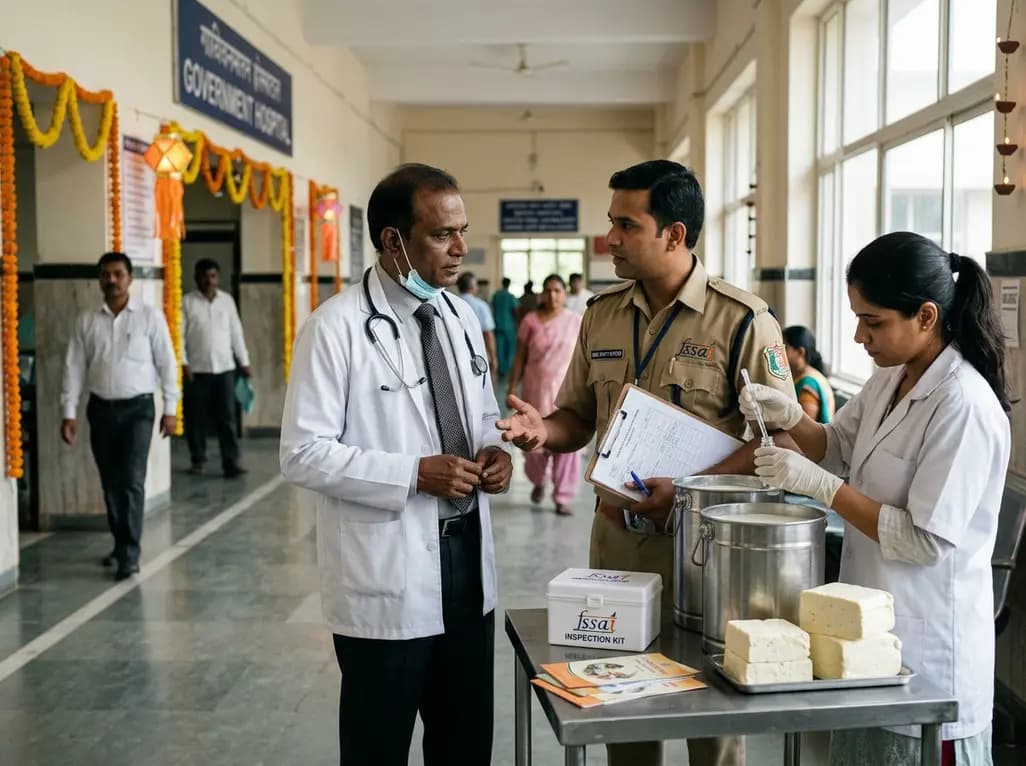
The Food Safety and Standards Authority of India has issued an urgent directive to states and union territories. Specifically, regulatory bodies must intensify surveillance across markets during the Navratri and Diwali festive period. As consumer demand rises, unscrupulous vendors often resort to illicit practices to maximize profits. Consequently, dairy product adulteration becomes a critical public health concern during these peak shopping intervals. The directive specifically focuses on high-consumption items, including milk, khoa, paneer, and clarified butter. Moreover, authorities are taking preemptive measures to safeguard consumer well-being across vulnerable supply corridors. Clinicians must understand the regulatory landscape because food fraud carries direct pathophysiological risks. Therefore, heightened vigilance in medical and dietary settings is vital during the festival season. Furthermore, healthcare professionals frequently manage the downstream clinical complications triggered by adulterated festive consumables. Thus, bridging public policy and clinical awareness ensures early diagnosis and timely intervention.
In an official communication, the national food safety regulator instructed regional commissioners to launch targeted enforcement drives. Furthermore, authorities directed enforcement teams to concentrate rigorous inspections primarily on identified market hotspots and vulnerable commercial centers. The regulatory body emphasized that consumer purchases of milk, khoa, paneer, ghee, and festive sweets escalate dramatically. Consequently, unscrupulous operators take advantage of severe market shortages by circulating adulterated and substandard preparations. To curb these fraudulent practices, state administrations must deploy mobile testing laboratories known as Food Safety on Wheels. These specialized vehicles operate directly within prominent bazaars to facilitate immediate, on-the-spot sample testing. Additionally, the presence of mobile surveillance teams enhances public vigilance, deters unlawful distributors, and rebuilds vital consumer confidence. The central regulator also mandated real-time recording of every inspection and sampling outcome on the FoSCoS portal. Therefore, enforcement officers cannot delay statutory reporting or overlook questionable commercial operations. This digitized surveillance mechanism establishes strict administrative accountability across all state and union territory administrations. Ultimately, these aggressive regulatory measures aim to eliminate compromised products before they reach Indian households. Moreover, state commissioners must coordinate closely with regional laboratories to expedite confirmation tests for contested consignments.
During peak festive seasons, dishonest traders employ varied physical and chemical adulterants to inflate milk quantity and thickness. For example, simple water dilution remains the most common form of commercial adulteration across urban and rural markets. However, purveyors often utilize untreated water, which introduces enteropathogenic bacteria and heavy contaminants into the product. In addition, vendors introduce exogenous starch, refined flour, and maltodextrin to artificially elevate solids-not-fat measurements. To mimic natural milk fat and produce rich textures, rogue handlers frequently blend commercial detergents and inedible oils. Detergent molecules act as emulsifiers, suspending foreign vegetable fats to generate a stable, creamy appearance. Furthermore, processors introduce industrial urea to elevate total nitrogen content, intentionally deceiving standard Kjeldahl protein assessment protocols. To extend market stability in hot climates, dishonest producers frequently spike batches with caustic soda, carbonates, and neutralizers. Moreover, lethal chemical preservatives such as formalin and hydrogen peroxide arrest bacterial spoilage during transit. Consequently, dairy product adulteration transforms essential household nourishment into a complex vehicle of toxic chemical exposures. Clinicians must recognize these prevalent chemical agents when evaluating sudden clusters of gastrointestinal illness during festivities. Similarly, local sweet makers sometimes incorporate synthetic food colorings that exceed permissible heavy metal safety limits.
Exposure to adulterated dairy components leads to a broad spectrum of acute illnesses and insidious chronic pathologies. For instance, the immediate ingestion of detergent residues severely irritates the gastroduodenal mucosa, causing acute caustic gastroenteritis. As a result, affected individuals present with rapid-onset nausea, persistent emesis, intense abdominal cramping, and watery diarrhea. In young pediatric cohorts and frail elderly patients, this rapid fluid depletion often causes severe metabolic dehydration. Furthermore, strong alkaline neutralizers such as sodium hydroxide disrupt gastric mucosal barriers, causing painful mucosal erosions and gastritis. In addition, chronic dietary exposure to these fraudulent chemicals poses grave risks to systemic organ function over time. Specifically, continuous ingestion of urea increases renal solute loads, precipitating chronic tubulointerstitial damage and nephrotoxicity. Meanwhile, hydrogen peroxide produces abundant reactive oxygen species, driving mucosal inflammation and damaging delicate intestinal epithelial junctions. Formalin remains an infamous cytotoxic preservative that exerts documented hepatotoxic effects and exhibits known mutagenic and carcinogenic properties. Consequently, chronic consumption elevates long-term risks of upper gastrointestinal malignancies and progressive hepatic steatosis. Therefore, physicians must carefully investigate dietary histories when managing unprovoked dyspepsia or atypical toxic presentations during seasonal holidays. Accordingly, prompt identification of toxic sources enables medical teams to report outbreaks directly to municipal health departments.
To safeguard public health during festive spikes, regulatory frameworks now combine ground mobility with sophisticated digital networks. Specifically, state authorities deploy specialized Food Safety on Wheels vans to strategic marketplaces and wholesale mandis. These specialized mobile testing units contain advanced analytical equipment capable of conducting rapid on-site substance evaluations. For example, onboard technicians use standardized reagent kits to detect starch, urea, neutralizers, and detergents within minutes. Consequently, officers no longer rely solely on distant central laboratories to initiate legal actions or food recalls. Instead, rapid testing empowers enforcement teams to seize and safely destroy adulterated batches on the spot. Furthermore, these mobile units provide active public demonstrations, teaching consumers how to identify suspicious milk products. Alongside physical inspections, the Food Safety Compliance System, known as FoSCoS, coordinates surveillance data nationwide. Enforcement officers must immediately upload all sampling metrics, business licenses, and testing outcomes onto this portal. Therefore, real-time logging prevents administrative delays, curbs off-the-record settlements, and provides verifiable accountability across districts. Additionally, centralized data aggregation assists regulatory bodies in identifying persistent adulteration epicenters and mapping regional supply bottlenecks. Ultimately, integrating mobile testing technology with digital compliance architecture establishes a robust barrier against deceptive food operators.
Medical practitioners and clinical dietitians occupy a crucial frontline position in educating communities during high-risk holiday celebrations. First, clinicians should instruct vulnerable patients to purchase dairy items exclusively from registered, compliant retailers. Consumers must verify that packaged goods display authentic FSSAI licensing symbols, batch codes, and unexpired shelf dates. Additionally, clinicians should advise families to prepare traditional delicacies at home whenever feasible to avoid commercial contamination. Healthcare providers can also share simple, validated kitchen tests to empower households against spurious supplies. For instance, adding a single drop of tincture iodine to boiled khoa or paneer reliably identifies added starch. If starch is present, the test sample promptly turns an unmistakable deep blue or purple color. Similarly, shaking liquid milk with equal parts water produces an unusually persistent, frothy foam if detergent exists. In addition, dietitians must remind patients with diabetes, renal conditions, and cardiovascular diseases to exercise strict festive restraint. Unregulated sweets frequently incorporate unrefined trans-fats and excessive sucrose, worsening glycemic control and metabolic syndrome. Therefore, preventative patient education serves as an indispensable clinical safeguard during cultural festivities. Ultimately, informed domestic vigilance substantially complements institutional food safety regulations across India.
Q1: Why does dairy product adulteration increase significantly during Navratri and Diwali?
During major Indian festivals, public demand for traditional sweets, khoa, paneer, and clarified butter rises exponentially across all demographics. Consequently, the commercial supply chain experiences severe shortages of genuine dairy ingredients. Unscrupulous manufacturers and distributors take advantage of this temporary supply deficit to maximize quick financial margins. Therefore, fraudulent operators flood local markets with synthetic formulations, diluted batches, and contaminated preparations to meet consumer demand rapidly.
Q2: What immediate medical symptoms suggest the ingestion of adulterated milk products?
Patients who ingest adulterated dairy typically present with sudden gastrointestinal irritation and acute systemic discomfort within hours of consumption. Common clinical signs include severe epigastric cramping, persistent nausea, projectile vomiting, and profuse diarrhea. Additionally, synthetic chemicals like caustic soda and detergents can cause oral mucosal burning, throat pain, and mild hematemesis. In severe cases, dehydration, lethargy, and electrolyte imbalances develop rapidly, requiring prompt clinical intervention.
Q3: How do mobile testing vans support festive food safety enforcement?
Food Safety on Wheels mobile laboratories provide field officers with sophisticated analytical kits for rapid on-site substance screening. Specifically, technicians can detect starch, detergents, neutralizers, urea, and non-dairy fats in milk within minutes. Consequently, enforcement teams can immediately confiscate and safely discard tainted stocks before widespread sale. Furthermore, these vans perform educational outreach, demonstrating simple testing techniques to consumers and fostering accountability among local merchants.
Disclaimer: This content is for informational and educational purposes only. It does not constitute medical advice or replace professional judgment. Refer to the latest local and national guidelines for clinical practice.
References

Read summarized clinical updates, watch expert medical content, and earn CME certifications right from your smartphone.
Open your smartphone camera to scan and install.





With festive demand surging across India, the Food Safety and Standards Authority of India has directed states to step up surveillance on milk, khoa, and paneer. Healthcare providers must remain alert to gastrointestinal and metabolic complications arising from toxic adulterants like detergents, urea, and starch.
Today
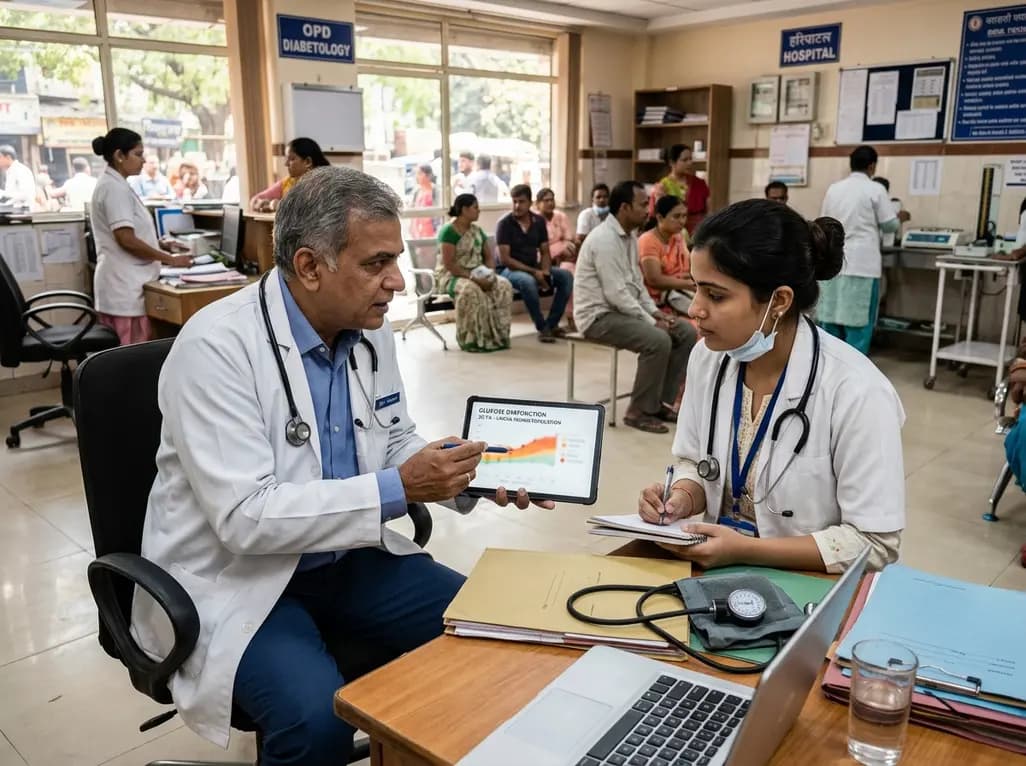
Data from the 2026 Workforce Health Index reveals that 38.7% of urban employees and dependents exhibit abnormal glycemic control. Emerging at increasingly younger ages, this metabolic shift intersects with severe vitamin deficiencies, highlighting the urgent need for early workplace screenings and targeted clinical care.
Today

The Maharashtra Food and Drug Administration has enforced stringent compliance orders under food safety laws. The directive prohibits commercial promotions, infant formula samples, gifts, and clinician sponsorships while mandating explicit breastfeeding notices and rapid adverse event reporting across healthcare facilities.
Today

Haryana Chief Minister Nayab Singh Saini has rolled out landmark performance-linked financial incentives for public sector clinicians and allied staff. The comprehensive reform introduces free intravitreal diabetic retinopathy management, flexible empanelment for private specialists, and digital infrastructure upgrades.
Today

A cross-sectional study reveals a strong positive correlation between problematic internet use and kinesiophobia in adults aged 18-45 with non-specific low back pain, highlighting how digital overuse reinforces movement fear and complicates musculoskeletal recovery.
Today

A recent coronary CT angiography study demonstrates that diabetic patients exhibit accelerated plaque burden, impaired CT-FFR, and elevated perivascular fat attenuation index values, reflecting heightened vascular inflammation that worsens across adverse metabolic phenotypes.
Today
