

Loading, please wait...
Loading, please wait...

Cognitive decline represents a major clinical and public health challenge across global long-term care facilities. Recent investigations have demonstrated a strong link connecting physical frailty and cognitive function among vulnerable geriatric populations. In institutional settings, multiple physiological stressors converge, which markedly accelerates neurodegenerative processes. Understanding these multidimensional associations is vital for clinicians who manage aging patients. Comprehensive screening protocols allow earlier identification of reversible factors, enabling proactive geriatric rehabilitation and tailored nursing interventions.
Institutionalized elderly individuals frequently encounter overlapping physical, neurological, and metabolic challenges. A multi-site study in Greater Jakarta evaluated 218 older nursing home residents to clarify these interactions. The researchers examined physical vulnerability alongside cognitive measures using validated clinical screening instruments. Specifically, they utilized the Mini-Mental State Examination to gauge cognitive status and the FRAIL scale to assess physical frailty. Consequently, the authors identified high rates of baseline vulnerability among participants. Sociodemographic variables and comorbid chronic illnesses contributed substantially to overall vulnerability. Furthermore, the findings show that physical frailty directly correlates with worse cognitive performance. When skeletal muscle mass diminishes and exhaustion sets in, neurological resilience declines accordingly. Therefore, physical reserve plays an essential neuroprotective role in institutional environments. Clinicians must recognize that physical decline often heralds progressive mental deterioration.
Sleep disruption is exceptionally prevalent in residential care facilities. The study assessed subjective sleep parameters using the Single-Item Sleep Quality Scale. Institutional environments expose residents to nocturnal awakenings, constant ambient noise, and fragmented circadian cues. As a result, poor sleep quality emerged as an independent factor associated with reduced cognitive scores. Slow-wave sleep and rapid eye movement phases facilitate vital glymphatic clearance of metabolic waste products, including amyloid proteins. When nocturnal sleep fragments, neuroinflammation accelerates and memory consolidation suffers. In addition, disturbed sleep exacerbates daytime fatigue and daytime somnolence, further reducing mental engagement. Geriatricians should therefore prioritize sleep hygiene alongside pharmacological management. Addressing chronic insomnia with behavioral modifications can potentially preserve neuronal integrity and retard mental decline.
Functional capacity represents another critical pillar of healthy longevity. The investigators quantified independence using the Barthel Index to evaluate activities of daily living. Consequently, lower functional independence demonstrated a strong association with impaired cognitive ability. When elderly residents lose the capacity to perform basic self-care activities, their sensory and mental stimulation decreases precipitously. Reduced motor autonomy limits social interactions and confines individuals to sedentary routines. Furthermore, physical immobility worsens neuromuscular communication, which impairs cerebral perfusion and synaptic plasticity. Thus, loss of functional independence acts as both a consequence and an accelerator of cognitive impairment. Maintaining functional mobility through physical therapy and occupational therapy helps sustain neurocognitive vitality.
The convergence of physical frailty, broken sleep, and functional disability constitutes a recognized geriatric syndrome termed cognitive frailty. Chronic systemic inflammation serves as a key shared pathophysiological driver. Circulating pro-inflammatory cytokines, such as interleukin-6 and tumor necrosis factor-alpha, cross the blood-brain barrier. Consequently, these mediators impair hippocampal synaptic plasticity and induce microglial activation. Moreover, hormonal dysregulation and elevated cortisol levels disrupt the hypothalamic-pituitary-adrenal axis, exacerbating sleep fragmentation and muscle wasting. Chronic vascular damage also compromises both microcirculatory cerebral blood flow and peripheral skeletal muscle perfusion. Therefore, treating these interconnected entities requires a multi-target clinical approach rather than isolated organ-specific therapies. Clinicians must treat systemic frailty to protect the aging brain.
Managing institutionalized older adults demands structured, multi-component geriatric assessment frameworks. Physicians should routinely incorporate brief bedside tools, such as the FRAIL scale and the Mini-Mental State Examination, into annual reviews. In addition, healthcare teams must evaluate environmental sleep disruptors within residential wards. Simple modifications, including minimizing nighttime alarms and maximizing morning sunlight exposure, yield meaningful benefits. Furthermore, structured physical rehabilitation programs can reverse pre-frailty and preserve activities of daily living. Pharmacological reviews are equally essential to eliminate sedatives and anticholinergic medications that impair cognitive clarity. Interdisciplinary collaboration between physicians, physiotherapists, and nursing staff creates an optimal supportive environment for institutionalized individuals.
Physical frailty induces systemic inflammation, hormonal dysregulation, and sarcopenia, which impair brain perfusion and synaptic plasticity. Furthermore, the loss of muscle strength reduces cerebral neurotrophic factors such as brain-derived neurotrophic factor. Consequently, frail older adults exhibit reduced neurological reserve, accelerating neurodegeneration and executive dysfunction over time.
Restorative sleep facilitates the glymphatic clearance of neurotoxic proteins from brain parenchyma. In institutional settings, ambient noise and irregular routines frequently disrupt slow-wave sleep. Therefore, chronic sleep deprivation exacerbates microglial activation, impairs memory consolidation, and increases daytime confusion among older nursing home residents.
Yes, targeted physical and occupational therapies that preserve activities of daily living directly stimulate neuroplasticity. Furthermore, maintaining mobility promotes motor-cognitive coordination and increases social engagement. Consequently, active participation in self-care enhances cerebral blood flow and helps delay progressive cognitive decline.
Disclaimer: This content is for informational and educational purposes only and does not constitute medical advice, diagnosis, or treatment. Healthcare professionals should exercise their independent clinical judgment. Patients should consult a qualified physician regarding any medical conditions. Refer to the latest local and national guidelines for clinical practice.
References
Andas AM et al. Associations of Frailty, Sleep Quality, and Functional Dependence with Cognitive Function Among Institutionalized Older Adults in Indonesia: A Cross-Sectional Study. J Gerontol Soc Work. 2026 Nov 05. doi: 10.1080/01634372.2026.2753067. PMID: 42988762.
Song Y et al. Association of frailty with cognitive functioning in older adults: The chain-mediated effects of sleep and mood regulation and the moderating role of activities of daily living. Geriatr Nurs. 2026;57:103964.
Wang X et al. Association of sleep quality and nap duration with cognitive frailty among older adults living in nursing homes. Front Public Health. 2022;10:970839.

Read summarized clinical updates, watch expert medical content, and earn CME certifications right from your smartphone.
Open your smartphone camera to scan and install.





A cross-sectional study in Indonesian nursing homes reveals significant links between frailty, poor sleep quality, and functional dependence with cognitive impairment. Clinicians must adopt integrated geriatric assessments to preserve cognition and functional autonomy in long-term care residents.
Today

This study examines how sexual victimization leads to alcohol misuse via PTSD symptoms among college females. While general rape myths show no moderating effect, intoxication-related myths exert a selective buffering role, highlighting the need for comprehensive trauma-informed dual-diagnosis interventions.
Today

A major World Health Organization study reveals that one in four teenagers globally records zero active days per week. Discover the epidemiological data, cardiometabolic consequences of adolescent sedentary behavior, and practical guidance for clinicians to promote healthy lifestyle habits among youth.
Today

Arthrogryposis multiplex congenita affects fetal joint mobility, yet fewer than half of cases are detected prenatally. This review highlights dynamic fetal motor assessment, phenotypic subtyping, rapid exome sequencing, and multidisciplinary perinatal care to optimize diagnosis and parental counseling.
Today
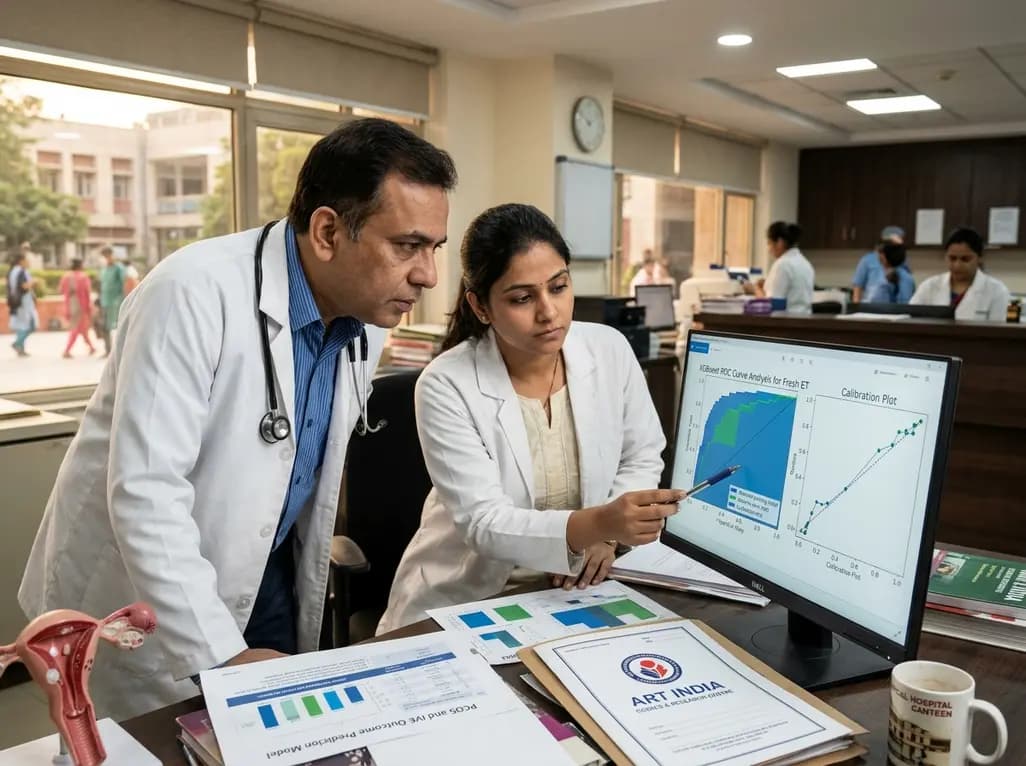
A multicenter study evaluates an XGBoost machine learning model to predict miscarriage risk in PCOS after fresh embryo transfer. While discrimination was strong internally, cross-cohort calibration drift emphasizes its role as a risk-ranking tool rather than a standalone diagnostic instrument.
Today
