.webp&w=384&q=75)

Loading, please wait...
Loading, please wait...
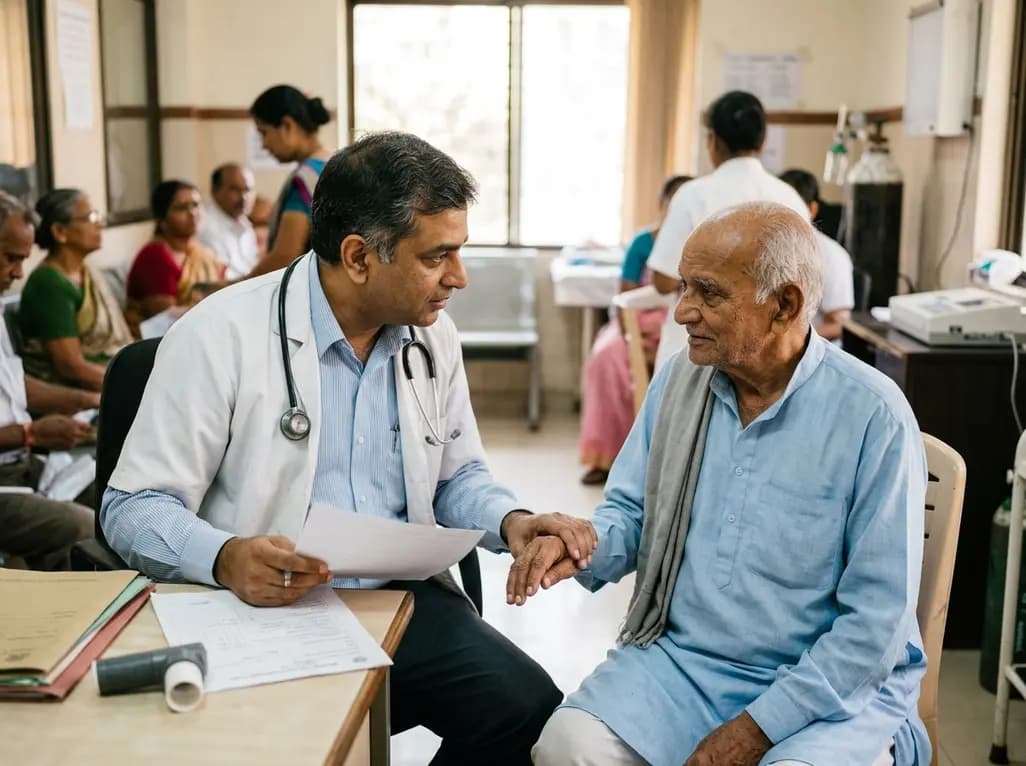
Chronic obstructive pulmonary disease presents immense clinical challenges across global healthcare systems. While clinicians historically relied on calendar years to forecast patient trajectories, assessing frailty in COPD has emerged as a far more reliable prognostic indicator. Frailty captures cumulative physiological decline across multiple organ systems. Consequently, biological age frequently diverges from calendar years. A landmark nationwide investigation now provides compelling evidence that biological resilience directly dictates patient survival and disease trajectory regardless of chronological age.
Chronological age has long served as a convenient surrogate for physiological decline in chronic respiratory management. However, calendar years provide an incomplete picture of an individual's intrinsic biological capacity. Two individuals sharing the exact same birth year often experience drastically divergent health trajectories. For instance, one patient might maintain robust functional independence, while another suffers from severe physical vulnerability, multiple comorbid conditions, and sarcopenia. Therefore, relying exclusively on calendar age creates notable blind spots during clinical risk stratification.
In chronic obstructive pulmonary disease, systemic inflammation and skeletal muscle wasting accelerate physiological aging. As a result, physical vulnerability accumulates rapidly in susceptible individuals. Frailty reflects this multidimensional vulnerability to physiological stressors, resulting in diminished functional reserve. When an acute stressor such as a viral respiratory infection occurs, frail individuals experience disproportionate decompensation. Furthermore, frailty impairs recovery, prolongs hospital stays, and increases the likelihood of readmission. Thus, moving beyond chronological age toward comprehensive biological assessment offers clinicians a clearer prognostic lens. Understanding this distinction enables medical professionals to tailor pharmacotherapy, anticipate complications, and deploy supportive care proactively.
To elucidate the complex interplay between aging and functional vulnerability, researchers conducted a massive nationwide retrospective cohort study. The investigators leveraged comprehensive health records from the Korean National Health Insurance Service database. Specifically, the cohort comprised 1,505,638 adults aged 40 years and older who received a validated diagnosis of chronic obstructive pulmonary disease between 2010 and 2021. This enormous sample size provided robust statistical power to explore subtle subgroup interactions across various demographic strata.
The investigators divided participants into two primary age cohorts: younger patients aged under 70 years and older patients aged 70 years or older. Additionally, the research team quantified individual vulnerability using a validated claims-based frailty index. This metric systematically incorporated diagnoses, diagnostic test utilization, and healthcare utilization patterns to classify individuals into low, intermediate, or high frailty risk categories. The researchers established all-cause mortality as the primary clinical endpoint, while severe acute exacerbations requiring emergency department attendance or hospital admission served as the secondary endpoint. Over a median follow-up duration of 7.0 years, the investigators tracked 500,097 deaths and 169,102 severe exacerbations, applying rigorous multivariable Cox proportional hazards regression models.
The study findings demonstrate that biological vulnerability fundamentally reshapes survival outcomes across all demographic cohorts. Notably, intermediate and high frailty dramatically elevated all-cause mortality risks regardless of baseline chronological age. Compared to older individuals with low frailty, older patients with intermediate frailty exhibited a 21% higher mortality risk. Meanwhile, older individuals presenting with high frailty suffered nearly double the mortality risk. These substantial hazard increases persisted even after adjusting for extensive demographic variables, comorbidities, and baseline medications.
Remarkably, the detrimental effect of high vulnerability proved even more pronounced among younger patients. Patients under 70 years of age with high frailty faced an alarming 2.66-fold increase in mortality risk compared to older patients with low frailty. In contrast, older adults who successfully preserved low frailty achieved remarkably favorable survival trajectories despite their advanced chronological years. This striking observation confirms that biological vulnerability exerts a more potent influence on survival than the passage of calendar time alone. Consequently, clinicians must recognize that a chronologically younger patient with multisystem frailty faces greater imminent mortality danger than a robust octogenarian. Evaluating biological reserves therefore provides vital prognostic precision.
In addition to all-cause mortality, the study uncovered equally compelling relationships regarding severe respiratory exacerbations. Severe exacerbations represent catastrophic clinical events in chronic obstructive pulmonary disease that accelerate lung function loss and worsen quality of life. The nationwide data revealed a consistent, graded association between advancing frailty tiers and acute respiratory decompensation. Patients categorized in the intermediate and high frailty groups experienced substantially higher rates of emergency visits and intensive inpatient hospitalizations.
Importantly, maintaining low frailty acted as a powerful protective buffer against the physiological hazards typically attributed to aging. Older patients who sustained robust functional health experienced significantly fewer exacerbations than their frail peers. Reduced physiological vulnerability appears to confer resilience against severe respiratory failure during acute infectious episodes. Furthermore, preserved physical strength and nutritional adequacy likely facilitate more effective airway clearance and respiratory muscle efficiency during stress. Conversely, high frailty markedly compounded exacerbation frequency, creating a dangerous cycle of recurrent hospital admissions, functional decline, and progressive debility. Therefore, preventing functional decline protects patients from life-threatening exacerbations and mitigates the severe clinical burdens associated with advanced chronological age.
These nationwide findings carry profound implications for everyday respiratory care, particularly in high-burden countries like India. Chronic respiratory disease represents one of the leading contributors to adult morbidity and premature death across the Indian subcontinent. Moreover, Indian patients frequently encounter significant environmental hazards, including high ambient air pollution and widespread biomass smoke exposure. These environmental insults often induce accelerated biological aging and premature multisystem decline in younger adults. Consequently, Indian clinicians routinely manage individuals who appear functionally aged despite their relatively young chronological status.
Integrating routine frailty assessments into outpatient clinics and primary health centers can revolutionize clinical decision-making. Simple functional screening instruments, such as handgrip dynamometry or the Clinical Frailty Scale, enable practitioners to identify high-risk individuals before severe clinical decompensation occurs. Once clinicians identify vulnerable patients, they can promptly introduce targeted non-pharmacological interventions. Multidisciplinary pulmonary rehabilitation programs, personalized dietary protein optimization, and structured home exercises directly combat muscle wasting and functional decline. Additionally, identifying frailty guides careful inhaler device selection, ensures adequate caregiver engagement, and prevents overtreatment with complex drug regimens. Ultimately, preserving physical resilience empowers clinicians to improve survival and enhance functional quality of life.
Chronological age measures the number of calendar years lived, whereas frailty reflects an individual's biological reserve and resilience against physiological stressors. Consequently, chronological age alone often fails to capture individual heterogeneity. Evaluating frailty allows clinicians to identify younger patients with premature multisystem decline who face high mortality. Furthermore, older adults who maintain low frailty exhibit survival rates comparable to much younger individuals, proving that biological vulnerability provides superior prognostic insight.
Yes, healthcare teams can actively modify frailty through targeted interventions. Evidence demonstrates that multidisciplinary pulmonary rehabilitation, structured progressive resistance training, and targeted nutritional supplementation significantly improve muscle mass and functional capacity. Additionally, proactive medication reviews eliminate polypharmacy and reduce adverse drug interactions. Therefore, prompt clinical identification of pre-frail or frail states provides a therapeutic window to halt progressive functional decline and optimize long-term clinical outcomes.
Clinicians can readily employ several validated, efficient screening instruments in busy outpatient settings. The Clinical Frailty Scale provides a rapid visual tool that evaluates functional independence and physical mobility. In addition, practitioners frequently utilize the Fried Frailty Phenotype or the FRAIL scale, which assess weight loss, fatigue, walking speed, and muscle weakness. Adopting these rapid screening instruments helps respiratory teams systematically stratify patient vulnerability and individualize therapeutic care pathways.
Disclaimer: This content is for informational and educational purposes only and is not intended as medical advice, diagnosis, or treatment. Always consult a qualified healthcare provider with any questions regarding clinical management. Clinicians should evaluate this research in the context of their patient population and regional disease patterns. Refer to the latest local and national guidelines for clinical practice.
References

Read summarized clinical updates, watch expert medical content, and earn CME certifications right from your smartphone.
Open your smartphone camera to scan and install.





A nationwide cohort study of 1.5 million COPD patients demonstrates that frailty predicts long-term mortality and severe exacerbations independent of chronological age. Preserving low frailty attenuates the adverse risks of aging, highlighting the need for proactive frailty assessment in clinical practice.
Today
A large population cohort study evaluated over 167,000 mother-child pairs to assess the link between maternal mood disorders, pharmacotherapy, and long-term child neurodevelopment. The results underscore that maternal illness, rather than pharmacotherapy alone, drives most special educational needs in offspring.
Today

A cross-sectional investigation highlights the complex pathophysiological links between serum Klotho deficiency, secondary hyperaldosteronism, and vascular damage in CKD. Discover key insights into non-invasive vascular stiffness markers and targeted therapeutic pathways for cardiorenal protection.
Today
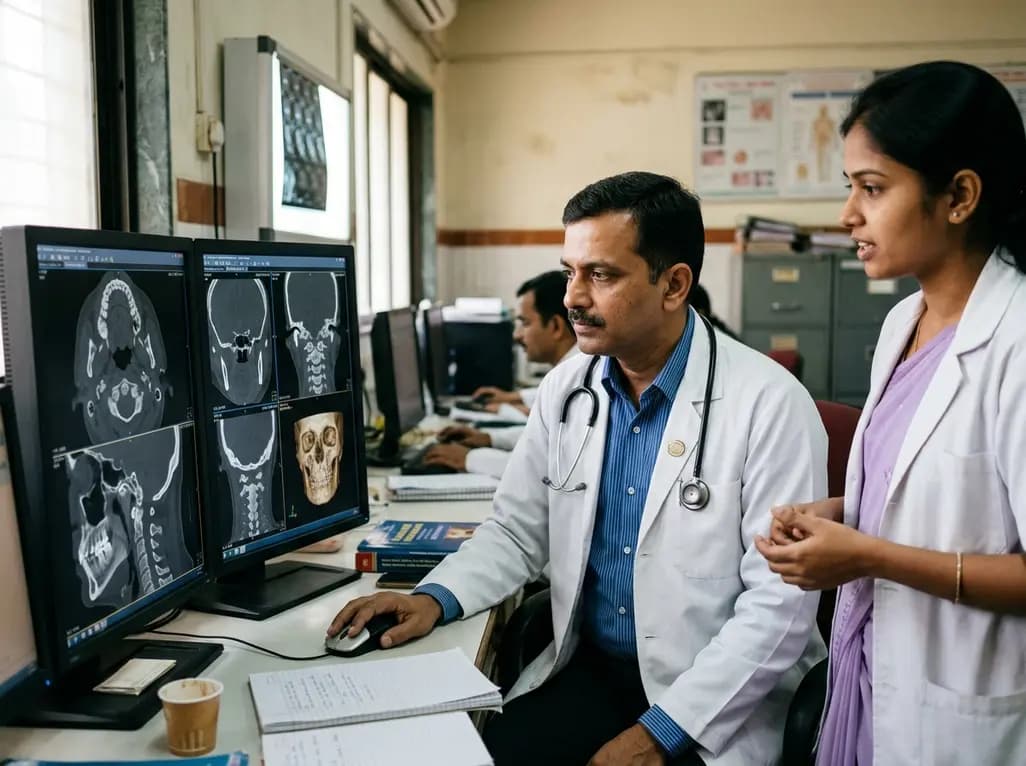
A retrospective CBCT study reveals that superior TMJ space asymmetry correlates moderately with occipital condyle-atlas-axis asymmetry in unilateral TMJ osteoarthritis, highlighting an imaging correlate between jaw biomechanics and upper cervical alignment rather than a standalone diagnostic marker.
Today
This clinical overview reviews the pathogenic cascade of type 1 diabetes, spanning genetic susceptibility, gut dysbiosis, and cytotoxic insulitis. It details the 3-stage framework, evaluates disease-modifying immunotherapies, and addresses translational hurdles in stem-cell beta cell replacement.
Today
