

Loading, please wait...
Loading, please wait...
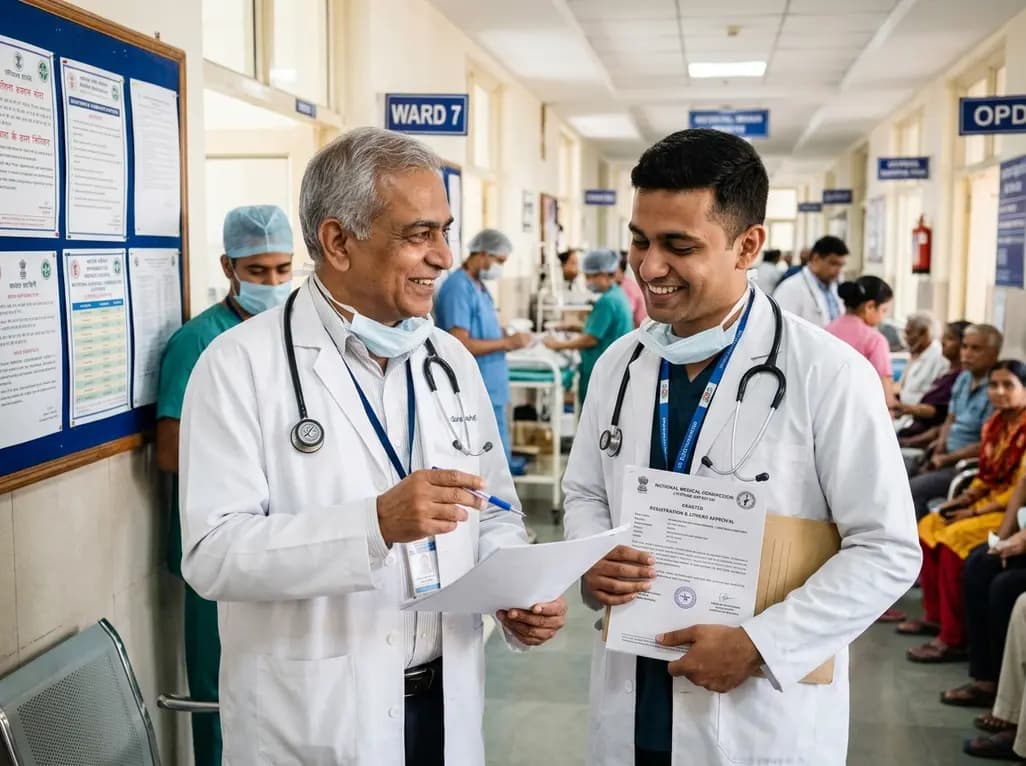
The National Medical Commission recently introduced pivotal draft amendments regarding foreign medical education pathways in India. Specifically, the updated FMG licensing regulations aim to eliminate long-standing administrative roadblocks for international medical graduates. In addition, the Directorate General of Health Services issued directives establishing stipend parity at five central healthcare institutions. These developments mark a substantial policy transition for medical doctors returning from abroad to serve the national healthcare ecosystem.
Historically, Indian students completing medical qualifications overseas encountered severe administrative barriers upon their return. The National Medical Commission notified the Foreign Medical Graduate Licentiate Regulations on November 18, 2021. Under the original rules, Clause 4(b) mandated that graduates secure practice rights equal to local citizens abroad. Consequently, countless Indian graduates found themselves trapped in regulatory limbo. Many foreign nations grant medical degrees to international scholars while withholding domestic practice rights for non-citizens. Therefore, foreign medical graduates could not fulfill this equivalence condition, despite completing rigorous clinical training. Medical associations and affected students repeatedly petitioned authorities to reform these rigid requirements. In response, regulatory bodies initiated extensive reviews to modernize the statutory framework. The apex medical regulator recognized that such technical barriers delayed competent practitioners from entering clinical service. Furthermore, standardizing these licensing criteria reduces contentious litigation across state high courts. Ultimately, the commission designed this draft amendment to establish a far more realistic evaluation mechanism for foreign medical scholars. Thus, the proposed changes directly alleviate systemic stress across the broader medical community. Moreover, hospital administrators welcome clearer guidelines that facilitate medical workforce integration. Moreover, this forward-looking adjustment demonstrates a commendable willingness by policymakers to listen to stakeholder representations.
The draft National Medical Commission (Foreign Medical Graduate Licentiate) (Amendment) Regulations, 2026, introduces a critical structural modification. Specifically, the commission proposes amending sub-clause (b) of Clause 4 within the principal 2021 regulations. The revised provision explicitly removes the mandate requiring candidates to hold a practice licence equal to local citizens abroad. Instead, foreign medical graduates must simply demonstrate registration with the respective professional regulatory body in that foreign country. However, candidates should note that this amendment does not automatically grant authorization to practice within India. Foreign graduates must still complete mandatory screening examinations, rigorous clinical internships, and formal state council registrations. The National Medical Commission has invited public comments, suggestions, and objections regarding this regulatory proposal. Stakeholders must submit their official feedback through email to ug.fmgl.amend2026@nmc.org.in within thirty days of gazette publication. Furthermore, the authorities have clarified that submissions sent via postal or physical modes will not receive consideration. Consequently, healthcare stakeholders must utilize the designated digital channels to participate in the consultative process. Once finalized, these provisions will formally take effect upon publication in the Official Gazette. Therefore, international graduates should closely monitor the official implementation schedule before planning their licensing roadmap. Additionally, Indian embassies and educational consultants must actively communicate these evolving criteria to students planning overseas medical education.
Alongside licensing reforms, the Directorate General of Health Services addressed financial disparities during compulsory medical training. Under an official communication dated November 16, 2026, the DGHS approved stipend parity for foreign graduates. This landmark directive ensures that foreign medical interns receive stipends identical to Indian medical graduates. Historically, foreign graduates performed identical clinical shifts and patient management duties without receiving equitable monthly allowances. However, the Compulsory Rotating Medical Internship Regulations of 2021 emphasized fair training conditions for all interns. Additionally, previous circulars from the National Medical Commission reaffirmed that institutions should grant equal financial compensation. Recent judicial observations by the Supreme Court of India also highlighted the fundamental principle of equal pay for equal work. Consequently, the Union Health Ministry granted administrative clearance to eliminate unfair financial differentials at selected central hospitals. This crucial approval provides immense economic relief to medical graduates who already manage heavy educational loan burdens. Moreover, receiving equitable pay restores professional dignity and morale among trainee doctors working arduous hospital hours. Thus, the directive represents a significant triumph for medical trainees advocating for equitable institutional treatment. Furthermore, ensuring financial parity diminishes workplace frustration, allowing interns to focus entirely on developing essential clinical competencies.
The recent DGHS directive explicitly applies to five premier central government healthcare institutions located across India. First, Vardhman Mahavir Medical College and Safdarjung Hospital in New Delhi will disburse equal stipends to interns. Second, Atal Bihari Vajpayee Institute of Medical Sciences at Dr Ram Manohar Lohia Hospital must enforce parity. Third, Lady Hardinge Medical College and Associated Hospitals in New Delhi falls under this administrative mandate. Fourth, the directive covers the North Eastern Indira Gandhi Regional Institute of Health and Medical Sciences in Shillong. Finally, the Regional Institute of Medical Sciences located in Imphal must provide identical monthly stipends. These five central healthcare establishments manage massive outpatient volumes and intricate inpatient surgical services every day. Consequently, foreign medical graduates stationed in these busy wards carry out critical healthcare duties around the clock. By providing stipend equality, these institutions foster a collaborative and cohesive clinical environment among all resident doctors. Furthermore, clinical supervisors expect that financial stability will improve intern retention, focus, and overall patient care standards. Therefore, these designated teaching hospitals establish a national precedent for equity in post-graduate clinical training environments. Moreover, medical superintendents at these premier centres have acknowledged that equitable stipends significantly elevate junior doctor morale.
While the central government directive establishes a progressive benchmark, notable operational disparities persist across other jurisdictions. Specifically, the latest DGHS order applies solely to the five central institutions named in the communication. The circular does not automatically mandate stipend parity across state-run government medical colleges or private healthcare facilities. Historically, decisions regarding intern stipends depend on the discretion of respective state governments and independent university governing boards. Consequently, thousands of foreign graduates completing internships in different states continue to face inconsistent stipend disbursements. In some regions, state authorities offer reduced monthly payments, whereas other institutions provide no stipend whatsoever. Nevertheless, health policy analysts expect that this central ruling will encourage various state health departments to follow suit. Medical student associations have already begun citing this directive to demand uniform remuneration policies nationwide. Furthermore, standardizing compensation across all institutions would reduce regional disputes and prevent unnecessary litigation. Ultimately, nationwide uniformity remains essential to ensure equal professional respect and financial support for every aspiring physician. Thus, coordinated efforts between state councils and university regulators must bridge this remaining gap quickly. Consequently, comprehensive national guidelines would ensure that all trainee doctors receive fair compensation irrespective of their training geography.
Q1: What specific changes does the NMC draft amendment propose for foreign medical graduates?
The draft National Medical Commission (Foreign Medical Graduate Licentiate) (Amendment) Regulations, 2026, modifies sub-clause (b) of Clause 4. Under this amendment, foreign medical graduates only need registration with the respective professional regulatory body where they earned their degree. The amendment removes the earlier mandate requiring a practice licence equivalent to local citizens abroad. However, candidates must still fulfill standard screening tests and internship requirements in India.
Q2: Which institutions are officially covered under the new DGHS stipend parity directive?
The DGHS approval dated November 16, 2026, applies strictly to five central government medical establishments. These institutions include Safdarjung Hospital, Dr Ram Manohar Lohia Hospital, and Lady Hardinge Medical College in New Delhi. Furthermore, the directive includes NEIGRIHMS in Shillong and RIMS in Imphal. Therefore, foreign graduates undergoing compulsory rotatory internships at these specific hospitals will receive monthly stipends matching Indian graduates.
Q3: How can medical stakeholders submit comments or objections regarding the NMC draft regulations?
The National Medical Commission has invited public objections and suggestions within thirty days of gazette notification publication. Affected stakeholders, students, and practitioners must submit their feedback exclusively by email to ug.fmgl.amend2026@nmc.org.in. Submissions must be addressed directly to the Deputy Secretary of the Undergraduate Medical Education Board. Additionally, the commission explicitly stated that physical letters or alternative communication channels will not be entertained during this consultation window.
Disclaimer: This content is for informational and educational purposes only. It does not constitute medical advice or replace professional judgment. Refer to the latest local and national guidelines for clinical practice.
References

Read summarized clinical updates, watch expert medical content, and earn CME certifications right from your smartphone.
Open your smartphone camera to scan and install.





The National Medical Commission has published draft amendments to simplify registration criteria for overseas medical graduates by removing citizen-parity licensing rules. Concurrently, the DGHS has authorized equal internship stipends at five premier central medical institutions, resolving financial hurdles.
Today
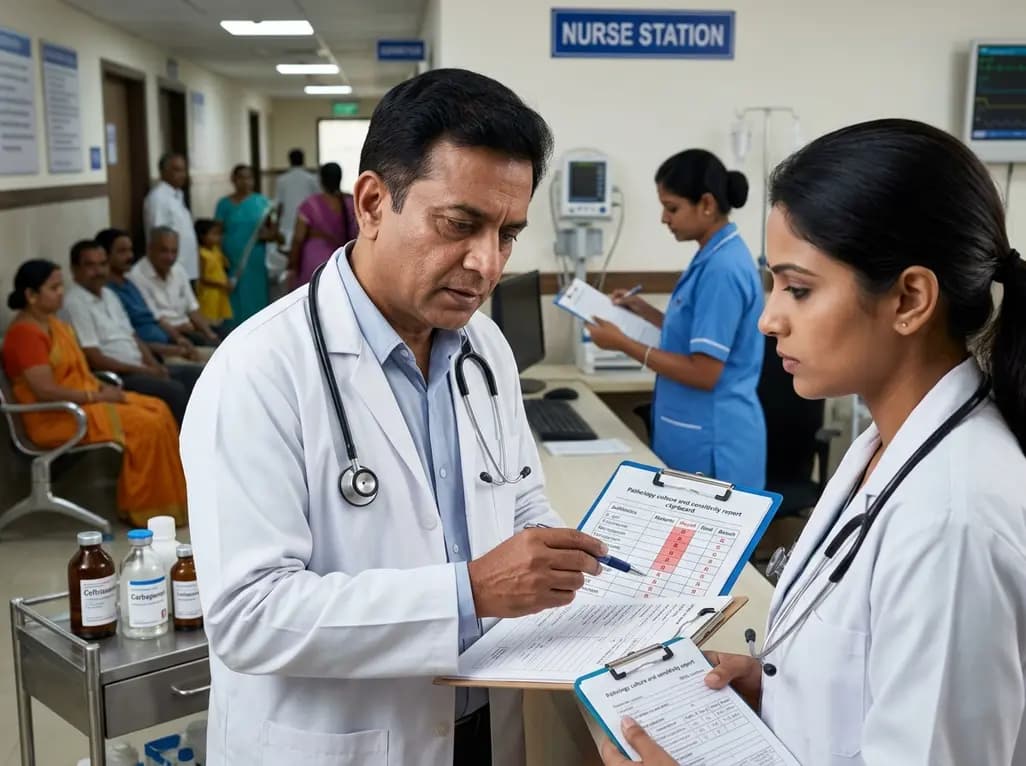
The latest surveillance report from the Indian Council of Medical Research exposes a steep nationwide decline in bacterial susceptibility. Common pathogens like E. coli and Klebsiella pneumoniae demonstrate critical resistance to cephalosporins and carbapenems, urging clinicians to rethink empirical antimicrobial therapy.
Today
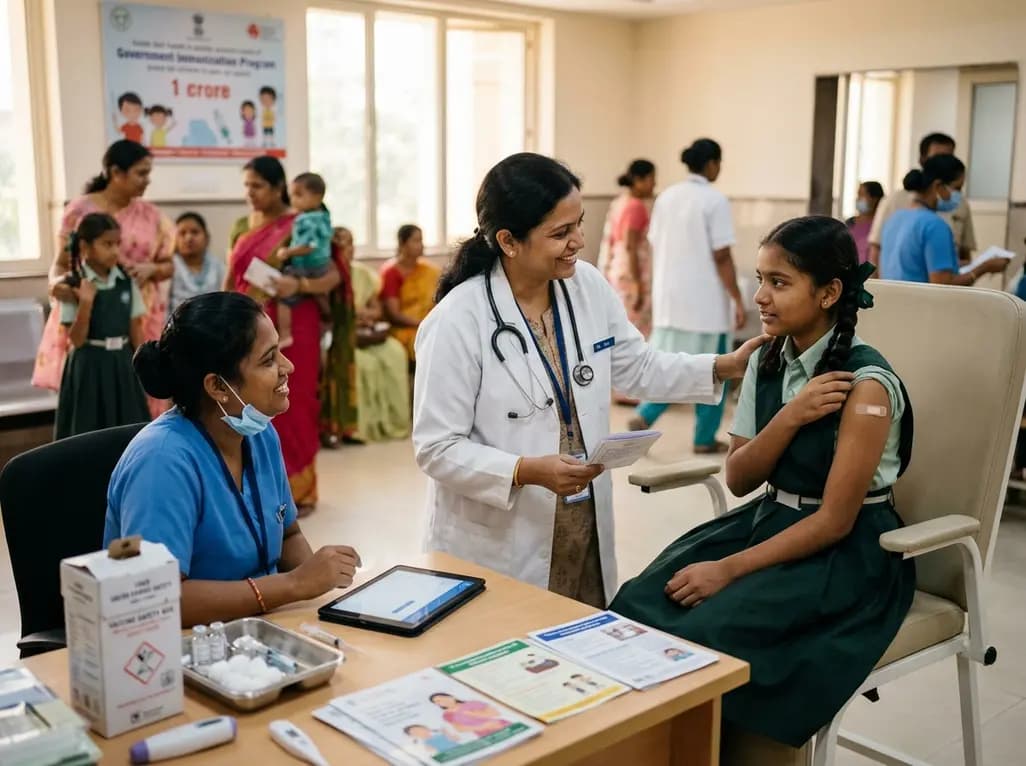
Under India's nationwide immunization drive, healthcare teams have vaccinated more than one crore 14-year-old girls within nine months. This comprehensive analysis evaluates state achievements, digital tracking via the U-WIN platform, clinical safety monitoring, and practical counselling strategies for practitioners.
Today

A large network analysis of middle-aged and older adults reveals distinct sex-specific dependency pathways between lifestyle factors and cardiometabolic diseases. Physical activity, smoking, and alcohol exhibit divergent bridging roles in men and women, underscoring the need for tailored clinical prevention.
Today
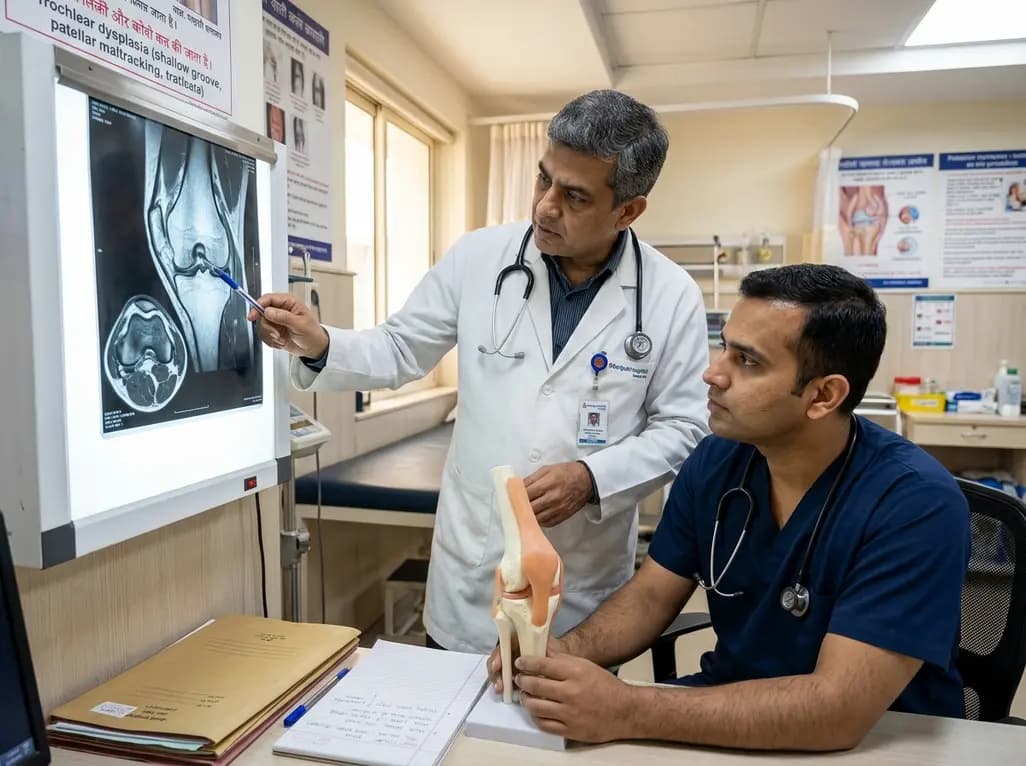
A landmark study reveals that patellofemoral cartilage defects in patients with trochlear dysplasia are primarily driven by patellar maltracking and spur height rather than dislocation frequency or shape mismatch, offering crucial insights for preoperative imaging and surgical stabilization.
Today
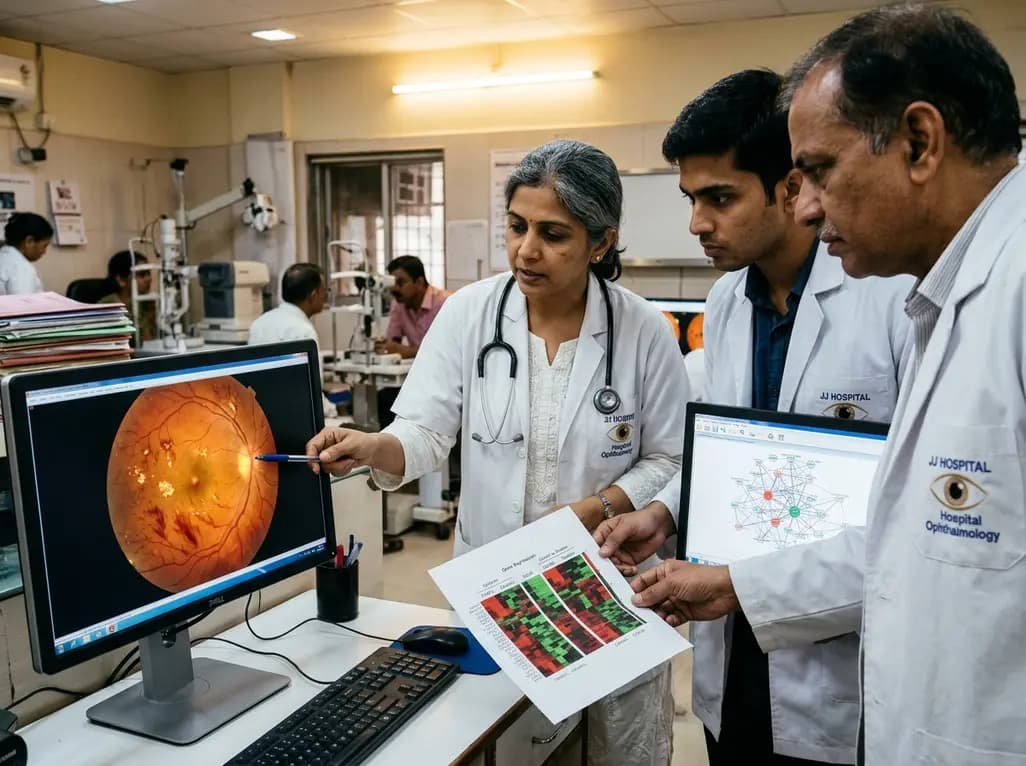
Single-cell transcriptomics reveals that STAP2 promotes retinal endothelial dysfunction in diabetic retinopathy through CXCR4 signaling. In vivo and in vitro studies show STAP2 knockdown reduces capillary drop-out and vascular leakage, uncovering a novel therapeutic target beyond anti-VEGF therapies.
Today
