.webp&w=384&q=75)

Loading, please wait...
Loading, please wait...

The National Medical Commission (NMC) recently announced a major update regarding internships for foreign medical graduates. Specifically, the regulatory body has officially granted a crucial FMG internship extension in recognized non-teaching hospitals until May 2028. This decision provides significant relief to thousands of students struggling with an acute shortage of training slots. Consequently, the new directive pushes the earlier deadline of May 2026 by two additional years. This extension will help resolve the ongoing seat allocation crisis in several states.
In many Indian states, teaching hospitals have limited capacity to accommodate the growing number of FMGs. Consequently, students in regions like West Bengal, Assam, Rajasthan, and Delhi have experienced prolonged delays in internship approvals. Moreover, communication gaps between State Medical Councils (SMCs) and the Undergraduate Medical Education Board (UGMEB) further compounded the delays. To address these bottlenecks, NMC officials held meetings with student representatives to streamline administrative communication. Specifically, SMCs must now copy the office of the NMC secretary in all correspondence to expedite issue resolution.
The NMC emphasized that State Medical Councils bear the direct responsibility of communicating regulatory queries to the national body. Therefore, students should not need to repeatedly approach national authorities for individual grievance resolution. Additionally, the NMC chairman has personally instructed officials to actively resolve administrative hurdles. To facilitate this process, the NMC will write to all SMCs to coordinate seat allotment in non-teaching hospitals. This effort aims to stabilize the training pipeline and ensure that candidates transition into clinical roles without delays.
Q1: What is the new deadline for FMGs to complete internships in non-teaching hospitals?
The National Medical Commission has extended the permission for foreign medical graduates to complete their Compulsory Rotating Medical Internship (CRMI) in recognized non-teaching hospitals until May 2028.
Q2: Which states have been most affected by the internship seat shortage?
FMGs in West Bengal, Assam, Rajasthan, and Delhi have faced severe challenges due to limited seat capacity in teaching hospitals and administrative delays.
Q3: How will this extension help foreign medical graduates in India?
This extension increases the pool of available training seats. Therefore, it reduces uncertainty, avoids long career gaps, and ensures students can complete their mandatory training to register as licensed doctors.
Disclaimer: This content is for informational and educational purposes only. It does not constitute medical advice or replace professional judgment. Refer to the latest local and national guidelines for clinical practice.
References

Read summarized clinical updates, watch expert medical content, and earn CME certifications right from your smartphone.
Open your smartphone camera to scan and install.





The NMC has extended the CRMI for foreign medical graduates in recognized non-teaching hospitals until May 2028, resolving the major seat shortage crisis....
4 months ago
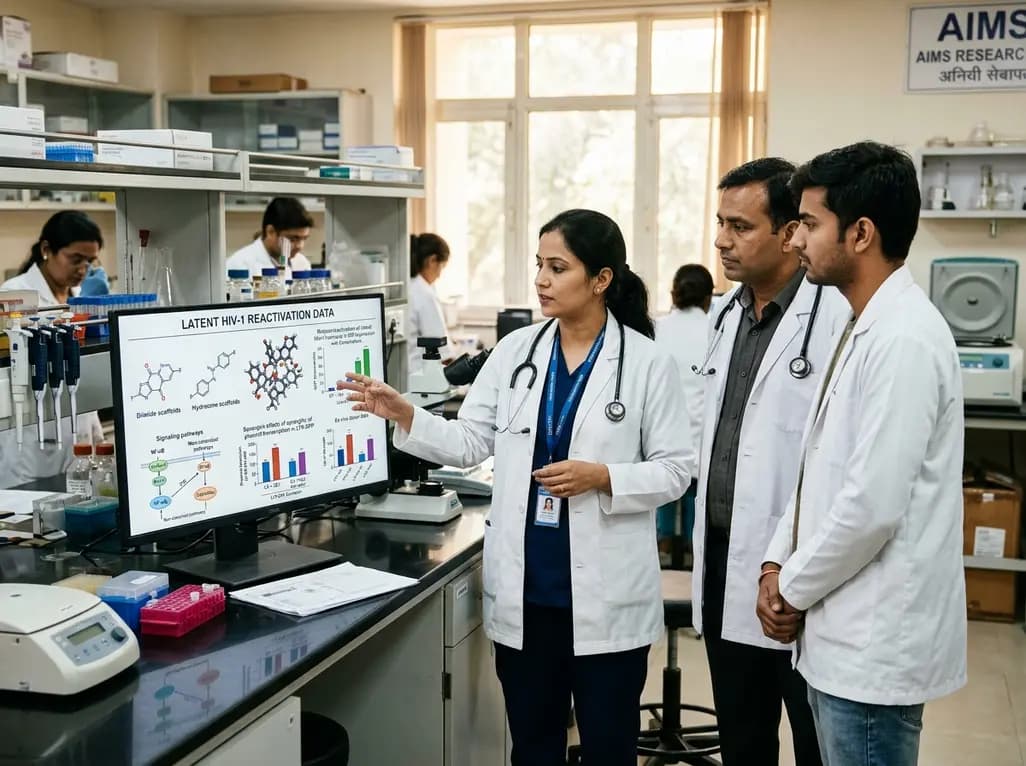
Novel diimide and hydrazone scaffolds, particularly compound #C4, synergistically reactivate latent HIV-1 when combined with JQ1 or PKC activators. Demonstrating donor-matched proviral transcription ex vivo and non-canonical signaling, these findings advance shock and kill strategies toward reservoir eradication.
Today
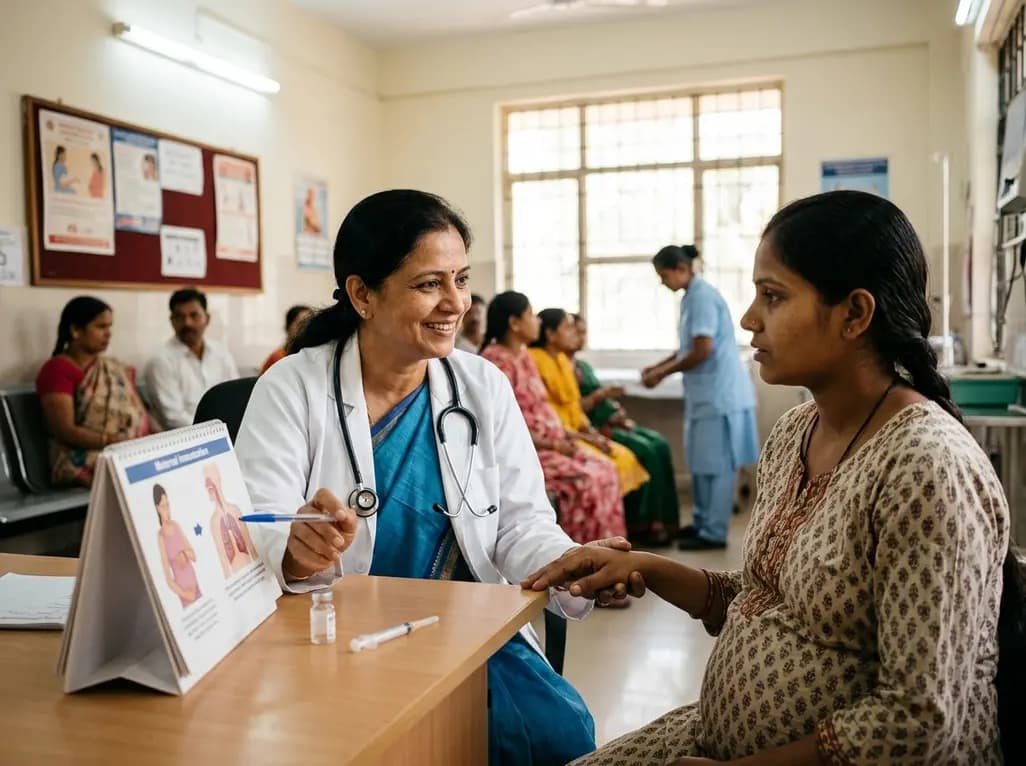
A cross-sectional study reveals that maternal RSV vaccination coverage reached only 43.7% in Argentina, with maternal vaccine knowledge being the sole independent predictor of uptake. Clinicians play a crucial role in eliminating informational and structural barriers to optimize infant health.
Today

Review how tailored exercise programs benefit frail older patients with heart failure. Explore pathophysiological mechanisms, individualized training prescriptions, and strategies to overcome adherence barriers in clinical practice.
Yesterday

This comparative study evaluates posterior labral tears with and without glenohumeral instability, highlighting distinct demographic patterns, MRI underestimation in stable shoulders, and successful arthroscopic repair outcomes.
Yesterday

A clinical study demonstrates that early intervention with tocilizumab, either as monotherapy or bridged with corticosteroids, achieves significant proptosis reduction and resolves active inflammation in treatment-naive thyroid eye disease.
Yesterday
