.webp&w=384&q=75)

Loading, please wait...
Loading, please wait...
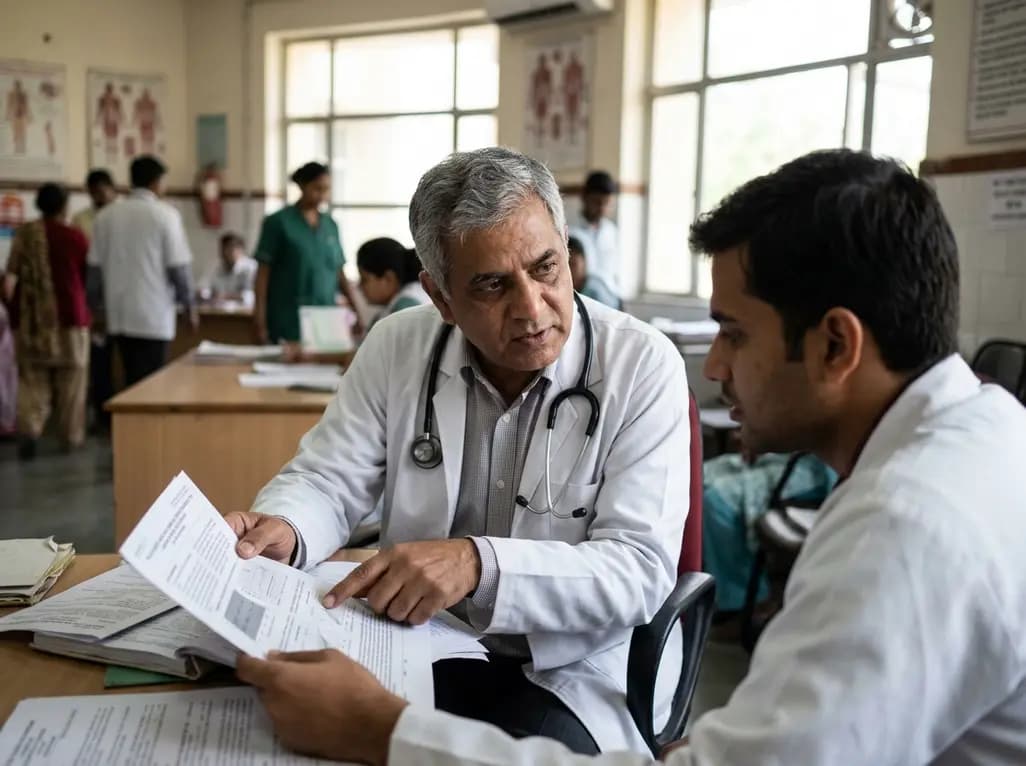
Ensuring fitness supplement safety has emerged as a crucial clinical and public health priority across India. In recent years, gym culture has expanded rapidly among young adults and fitness enthusiasts. Consequently, the commercial consumption of protein powders, pre-workout mixes, and energy drinks has risen substantially. However, this massive market growth has also invited dangerous substandard formulations and illicit substances. Medical practitioners frequently encounter young patients suffering from adverse reactions caused by tainted ergogenic products. Therefore, government initiatives bridging narcotics control with food safety mark a vital step forward for public health.
The Haryana government recently broadened its established "Drug-free Haryana" initiative to incorporate sports nutrition products. Historically, state anti-drug drives focused primarily on conventional narcotics and synthetic psychotropic substances. Nevertheless, public health officials recognized that contaminated fitness formulations represent an equally grave threat to youth. As a result, authorities expanded their surveillance to encompass commercial gyms, sports nutrition distributors, and retail chemists. Unscrupulous sellers often exploit the athletic aspirations of youth by peddling unverified performance enhancers. Furthermore, many consumers mistakenly believe that all over-the-counter dietary products undergo rigorous evaluations. Consequently, active individuals consume uninspected protein powders under the assumption of personal wellness optimization. Regulators now view illicit ergogenic substances and adulterated powders through a unified public health framework. Thus, this strategic expansion directly targets shady supply networks operating within the commercial fitness ecosystem. In addition, coordinated action curbs the distribution of unapproved compounds that evade traditional pharmaceutical oversight. Physicians across the state strongly support this aggressive stance against unauthorized performance supplements. Moreover, transparent retail surveillance protects adolescent athletes from accidental exposure to harmful chemical adulterants.
To enforce fitness supplement safety, the Haryana Food and Drug Administration launched coordinated statewide inspections on October 5. During this synchronized drive, enforcement teams inspected 61 commercial facilities, including manufacturing units, distribution hubs, and retail pharmacies. Moreover, food safety officers collected 73 suspect samples of nutraceuticals, whey protein powders, and packaged energy beverages. Authorities swiftly dispatched these specimens to state food laboratories in Chandigarh and Karnal for comprehensive analysis. Additionally, selected batches underwent rigorous verification at accredited National Accreditation Board for Testing and Calibration Laboratories facilities. For example, inspectors discovered an illicit stock of natural protein powder at a retail store in Rohtak. The package audaciously displayed unsubstantiated claims of being 100 percent natural without basic regulatory disclosures. Specifically, the container omitted critical details like expiry dates, manufacturer addresses, and valid licensing numbers. Consequently, state officials initiated immediate legal prosecution under the Food Safety and Standards Act of 2006. Regulatory leadership reiterated that entities endangering youth health will face stringent legal penalties without exception. Therefore, this comprehensive operation establishes a vital deterrent against deceptive supplement branding across northern India. Furthermore, continuous administrative crackdowns reinforce compliance among regional distributors and health food sellers.
Spurious dietary supplements present substantial acute and chronic physiological dangers to consumers. Many illicit manufacturers artificially spike protein powders with nitrogen-rich compounds or hidden anabolic-androgenic steroids to accelerate hypertrophy. Consequently, unsuspecting patients develop severe endocrine disruptions, including hypogonadotropic hypogonadism, testicular atrophy, and gynecomastia. Furthermore, hepatologists frequently identify acute toxic hepatitis caused by synthetic steroid adulterants in gym products. Nephrologists similarly warn that heavy metal contamination in unverified powders induces progressive tubulointerstitial kidney damage. In addition, commercial energy drinks often contain unsafe concentrations of synthetic caffeine and banned sympathomimetic amines. These potent stimulants can trigger severe cardiac arrhythmias, malignant hypertension, and myocardial ischemia in young athletes. Moreover, combining high-dose stimulants with strenuous workouts substantially increases the risk of exertional rhabdomyolysis and acute renal failure. Clinicians must therefore maintain high suspicion when active patients present with unexplained liver injury or palpitations. Early product discontinuation frequently reverses biochemical abnormalities before irreversible organ fibrosis develops. Accordingly, systematic supplement screening must become routine in outpatient internal medicine consultations. Finally, doctors should warn athletic patients against using unverified powders to prevent sudden organ toxicity.
In India, nutritional formulations must comply with standards set by the Food Safety and Standards Authority of India. Specifically, the Food Safety and Standards Regulations of 2016 govern all health supplements and nutraceutical products. Genuine manufacturers must visibly print a valid fourteen-digit FSSAI license number on every commercial product label. Furthermore, packaging must present accurate nutritional facts, complete ingredient declarations, batch codes, and precise expiration dates. Regulatory rules strictly prohibit deceptive statements, including unsubstantiated guarantees of one hundred percent natural origin. Moreover, the statutory framework requires an explicit advisory stating that the product is not for medicinal use. Manufacturers cannot claim that their formulations prevent, treat, or cure any specific human physiological disease. Fortunately, clinicians and consumers can verify license credentials online through the central FSSAI digital verification system. Non-compliant businesses face heavy financial penalties, product seizures, and criminal prosecution under the Food Safety and Standards Act. Therefore, strict labeling compliance remains essential to preserve consumer safety and market integrity across India. In addition, vigilant enforcement empowers consumers to make informed choices regarding their sports nutrition needs. Consequently, transparent packaging safeguards public health by eliminating fraudulent market practices.
Healthcare providers play a crucial role in protecting young patients from unsafe sports supplements. First, physicians should routinely ask young individuals about their daily supplement use during general medical consultations. In addition, clinicians must emphasize that well-planned whole food diets fulfill daily protein requirements for most fitness enthusiasts. Traditional Indian foods, including paneer, curd, eggs, pulses, and soya, supply excellent amino acid profiles. However, when athletes require supplemental protein, clinicians should guide them toward certified and tested brands. Patients should specifically verify valid FSSAI licenses and select products certified by independent testing programs. Furthermore, physicians must caution gym-goers against buying heavily discounted powders from unauthorized local distributors. Periodic laboratory screening, including renal function and hepatic panels, is advisable for chronic supplement consumers. Consequently, open medical communication builds trust and dispels common muscle-building myths among young athletes. Therefore, proactive clinician guidance remains an effective safeguard against deceptive and dangerous fitness formulations. In conclusion, physician involvement empowers patients to pursue their physical goals without compromising their long-term health. Ultimately, evidence-based nutritional advice protects active individuals from predatory marketing and avoidable physiological harm.
Q1: Why are unregulated protein supplements dangerous to young adults?
Unregulated protein supplements often contain concealed anabolic-androgenic steroids, heavy metals, and illicit stimulants that manufacturers fail to disclose. Consequently, unsuspecting consumers face severe physiological risks, including acute drug-induced liver injury, endocrine dysfunction, and progressive renal impairment. Furthermore, false nutritional labels frequently disguise substandard protein concentrations. Therefore, medical professionals emphasize sourcing verified, lab-tested products to avoid life-threatening organ toxicities.
Q2: How can consumers verify the authenticity of a fitness supplement in India?
Consumers should inspect the product packaging for a mandatory 14-digit FSSAI license number and complete manufacturer details. In addition, individuals can authenticate this license on the official FSSAI online portal. Furthermore, buyers should check batch numbers, tamper-evident seals, and third-party certifications like Informed Choice. Purchasing exclusively from authorized brand distributors prevents the acquisition of counterfeit formulations.
Q3: What clinical symptoms suggest adverse reactions from tainted energy drinks?
Patients consuming tainted energy drinks frequently present with acute palpitations, severe tachycardia, tremors, and sudden hypertension. In addition, excessive stimulant ingestion can precipitate severe agitation, persistent nausea, chest tightness, and electrolyte disturbances. When clinicians observe these symptoms in young gym attendees, they must immediately suspect undisclosed sympathomimetic additives and discontinue all stimulant supplement use.
Disclaimer: This content is for informational and educational purposes only. It does not constitute medical advice or replace professional judgment. Refer to the latest local and national guidelines for clinical practice.
References

Read summarized clinical updates, watch expert medical content, and earn CME certifications right from your smartphone.
Open your smartphone camera to scan and install.





Haryana has broadened its Drug-Free campaign to inspect nutraceuticals, protein powders, and energy drinks. This clinical review explores the dangers of adulterated fitness products, FSSAI labeling mandates, toxicological risks including hepatotoxicity, and practical guidance for advising active patients.
Today

Thyrocare has established a regional diagnostic facility in Madurai to expand testing capabilities across southern Tamil Nadu. The centre provides rapid turnaround times, advanced pathology workflows, and accessible routine and esoteric investigations to empower clinicians and improve local patient outcomes.
Today

Integrating adult genetic services into reproductive and pregnancy care substantially alters clinical management. A study reveals that diagnostic genetic evaluations directly inform maternal, fetal, and neonatal care in nearly 57% of tested patients, highlighting the value of preconception and antenatal genomics.
Today
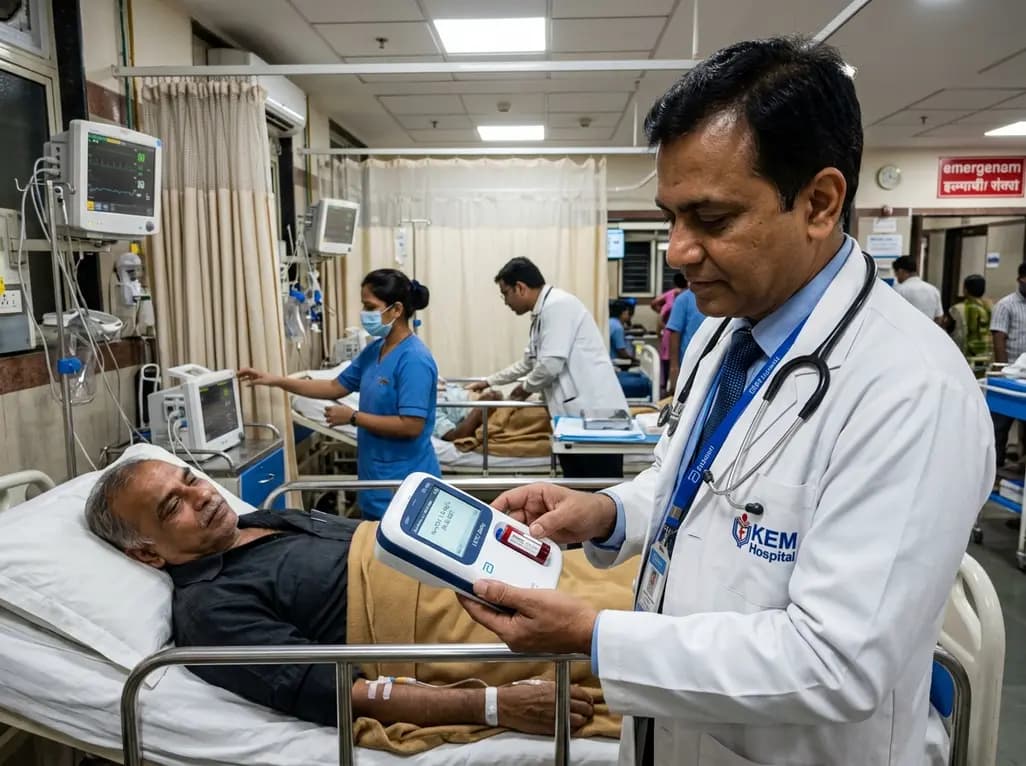
A real-world emergency department evaluation demonstrates that the Abbott i-STAT Alinity point-of-care high-sensitivity troponin I assay achieves excellent analytical precision and safely rules out myocardial infarction without false negatives, offering rapid bedside results to decongest acute care pathways.
Today
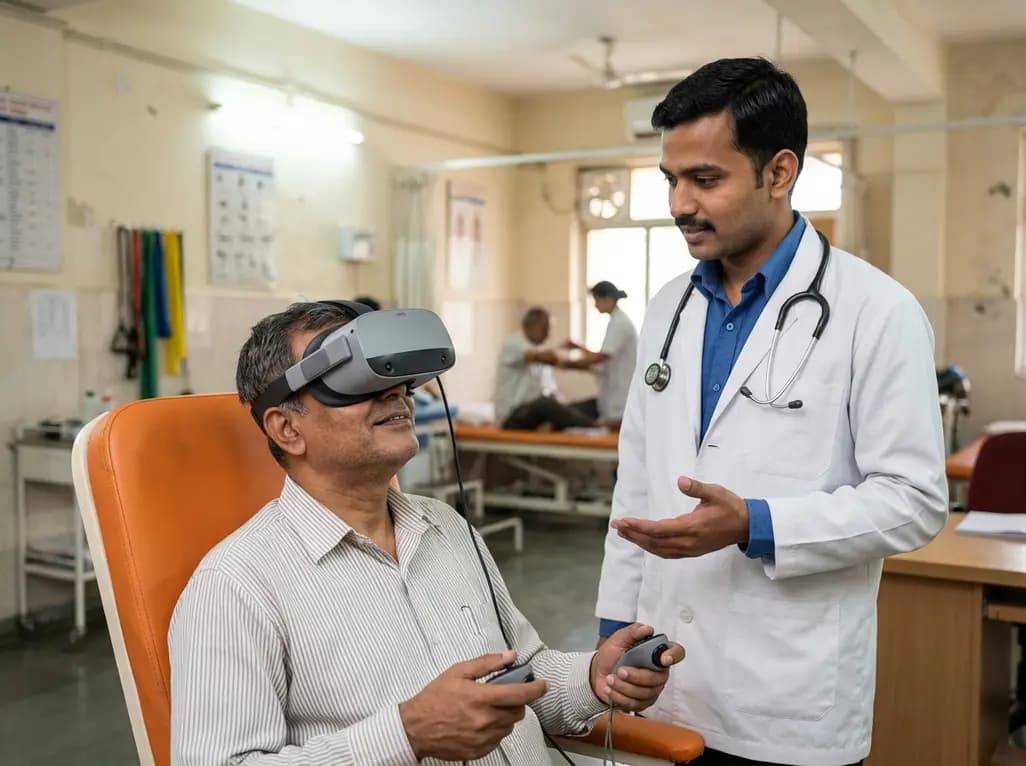
A recent scoping review highlights the efficacy, usability, and patient satisfaction of virtual reality pain management for chronic musculoskeletal pain, emphasizing psychotherapy-based VR protocols.
Today
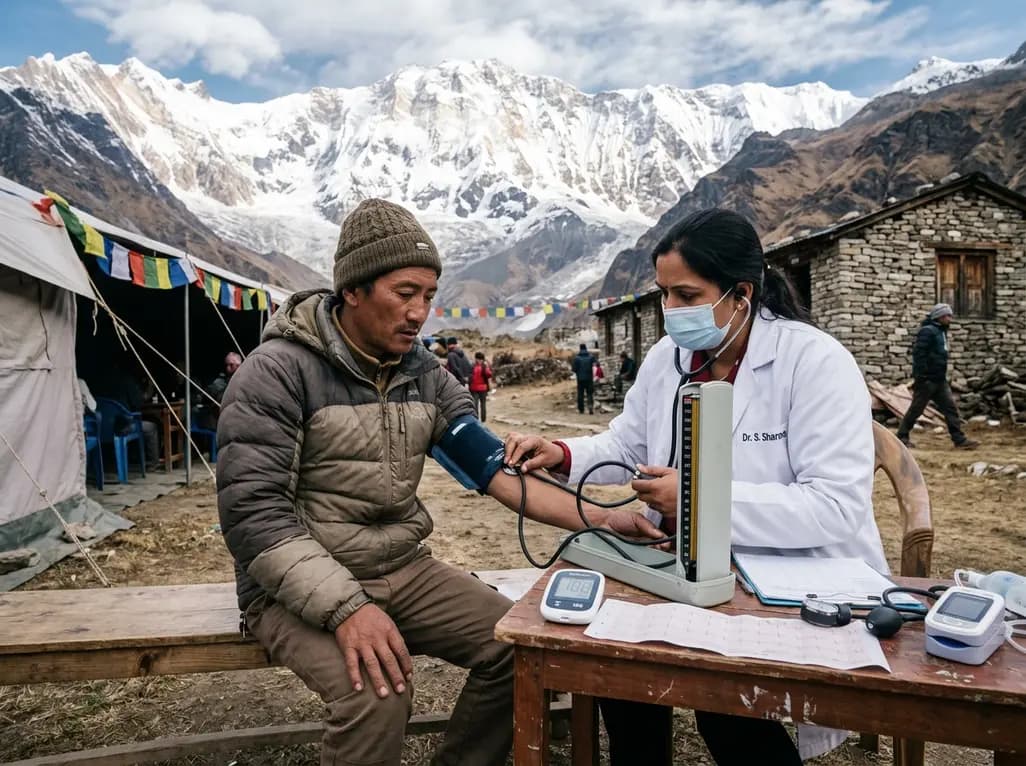
A cross-sectional study in Nepal evaluates cardiovascular risk factors among adults working above 4,000 meters. The findings reveal unexpected rates of diabetes, hypertension, and mountain sickness, underscoring the urgent need for targeted cardiometabolic screening in high-altitude occupational cohorts.
Today
