.webp&w=384&q=75)

Loading, please wait...
Loading, please wait...

The management of intertrochanteric hip fractures often involves cephalomedullary nail fixation. A recent study investigated the factors associated with lag screw slide in these patients. This movement, known as controlled collapse, allows the fracture to compress but can lead to lateral prominence. Understanding why some patients experience more sliding than others helps surgeons predict recovery and potential complications. Consequently, the focus on the lag screw slide remains a vital part of postoperative evaluation.
Researchers examined 614 patients over a nine-year period at an academic medical center. The cohort had a mean age of approximately 81 years, and the majority were female. By analyzing radiographic data, the team measured the difference in the lateral prominence of the lag screw from the initial surgery to follow-up. This retrospective review provides essential data for orthopedic specialists managing geriatric hip trauma.
The study found a mean slide amount of 3.77 mm. While many patients showed minimal movement, over 66% experienced some degree of sliding. Specifically, certain fracture patterns showed a higher correlation with increased displacement. Surgical planning must account for these anatomical variations to optimize stability. Moreover, external research suggests that calcar gapping and unstable fracture types significantly increase the risk of excessive sliding. Therefore, achieving anatomical reduction is vital for minimizing unwanted hardware prominence.
In addition, bone quality often plays a secondary role in determining the final position of the screw. Surgeons should monitor these factors during the postoperative phase. Although lag screw slide is a designed feature of dynamic fixation, excessive collapse might cause lateral hip pain or functional impairment. However, by identifying high-risk patients early, clinicians can better manage patient expectations and follow-up care. Furthermore, precise implant placement remains the cornerstone of successful outcomes.
Lag screw slide allows for dynamic compression at the fracture site, which promotes bone healing. However, excessive sliding can lead to lateral hardware prominence and irritation of the surrounding soft tissues.
While age and gender are important for overall recovery, the study indicates that fracture stability and surgical reduction quality are stronger predictors of the total amount of slide than demographic factors alone.
Disclaimer: This content is for informational and educational purposes only. It does not constitute medical advice or establish a doctor-patient relationship. Always seek the advice of a qualified healthcare provider regarding any medical condition. Refer to the latest local and national guidelines for clinical practice.
References
Pettit CJ et al. Can't stop the slide: factors associated with lag screw slide following cephalomedullary nail fixation of intertrochanteric hip fractures. Hip Int. 2026 Apr 04. doi: 10.1177/11207000261426459. PMID: 41934208.
Ciufo DJ, et al. Variables Associated With Lag Screw Sliding After Single-Screw Cephalomedullary Nail Fixation of Intertrochanteric Fractures. J Orthop Trauma. 2020 Jul;34(7):356-358.
Kim JW, et al. Factors Influencing Functional Outcomes in United Intertrochanteric Hip Fractures: A Negative Effect of Lag Screw Sliding. Orthopedics. 2014;37(12):e1101-e1107.
"
Read summarized clinical updates, watch expert medical content, and earn CME certifications right from your smartphone.
Open your smartphone camera to scan and install.





A study of 614 patients identifies factors influencing lag screw slide in hip fracture fixation, emphasizing fracture stability and surgical outcomes....
6 months ago

Explore vital recurrent stroke predictors in lacunar stroke patients managed with intensive blood pressure lowering. This analysis examines trial findings from SPS3 to uncover residual vascular risks, metabolic factors, and targeted secondary prevention strategies for high-risk neurological patients.
Today
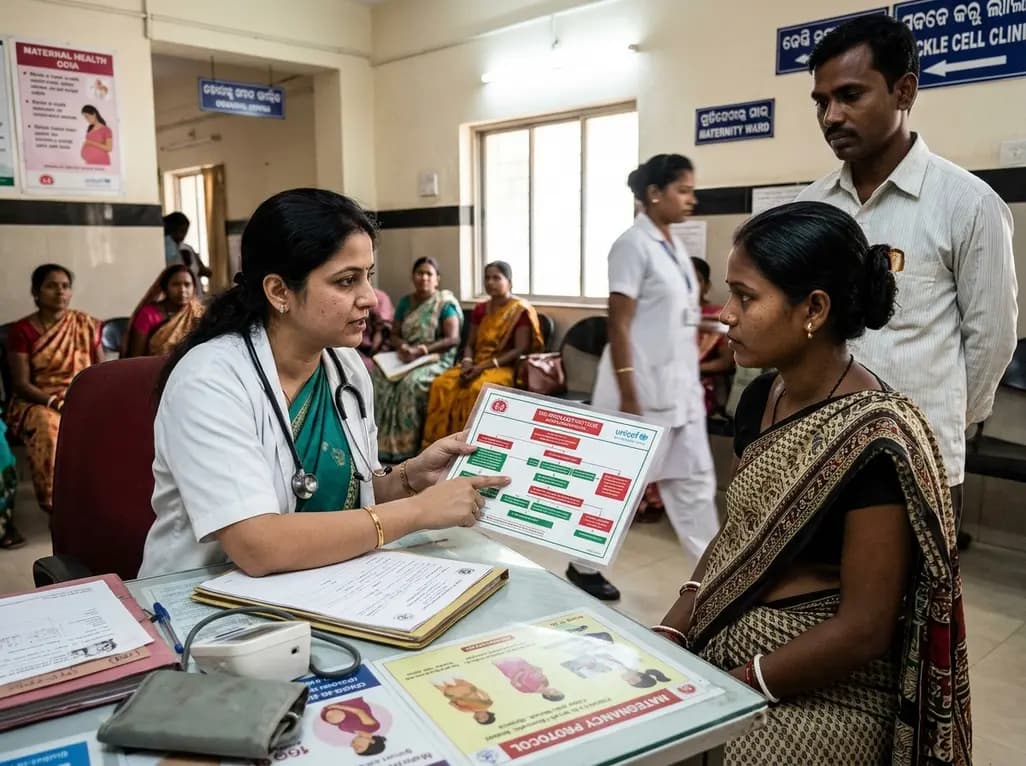
Odisha has established India's first state-level clinical protocol specifically tailored for pregnant women with sickle cell disease. Developed with NHM and UNICEF, the framework provides structured antenatal screening, crisis mitigation, standardized referral pathways, and specialized interdisciplinary care.
Today

India is advancing preventive healthcare by integrating genomics, artificial intelligence, and quantum technologies. With the SANGAM programme sequencing one million Indian genomes, clinicians can unlock personalized therapies, detect cardiometabolic risks early, and curb the burden of diabetes and heart disease.
Today
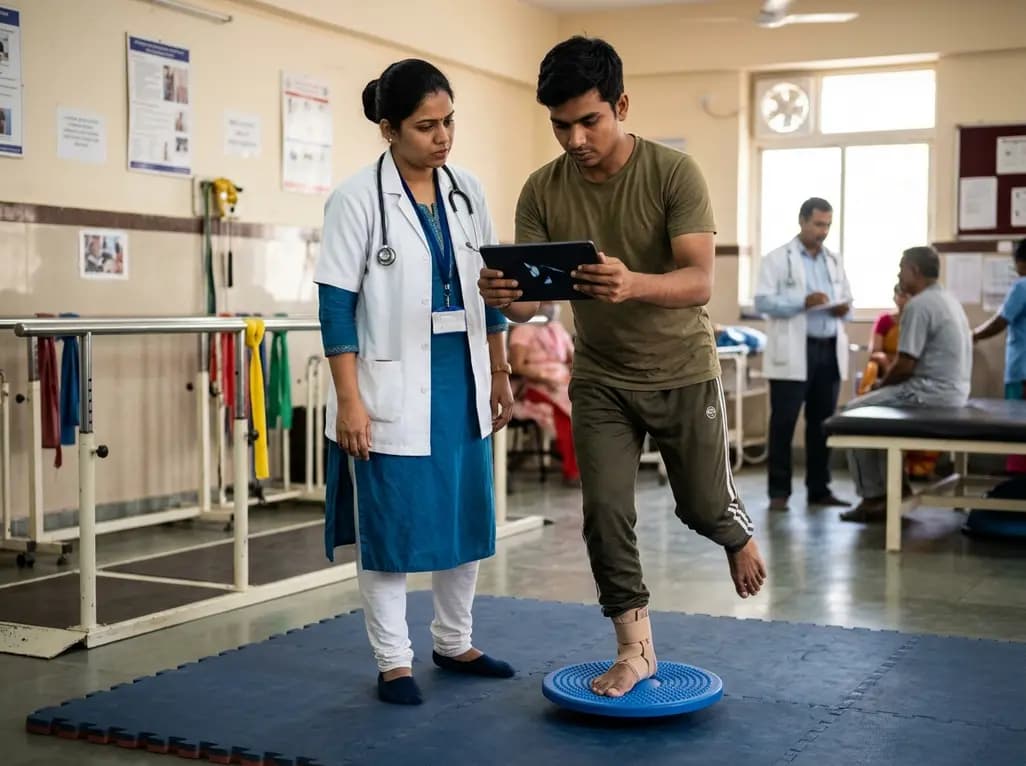
A randomized controlled trial demonstrates that an eight-week dual-task training intervention significantly improves static and dynamic postural control over standard balance exercises in individuals with chronic ankle instability, addressing critical neurocognitive deficits during athletic and daily activities.
Today

A retrospective cohort study of 7,716 ICU patients from the MIMIC-IV database demonstrates that Gradient Boosting Decision Trees significantly outperform traditional SOFA scores in predicting in-hospital mortality among patients with sepsis and diabetes, with SHAP analysis providing clinical interpretability.
Today
