.webp&w=384&q=75)

Loading, please wait...
Loading, please wait...

Accurately determining functional recovery remains a central challenge in modern neurotrauma care. Clinicians and clinical researchers routinely evaluate GOSE scores after TBI to quantify long-term patient recovery across multiple daily living domains. The Glasgow Outcome Scale Extended evaluates independence, employment status, social participation, and emotional wellbeing following acute central nervous system trauma. However, traumatic brain injury rarely occurs in total isolation during high-energy collisions, falls, or road traffic accidents. In real-world emergency admissions, patients frequently present with concurrent severe systemic trauma, including long-bone fractures, thoracic damage, and abdominal visceral lacerations. Consequently, clinicians encounter significant ambiguity when assigning functional limitations to intracranial damage versus concomitant extracranial trauma. This critical diagnostic dilemma directly influences how healthcare teams classify patient recovery trajectories. Furthermore, measuring whole-body impairment rather than isolated neurotrauma can distort clinical interpretations. When physical immobility stems primarily from orthopedic hardware or soft tissue injury, overall disability ratings decline sharply. Therefore, discerning the primary source of patient limitation is critical for both research trials and bedside prognostications. Establishing unambiguous criteria helps medical teams untangle systemic physical deficits from genuine cognitive and neurological disability.
The Transforming Research and Clinical Knowledge in Traumatic Brain Injury investigators evaluated how different assessment strategies change outcome classification. Specifically, the study compared whole-body functional disability, termed GOSE-All, against disability restricted strictly to the head injury, termed GOSE-TBI. Researchers examined prospective observational data from 2,288 individuals across eighteen level-one trauma centers. Trained examiners recorded comprehensive recovery metrics at two weeks, three months, six months, and twelve months post-injury. The findings revealed that administration methodology profoundly alters reported disability rates across every follow-up interval. When investigators dichotomized the extended scale into favorable versus unfavorable categories, differences between the two scoring approaches reached up to 42 percentage points. Consequently, clinical trials evaluating neuroprotective therapies could easily misclassify a drug as ineffective simply because systemic injuries drive overall functional dependence. Moreover, asking patients about functional restrictions without distinguishing cause injects substantial subjective variability. In contrast, adjudicating deficits specifically attributable to brain injury demands rigorous clinical training and meticulous documentation. Thus, investigators must decide beforehand whether their primary scientific hypothesis targets general patient independence or specific intracranial recovery mechanisms.
The divergence between GOSE-All and GOSE-TBI does not remain constant across all patient groups or recovery phases. Instead, the magnitude of scoring discrepancy correlates directly with baseline injury severity, extracranial trauma severity, and time elapsed since trauma. Discrepancies between the two scoring paradigms decreased markedly in patients with severe brain injuries. In severe neurological trauma, profound intracranial devastation dominates the functional picture, overshadowing concurrent skeletal or soft-tissue damage. Conversely, patients with mild brain trauma exhibited the largest divergence in functional scores, particularly when they suffered significant orthopedic or visceral polytrauma. In addition, the gap between scoring modalities progressively narrowed over the course of the post-injury year. Orthopedic fractures typically consolidate, peripheral soft tissues repair, and acute surgical wounds heal within the initial post-trauma months. As systemic injuries resolve, persistent neurological, cognitive, and psychiatric symptoms become the primary drivers of lingering functional impairment. Therefore, evaluations performed at two weeks after trauma demonstrate massive divergences between overall and brain-specific outcomes. By twelve months, however, systemic confounders exert substantially less influence on overall scores.
These observational findings hold profound implications for emergency physicians, trauma surgeons, and neurointensivists managing polytrauma patients. In acute intensive care units, clinicians frequently face difficult family meetings regarding long-term functional recovery and rehabilitation potential. If healthcare practitioners rely solely on early global disability scales, they risk miscommunicating expected neurological prognosis to families. For instance, severe pelvic fractures and spinal fixations temporarily render patients bedbound, severely suppressing early global functional scores. Nevertheless, these patients may retain preserved cognitive reserve and intact intracranial recuperative potential. Furthermore, early extracranial surgical procedures can temporarily impair physiological stability and executive functioning during index hospitalizations. Recognizing how systemic trauma distorts outcome scales helps critical care teams tailor aggressive neurorehabilitation programs. Moreover, multidisciplinary trauma services must coordinate physical therapy, cognitive rehabilitation, and orthopedic reconstructive care simultaneously. Clinicians who understand these scoring nuances can better identify whether slow progress reflects neurocognitive exhaustion or manageable musculoskeletal restrictions. Accordingly, tracking both whole-body and brain-specific metrics yields a more balanced appraisal of patient recovery.
To overcome measurement inconsistencies, international trauma consortia must urgently update data collection protocols and registry definitions. Currently, the National Institutes of Health TBI Common Data Elements recommend standardised data collection across clinical research platforms. However, repositories must mandate explicit transparency regarding whether researchers calculated functional recovery via GOSE-All or GOSE-TBI. Failing to declare the scoring technique obstructs meta-analyses and corrupts secondary data pooling across multinational studies. Furthermore, outcome assessors require structured training manuals with explicit guidelines for handling emotional distress and pre-existing psychiatric conditions. Traumatic events frequently trigger secondary depression, anxiety, and post-traumatic stress disorder, which further cloud functional adjudication. Researchers must establish standardised instructions so that interviewers systematically attribute psychological disability to brain damage, extracranial trauma, or psychosocial circumstances. Ultimately, establishing harmonised reporting standards will strengthen future clinical trial designs and enhance therapeutic discovery. When scientific trials apply precise endpoint definitions, they can evaluate novel neuroprotective pharmaceuticals with greater statistical power and clinical precision.
Extracranial trauma frequently produces independent functional impairments, such as orthopedic immobility or chronic musculoskeletal pain. Consequently, scoring all injuries together often masks true neurological recovery. In contrast, isolating brain-specific deficits provides a clearer reflection of intracranial healing. Therefore, choosing between combined and isolated scales substantially shifts the estimated rate of unfavorable outcomes in clinical investigations.
Orthopedic fractures, soft tissue lacerations, and systemic complications typically heal within several months following the initial incident. Consequently, extracranial physical limitations diminish over time, allowing underlying neurological deficits to predominate the long-term clinical picture. Therefore, discrepancies between whole-body assessment and brain-specific functional evaluation naturally narrow as patients approach twelve months of recovery.
Trauma registries must explicitly record whether functional scores reflect whole-body disability or isolated central nervous system deficits. Furthermore, investigators must standardise structured patient interviews and document extracranial injury severity scores concurrently. Consequently, clear institutional reporting frameworks prevent systematic bias, enhance data pooling across global clinical trials, and improve long-term prognostic accuracy for polytrauma patients.
Disclaimer: This content is for informational and educational purposes only... Refer to the latest local and national guidelines for clinical practice.
References

Read summarized clinical updates, watch expert medical content, and earn CME certifications right from your smartphone.
Open your smartphone camera to scan and install.





A TRACK-TBI study reveals that extracranial injuries significantly shift GOSE scores after traumatic brain injury, creating up to a 42% discrepancy in unfavorable outcome rates and highlighting the urgent need for standardised functional outcome measurement in polytrauma.
Today

Hantaviruses are emerging zoonotic pathogens causing hemorrhagic fever with renal syndrome and hantavirus pulmonary syndrome. Characterized by severe capillary leakage and thrombocytopenia, these infections require prompt diagnosis, vigilant hemodynamic monitoring, and specialized critical care support.
Today
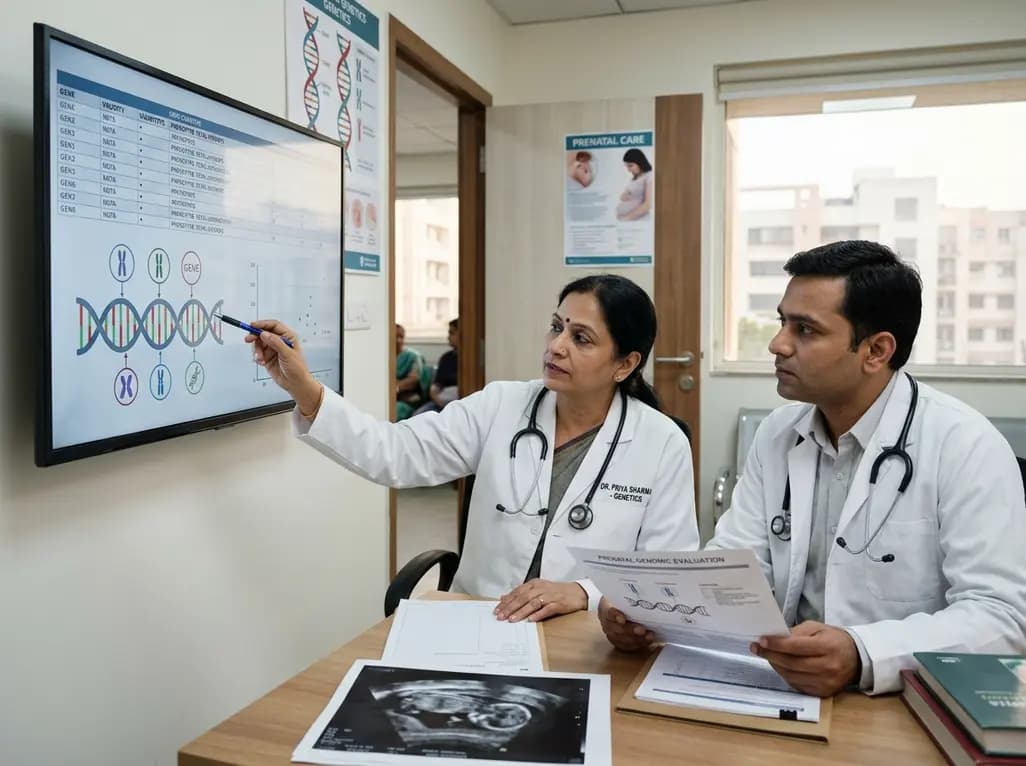
The ClinGen Prenatal Gene Curation Expert Panel evaluated 63 disease relationships across 61 genes, establishing clinical validity for severe fetal phenotypes like hydrops and stillbirth to enhance prenatal genomic interpretation and clinical care.
Yesterday

Managing refractory hypoxemia after cardiothoracic surgery becomes perilous when prolonged air leak limits positive-pressure ventilation. This case-based review details how high-flow nasal cannula, paired with awake rehabilitation, enabled successful extubation and avoided invasive re-intubation.
Today

Idiopathic axillary web syndrome (IAWS) is a rare cause of shoulder pain and mobility restriction characterized by palpable axillary cording without prior surgery or trauma. Early diagnosis, nonsteroidal anti-inflammatory therapy, and physical rehabilitation lead to complete resolution of symptoms.
Today
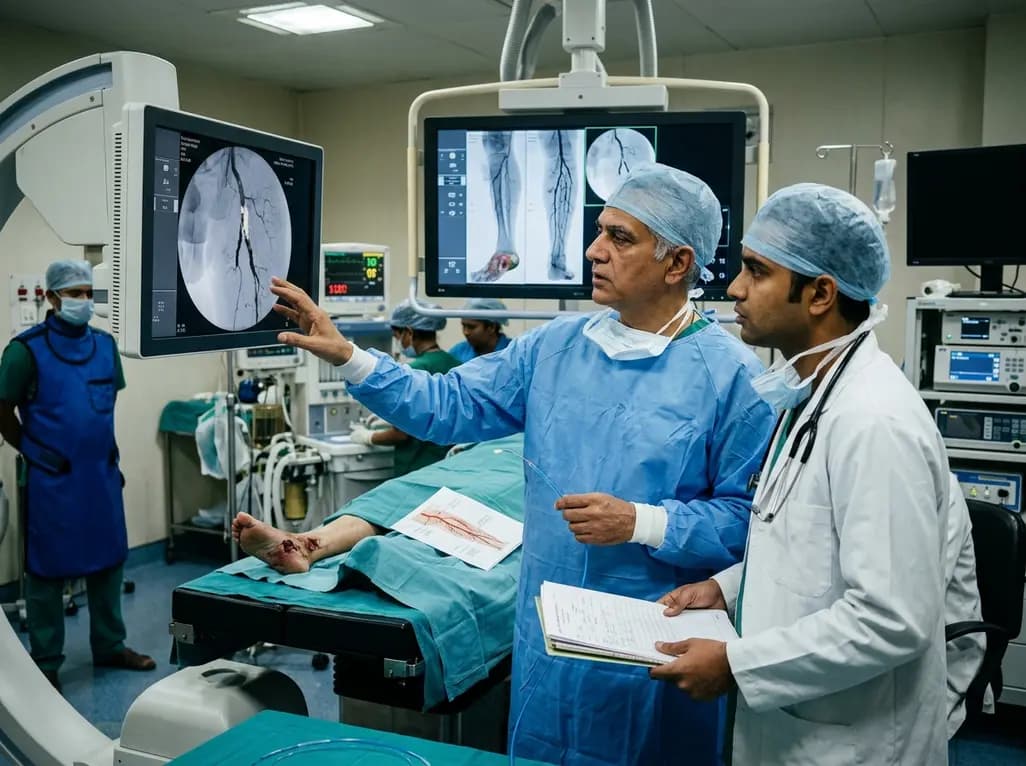
SWEDEPAD-1 trial insights show paclitaxel-coated devices do not improve long-term limb salvage in patients with chronic limb-threatening ischemia and tissue loss. While one-year reinterventions decreased, the devices were linked to a higher risk of major amputation at three months.
Today
