.webp&w=384&q=75)

Loading, please wait...
Loading, please wait...

Recent research identifies exosomal lncRNAs in breast cancer as pivotal molecular switches that orchestrate the complex communication between malignant cells and the tumor microenvironment (TME). Specifically, these extracellular vesicles transport long non-coding RNAs to tumor-associated macrophages (TAMs), which then adapt to support tumor growth. This bidirectional signaling fosters an environment conducive to immune suppression, angiogenesis, and metabolic remodeling. Consequently, understanding these interactions is essential for developing next-generation oncology treatments.
Tumor cells release exosomes containing specific lncRNAs that activate signaling pathways like STAT3 and TGF-β within macrophages. Furthermore, these molecules trigger Hippo/YAP and hypoxia-responsive signaling, effectively polarizing macrophages toward a tumor-supportive M2 phenotype. Conversely, macrophages reciprocate by secreting exosomal lncRNAs such as HISLA (hypoxia-inducible factor-1 alpha-stabilizing lncRNA). This specific cargo reinforces glycolytic adaptation and epithelial-mesenchymal transition (EMT) in recipient tumor cells. Therefore, the co-evolution of these two cell populations directly contributes to metastatic plasticity and therapeutic failure.
The stability of exosomal lncRNAs in breast cancer makes them excellent candidates for minimally invasive liquid biopsies. Identifying these markers in circulation could allow clinicians to monitor real-time changes in the TME and predict therapeutic resistance earlier than conventional imaging. However, researchers must still overcome significant hurdles, including vesicle heterogeneity and the need for standardized stoichiometry in clinical assays. Addressing these barriers will be a critical step toward integrating exosomal analysis into routine clinical practice.
HISLA is a macrophage-derived exosomal lncRNA that stabilizes HIF-1α in breast cancer cells. This interaction promotes metabolic reprogramming, enhances the epithelial-mesenchymal transition, and increases resistance to chemotherapy.
These RNAs act as messengers that remodel the TME by suppressing immune responses and promoting angiogenesis. They facilitate bidirectional communication between tumor cells and various stromal components, including macrophages and endothelial cells.
Disclaimer: This content is for informational and educational purposes only. It does not constitute medical advice or establish a doctor-patient relationship. Refer to the latest local and national guidelines for clinical practice.
References

Read summarized clinical updates, watch expert medical content, and earn CME certifications right from your smartphone.
Open your smartphone camera to scan and install.





A review of how exosomal lncRNAs facilitate communication between breast cancer cells and macrophages, impacting tumor progression and therapeutic resistanc...
4 months ago

An observational study from the NIH All of Us Research Program reveals that adding a multi-ancestry polygenic risk score to machine learning models provides only modest improvements in predicting adult weight gain, underscoring the enduring significance of routine clinical and lifestyle factors.
Today

A study in JAMIA Open shows lightweight open-source reasoning LLMs achieve up to 95% sensitivity and accelerate evidence synthesis screening by nearly twentyfold, presenting a cost-effective, scalable AI solution for biomedical research and systematic reviews.
Yesterday
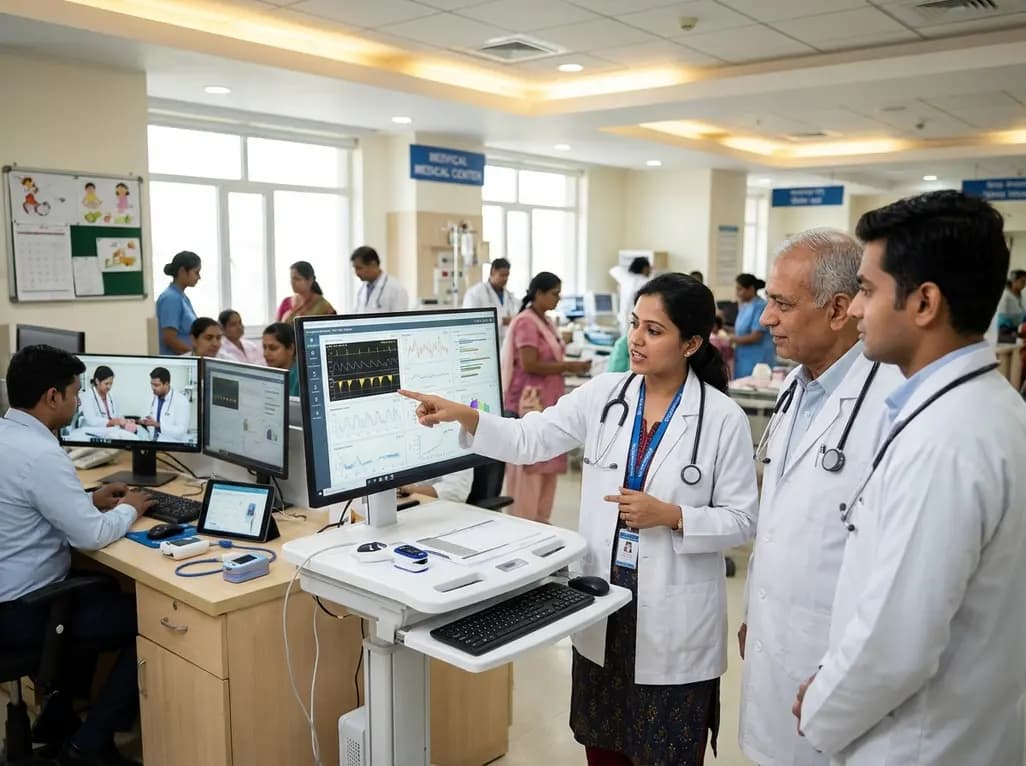
A landmark study details how an enterprise pediatric remote patient management model expanded from a single cardiology pilot to 16 diverse specialty programs by combining centralized digital operations with specialty clinical leadership.
Yesterday
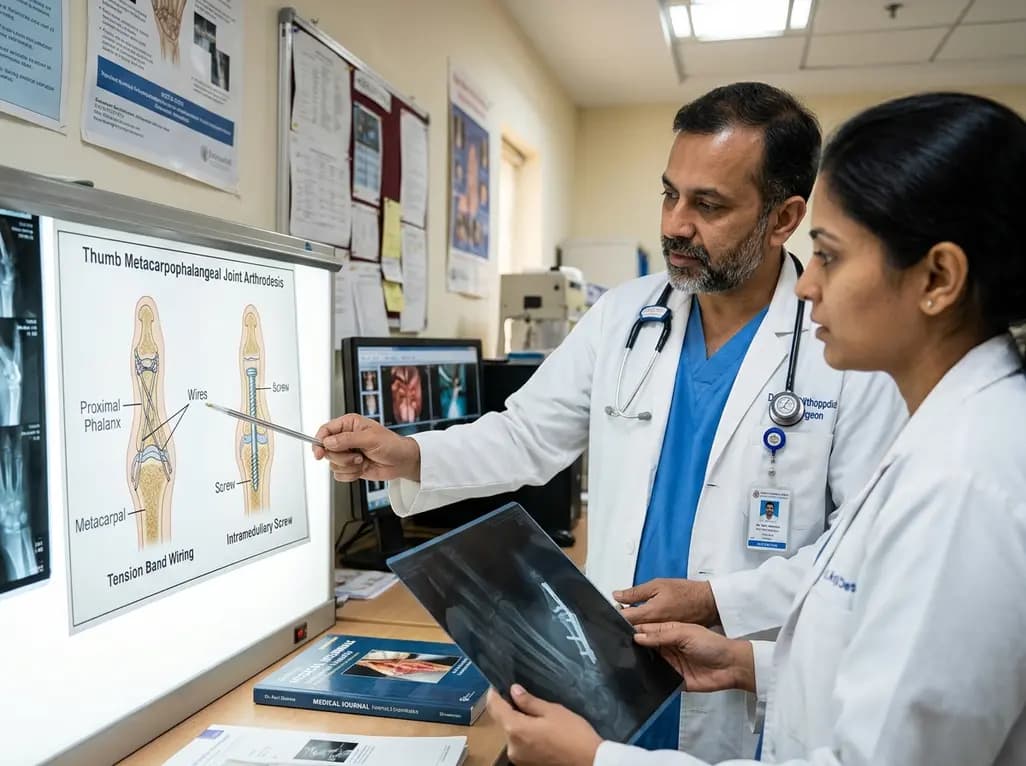
A comparative review of tension band wiring and intramedullary screw fixation in thumb metacarpophalangeal arthrodesis, evaluating union rates, hardware complications, and clinical outcomes.
Yesterday
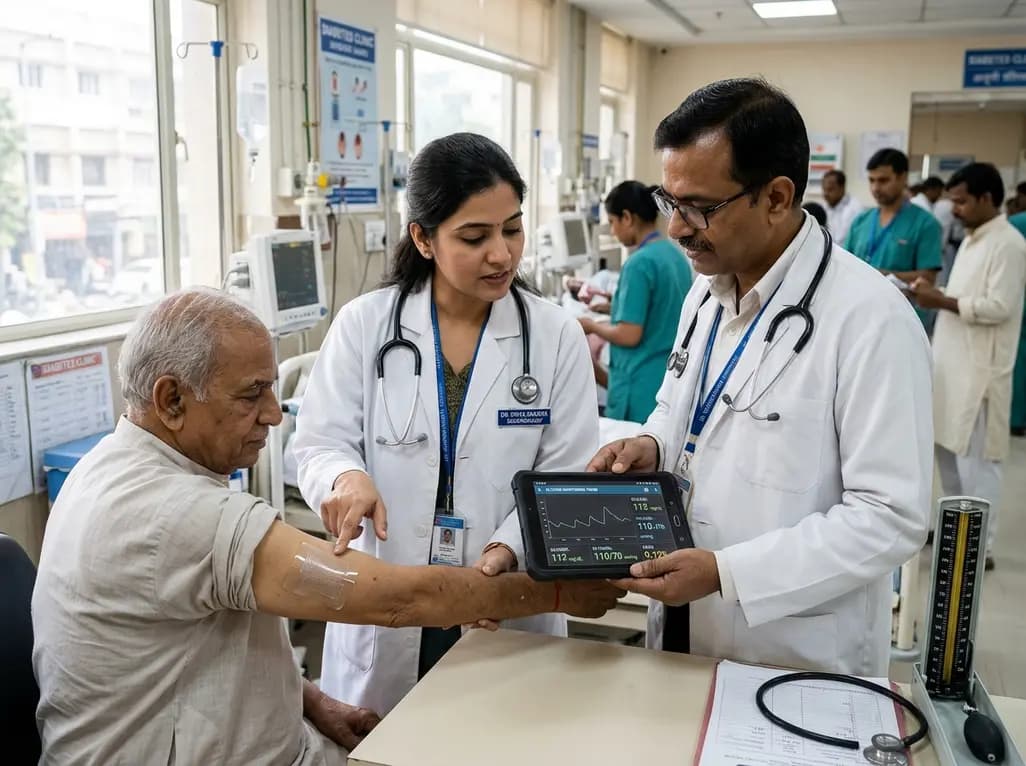
A breakthrough ultrathin multimodal sensor decouples physical hemodynamic monitoring from disposable electrochemical calibration, achieving long-term wearable glucose prediction with 81.36% accuracy and a 9.12% MARD. This offers a robust, drift-free solution for outpatient metabolic surveillance.
Yesterday
