.webp&w=384&q=75)

Loading, please wait...
Loading, please wait...
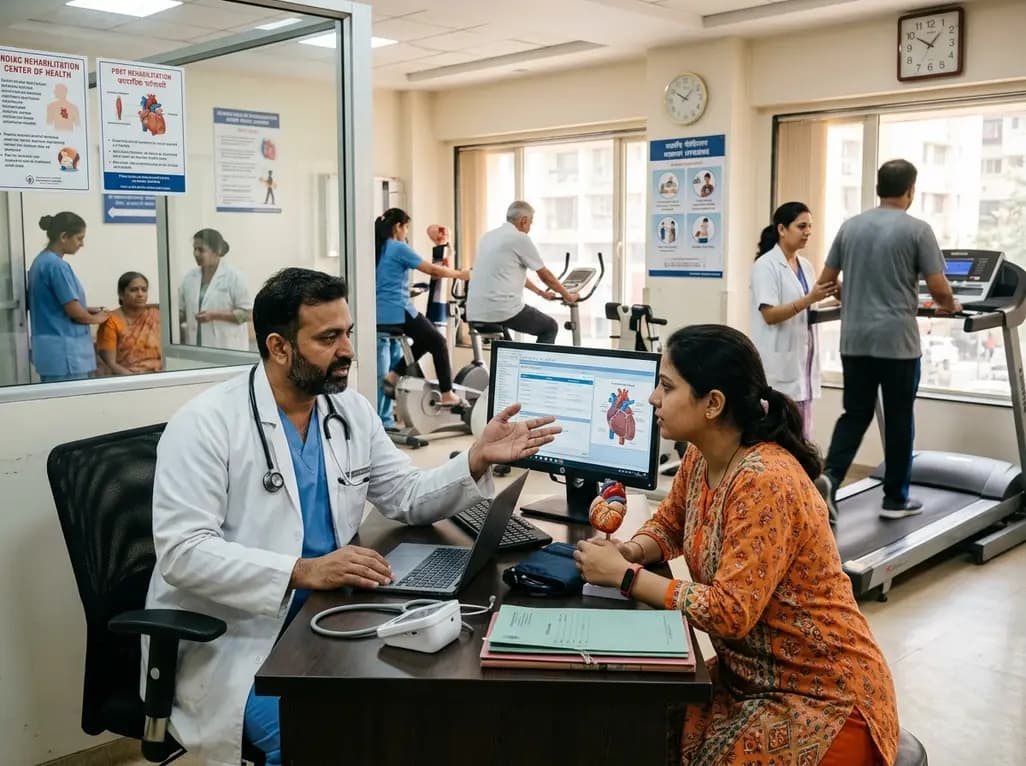
Post-acute sequelae of SARS-CoV-2 infection, commonly referred to as post-COVID syndrome, presents a substantial clinical challenge across primary care and cardiology. Emerging clinical data demonstrate that post-COVID syndrome is not solely a respiratory condition, but a complex systemic disorder that causes persistent vascular, metabolic, and autonomic derangements. Consequently, clinicians are observing a sustained elevation in post-COVID cardiovascular risk among patients who have recovered from the acute phase of viral infection. Addressing these long-term cardiovascular sequelae requires proactive clinical evaluation and tailored therapeutic interventions to prevent premature atherogenesis and functional decline.
The pathophysiological foundation linking post-COVID syndrome to adverse cardiovascular events involves persistent low-grade vascular inflammation, direct endothelial cell activation, and microvascular thrombosis. SARS-CoV-2 infection frequently triggers a protracted immune response characterized by circulating pro-inflammatory cytokines, platelet hyperreactivity, and elevated biomarkers of oxidative stress. Consequently, these cellular alterations induce significant endothelial dysfunction and accelerate arterial stiffness, mirroring advanced vascular aging. Furthermore, chronic immune activation disrupts normal nitric oxide bioavailability within the vascular endothelium, thereby compromising vasodilation and tissue perfusion. In addition, metabolic perturbations such as new-onset insulin resistance and skeletal muscle sarcopenia exacerbate this pro-atherogenic phenotype. When combined, these interconnected pathways significantly elevate long-term atherosclerotic risk in survivors. Therefore, clinicians must recognize that vascular recovery often lags far behind viral clearance. Routine risk stratification must actively identify ongoing inflammatory and endothelial damage before irreversible macrovascular complications manifest.
Structured physical activity serves as a powerful physiological stimulus capable of reversing endothelial impairment and reducing arterial stiffness. During aerobic exertion, repetitive increases in laminar blood flow generate vascular shear stress, which directly stimulates endothelial nitric oxide synthase expression. This enzymatic upregulation enhances systemic nitric oxide production, thereby restoring microvascular reactivity and improving flow-mediated dilation. Furthermore, regular exercise training systematically suppresses systemic inflammatory cascades by downregulating circulating tumor necrosis factor-alpha and interleukin-6 levels. Meanwhile, skeletal muscle contractions release specialized anti-inflammatory myokines that foster vascular repair and tissue regeneration. In addition, exercise promotes mitochondrial biogenesis and enhances antioxidant defense mechanisms within vascular smooth muscle cells. As a result, systematic physical conditioning counteracts accelerated vascular stiffness and halts the progression of early atherosclerotic plaques. Consequently, prescribed physical training functions as a targeted biological therapy that directly opposes the core vascular insults seen in post-COVID syndrome.
Cardiovascular autonomic dysfunction represents a hallmark of post-COVID syndrome, frequently manifesting as postural orthostatic tachycardia, inappropriate resting sinus tachycardia, and blunted heart rate recovery. This persistent autonomic imbalance stems from sympathetic hyperactivation coupled with reduced vagal parasympathetic tone. Fortunately, exercise-based rehabilitation programs effectively recalibrate neurocardiac control. Regular physical conditioning enhances central baroreflex sensitivity, increases resting vagal tone, and dampens pathological neurohormonal stimulation. Consequently, patients experience reductions in resting heart rate variability abnormalities and symptomatic palpitations. Furthermore, peripheral adaptations within skeletal muscle, including increased capillary density and enhanced oxygen extraction, significantly elevate peak oxygen consumption. Therefore, progressive exercise training improves overall functional capacity and diminishes subjective fatigue during routine daily activities. By restoring balanced autonomic modulation, exercise alleviates debilitating cardiovascular symptoms and reduces long-term arrhythmic vulnerability in post-COVID patients.
Clinicians must recognize that exercise prescription in post-COVID syndrome requires a highly individualized, cautious approach rather than generic physical activity advice. Before initiating training, physicians should thoroughly screen patients for active myocarditis, severe autonomic instability, and post-exertional malaise. Patients experiencing post-exertional symptom exacerbation require symptom-titrated pacing protocols rather than aggressive graded exertion. For stable individuals, rehabilitation should commence with low-intensity aerobic exercises, such as recumbent cycling, walking, or aquatic conditioning, to minimize orthostatic stress. Gradually, clinicians can introduce light resistance training to rebuild lean skeletal muscle mass and counter infection-associated sarcopenia. Continuous monitoring of heart rate, blood pressure responses, and perceived exertion ensures that training remains within safe physiological thresholds. As tolerance improves over weeks, training volume and frequency can increase incrementally. This structured, multi-phase progression optimizes cardiovascular remodeling while safeguarding patients against post-viral fatigue flare-ups and autonomic decompensation.
Mitigating cardiovascular morbidity in post-COVID syndrome demands a comprehensive multidisciplinary approach that integrates cardiology, physical therapy, nutrition, and internal medicine. Exercise rehabilitation achieves maximal clinical efficacy when combined with aggressive control of traditional cardiovascular risk factors, including blood pressure optimization, dyslipidemia management, and metabolic support. Moreover, nutritional counseling that emphasizes anti-inflammatory dietary patterns aids in resolving systemic inflammation and improving metabolic flexibility. Regular follow-up assessments should incorporate objective measures such as functional exercise testing, vascular biomarker tracking, and blood pressure monitoring to evaluate therapeutic progress. Ultimately, establishing structured post-COVID rehabilitation pathways enables health systems to mitigate the looming burden of post-viral atherosclerotic disease. Incorporating individualized exercise as a cornerstone of post-COVID management ensures sustainable cardiovascular risk reduction and enhances overall quality of life.
Post-COVID syndrome elevates cardiovascular risk by triggering persistent systemic inflammation, platelet hyperreactivity, and severe endothelial dysfunction. These pathological alterations reduce nitric oxide bioavailability, accelerate arterial stiffening, and foster metabolic disturbances like insulin resistance. Together, these persistent mechanisms create an aggressive pro-atherogenic environment that heightens the probability of future coronary events, systemic hypertension, and accelerated vascular aging in affected individuals.
Patients should start exercise training only after resolving acute viral symptoms and undergoing appropriate clinical screening. Physicians must rule out active myocarditis, severe arrhythmias, and debilitating post-exertional malaise before prescribing physical activity. Stable patients can generally begin low-intensity, non-upright aerobic exercises within four to twelve weeks post-infection, progressively advancing under supervised clinical guidance to avoid symptom exacerbations.
A combination of moderate-intensity continuous aerobic exercise and light resistance training offers the greatest vascular benefits. Aerobic modalities, such as recumbent cycling and brisk walking, increase laminar blood flow and stimulate nitric oxide-mediated endothelial vasodilation. Meanwhile, light resistance exercises combat post-viral sarcopenia, enhance peripheral glucose uptake, and support overall hemodynamic stability without inducing excessive cardiovascular strain.
Disclaimer: This content is for informational and educational purposes only and does not constitute formal medical advice, clinical diagnosis, or treatment recommendations. Healthcare professionals should exercise independent clinical judgment and adapt these insights to individual patient presentations. Refer to the latest local and national guidelines for clinical practice.
References

Read summarized clinical updates, watch expert medical content, and earn CME certifications right from your smartphone.
Open your smartphone camera to scan and install.





Post-COVID syndrome drives persistent vascular inflammation, endothelial dysfunction, and autonomic imbalance. Emerging evidence highlights structured exercise training as an essential non-pharmacological therapy to modulate long-term cardiovascular risk and accelerate clinical recovery.
last month

High-dose anakinra provides rapid, life-saving remission in refractory SLE-associated haemophagocytic lymphohistiocytosis. Escalating interleukin-1 blockade halts hyperinflammation without cytotoxic marrow suppression, marking a key paradigm shift in managing secondary macrophage activation.
Today
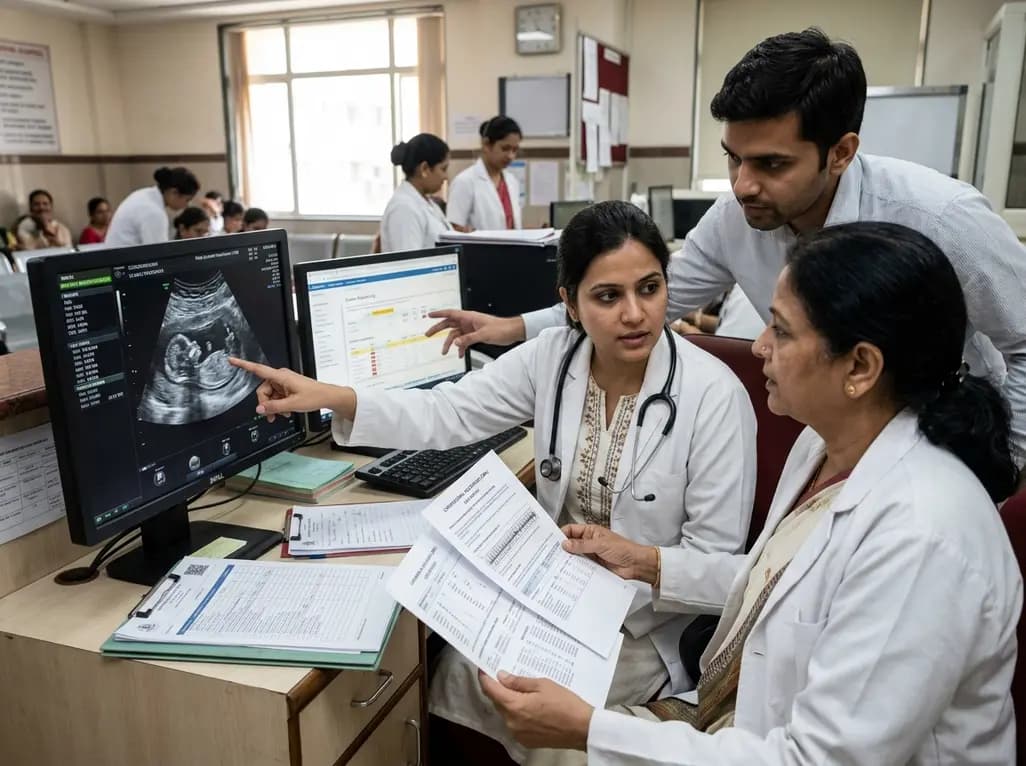
Prenatal evaluation of fetal growth restriction requires an integrated diagnostic approach. While chromosomal microarray remains fundamental, exome sequencing offers significant diagnostic yield in isolated and syndromic cases, especially when ultrasound shows skeletal anomalies or normal placental function.
Today
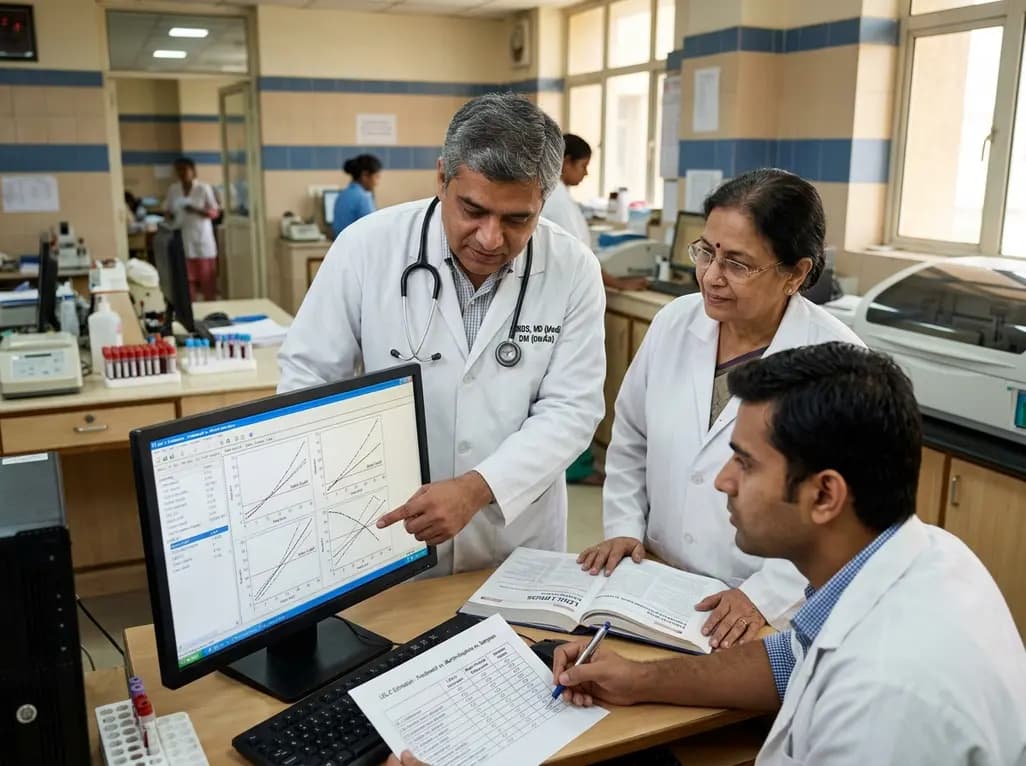
Evaluating disagreement among Friedewald, Martin-Hopkins, and Sampson LDL-C equations reveals diagnostic uncertainty at statin cutoffs. An interpretable regime-aware calibration model rescues patient misclassifications without extra testing costs.
Today
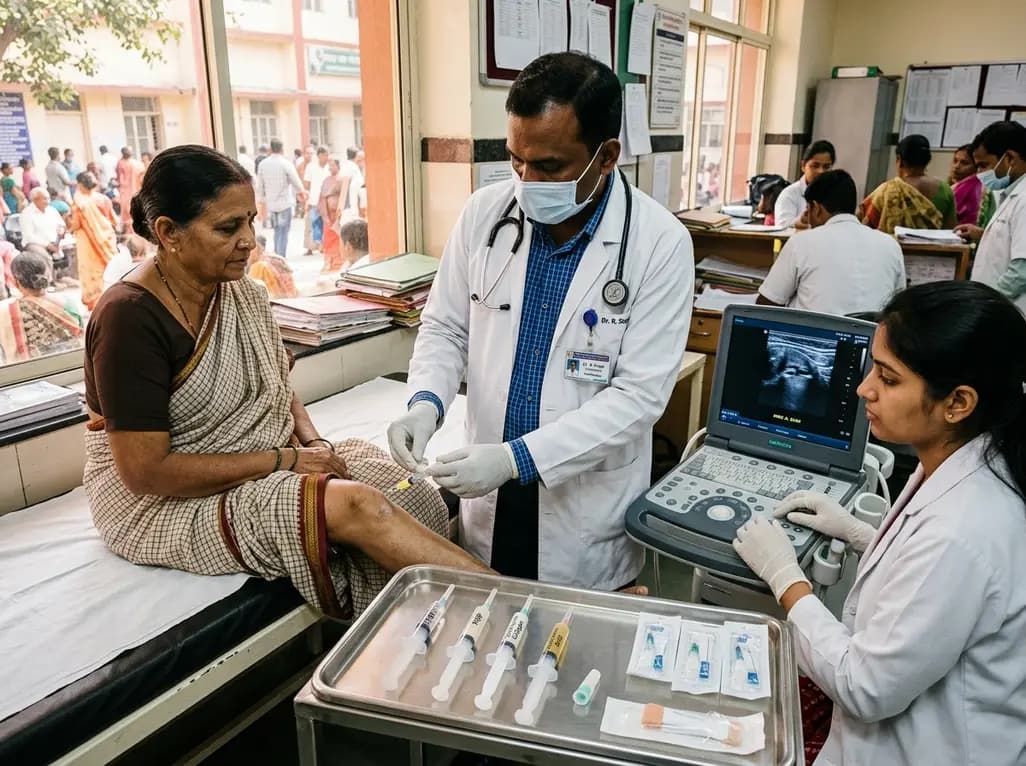
A randomized controlled trial compared ultrasound-guided intra-articular injections of PRP, hydrolyzed type I collagen, and hyaluronic acid in knee osteoarthritis. All therapies demonstrated significant improvements in WOMAC and pain scores at six months, supporting hydrolyzed collagen as a viable biological option.
Today
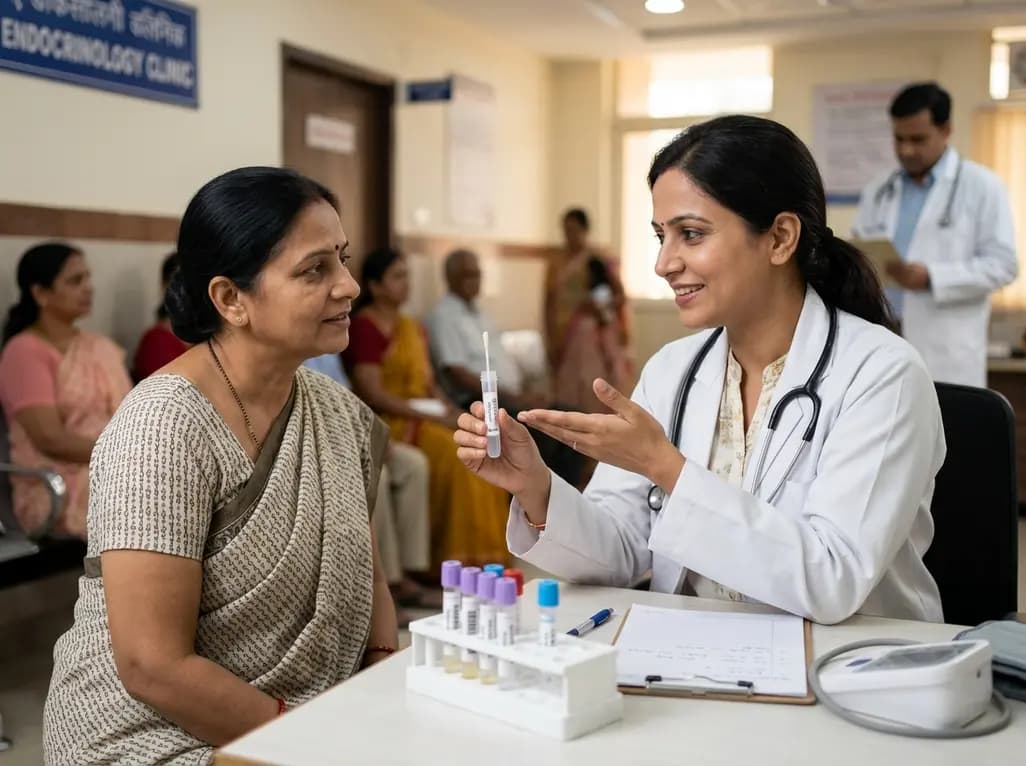
A study reveals that salivary cortisone correlates more strongly with serum cortisol than salivary cortisol during dynamic adrenal testing, while salivary dexamethasone accurately confirms compliance. This provides a non-invasive, precise alternative to venipuncture for diagnosing adrenal disorders.
Today
